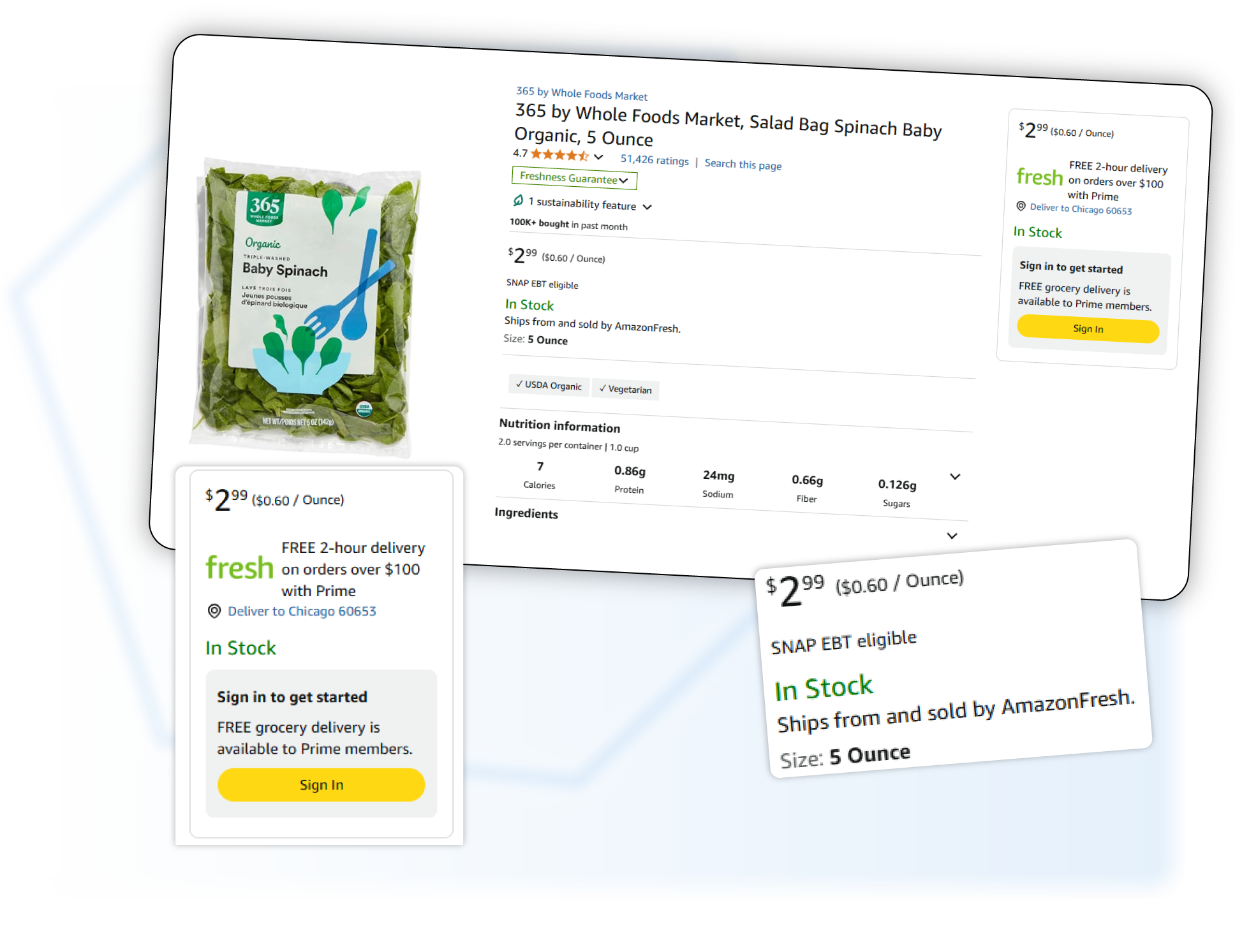
Aldi SKU-level Data Scraping API - Extract Aldi Grocery & Gourmet Food Data

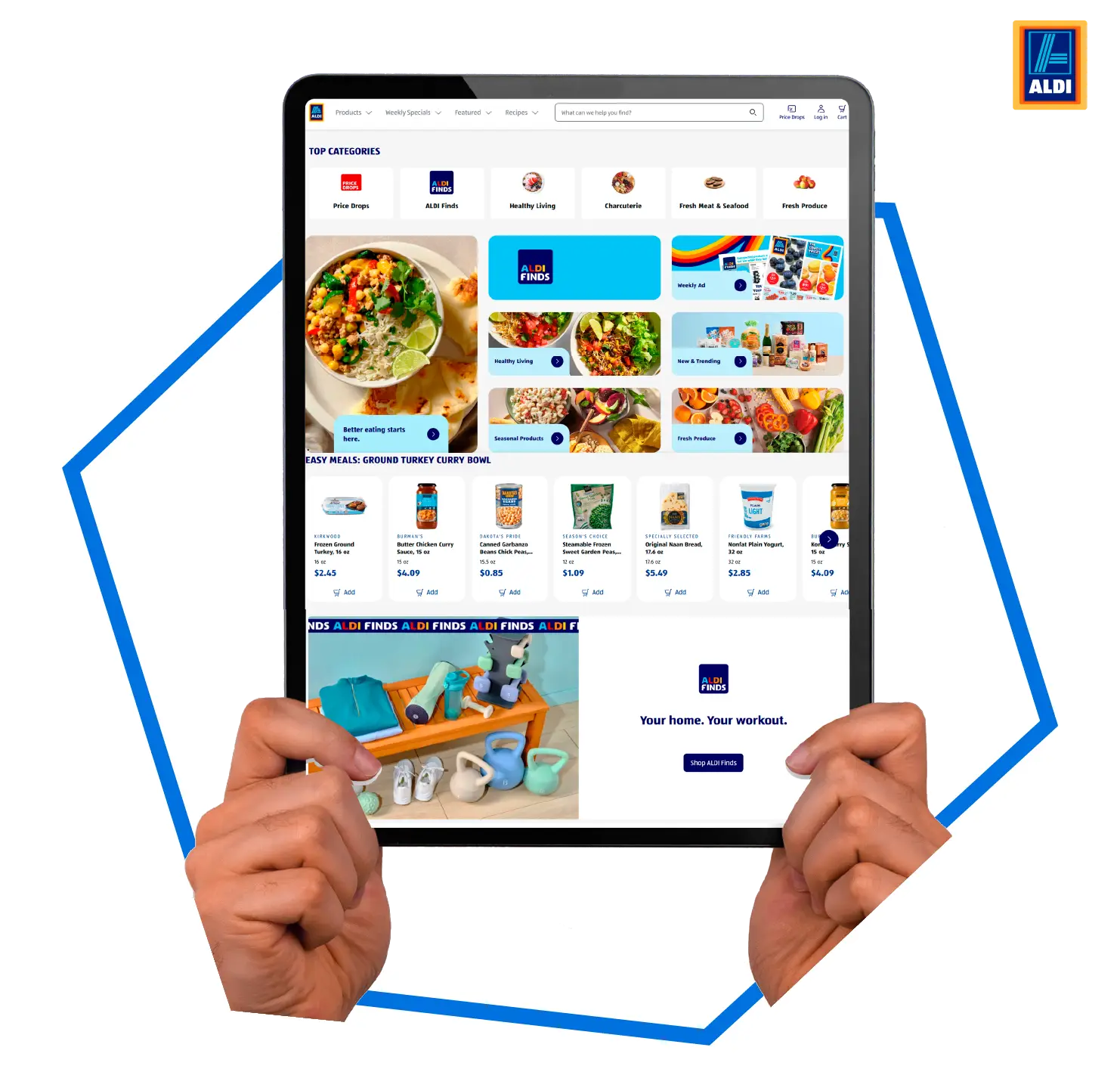
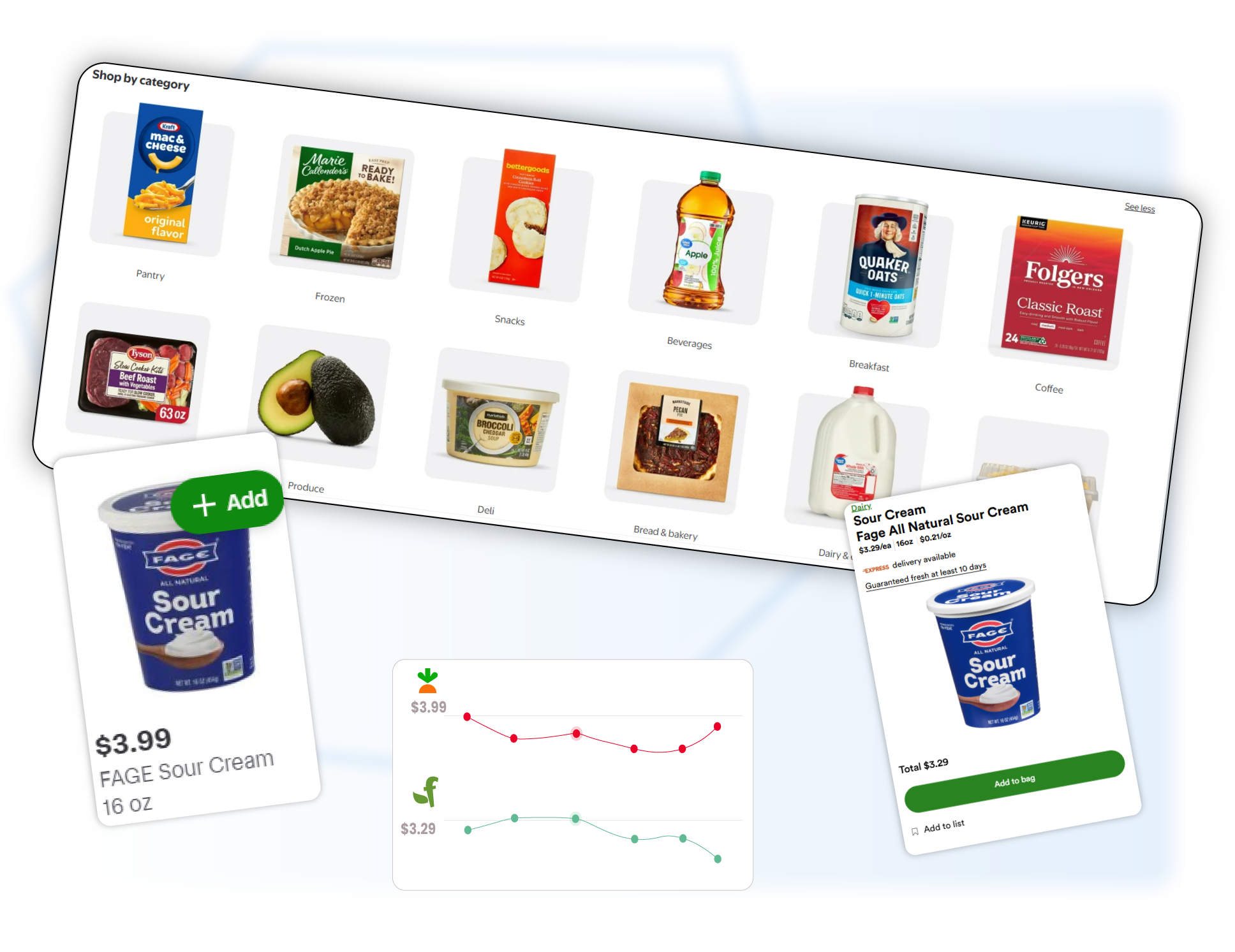
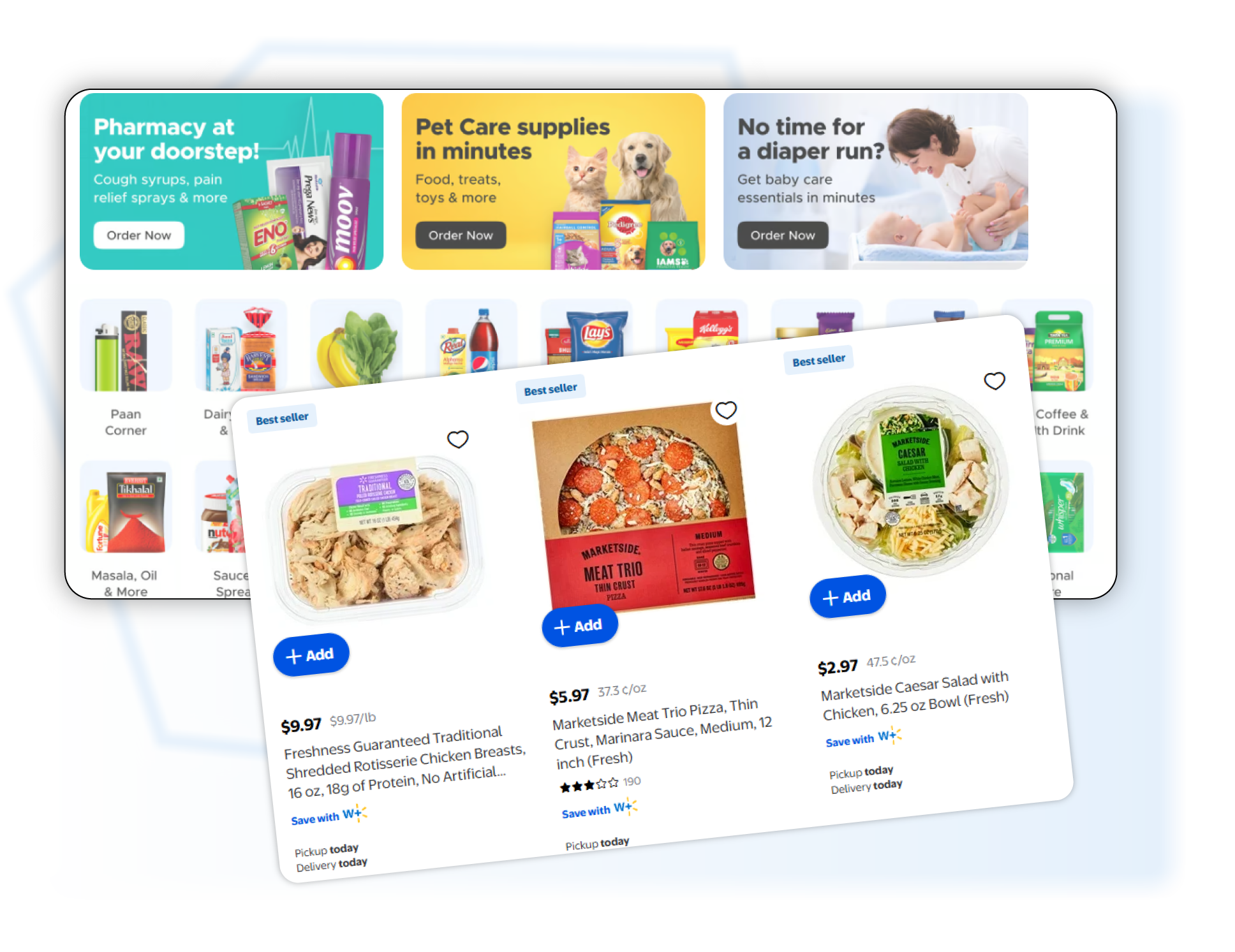
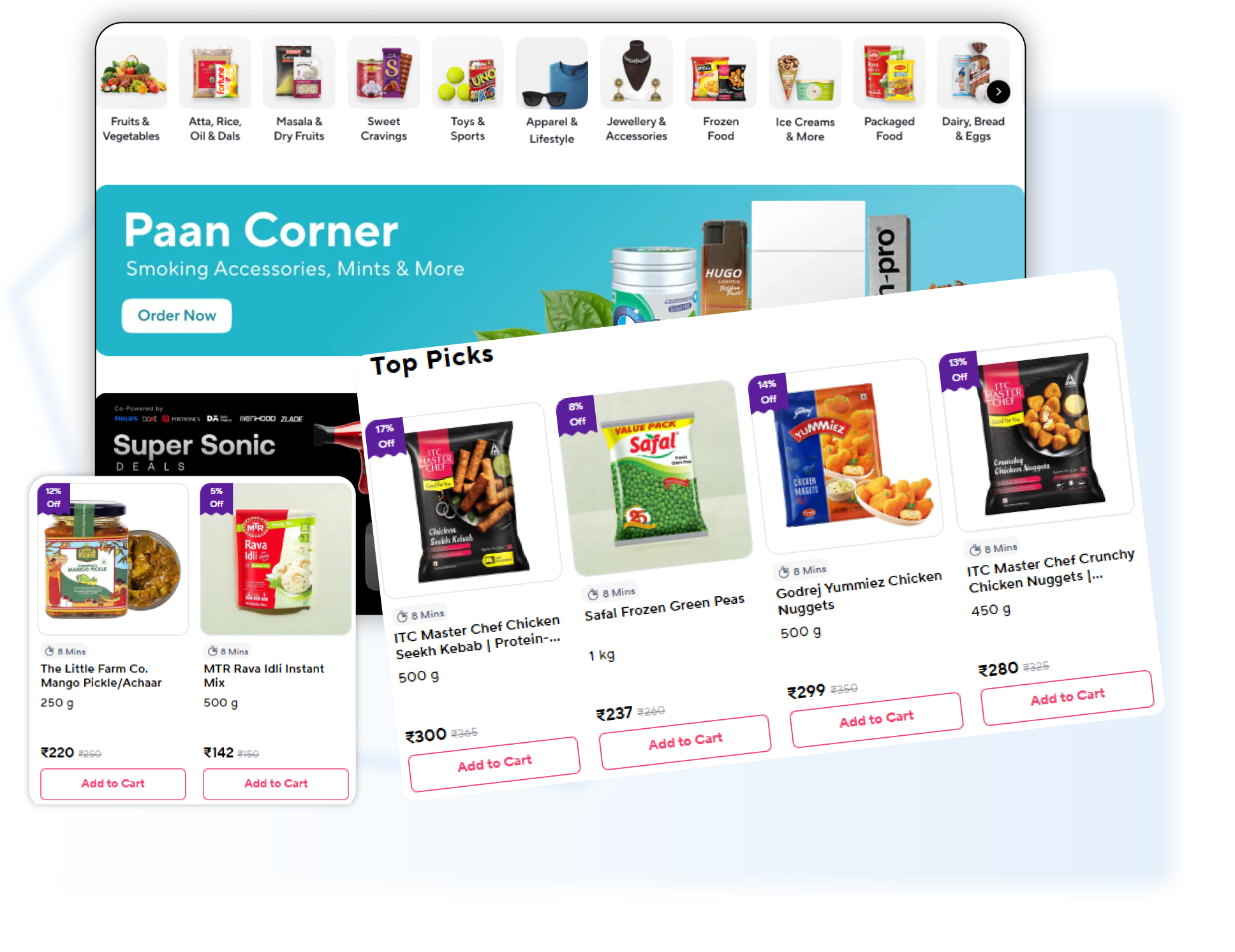
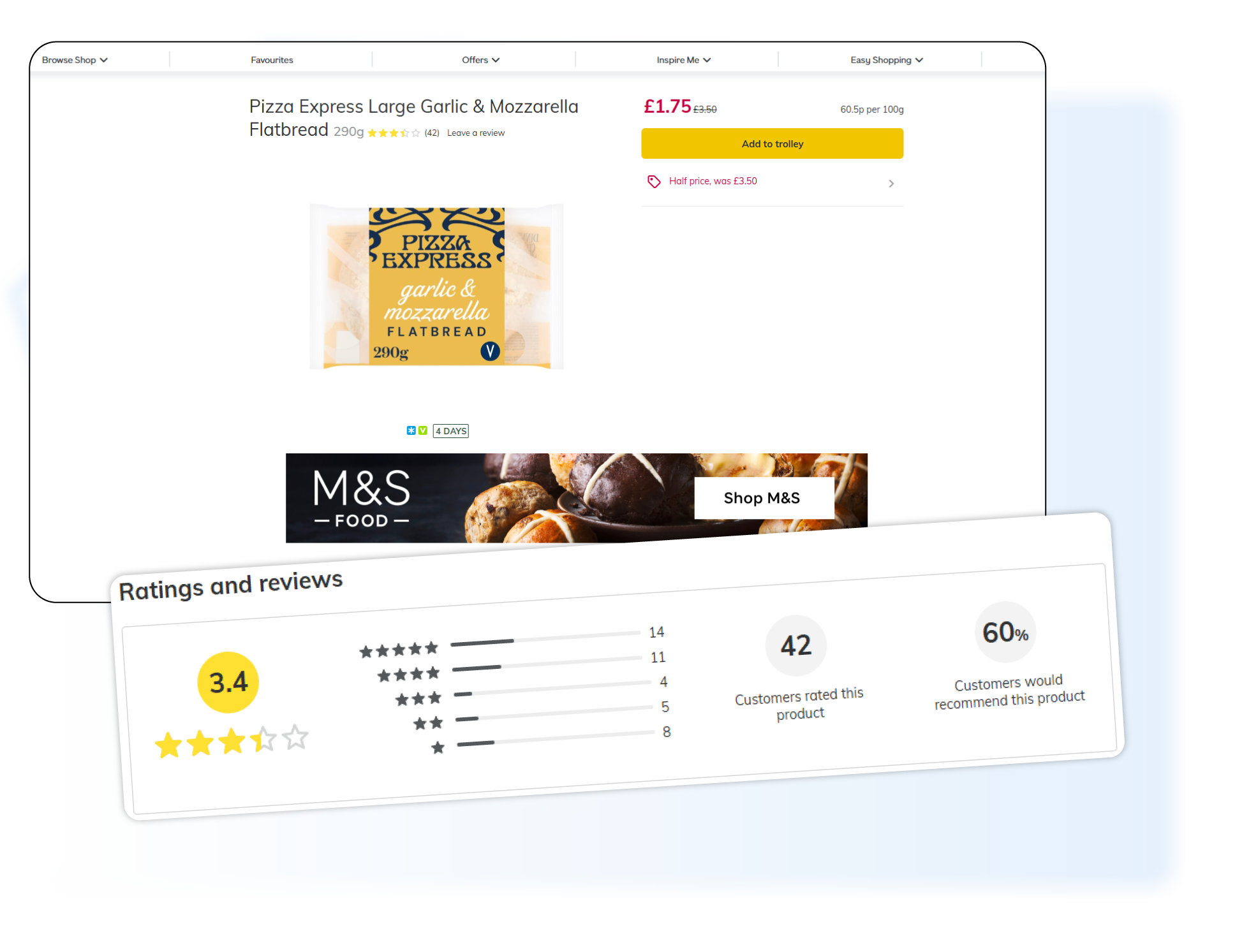
Stay ahead in grocery retail with Aldi SKU-level data scraping API, designed to provide real-time SKU-level tracking across ALDI stores in the USA, UK, India, UAE, Japan, Italy, Germany, Canada, Australia, China, Switzerland, Qatar, Singapore, Ireland, Macao SAR, Luxembourg, Austria, Denmark, and Norway. With this powerful API, businesses can Extract Aldi Grocery & Gourmet Food Data, monitor product pricing, promotions, stock levels, and category trends seamlessly. The system enables efficient Aldi grocery availability tracking API, ensuring accurate inventory insights across multiple countries, helping retailers, suppliers, and e-commerce platforms make data-driven decisions. From monitoring price fluctuations to tracking new product launches and seasonal trends, this solution empowers businesses to optimize pricing strategies, manage stock proactively, and enhance customer satisfaction. Use Aldi SKU-level data scraping API to gain competitive insights, ensure product availability, and turn real-time ALDI data into actionable intelligence across global markets.

Get Started
Amazon Scraper Design

Join thousands of businesses unlocking data with Product Data Scrape

With the Aldi grocery availability tracking API, businesses can monitor stock levels across multiple ALDI stores in real time. This ensures accurate inventory visibility, helps prevent stockouts, and enables proactive replenishment planning, allowing retailers and suppliers to respond quickly to changing consumer demand across different regions and categories.


import requests

def check_stock(sku):
    url = f"https://api.example.com/stock?sku={sku}"  # replace endpoint
    data = requests.get(url).json()
    return data["in_stock"]

sku = "SKU123"
status = check_stock(sku)

print("In Stock" if status else "Out of Stock")


Businesses can Extract Aldi product catalog data in real time to maintain accurate SKU-level catalogs. This enables streamlined product listing updates, ensures data consistency, and supports integration with e-commerce platforms, POS systems, or analytics tools, giving organizations a complete, up-to-date view of all products available across ALDI stores.


import requests

catalog = requests.get("https://api.example.com/aldi/catalog").json()
print("Total Products:", len(catalog))


Leveraging a Web Data Intelligence API, companies can analyze trends, consumer behavior, and product availability across ALDI stores. These insights inform inventory planning, marketing campaigns, and competitive strategies, helping retailers anticipate demand, improve operational efficiency, and make data-driven business decisions that align with real-world market conditions.


import statistics
prices = [2.99, 3.19, 3.09, 2.89]
print("Average Market Price:", statistics.mean(prices))
                            

By using the Extract Aldi Grocery & Gourmet Food Data capability, businesses can identify emerging trends, popular SKUs, and seasonal preferences. This data allows retailers, brands, and suppliers to adapt product offerings, forecast demand accurately, and optimize promotional campaigns to increase engagement and sales in both physical stores and online channels.


prices = [3.49, 3.29, 3.09, 2.99]

trend = "Downward" if prices[-1] < prices[0] else "Upward"
print("Price Trend:", trend)


Key Features

Aldi Grocery Delivery Scraping API Services offer advanced features like real-time price tracking, stock availability monitoring, and regional trend analysis. Businesses can extract structured data effortlessly to enhance inventory planning, pricing strategies, and customer insights.

Product Metadata Extraction

Capture detailed product information such as brand, size, ingredients, and packaging type. This metadata helps e-commerce platforms enrich listings, improve search accuracy, and enhance filters.

Discount & Offer Tracking

Monitor real-time promotions, bundle deals, and limited-time offers on Aldi. Retailers and pricing analysts can evaluate the most effective promotions, replicate successful discount strategies, or adjust their offers competitively.

Category-Wise Product Crawling

Filter and crawl Aldi grocery data by categories such as beverages, dairy, snacks, or cleaning supplies. Businesses can focus on specific verticals per segment.

Competitive Brand Intelligence

Extract pricing and availability insights of competitor brands listed on Aldi. This helps benchmark against competing products.

Bulk Data Access

Access large volumes of data in bulk through batched API calls. This supports enterprise-scale analytics projects that require high-frequency data ingestion.

Use Cases

Retail Shelf Monitoring

CPG brands can monitor how frequently their products appear on Aldi's digital shelf. This use case allows them to assess visibility, check for accurate listings, and ensure consistent digital placement. It's especially valuable for national brands wanting to standardize presence across geographies or measure compliance of local retailers with merchandising agreements.

Track-Real-Time-Pricing-and-Discounts
Collect-Customer-Reviews-and-Product-Ratings

New Product Launch Validation

Monitor Aldi availability, pricing, and customer interest to track the initial performance of newly launched SKUs. This helps companies validate whether their product placement strategies are effective, what price points resonate, and whether restocking occurs at expected intervals, enabling fast feedback loops to adjust marketing or logistics after launch.

Subscription Model Planning

Analyze product reappearance patterns and user demand spikes to decide which grocery items are best suited for subscription or auto-replenishment models. Businesses can identify high-frequency purchase items like milk, bread, or packaged snacks and craft customized subscription offerings that increase convenience and drive recurring revenue.

Track-Real-Time-Pricing-and-Discounts
Collect-Customer-Reviews-and-Product-Ratings

Delivery Zone Expansion Research

Use Aldi location-level data to study each area's active delivery zones, product availability, and price competitiveness. This insight helps grocery chains and D2C brands identify underserved neighborhoods, evaluate pricing feasibility, and plan expansions strategically based on market saturation and existing Aldi coverage.

Sustainability & Packaging Analysis

Monitor product packaging types (plastic, biodegradable, paper) and sustainability labels shown on Aldi listings. This data allows brands to benchmark their eco-credentials, study trends in consumer preferences for sustainable goods, and adapt packaging strategies to align with market demand and regulatory compliance goals.

Track-Real-Time-Pricing-and-Discounts
'
FAQs

Aldi SKU-Level Data Scraping API FAQs

This FAQ section provides clear, concise answers to all your Aldi SKU-Level Data Scraping API queries. Whether you're seeking technical details, integration help, or compliance insights, our responses are tailored to ensure you understand the process, benefits, and functionality of extracting structured grocery data from Aldi efficiently and responsibly.

The Aldi SKU-Level Data Scraping API enables businesses to extract product details, pricing, availability, and promotions from ALDI stores in real time for analytics and inventory optimization.

Using the Aldi SKU-Level Data Scraping API, companies can monitor real-time stock levels across multiple ALDI stores, preventing stockouts, enabling replenishment planning, and ensuring products remain available for customers.

Yes, the Aldi SKU-Level Data Scraping API provides SKU-level pricing and promotion data, allowing businesses to benchmark prices, optimize discounts, and adjust strategies to remain competitive in the grocery market.

Absolutely. The Aldi SKU-Level Data Scraping API supports real-time data collection across ALDI stores in countries like the USA, UK, Germany, India, Australia, UAE, Japan, and more.

With the Aldi SKU-Level Data Scraping API, businesses can extract catalog, pricing, and inventory data to analyze consumer trends, forecast demand, and make data-driven decisions for grocery and gourmet food products.
Why Product Data Scrape?

Why Choose Product Data Scrape for Retail Data Web Scraping?

Choose Product Data Scrape for Retail Data scraping to access accurate data, enhance decision-making, and boost your online sales strategy.

Reliable-Insights

Reliable Insights

With our Retail data scraping services, you gain reliable insights that empower you to make informed decisions based on accurate product data.

Data-Efficiency

Data Efficiency

We help you extract Retail Data product data efficiently, streamlining your processes to ensure timely access to crucial market information.

Market-Adaptation

Market Adaptation

By leveraging our Retail data scraping, you can quickly adapt to market changes, giving you a competitive edge with real-time analysis.

Price-Optimization

Price Optimization

Our Retail Data price monitoring tools enable you to stay competitive by adjusting prices dynamically, attracting customers while maximizing your profits effectively.

Competitive-Edge

Competitive Edge

With our competitor price tracking, you can analyze market positioning and adjust your strategies, responding effectively to competitor actions and pricing.

Feedback-Analysis

Feedback Analysis

Utilizing our Retail Data review scraping, you gain valuable customer insights that help you improve product offerings and enhance overall customer satisfaction.

Process

How We Scrape E-Commerce Data?

Let’s talk about your requirements

Let’s discuss your requirements in detail to ensure we meet your needs effectively and efficiently.

bg

Trusted by 1500+ Companies Across the Globe

decathlon
Mask-group
myntra
subway
Unilever
zomato

Send us a message