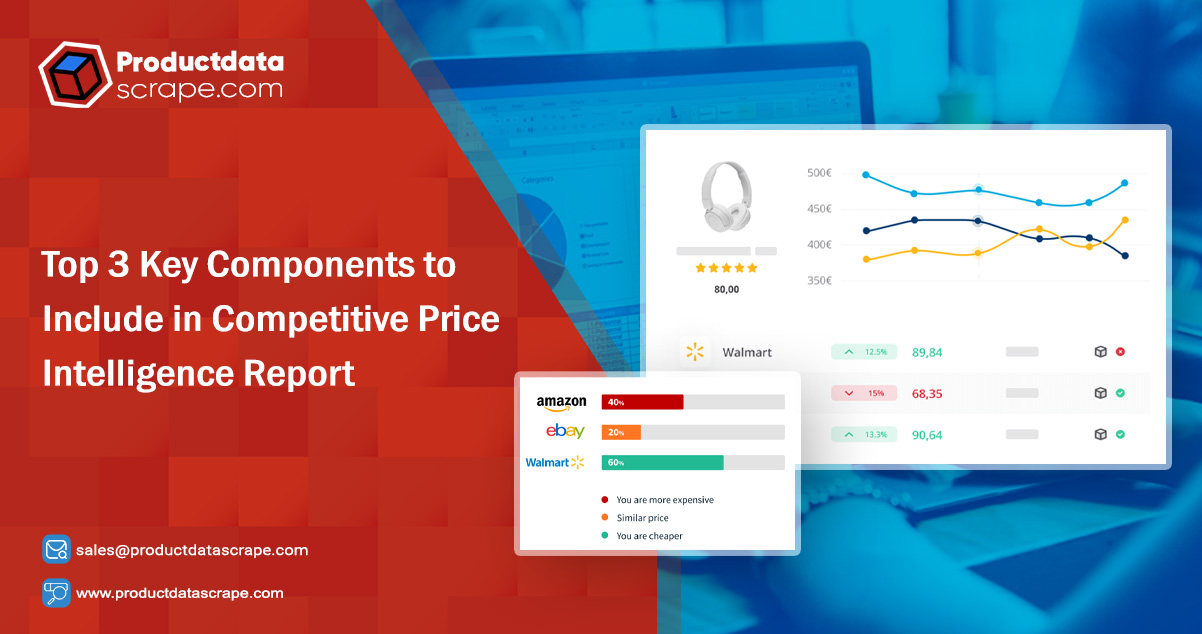
If someone asks you to report for competitive pricing intelligence, you'll need some time to sort out what information you should share in the report. It would be best to get suggestions from the client or manager about the specifics. Still, there are some essential factors that you should show in the report, like information that can help boost sales, why their products are expensive as compared to their competitors, and the key players.
Each competitive pricing intelligence report varies according to industry, niche, products, and customer base. It would be best if you understood how to create that report uniquely for your business and what you need to mention in the report.
Here, let's explore the top 3 critical factors in competitive pricing intelligence reports.
Critical Components to Include in Competitive Pricing Intelligence Report
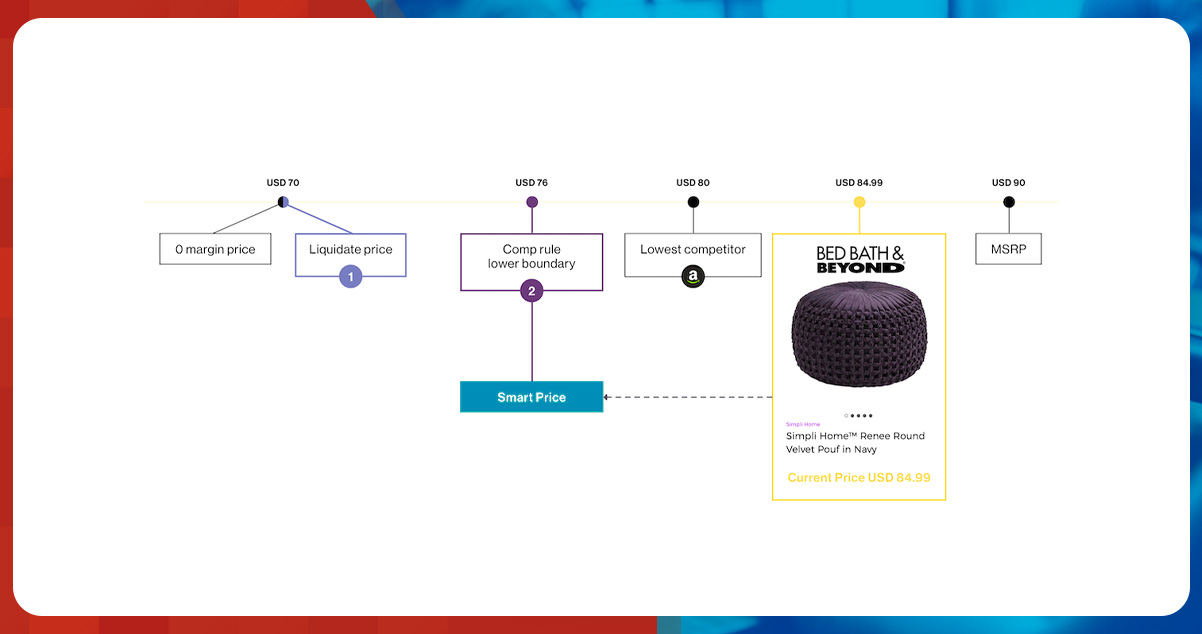
Since all companies have different business segments and requirements, the CPI report will differ. But pricing strategies, key players, and the advantages of data are the three major points you need to mention in the reports, as they are typical for all industries. We've considered them to mention in the template of our competitive price intelligence report.
Key Players of Companies
While creating a CPI report, you'll need to display how a pricing strategy of a specific company relies on key players. For instance, a manufacturer's product wholly focused on the specialty market may price higher than their rivals from the same business category. It is because their larger competitor pushes them as they want to lead the industry by attracting more customers. You can mention the list of top three manufacturers and their key players in the niche business to show how the specific company helps from the presence of those competitors because of pricing strategies.
Pricing Strategies
As product pricing is the most significant factor, You may want a PPT or handout containing detailed graphs of various pricing strategies other companies use while determining why the product has more price than competitors.
You should also note that only a few brands will employ these pricing strategies. Therefore we must explore them and learn how to use them in the report.
Impact of Pricing Strategies on Product Prices

Due to the low competition in a new industry, it is fair to set low prices initially. But as time passes and competition increases, companies start working on different ways to develop pricing strategies to generate more revenue. Here are some examples of pricing strategies.
Market Leading Pricing Strategy
Companies use the marketing leading strategy as a part of their pricing strategy if the industry has a few reputed competitors but new players still need to enter the industry. Companies prefer to keep their prices lower to dominate the market with their reputation and leadership.
Price Skimming Strategy
When a reputed company or an emerging startup launches a new product that doesn't have competition in the market and thinks that the pricing of that product won't matter much, it decides to price it higher to generate more revenue initially and then drop its price; it is the concept of price skimming. Using this strategy, companies get multiple categories of customers according to their paying potential.
Price Luring Strategy
It works similarly to the price skimming method, where companies offer products at a much higher price than the product deserves so that they can attract an extensive consumer base. The main aim of companies here is to want people to buy their products and suggest them to their friends, network using word-of-mouth advertising, and beat competitors by attracting more customers.
The Strategy with Pricing Power
Here, companies will start with low-end or middle products using a diversified product portfolio than their competitors. After entering the high-price market, they will increase product prices and maintain good relationships with buyers.
Price Escalation Strategy
A few companies use this pricing strategy, initially selling the product at low prices. As time passes, they gradually increase the product price after a specific year if they sell products reasonably. Here, companies keep making more and more money by maximizing profit in the long run.
Price Polarizing Strategy
Companies keep experimenting with prices by fluctuating them high and low depending on the market situation. Here, they primarily work on word of mouth and customer loyalty to dominate the larger market in the industry.
Merits and Demerits of Pricing Strategies
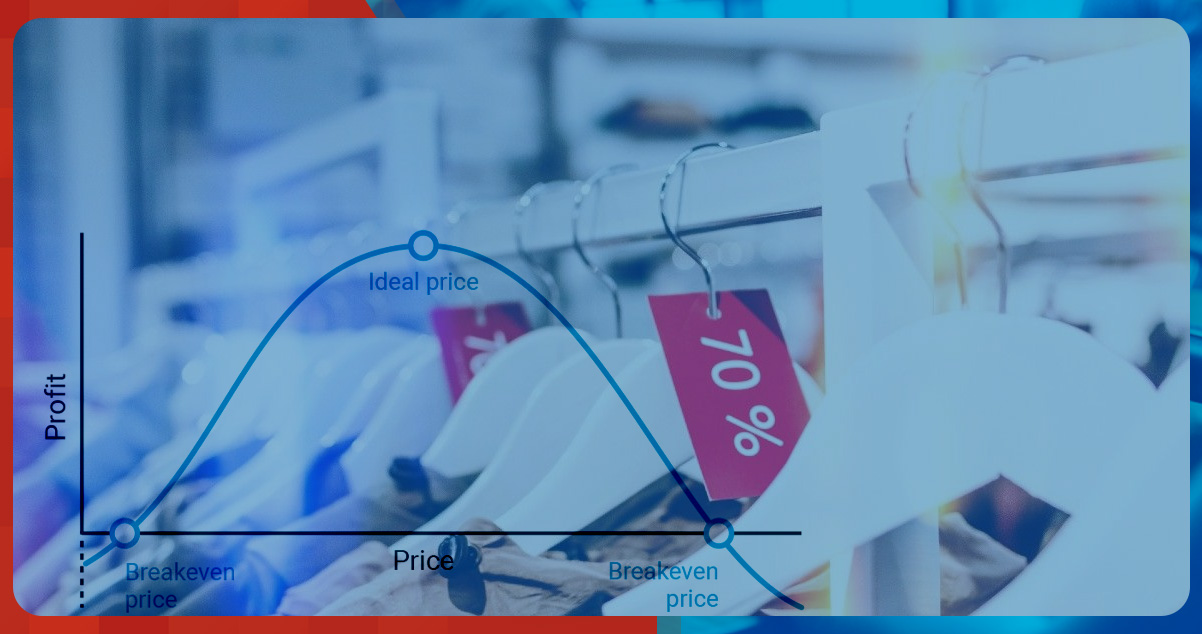
Before mentioning pricing strategies in the report, one should understand the merits and demerits of pricing strategies. Let's explore them.
Merits of Pricing Strategies
- Help companies to make more money
- Capture more market share
Demerits of Pricing Strategies
- Companies need to handle angry customers
- Competitors may create cheaper pricing strategies to fail you in the business.
In your CPI report, you can include infographics or tables to compare various pricing strategies with their advantages and disadvantages. For example, you can compare price luring vs. price skimming in your report.
Market Addressing
If you mention multiple industries and their specific points, you can address them with targeted points or industries in the appropriate section of the report.
If you create a narrow report, you can consider that your audience can understand your report enough. If your audience doesn't, you can explain with a brief description in the report or share resources so that they can find detailed information.
It is also essential to address common questions or objects while sharing pricing strategies of other companies that you can know using competitor price monitoring in the form of a list of facts or infographics.
Conclusion
Here, we've shared the key factors to consider while writing a comprehensive report for competitive pricing intelligence. These factors mainly depend on competitor pricing strategies, their merits, and their demerits—contact Product Data Scrape for eCommerce data scraping for competitive price intelligence.



 Singapore
 EMAIL
EMAIL
 PHONE
PHONE













.webp)