Introduction
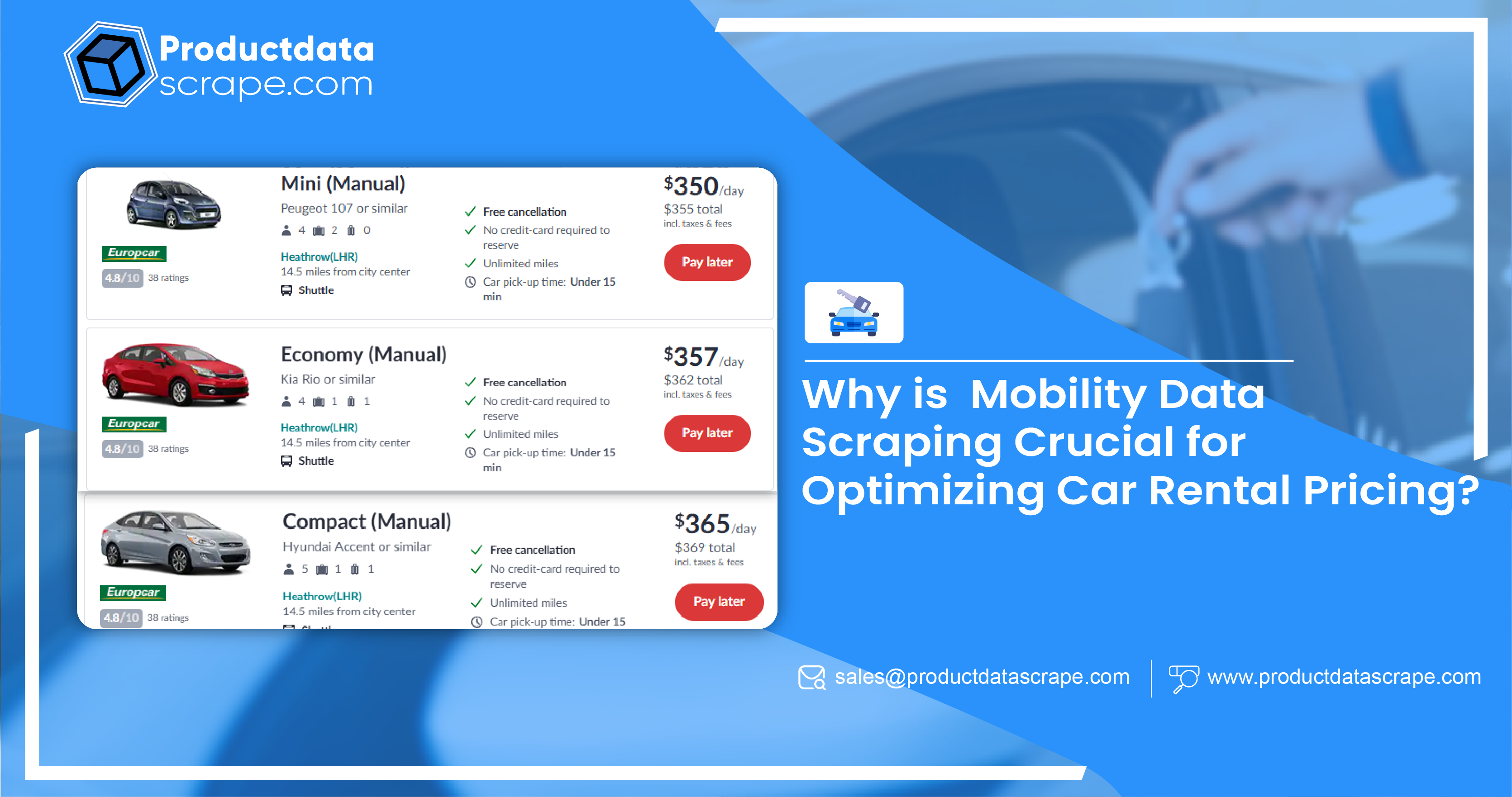
The car rental industry is evolving rapidly due to technological advancements. A major challenge faced by car rental businesses is optimizing pricing to stay competitive and profitable. Dynamic pricing is essential, taking into account various factors such as market trends, customer demand, competitor pricing, weather conditions, and local events. Traditional pricing methods are increasingly inadequate in this fast-paced environment, which is where mobility data scraping becomes crucial. Web scraping for mobility insights allows businesses to collect real-time data from competitors, transportation platforms, and external factors influencing demand. Data scraping for car rental trends provides valuable information on pricing fluctuations, vehicle availability, and customer preferences. By leveraging this data, car rental companies can dynamically adjust their pricing, anticipate demand spikes, and optimize fleet utilization. Mobility data scraping ensures that rental businesses remain agile, making data-driven decisions that maximize revenue while staying competitive in a constantly changing market.
What is Mobility Data Scraping?
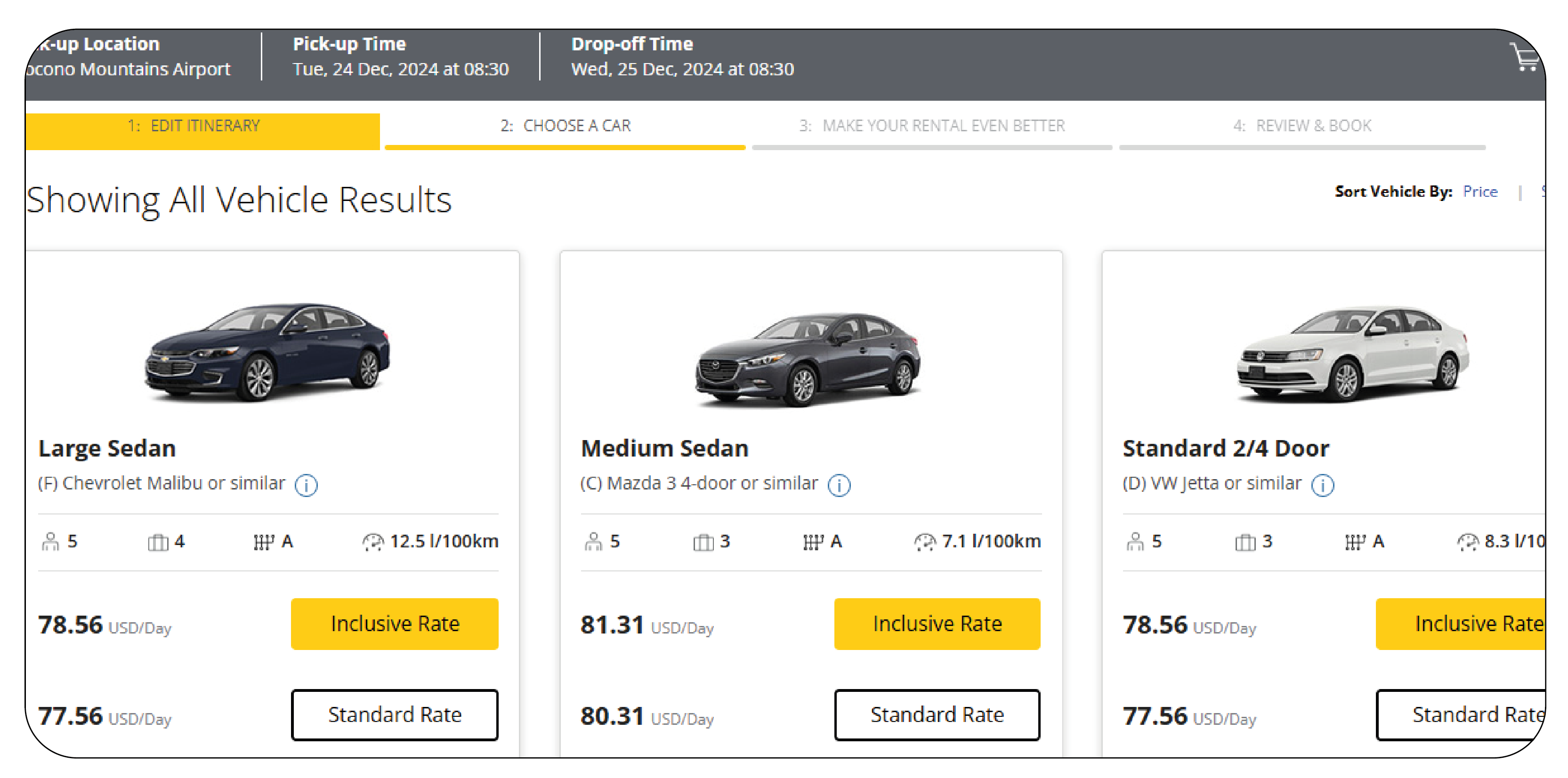
Mobility data scraping involves extracting data related to transportation services, vehicles, and related factors that influence mobility, such as customer preferences, demand, pricing, and market trends. For car rental businesses, mobility data scraping refers to the process of collecting data from various online platforms, including competitors’ websites, ride-hailing services, and other related sources, to gain insights into market behavior and optimize pricing strategies. Through web scraping for car rental pricing, car rental companies can automate the process of gathering real-time data, which helps in monitoring and adjusting prices instantly. By scraping data from diverse sources, car rental companies can gather information about competitor pricing, local demand, vehicle availability, and more, allowing for data-driven decisions that improve profitability and customer satisfaction. Car rental industry data scraping enables businesses to track competitor movements and customer trends, while real-time mobility data extraction provides crucial insights into price fluctuations and demand patterns.
Why Mobility Data Scraping is Essential for Car Rental Pricing
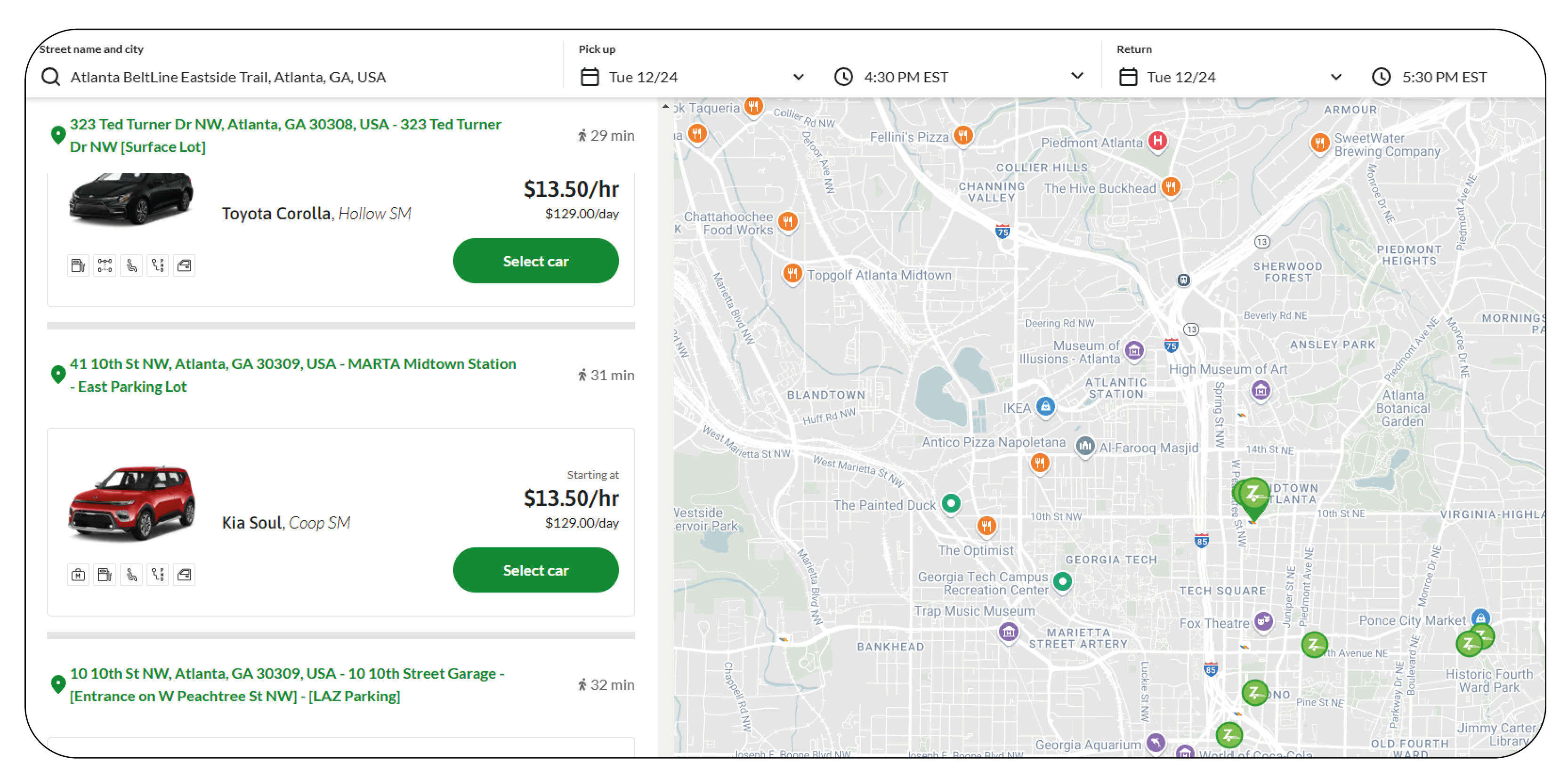
Mobility data scraping is crucial for optimizing car rental pricing. By gathering real-time insights from competitors, customer demand, and market trends, businesses can adjust prices dynamically, ensuring competitiveness and profitability while improving customer satisfaction and operational efficiency.
Competitive Pricing Strategy
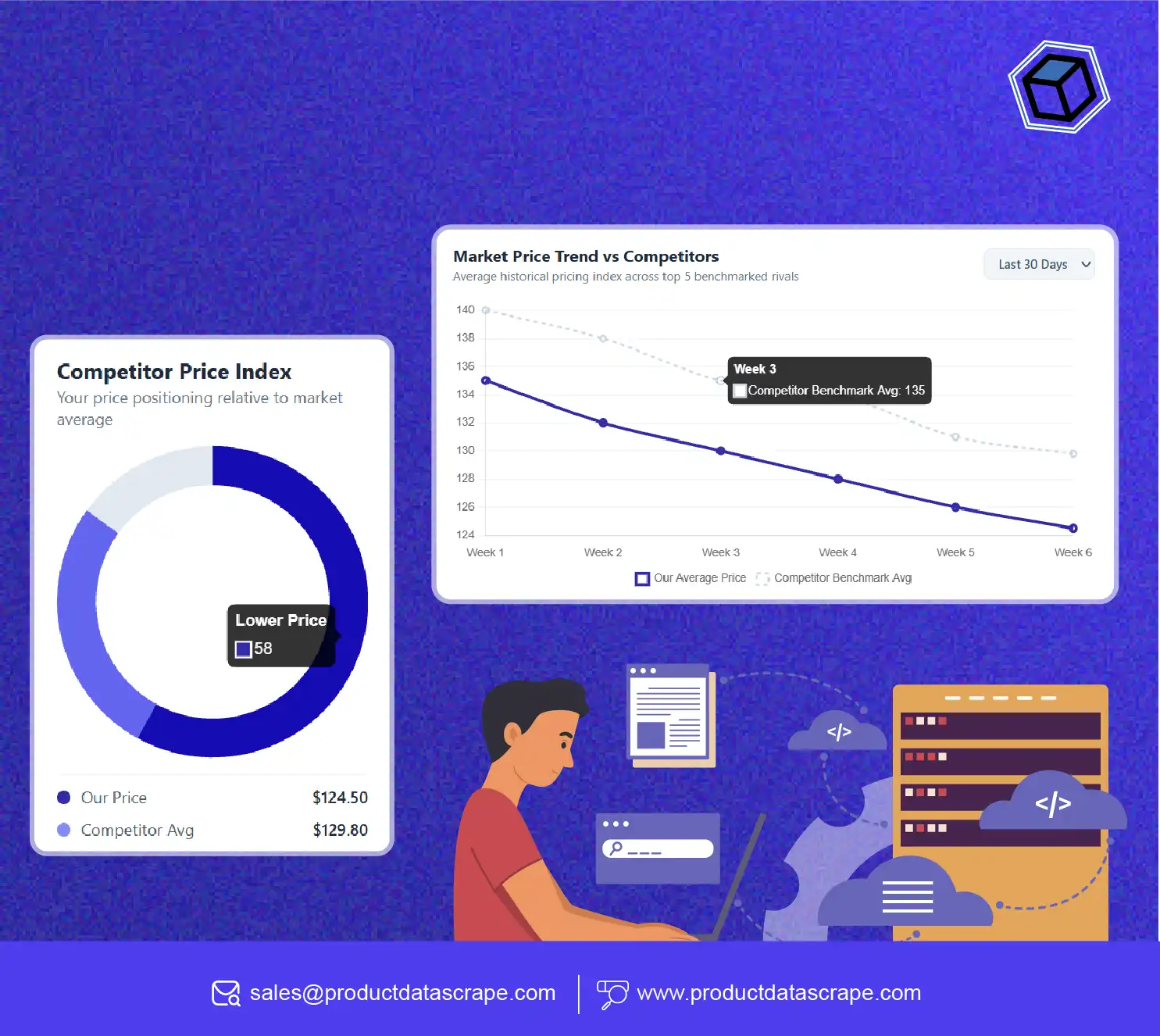
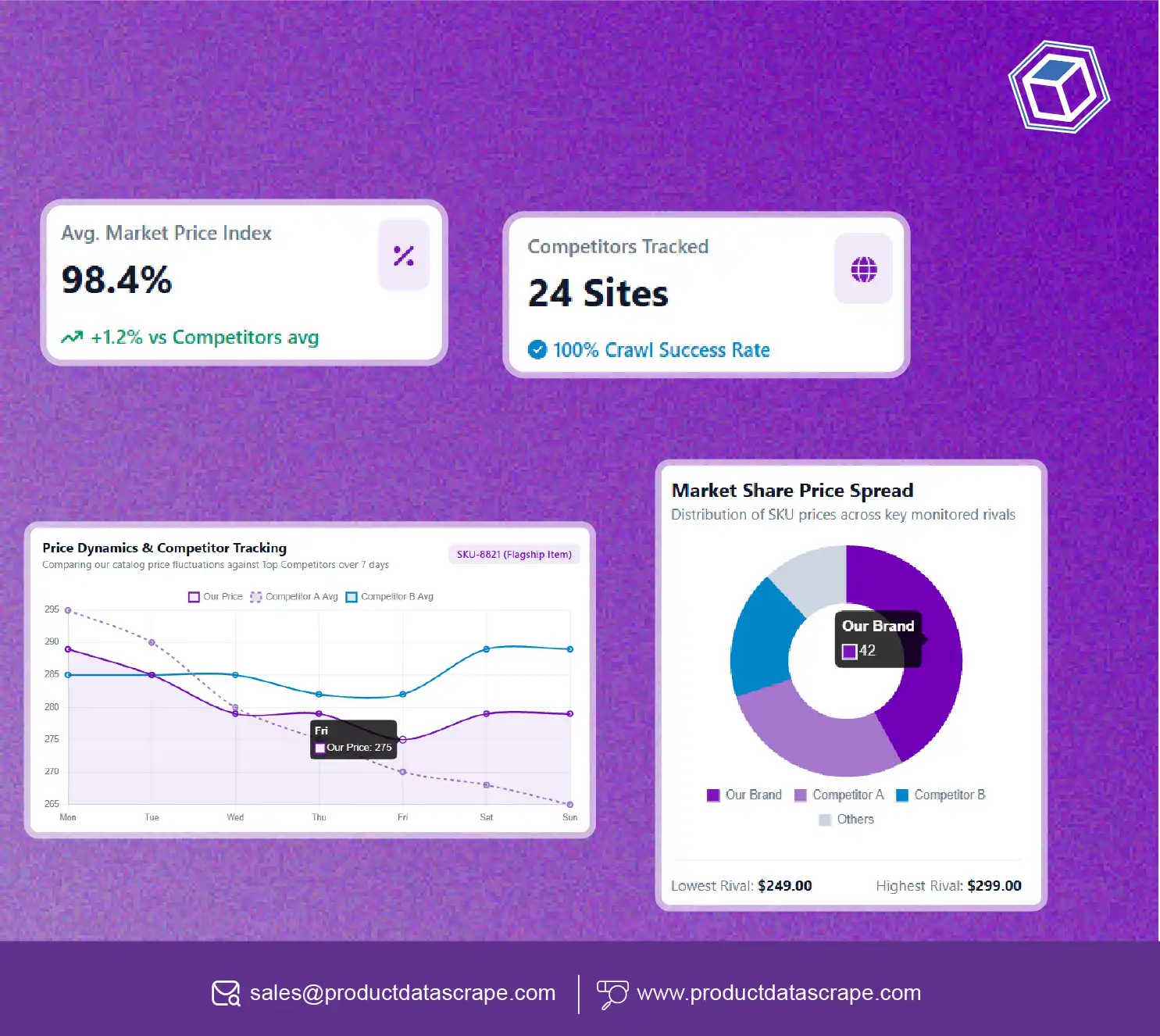
Competition is fierce in the car rental market, with numerous players offering similar services. Price-sensitive customers often compare prices across different providers before making a booking decision. Mobility data scraping helps car rental companies monitor competitors’ pricing in real time. This enables them to adjust their rates dynamically and offer competitive prices without compromising on profitability.
Scraping data from competitor websites helps businesses identify pricing trends, discounts, and promotional offers. For example, if a competitor lowers their prices for a specific vehicle category or location, a car rental company can adjust its rates accordingly, ensuring it remains competitive. Moreover, web scraping automotive data can help identify price fluctuations based on demand patterns, seasonality, and customer preferences, providing insights for smarter pricing decisions.
Demand Forecasting
One of the most challenging aspects of car rental pricing is predicting demand accurately. Pricing too high during low-demand periods or too low during peak periods can result in missed revenue opportunities. Mobility data scraping helps businesses forecast demand trends more accurately by collecting data from various sources such as ride-sharing platforms, local events, weather forecasts, and even online customer reviews.
For instance, scraping weather data can help rental companies anticipate demand spikes due to good weather conditions, holidays, or special events in specific locations. Additionally, understanding local tourism trends and events such as concerts, festivals, or conventions can help car rental businesses forecast periods of high demand. By monitoring demand patterns in real-time, businesses can adjust their prices to capture maximum revenue during peak demand and remain competitive during off-peak periods. Extract automotive data from weather forecasts and local events to further refine pricing strategies.
Real-Time Price Adjustment
In the dynamic world of car rentals, real-time price adjustments are crucial for maximizing revenue. Web scraping e-commerce websites enables car rental companies to implement real-time price adjustments based on current market conditions. For example, if demand for rental cars increases in a particular area due to a local event or weather conditions, the rental price can be automatically adjusted to reflect the surge in demand.
Similarly, if the competitor’s pricing fluctuates, scraping data allows businesses to track these changes in real time and adjust their rates accordingly. Real-time price optimization helps businesses avoid overcharging during low demand or underpricing during high demand, ensuring that they maximize their revenue potential without losing customers to competitors. E-commerce dataset scraping can be leveraged for identifying trends and adjusting prices promptly, boosting revenue.
Understanding Customer Preferences
In the modern age of personalized experiences, understanding customer preferences plays a significant role in pricing optimization. Mobility data scraping allows car rental companies to gather insights into what customers value most when renting cars, such as vehicle types, rental durations, price points, and additional services like insurance or GPS. By analyzing customer reviews, ratings, and social media feedback, businesses can identify key factors that influence customer decisions.
For example, scraping social media platforms and online reviews allows rental companies to understand which car models are most in demand, which locations are popular, and which features customers prefer. This data can be used to tailor pricing strategies and adjust the availability of certain vehicles based on demand. Personalized pricing can also be implemented, offering discounts to loyal customers or offering special rates based on booking history.
Optimizing Fleet Utilization
Fleet utilization is another key factor in pricing optimization. Car rental companies want to maximize the usage of their fleet while avoiding overstocking or underutilizing certain vehicle types. Web scraping automotive data helps in tracking vehicle availability across different locations, customer preferences, and competitor offerings.
By scraping data related to the availability of vehicles, such as which cars are in high demand in specific locations, rental companies can optimize their fleet. For instance, if one type of car is being rented more frequently in a particular city, the rental company can increase the number of similar vehicles in that location, ensuring better utilization and maximizing revenue.
Geographic and Temporal Insights
Mobility data scraping can provide valuable geographic and temporal insights. Pricing can fluctuate not only due to demand but also because of geographic differences in market behavior. For example, rental prices in metropolitan areas may be higher due to greater demand, while prices in rural areas may need to be adjusted lower to remain competitive.
Additionally, temporal factors such as peak seasons, weekends, holidays, and special events play a crucial role in pricing decisions. By scraping data about these factors, rental companies can adjust prices according to geographic location and specific time periods, ensuring that they are offering competitive prices while also capitalizing on periods of high demand.
Implementing Mobility Data Scraping for Car Rental Pricing
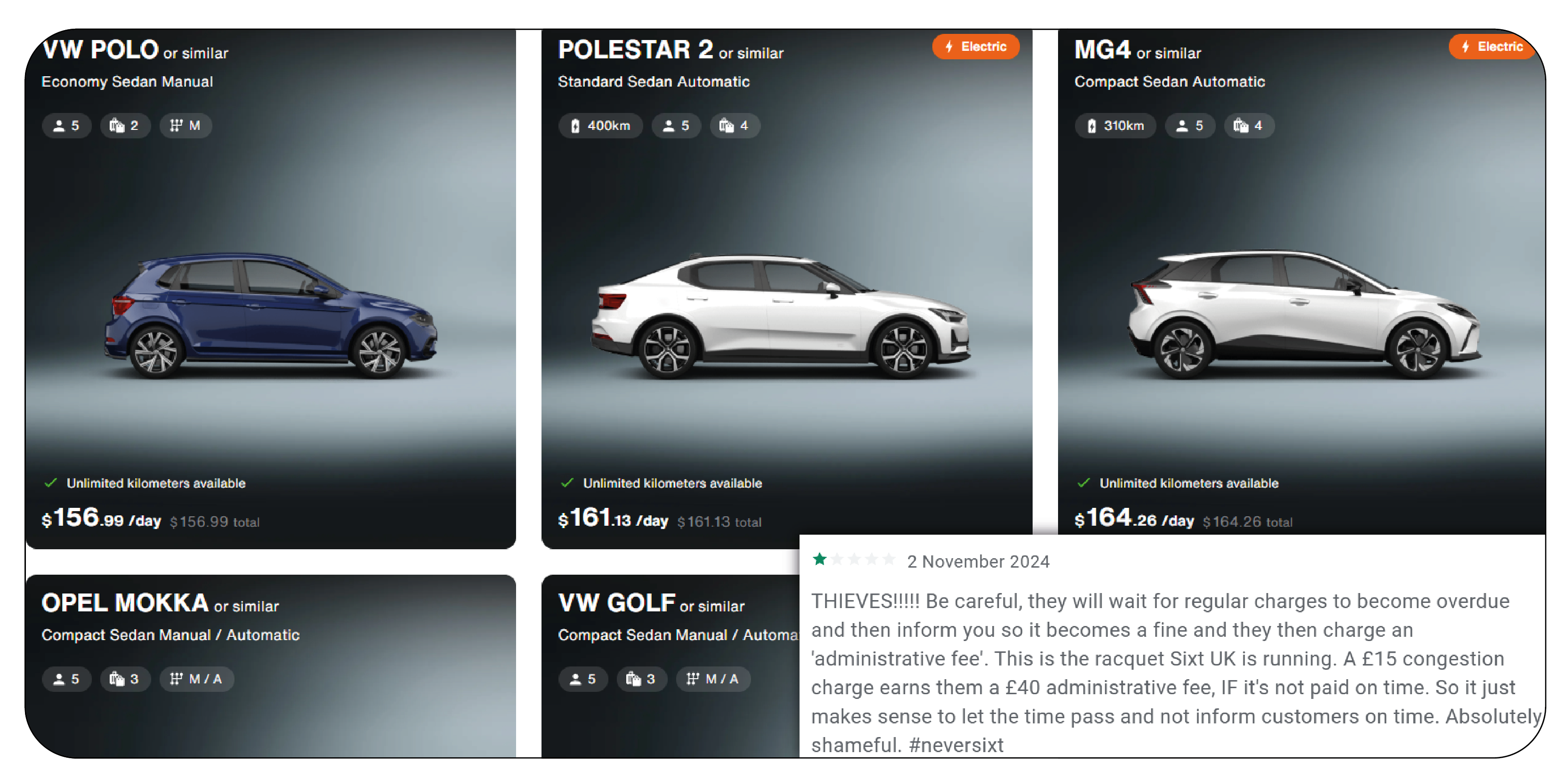
To make mobility data scraping an effective part of car rental pricing strategies, companies need to set up a reliable and scalable web scraping infrastructure. The first step is identifying the sources of data. These may include competitors’ websites, travel platforms, ride-sharing apps, local event websites, and even social media platforms. Once data sources are identified, web scraping tools and APIs can be used to automate the extraction process and collect the relevant data at regular intervals.
The data collected can then be processed and analyzed to derive insights. Tools such as machine learning algorithms and artificial intelligence can be employed to identify patterns in pricing, customer behavior, and demand trends. By integrating these insights into dynamic pricing models, rental companies can make data-driven decisions and adjust their prices in real time.
Ethical Considerations in Mobility Data Scraping

While mobility data scraping offers immense benefits, it’s essential for businesses to consider the ethical implications of scraping data. Unauthorized scraping or scraping data from websites without permission may violate terms of service agreements and legal regulations, leading to potential legal action. Companies must ensure that they are scraping data responsibly and within legal boundaries, and that they respect privacy concerns when handling customer data.
Additionally, businesses should ensure that their scraping operations do not harm the websites they are extracting data from. Overloading a website with excessive scraping requests can negatively affect its performance and user experience. To avoid these issues, businesses should implement rate limiting and other techniques to ensure responsible scraping.
Conclusion
Mobility data scraping has the potential to revolutionize pricing strategies in the car rental industry. By collecting and analyzing real-time data from a variety of sources, car rental companies can gain valuable insights into competitor pricing, demand forecasting, customer preferences, and fleet utilization. This allows them to implement dynamic pricing models that maximize revenue while remaining competitive in a fast-paced, ever-changing market.
However, it’s crucial for businesses to implement scraping ethically and responsibly, respecting legal boundaries and the integrity of the data sources. By doing so, companies can unlock the full potential of mobility data scraping to optimize their pricing strategies and stay ahead in the competitive car rental industry.
At Product Data Scrape, we strongly emphasize ethical practices across all our services, including Competitor Price Monitoring and Mobile App Data Scraping. Our commitment to transparency and integrity is at the heart of everything we do. With a global presence and a focus on personalized solutions, we aim to exceed client expectations and drive success in data analytics. Our dedication to ethical principles ensures that our operations are both responsible and effective.



 Singapore
 EMAIL
EMAIL
 PHONE
PHONE


.webp)









.webp)