Introduction
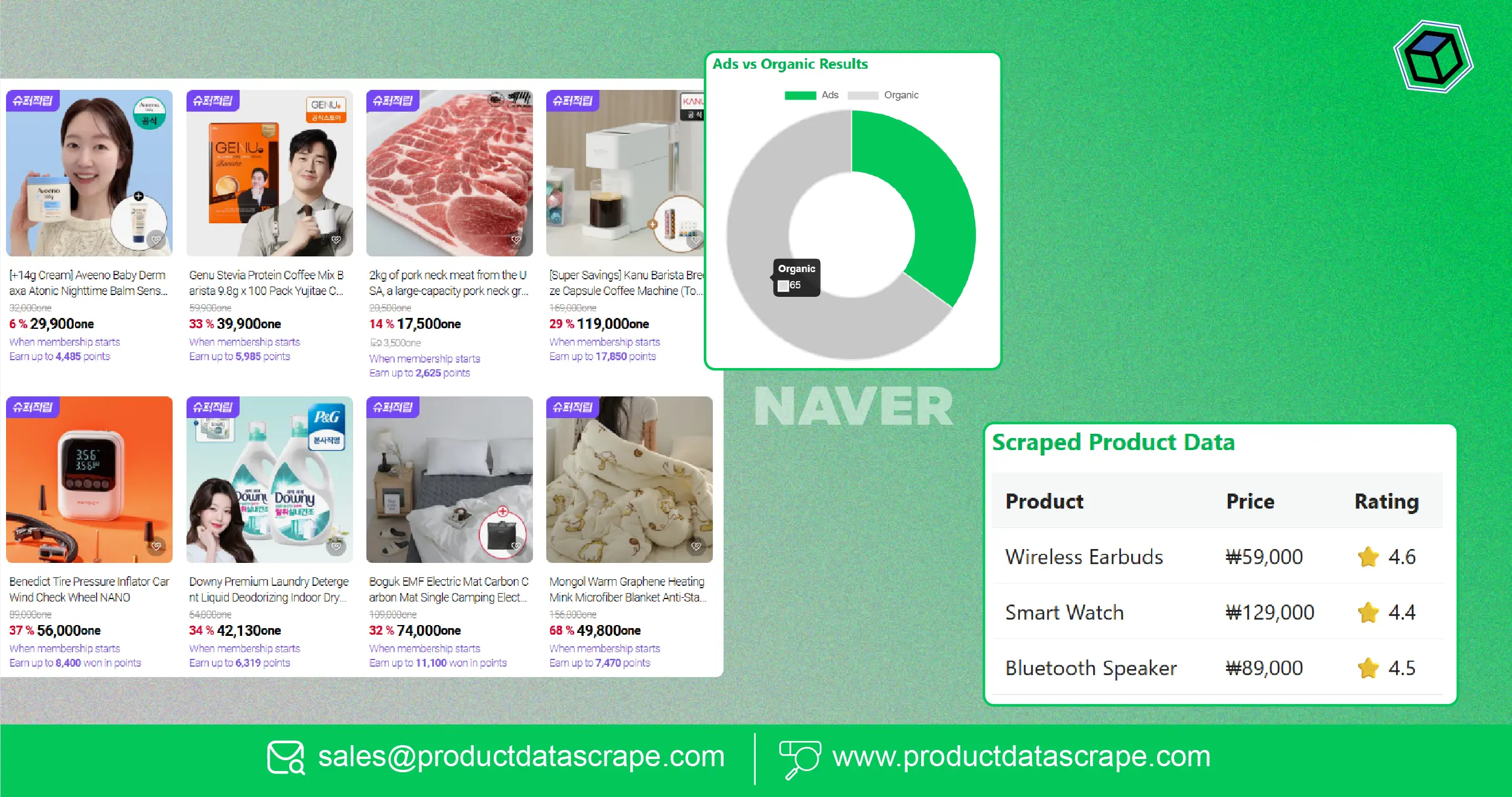
South Korea’s digital economy is driven heavily by Naver, making it a goldmine for brands, analysts, and eCommerce sellers seeking actionable insights. With millions of daily searches, product comparisons, image results, and sponsored ads, Naver offers an unmatched view of consumer behavior. Leveraging Naver Web Scraping with Python enables businesses to collect structured data at scale, transforming unstructured pages into competitive intelligence. From price benchmarking to visual trend tracking, automated scraping reduces manual research and improves decision speed. Companies can also Extract Naver E-Commerce Product Data to understand pricing shifts, ad placement strategies, and category-level growth. As competition intensifies in 2025, data-backed strategies powered by Python scraping are becoming essential for marketing, retail optimization, and product intelligence teams.
Understanding Market Visibility Through Listings
Scraping product listings helps brands uncover how items are positioned, priced, and promoted across Naver Shopping. By using Scrape Naver Product Listing Data, businesses gain access to product names, prices, seller ratings, stock status, and promotional tags. This data enables accurate competitor analysis and helps sellers refine their merchandising strategies. Over time, listing data reveals seasonal demand spikes, pricing volatility, and the impact of promotions. Python-based automation ensures continuous data flow without manual intervention, supporting real-time insights for pricing and assortment decisions.
Naver Product Listings Growth (2020–2025)
| Year |
Active Listings (Millions) |
Avg. Price Volatility (%) |
| 2020 |
45 |
6.2 |
| 2021 |
52 |
7.1 |
| 2022 |
60 |
8.5 |
| 2023 |
68 |
9.4 |
| 2024 |
74 |
10.2 |
| 2025 |
81 |
11.6 |
Between 2020 and 2025, product listings grew by over 80%, highlighting the importance of scalable data extraction for competitive benchmarking.
Capturing User Intent Across Channels
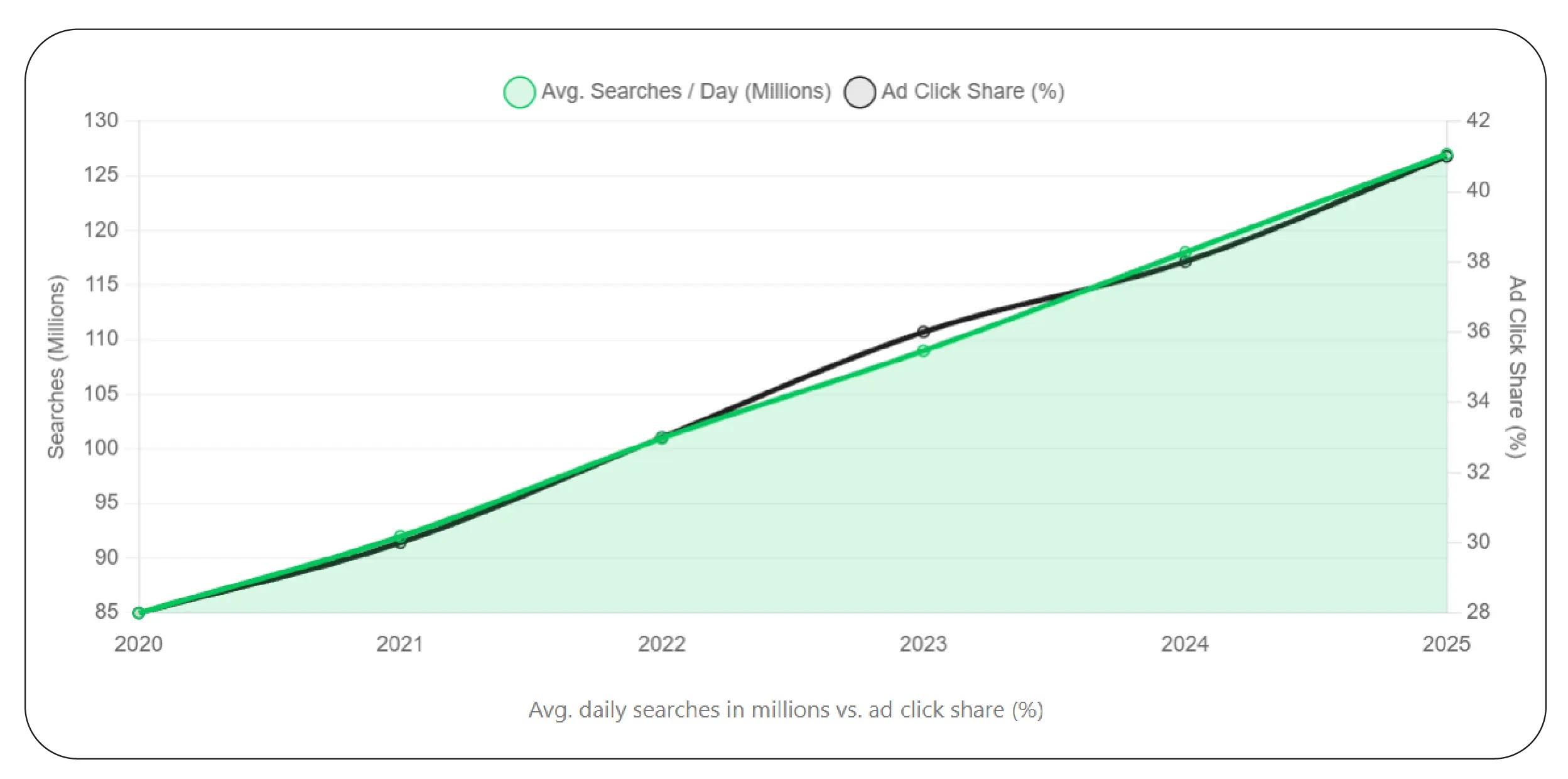
Modern shoppers interact with multiple content types before purchasing. With Scrape Naver Search, Product Listings, Images & Ads Data, businesses can map the entire buyer journey. Search results show keyword popularity, images reveal visual merchandising trends, and ads highlight paid competition. Python scrapers can capture ranking positions, ad frequency, image metadata, and product placement across SERPs. This unified dataset enables marketers to align SEO, visual branding, and ad spend effectively.
Search & Ad Interaction Trends on Naver (2020–2025)
| Year |
Avg. Searches/Day (Millions) |
Ad Click Share (%) |
| 2020 |
85 |
28 |
| 2021 |
92 |
30 |
| 2022 |
101 |
33 |
| 2023 |
109 |
36 |
| 2024 |
118 |
38 |
| 2025 |
127 |
41 |
The growing ad click share indicates rising competition, making search and ad data scraping critical for ROI optimization.
Expanding Beyond Regional Platforms
While Naver dominates South Korea, businesses often operate across multiple global platforms. Python frameworks allow teams to Scrape Data From Any Ecommerce Websites, standardizing data from different sources into a unified format. This cross-platform approach helps brands compare pricing strategies, product descriptions, and promotional mechanics internationally. Automated pipelines reduce dependency on manual audits and enable global market intelligence at scale.
Global eCommerce Data Collection Adoption (2020–2025)
| Year |
Brands Using Scraping (%) |
Avg. Platforms Monitored |
| 2020 |
34 |
3 |
| 2021 |
41 |
4 |
| 2022 |
49 |
5 |
| 2023 |
57 |
6 |
| 2024 |
64 |
7 |
| 2025 |
72 |
8 |
By 2025, over 70% of brands rely on multi-platform data scraping to drive strategic decisions.
Visual and Search Intelligence at Scale
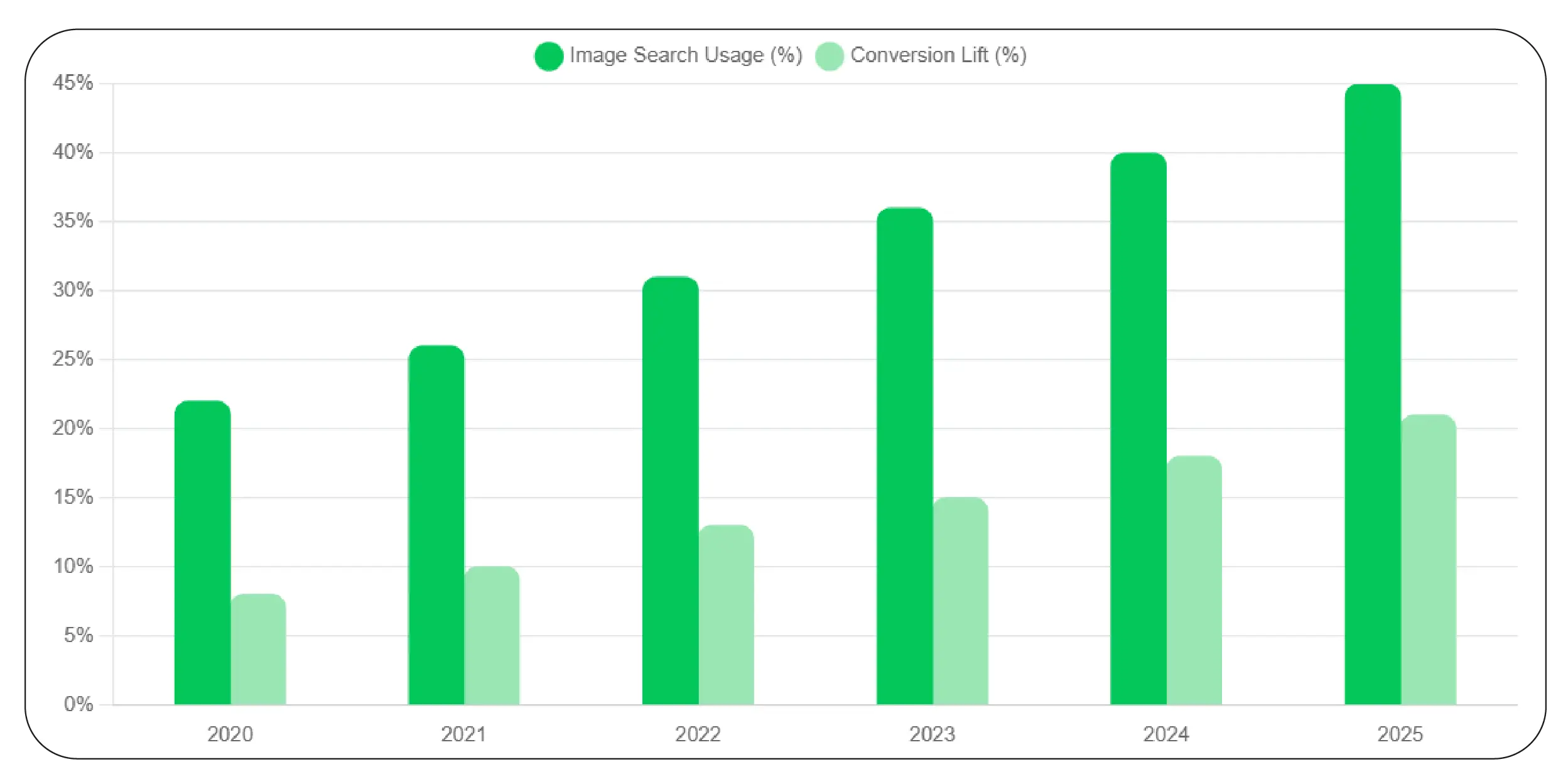
Visual content plays a decisive role in purchase decisions. By Collect Naver Search, Image & Product Data, companies can analyze which images rank higher, what styles resonate with users, and how visual elements influence conversions. Python scrapers extract image URLs, alt text, search rankings, and associated product data, enabling AI-driven image analysis and creative optimization. This approach supports branding teams in refining imagery that aligns with consumer preferences.
Image-Based Shopping Influence (2020–2025)
| Year |
Image Search Usage (%) |
Conversion Lift (%) |
| 2020 |
22 |
8 |
| 2021 |
26 |
10 |
| 2022 |
31 |
13 |
| 2023 |
36 |
15 |
| 2024 |
40 |
18 |
| 2025 |
45 |
21 |
The data shows a strong correlation between visual engagement and higher conversion rates.
Python-Powered Extraction for Precision
Automation accuracy improves significantly with Naver product data extraction using Python. Python libraries like Requests, BeautifulSoup, and Selenium enable structured data collection from dynamic pages. Scrapers can handle pagination, JavaScript rendering, and anti-bot measures while maintaining data integrity. This ensures consistent, clean datasets suitable for analytics, dashboards, and AI models.
Python Scraping Efficiency Metrics (2020–2025)
| Year |
Avg. Data Accuracy (%) |
Processing Time Reduction (%) |
| 2020 |
87 |
18 |
| 2021 |
89 |
24 |
| 2022 |
91 |
31 |
| 2023 |
93 |
38 |
| 2024 |
95 |
44 |
| 2025 |
97 |
51 |
Improved efficiency allows businesses to react faster to market changes.
Monitoring Prices Without Manual Effort
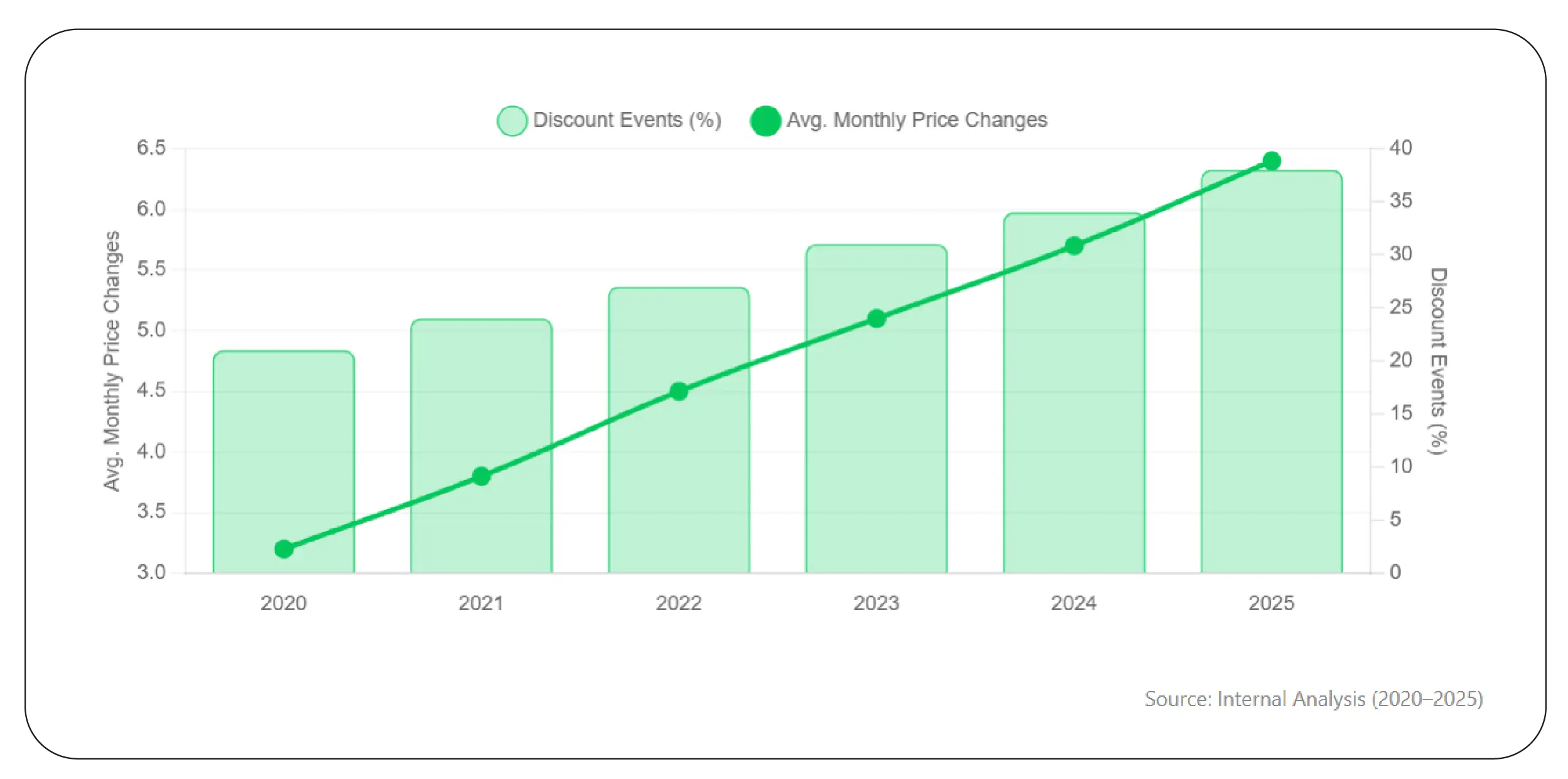
Dynamic pricing is now standard across online marketplaces. With an Automated Naver product price tracking scraper, companies can monitor price fluctuations, discounts, and seller competition in real time. Python automation eliminates manual checks and supports alert-based systems for instant action. Retailers can optimize pricing strategies, while brands ensure compliance with MAP policies.
Price Change Frequency on Naver (2020–2025)
| Year |
Avg. Monthly Price Changes |
Discount Events (%) |
| 2020 |
3.2 |
21 |
| 2021 |
3.8 |
24 |
| 2022 |
4.5 |
27 |
| 2023 |
5.1 |
31 |
| 2024 |
5.7 |
34 |
| 2025 |
6.4 |
38 |
Frequent price changes highlight the need for automated tracking solutions.
Why Choose Product Data Scrape?
Product Data Scrape delivers scalable, compliant, and accurate data solutions tailored to complex platforms like Naver. Our expertise in Naver web data extraction for marketing ensures businesses gain deep consumer insights without technical overhead. Using advanced Naver Web Scraping with Python frameworks, we provide clean, structured datasets ready for analytics, AI, and BI tools. From product intelligence to ad monitoring, our solutions empower brands to stay competitive, reduce research costs, and make faster, data-driven decisions in rapidly evolving digital markets.
Conclusion
Naver continues to shape digital commerce trends in South Korea, making data extraction a strategic necessity. Python-based scraping unlocks valuable insights across search, products, images, and ads, enabling smarter pricing, marketing, and merchandising decisions. With access to a comprehensive Naver eCommerce Product and Pricing Dataset, businesses can predict trends, optimize campaigns, and outperform competitors. Ready to transform raw Naver data into business intelligence? Contact us today to get started with automated, scalable scraping solutions tailored to your goals.
FAQs
1. What data can be extracted from Naver using Python?
Python scrapers can collect search results, product listings, prices, images, ads, seller ratings, and rankings, enabling complete market intelligence and performance tracking.
2. Is Naver scraping useful for marketing teams?
Yes, it supports keyword research, ad monitoring, visual trend analysis, and competitor benchmarking for more effective marketing strategies.
3. How often should Naver data be scraped?
Most businesses scrape daily or weekly, depending on price volatility, ad competition, and campaign monitoring requirements.
4. Is Python suitable for large-scale scraping projects?
Python is highly scalable and supports automation, scheduling, and integration with analytics tools for enterprise-level scraping.
5. Which service provides reliable Naver scraping solutions?
Many enterprises trust Product Data Scrape for compliant, scalable Naver scraping solutions tailored to analytics, pricing, and marketing use cases.


 Singapore
 EMAIL
EMAIL
 PHONE
PHONE


.webp "thumb")
.webp "thumb")








.webp)