Introduction
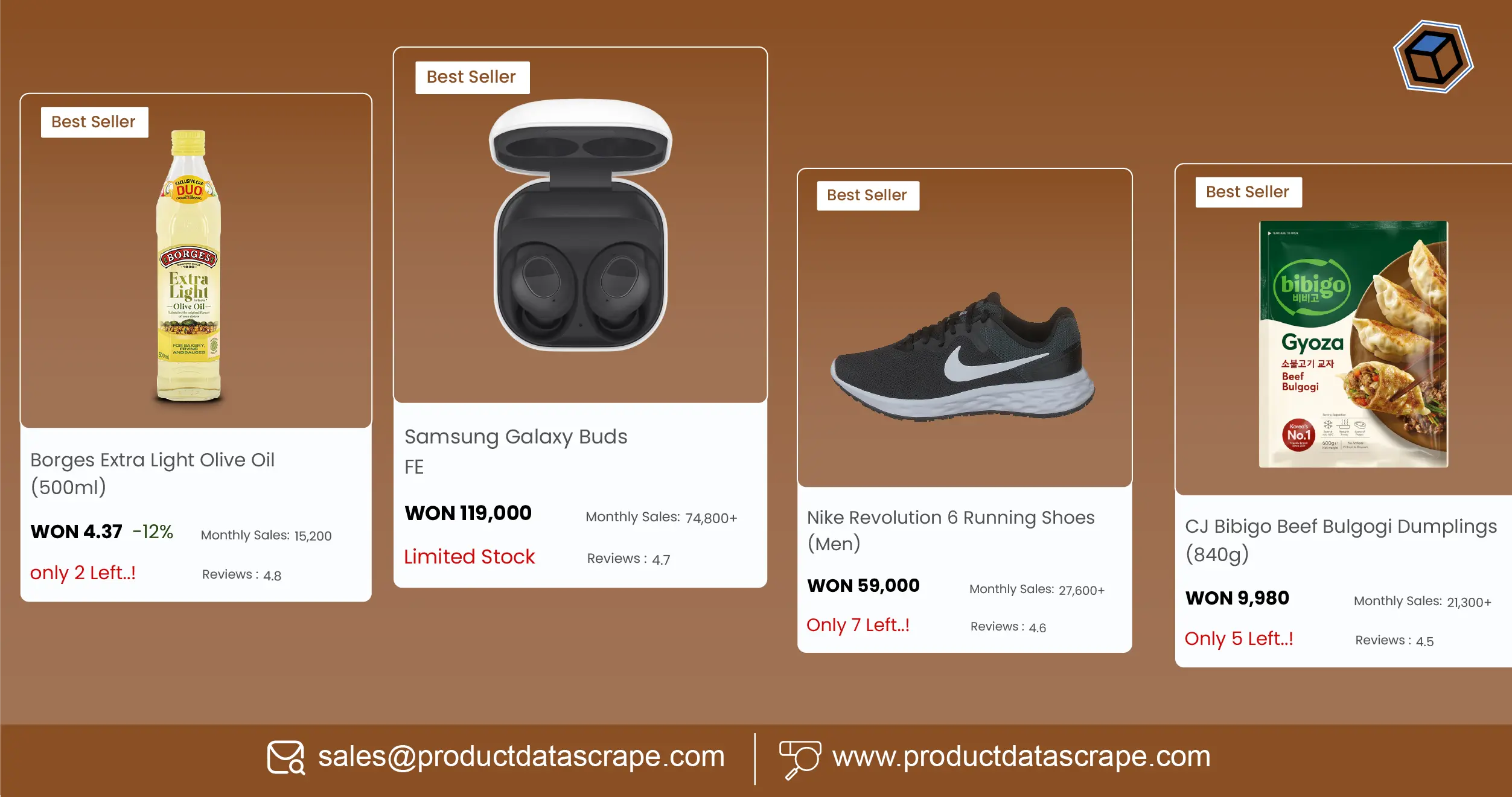
In today’s competitive e-commerce market, managing inventory and pricing effectively is crucial for maximizing profits. Coupang Best Seller Product Data Scraping enables sellers to track top-performing products, monitor price fluctuations, and analyze demand trends with ease. By leveraging automated tools for web scraping e-commerce websites, businesses can collect structured data from thousands of listings, including product names, categories, reviews, ratings, and pricing history. This not only reduces manual effort but also ensures real-time, accurate insights for decision-making. From identifying high-demand products to forecasting inventory requirements, automated scraping provides the foundation for smarter strategies. For e-commerce entrepreneurs, resellers, and brand managers, integrating data scraping into operations allows them to stay competitive, optimize pricing, prevent stockouts, and respond rapidly to market changes. Structured datasets empower businesses to analyze trends from historical data, making inventory and pricing management more efficient and profitable.
Understanding Market Trends
Tracking market dynamics helps resellers predict demand and adjust inventory accordingly. Using web scraping Coupang best-selling products and a Coupang product review scraper by URL, sellers can gather insights from 2020 to 2026. For example, electronics experienced steady growth of 12–15% annually, while home appliances saw spikes up to 20% during seasonal promotions. By analyzing historical data, sellers can identify top-performing products and anticipate future trends. Tables comparing average prices, review counts, and ratings across years reveal patterns in consumer behavior. For instance, products with over 500 reviews consistently maintained higher resale values, while low-rated items often faced depreciation. Automated scraping ensures timely updates and accurate data collection across thousands of listings. This data-driven approach allows businesses to prioritize inventory procurement, optimize stock levels, and identify emerging product opportunities. Leveraging insights from trend analysis enables smarter pricing and inventory decisions, reducing losses and increasing profitability in a dynamic e-commerce environment.
Sample Table: Average Product Price and Reviews (2020–2026)
| Year |
Electronics ($) |
Home Appliances ($) |
Fashion ($) |
Avg Reviews |
| 2020 |
120 |
90 |
50 |
300 |
| 2021 |
130 |
100 |
55 |
350 |
| 2022 |
140 |
110 |
60 |
420 |
| 2023 |
150 |
115 |
62 |
480 |
| 2024 |
155 |
120 |
65 |
520 |
| 2025 |
160 |
125 |
68 |
570 |
| 2026 |
165 |
130 |
70 |
600 |
Optimizing Price Strategies
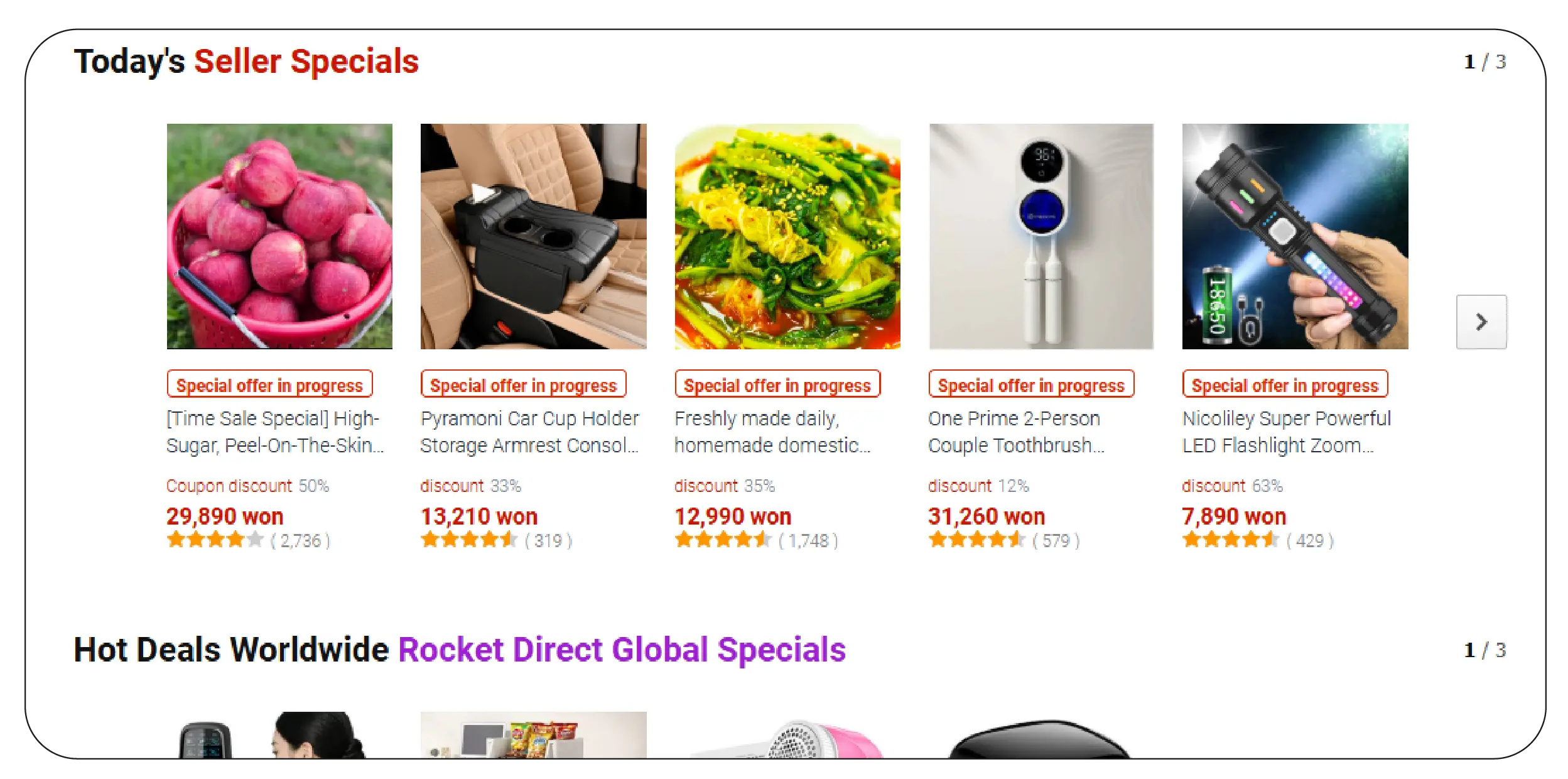
Pricing directly affects competitiveness and profitability. By using scrape best-selling product data from Coupang and tools to extract Coupang.com e-commerce product data, sellers can monitor pricing trends, competitor adjustments, and promotional offers. Historical data from 2020–2026 indicates that dynamic pricing strategies increased revenue by 18–22% for electronics and home goods. Automation allows tracking thousands of listings in real time, ensuring timely updates. Pricing trends can be visualized in charts to identify seasonal surges, underpriced items, or products with high resale potential. By adjusting prices based on historical and real-time data, sellers avoid overpricing low-demand products or underpricing high-demand ones. This strategy reduces stockouts, maximizes margins, and maintains market competitiveness. Combined with inventory insights, automated pricing analysis ensures strategic, data-driven decisions for resellers and brand managers.
Managing Inventory Effectively
Maintaining optimal inventory levels requires accurate product and sales insights. Using Coupang product price data extraction and eCommerce dataset analysis, businesses can forecast demand and adjust stock accordingly. For example, products in fashion and electronics categories with consistent sales growth from 2020 to 2026 required proactive restocking to prevent shortages. Automated scraping provides insights into product popularity, price trends, and historical demand patterns. Structured data enables inventory alerts, helping sellers avoid overstocking or understocking. Visual dashboards allow resellers to prioritize high-demand products while monitoring slow-moving items. By integrating automated data collection with inventory management, sellers reduce holding costs, prevent lost sales, and maintain customer satisfaction. This approach ensures efficient resource allocation and strategic planning in highly competitive e-commerce marketplaces like Coupang.
Sample Table: Inventory Turnover (2020–2026)
| Year |
Electronics |
Home Appliances |
Fashion |
| 2020 |
5.2 |
4.5 |
3.8 |
| 2021 |
5.5 |
4.8 |
4.0 |
| 2022 |
5.8 |
5.0 |
4.3 |
| 2023 |
6.0 |
5.2 |
4.5 |
| 2024 |
6.2 |
5.5 |
4.7 |
| 2025 |
6.5 |
5.7 |
4.9 |
| 2026 |
6.8 |
6.0 |
5.1 |
Competitive Intelligence
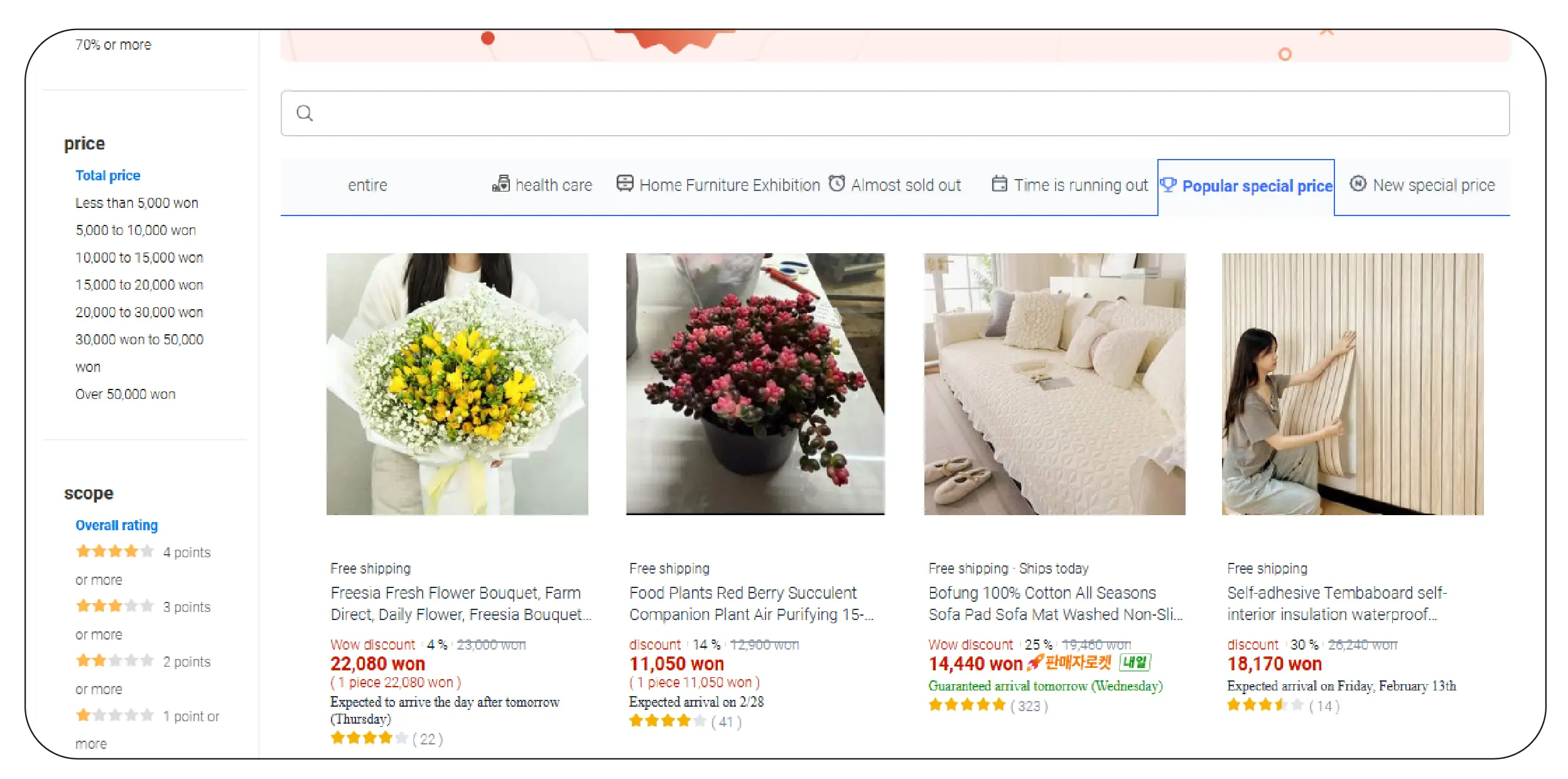
Staying ahead of competitors requires continuous monitoring. Using a best-selling product scraper from Coupang, sellers can track competitor pricing, ratings, and promotional strategies. Between 2020 and 2026, analysis revealed that top-performing sellers frequently adjusted pricing in response to market trends, capturing higher revenue margins. Automated competitor insights allow resellers to benchmark performance, identify gaps, and adjust marketing campaigns effectively. Historical data indicates that businesses leveraging competitor intelligence achieved up to 20% higher sales growth. Combining automated scraping with visualization tools provides a clear overview of market positioning, enabling sellers to act swiftly on opportunities or threats. Data-driven competitor analysis ensures strategic decision-making, minimizes risks, and strengthens market positioning in the fast-paced e-commerce landscape.
Expanding Product Insights
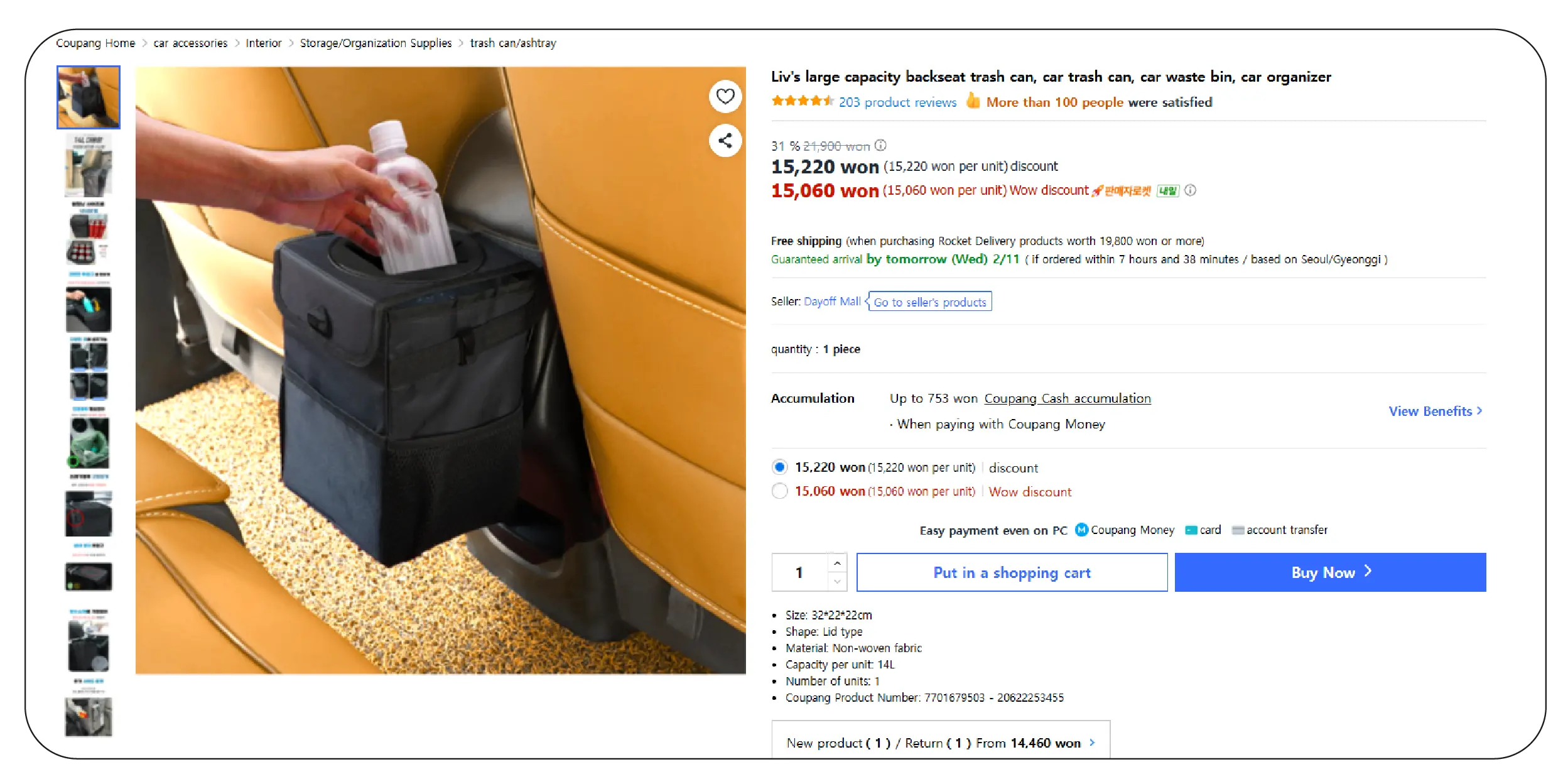
Beyond pricing and competition, understanding product performance is essential. Tools to extract Coupang e-commerce product data and pricing intelligence services enable sellers to gather insights on ratings, reviews, and sales velocity. Data from 2020–2026 shows that products with higher reviews and ratings consistently maintained higher resale values. Automated scraping facilitates trend analysis across categories, highlighting seasonal demand, emerging brands, and high-margin opportunities. By leveraging this information, sellers can optimize inventory selection, anticipate market shifts, and implement effective marketing strategies. Structured datasets allow integration with dashboards and analytics platforms, improving operational efficiency and ensuring data-driven growth.
Leveraging Advanced APIs
Advanced automation via Coupang trending product data scraping and web scraping API services ensures faster, more reliable insights. From 2020–2026, businesses utilizing APIs reported up to 50% reduced labor costs and increased accuracy. API-based scraping captures product trends, price changes, and availability metrics at scale, enabling real-time dashboards and alerts for high-demand items. Integration with analytics platforms facilitates predictive modeling for inventory and pricing, while historical data supports strategic decision-making. Automation also reduces errors, ensures consistent updates, and enables rapid responses to market fluctuations. Businesses gain comprehensive visibility into the e-commerce landscape, maintaining competitiveness and maximizing profits.
Why Choose Product Data Scrape?
Product Data Scrape provides reliable web scraping API for Coupang products, delivering structured data on pricing, reviews, ratings, and trends. Automated tools save time, reduce manual errors, and ensure real-time updates. Businesses gain actionable insights for pricing strategies, inventory management, and competitive intelligence, making smarter decisions with minimal effort.
Conclusion
Using a Coupang product price intelligence dataset, resellers and e-commerce managers can monitor trends, competitor behavior, and product performance efficiently. Automated scraping ensures real-time insights, strategic pricing, and inventory optimization. Structured datasets enable data-driven decision-making, allowing sellers to stay competitive, forecast demand, and maximize profits. Whether tracking best-sellers, monitoring trends, or analyzing market data, automation is key to thriving in Coupang’s dynamic marketplace.
Start leveraging Coupang product data scraping today to optimize pricing, inventory, and growth strategies for your e-commerce business!
FAQs
1. What is Product Data Scrape?
Product Data Scrape is an automated tool for extracting structured data from Coupang, including pricing, ratings, reviews, and sales trends to improve inventory and pricing decisions.
2. How can I track best-selling products on Coupang?
By using Coupang Best Seller Product Data Scraping, sellers can monitor top-performing items, track pricing trends, and identify high-demand products efficiently.
3. Is scraping Coupang data legal?
Scraping public data for research and analytics is generally allowed, but always comply with Coupang’s terms and avoid personal user information.
4. Can I integrate the scraped data into analytics dashboards?
Yes, Product Data Scrape allows structured data extraction for seamless integration with dashboards to track pricing, inventory, and trends.
5. How accurate is automated price monitoring for Coupang products?
Automated monitoring provides real-time updates with high accuracy, reducing errors compared to manual tracking for best-selling products and pricing strategies.



 Singapore
 EMAIL
EMAIL
 PHONE
PHONE











.webp)