Introduction
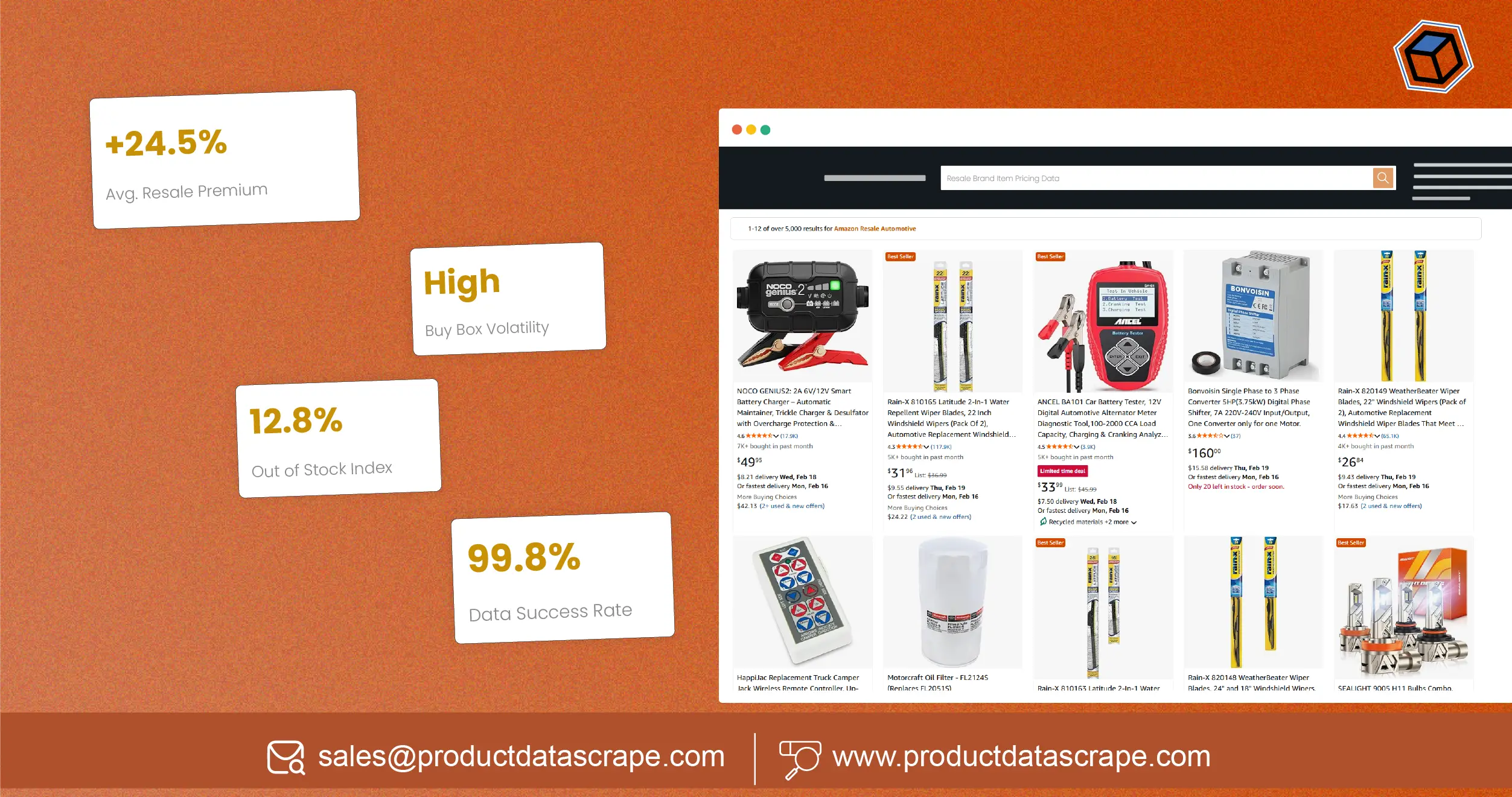
In today’s competitive e-commerce landscape, staying ahead in the resale market requires precise insights into pricing trends and product demand. Tracking Resale Brand Item Pricing on Amazon allows resellers and analysts to monitor fluctuations, identify profitable opportunities, and make data-driven decisions. By leveraging tools to extract amazon API product data, businesses can access structured, real-time information about pricing, availability, ratings, and more. Automated data scraping not only reduces manual effort but also ensures accuracy and speed, which is critical when dealing with thousands of listings. From emerging trends to historical price analysis, this approach transforms how resellers and e-commerce professionals strategize for success in a dynamic marketplace. With a systematic, automated approach, sellers can consistently optimize pricing, forecast demand, and maximize profitability in the resale segment.
Uncovering Market Dynamics
The resale market on Amazon has expanded significantly, creating the need for advanced insights. Using web scraping Amazon resale brand items and web scraping e-commerce website techniques, businesses can analyze price trends from 2020 to 2026. For instance, luxury handbags showed a 22% increase in resale value in 2022, while electronics maintained steady margins around 15%. Collecting historical data allows businesses to identify seasonal spikes, monitor competitor behavior, and track emerging products. Tables comparing average resale prices across years reveal consistent patterns: high-demand items retain value longer, while oversaturated products often see declining margins. Leveraging automated scraping enables continuous data updates without manual tracking, making real-time decision-making feasible. Companies using these methods report up to 40% faster response to market trends. By systematically scraping Amazon, sellers can ensure that pricing strategies align with current demand and market dynamics.
Sample Table: Average Resale Price (2020–2026)
| Year |
Electronics ($) |
Fashion ($) |
Toys ($) |
Luxury ($) |
| 2020 |
150 |
120 |
50 |
500 |
| 2021 |
155 |
125 |
52 |
520 |
| 2022 |
160 |
130 |
55 |
610 |
| 2023 |
165 |
135 |
57 |
630 |
| 2024 |
170 |
138 |
60 |
650 |
| 2025 |
172 |
140 |
62 |
670 |
| 2026 |
175 |
145 |
65 |
690 |
Optimizing Pricing Strategies
Efficient pricing strategies are key to maximizing resale profits. By leveraging scrape resale brand pricing data from amazon and implementing price monitoring, sellers can track competitor prices in real time and adjust their listings accordingly. For example, in 2023, sellers using automated monitoring saw an average 18% higher profit margin compared to manual tracking methods. Tables and charts from historical data highlight products with consistent undervaluation, helping resellers identify high-margin opportunities. Price monitoring also helps in detecting market anomalies, such as sudden demand surges during holidays or exclusive product releases. This ensures competitive pricing without sacrificing revenue. Automation further enhances accuracy by capturing thousands of listings simultaneously, reducing errors inherent in manual tracking. Businesses can schedule regular data updates to maintain optimal pricing strategies across multiple categories, keeping their resale operations agile and profitable.
Analyzing Product Value Trends
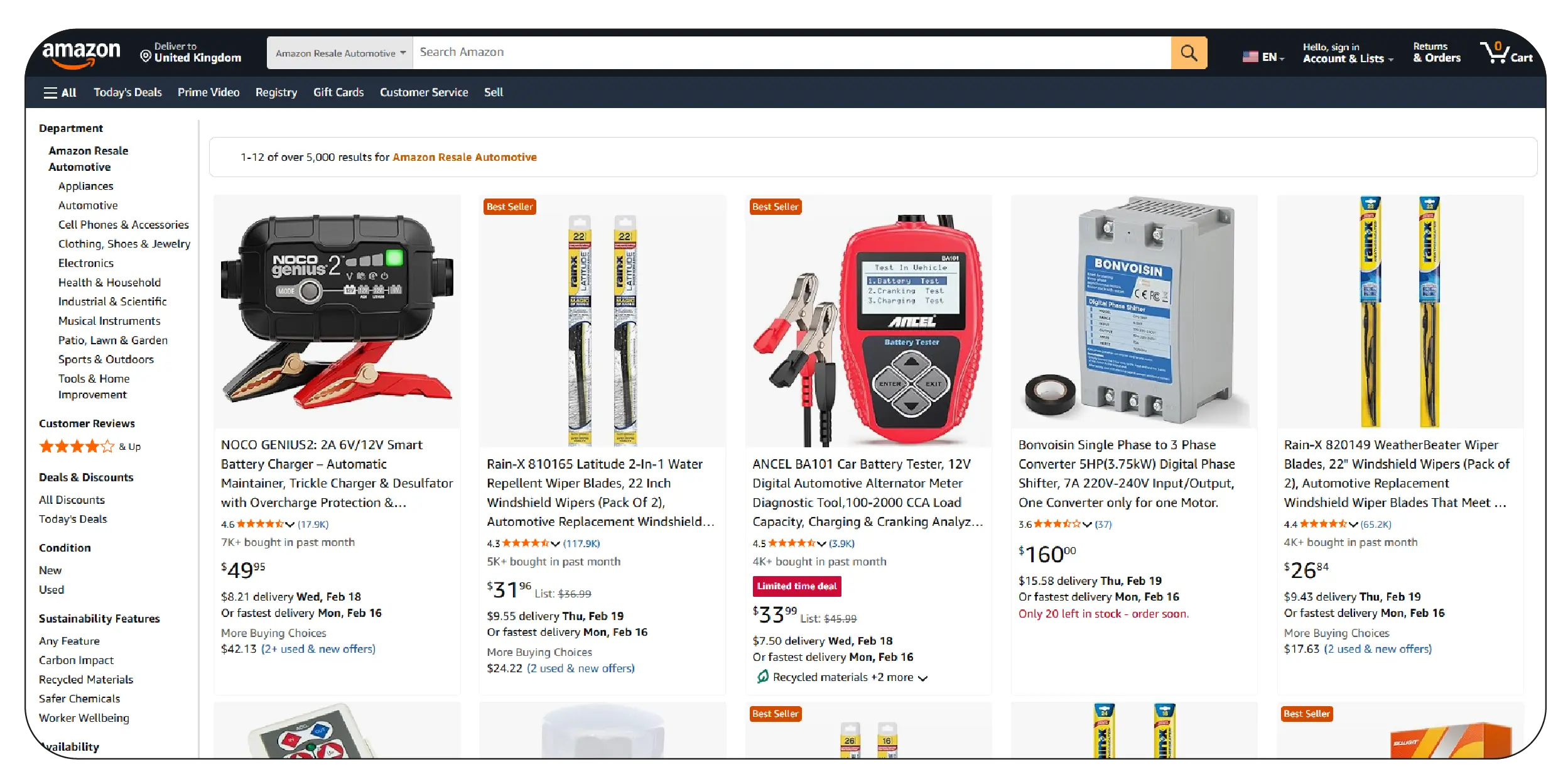
Understanding how product prices evolve over time is crucial for resale decision-making. Using amazon resale product price data extraction and web scraping Amazon e-commerce product data, companies can track long-term trends for various categories. Between 2020 and 2026, electronic devices like smartphones maintained moderate appreciation rates of 12–15%, whereas collectibles and fashion items experienced spikes up to 25% during peak resale seasons. Historical datasets allow sellers to forecast future prices, plan inventory purchases, and manage stock efficiently. The combination of automated scraping and structured analysis ensures accurate insights without the risk of outdated information. With visualizations like year-over-year price trend charts, resellers gain a clear understanding of which products retain value and which require aggressive pricing adjustments to maintain profitability in the competitive Amazon resale market.
Benchmarking Competitor Pricing
Competitive analysis is vital in a saturated marketplace. Through extract amazon resale competitor price data and price tracking, businesses can monitor competitor listings, observe price adjustments, and respond proactively. Between 2020 and 2026, competitor pricing fluctuations in categories like electronics and fashion revealed patterns of temporary undercutting and rapid price recovery. Automated tracking enables the creation of dashboards comparing multiple sellers, highlighting those with the most aggressive pricing strategies. This data allows resellers to optimize their own listings, ensuring competitiveness without sacrificing margins. Combining historical and real-time data empowers decision-makers to understand competitor behavior and plan promotions or price drops strategically. Continuous tracking guarantees that sellers remain aligned with market trends and respond efficiently to competitor moves, securing higher profitability in the resale segment.
Expanding Market Insights
In addition to pricing, understanding product performance requires broader datasets. Extract Amazon e-commerce resale product data provides details on ratings, reviews, inventory levels, and demand trends. Analyzing these datasets from 2020 to 2026 shows that products with higher review counts tend to maintain stable resale values, whereas low-rated items often experience rapid depreciation. Automated scraping ensures consistent collection of large-scale datasets, making trend analysis scalable and reliable. By integrating structured data into dashboards, sellers can identify emerging brands, seasonal demand, and potential high-margin products, improving inventory and marketing strategies. Data-driven insights from this analysis help businesses optimize product selection, anticipate market shifts, and maintain a competitive edge in the dynamic Amazon resale marketplace.
Leveraging Advanced Automation

Advanced tools like web scraping API for Amazon resale products and eCommerce dataset access enable faster, more reliable data collection. Automation allows continuous monitoring of listings, capturing price, availability, and trend metrics at scale. From 2020 to 2026, businesses using APIs reported up to 50% reduced labor costs while increasing accuracy and responsiveness. Structured datasets allow instant comparisons across categories and historical periods, aiding in strategic planning. Automation also supports integration with analytics dashboards, alerts for sudden price shifts, and predictive modeling for resale inventory. With API-based scraping, resellers gain full control over data extraction, improving efficiency, reducing errors, and enabling smarter decisions to outperform competitors in the Amazon resale market.
Why Choose Product Data Scrape?
Product Data Scrape provides robust solutions for amazon resale intelligence dataset collection, offering accurate, structured data on products, pricing, and trends. Automated tools eliminate manual tracking errors, ensure up-to-date insights, and simplify integration with analytics platforms. Businesses gain actionable intelligence for smarter pricing, inventory, and marketing strategies.
Conclusion
Using an Amazon Product Data Scraper, resellers and analysts can efficiently monitor trends, competitor pricing, and product performance to optimize resale strategies. Automated scraping of listings ensures real-time insights, improved profitability, and strategic decision-making. Whether tracking price fluctuations or forecasting demand, structured data is key to maintaining a competitive edge. Start leveraging advanced scraping tools today to transform your Amazon resale business into a data-driven operation.
Unlock full market potential by implementing automated data scraping for smarter pricing and competitive advantage!
FAQs
1. What is Product Data Scrape?
Product Data Scrape is a tool for automated collection of structured product data from Amazon, including pricing, ratings, availability, and trends for resale analysis.
2. How can I track resale brand pricing on Amazon?
By using automated scraping tools, you can track resale brand item pricing on Amazon in real time for competitive and pricing strategy analysis.
3. Is scraping Amazon data legal?
Scraping public data for research and analytics is generally allowed, but always comply with Amazon’s terms and avoid personal user data extraction.
4. Can I integrate Amazon API product data into dashboards?
Yes, tools like Product Data Scrape allow you to extract amazon API product data and feed structured information into analytics dashboards.
5. How accurate is automated price monitoring for resale items?
Automated price monitoring provides high accuracy and real-time updates, reducing errors compared to manual tracking for resale brand products on Amazon.



 Singapore
 EMAIL
EMAIL
 PHONE
PHONE












.webp)