Introduction
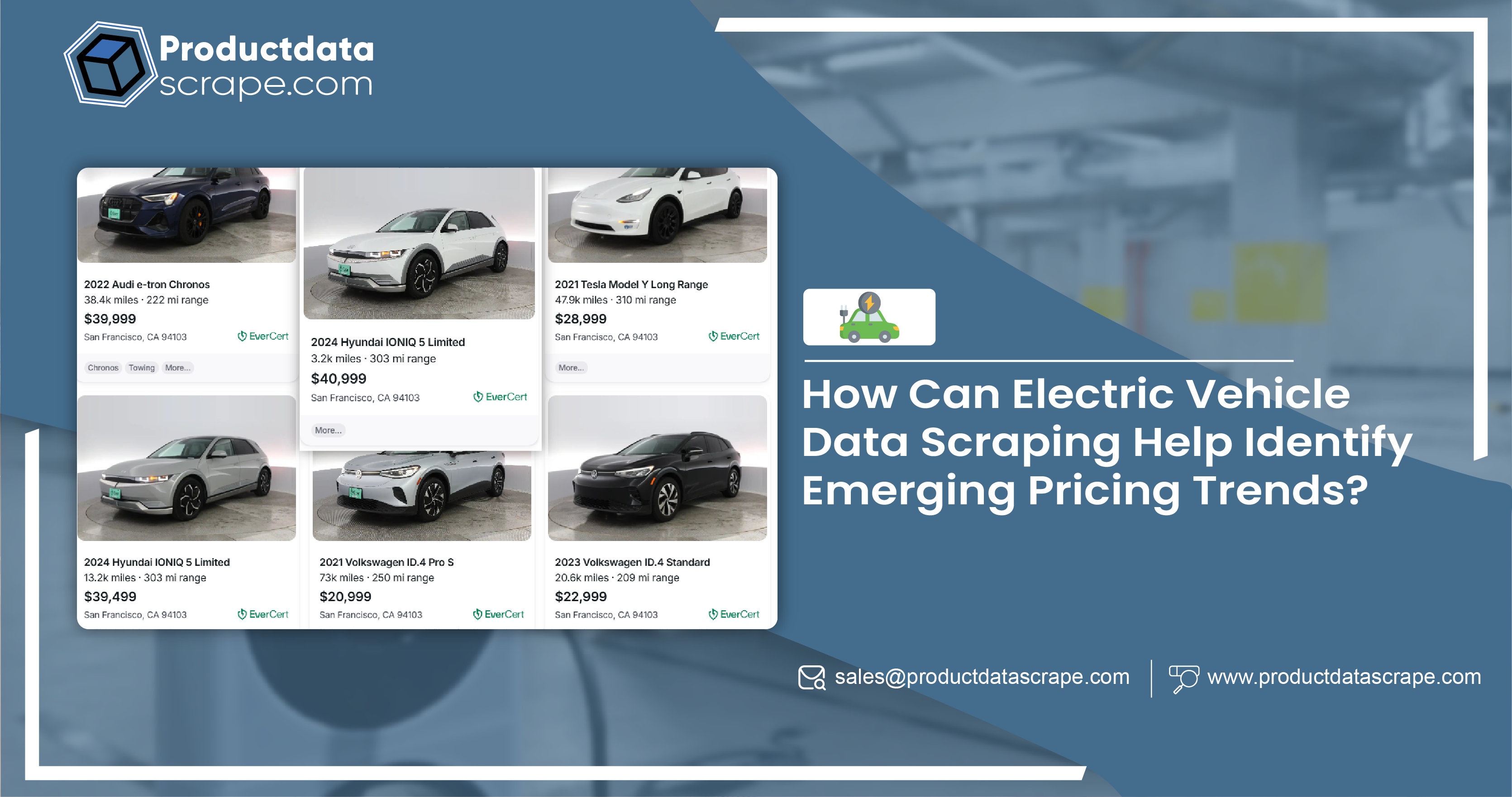
The rise of electric vehicles (EVs) is transforming the global transportation sector, with governments, manufacturers, and consumers embracing them to reduce carbon emissions and promote sustainability. As the EV industry evolves, Electric vehicle data scraping has become crucial in understanding adoption trends, market dynamics, and consumer preferences. Stakeholders can make informed decisions by extracting valuable data, such as sales figures, consumer reviews, and environmental impact. Electric car market data extraction offers insights into regional adoption patterns, pricing strategies, and emerging technologies. Additionally, the availability of charging infrastructure plays a pivotal role in EV adoption, making it essential to scrape EV charging station data. This information helps identify gaps in charging infrastructure, optimize network placements, and improve the overall user experience. As the demand for EVs continues to grow, leveraging data scraping techniques will be key to driving innovation, improving policies, and accelerating the transition to a sustainable future.
The Need for EV Data Scraping
The rapid adoption of Electric Vehicles (EVs) is transforming global automotive markets, creating new challenges and opportunities for stakeholders. To effectively navigate this evolving landscape, data collection from various online sources such as automotive marketplaces, charging station networks, government incentive programs, and consumer review platforms is becoming increasingly valuable. By leveraging electric vehicle sales data collection and other insights, businesses and governments can better understand the key drivers of EV growth, make informed decisions, and adjust strategies accordingly.
Here are the key areas where data scraping plays a crucial role in supporting decision-making:
- Tracking Sales and Registration Statistics: By scraping data on EV sales and registrations across different regions, businesses can identify high-growth markets and target areas where demand for electric vehicles is expanding. This data allows manufacturers and dealers to focus their marketing efforts on regions showing the most promise for future EV adoption, helping them allocate resources efficiently. Additionally, electric vehicle industry datasets enable monitoring shifts in adoption patterns over time, offering insights into regional growth trends.
- Analyzing Charging Infrastructure Availability: Access to real-time data on charging stations—scraped from networks, apps, and government portals—helps companies assess charging infrastructure's availability and utilization patterns. This allows manufacturers to determine whether current infrastructure can meet the demand for EVs in specific regions, enabling them to plan their market penetration strategies better. Scraping charging station data also informs the development of location-based services and tools for EV owners to quickly find and access charging points.
- Monitoring Consumer Sentiments: Online reviews and social media platforms provide many insights into consumer experiences with electric vehicles. Scraping reviews from automotive websites, forums, and social media channels allows businesses to gauge consumer sentiment and identify areas where EV models can be improved. This data can help manufacturers address concerns, enhance customer satisfaction, and inform product development. Moreover, understanding EV market trends data through scraping can highlight popular features, performance feedback, and emerging preferences.
- Understanding the Impact of Government Incentives: Government programs, such as rebates and tax credits, significantly accelerate EV adoption. Scraping data from government portals and incentive programs allows stakeholders to track how incentives influence purchasing behavior and adoption rates. This insight is valuable for policymakers, who can refine their strategies, and manufacturers, who can adjust their marketing to take advantage of available incentives. EV adoption rate data scraping is particularly useful for assessing the correlation between government subsidies and the uptake of electric vehicles.
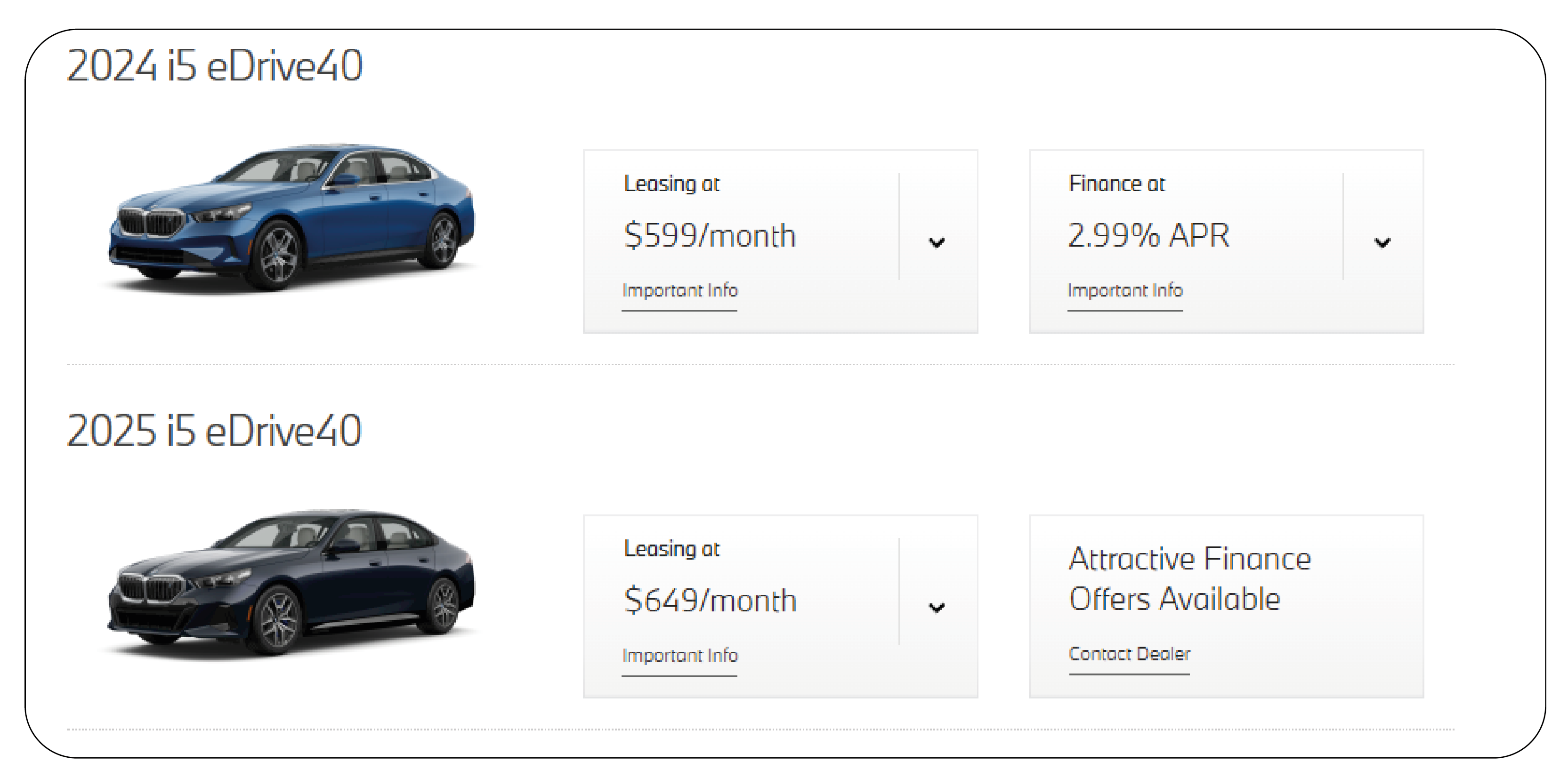
- Identifying Trends in EV Pricing and Technological Advancements: Data scraping from automotive marketplaces and manufacturer websites enables stakeholders to track pricing trends across different EV models and brands. This information supports product positioning, pricing strategies, and competitive analysis decisions. Additionally, scraping data on technological innovations and new features provides a clear picture of what consumers expect from the next generation of EVs. Electric vehicle pricing data scraping helps to monitor how the pricing landscape evolves with new technological advancements, such as battery efficiency, autonomous driving features, and connectivity options.
In summary, integrating data scraping technologies across these key areas—sales data, charging infrastructure, consumer sentiment, government incentives, and pricing trends—enables businesses to stay ahead of the curve and make data-driven decisions in the rapidly expanding EV market.
Exploring Adoption Trends
Exploring adoption trends using EV data scraping provides valuable insights into the factors driving electric vehicle growth. By analyzing sales, regional patterns, consumer behavior, and charging infrastructure, stakeholders can make informed decisions to accelerate EV adoption and enhance market strategies.
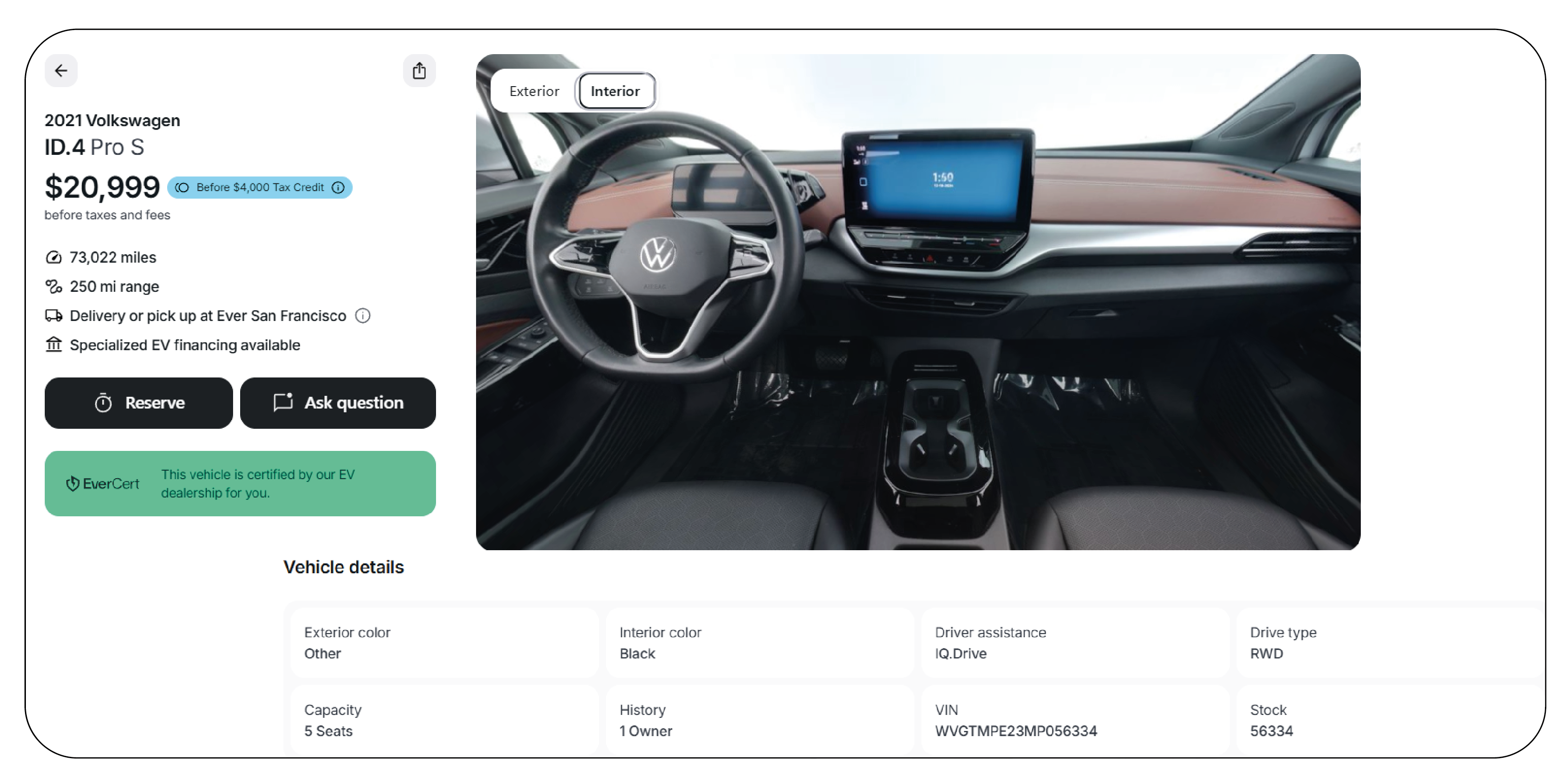
1. Market Segmentation and Growth Areas: Data scraping reveals which segments of the EV market are experiencing the highest growth. For instance, information on sales figures categorized by vehicle type (e.g., compact cars, SUVs, or luxury models) can help manufacturers focus on the most lucrative segments. Scraping dealership websites and e-commerce platforms enables collecting detailed data about the availability and pricing of various EV models.
Additionally, analyzing regional data identifies adoption hotspots, highlighting areas where charging infrastructure investment or marketing efforts may yield the best results.
2. Charging Infrastructure Insights: A robust charging network is crucial for widespread EV adoption. Data scraping from charging station networks provides valuable insights into the density, utilization, and accessibility of chargers. For instance, identifying locations with frequent charging shortages allows businesses to prioritize infrastructure investments.
Scraping reviews and ratings for charging stations helps pinpoint consumer pain points, such as broken chargers or long wait times, enabling providers to improve service quality.
3. Consumer Sentiments and Preferences: Scraping social media platforms, forums, and review sites offers a window into consumer preferences and sentiments regarding EV ownership. These insights can help manufacturers and service providers understand pain points, such as range anxiety, charging challenges, or satisfaction with specific models.
For example, analyzing discussions about battery performance in extreme weather conditions can inform product development or marketing campaigns to address those concerns.
4. Policy Impact Analysis: Government incentives, subsidies, and regulations significantly influence EV adoption. Data scraping can track how various policies impact sales trends across different regions. For instance, monitoring registration statistics and incentives like tax breaks or rebates clearly shows their effectiveness.
Such analysis enables policymakers to fine-tune initiatives, ensuring they achieve the desired impact on adoption rates while staying cost-effective.
5. Pricing Trends and Affordability: EV affordability remains a critical factor in adoption. Scraping data from online marketplaces and manufacturer websites helps track pricing trends, including discounts, financing options, and total cost of ownership.
This data allows manufacturers to position their vehicles competitively and provides insights into how pricing changes affect consumer demand. It also highlights innovation opportunities in cost-reduction strategies, such as battery production advancements or shared mobility solutions.
What Opportunities Scraped Data Deliver to Stakeholders?
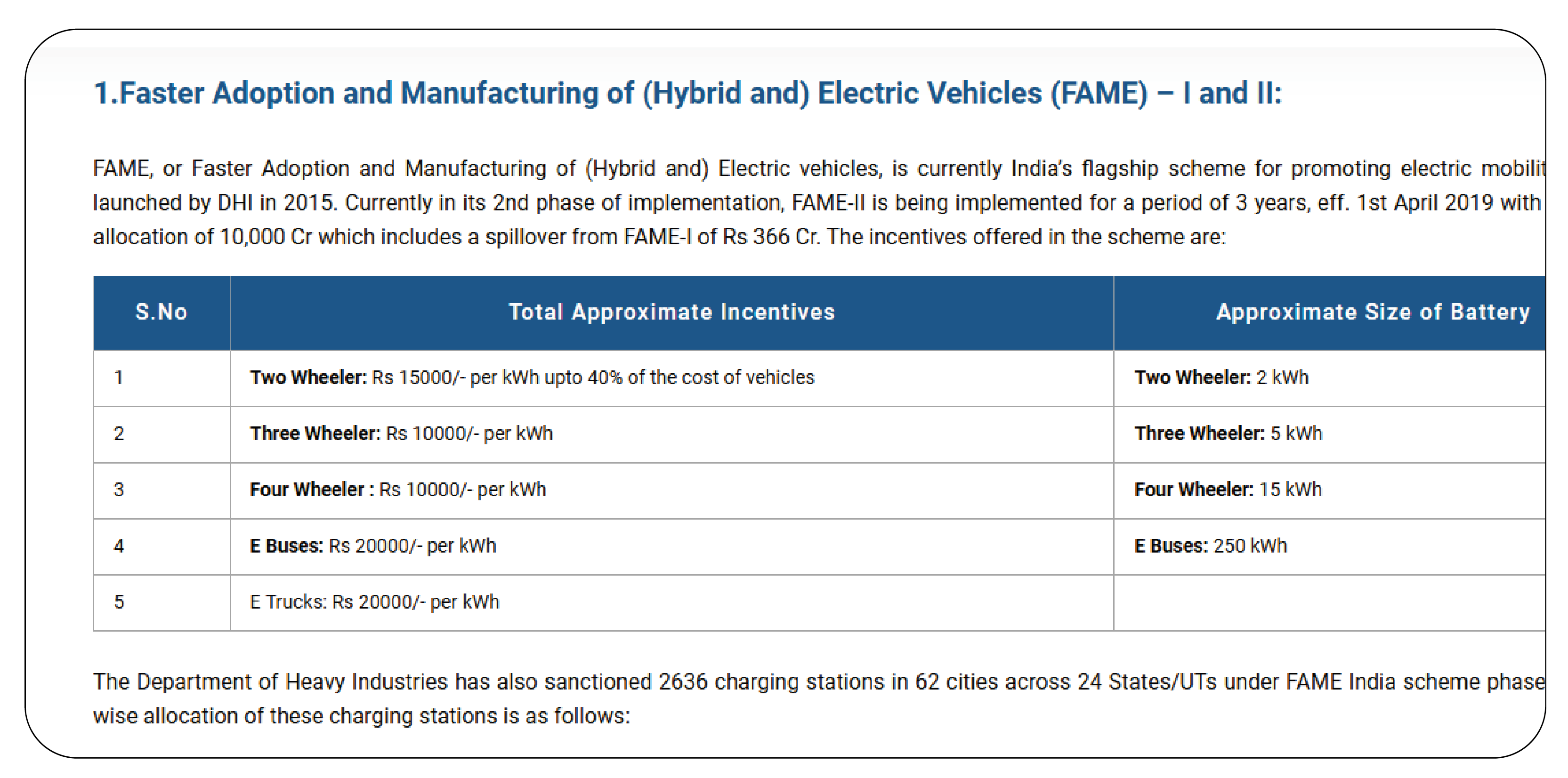
By leveraging data scraping, stakeholders can uncover emerging trends, identify growth regions, and assess consumer preferences. This valuable insight helps manufacturers, investors, and policymakers capitalize on opportunities to drive innovation and adoption.
- Automotive Manufacturers: Data scraping gives automakers a competitive edge by offering real-time insights into market demands, consumer behavior, and competitor strategies. By scraping data on vehicle specifications, pricing, and features from various sources, manufacturers can track the features and specifications of rival models, guiding their R&D efforts to create differentiated products. Web Scraping Automotive Data enables them to identify emerging trends and technological innovations, providing a better understanding of consumers' needs. Additionally, by analyzing regional adoption trends through data scraping, manufacturers can align production and marketing efforts with areas of high demand, ensuring their offerings meet local preferences and regulatory requirements.
- Charging Network Providers: Charging network operators benefit from data scraping by gaining insights into underserved regions, predicting peak usage times, and understanding consumer preferences. By scraping data from various platforms, such as charging stations, apps, and consumer reviews, providers can identify areas lacking infrastructure and target these regions for expansion. Extract Automotive Data also helps by monitoring the number of EVs in circulation and assessing the potential demand for charging stations in specific locations. This information enables network providers to optimize their infrastructure rollout, enhance service quality, and decide where to place new charging stations to attract more EV users.
- Policymakers: For governments and regulatory bodies, data scraping is pivotal in supporting evidence-based decision-making. By monitoring adoption rates, infrastructure utilization, and consumer sentiment, policymakers can design effective programs to encourage EV adoption. Scraping data from online platforms, including government portals, consumer reviews, and social media, allows policymakers to understand consumers' challenges, such as affordability, accessibility, and available incentives. Web Scraping E-commerce Websites can also be leveraged to track the pricing and availability of EVs, providing valuable insights into how government policies, such as subsidies or rebates, affect consumer purchasing behavior and adoption rates. This data enables governments to address barriers to EV adoption more effectively, creating programs that drive demand and infrastructure development.
- Investors and Analysts: Investors in the electric vehicle (EV) sector depend on data-driven insights to evaluate market potential and uncover investment opportunities. Data scraping plays a vital role by providing valuable information on industry growth, competitive dynamics, and emerging trends. Investors can decide which companies or regions show the highest growth potential by tracking key metrics such as sales data, pricing trends, and consumer sentiment. This data helps identify market shifts, forecast demand, and monitor technological advancements, enabling investors to strategically allocate capital and stay ahead in the rapidly evolving EV market.
Challenges and Ethical Considerations
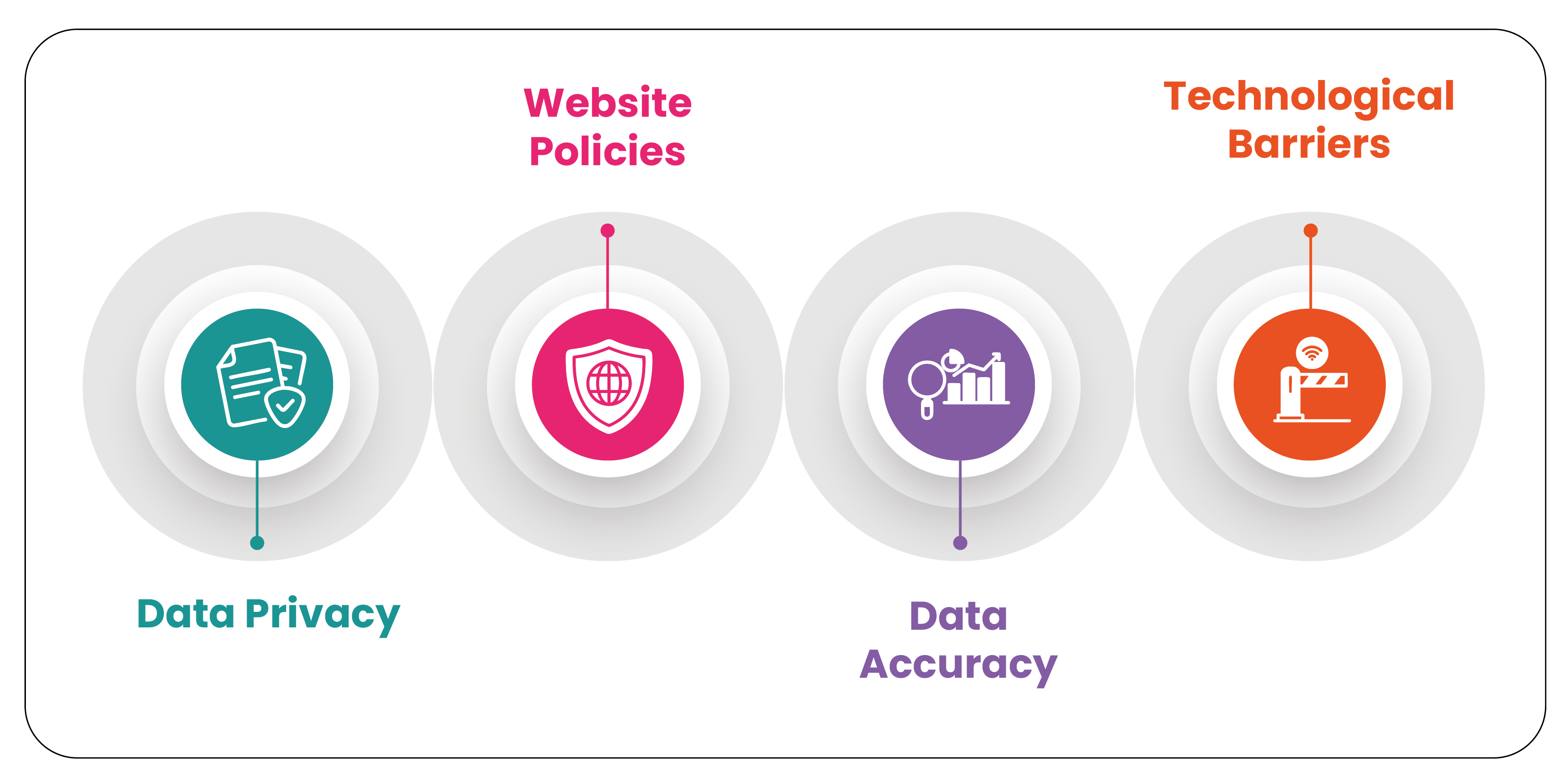
While data scraping offers immense value, it comes with challenges and ethical considerations. Stakeholders must ensure that data collection processes comply with local laws and respect the terms of service of websites being scraped.
Key challenges include:
- Data Privacy: Scraping consumer data must comply with privacy regulations such as GDPR or CCPA. Anonymizing personal information is essential to maintain compliance.
- Website Policies: Some websites explicitly prohibit data scraping, making it crucial to seek permissions or use APIs where available.
- Data Accuracy: Scraped data may sometimes be outdated or inaccurate, requiring thorough validation before use.
- Technological Barriers: Websites may implement anti-scraping measures like CAPTCHAs, requiring advanced tools or techniques to overcome them responsibly.
The Future of EV Data Scraping

As EV adoption accelerates, data scraping will become even more critical. The integration of machine learning and artificial intelligence with data scraping technologies is expected to enhance the accuracy and depth of insights. For example, predictive analytics can help forecast adoption trends based on historical data, economic indicators, and policy changes.
Additionally, the emergence of connected vehicles and IoT-enabled charging networks will generate vast data, providing new opportunities for scraping and analysis. However, stakeholders must remain vigilant about evolving regulations and technological advancements to ensure sustainable and ethical practices.
Conclusion
Electric vehicle data scraping is a powerful tool for understanding adoption trends and shaping the future of the EV industry. By leveraging insights from sales data, charging infrastructure usage, consumer sentiments, and pricing trends, stakeholders can make informed decisions that accelerate EV adoption while addressing key challenges.
In a rapidly evolving market, responsibly extracting and analyzing relevant data is a cornerstone of driving innovation and achieving long-term success in the electric vehicle ecosystem.
At Product Data Scrape, we strongly emphasize ethical practices across all our services, including Competitor Price Monitoring and Mobile App Data Scraping. Our commitment to transparency and integrity is at the heart of everything we do. With a global presence and a focus on personalized solutions, we aim to exceed client expectations and drive success in data analytics. Our dedication to ethical principles ensures that our operations are both responsible and effective.



 Singapore
 EMAIL
EMAIL
 PHONE
PHONE











.webp)