Introduction
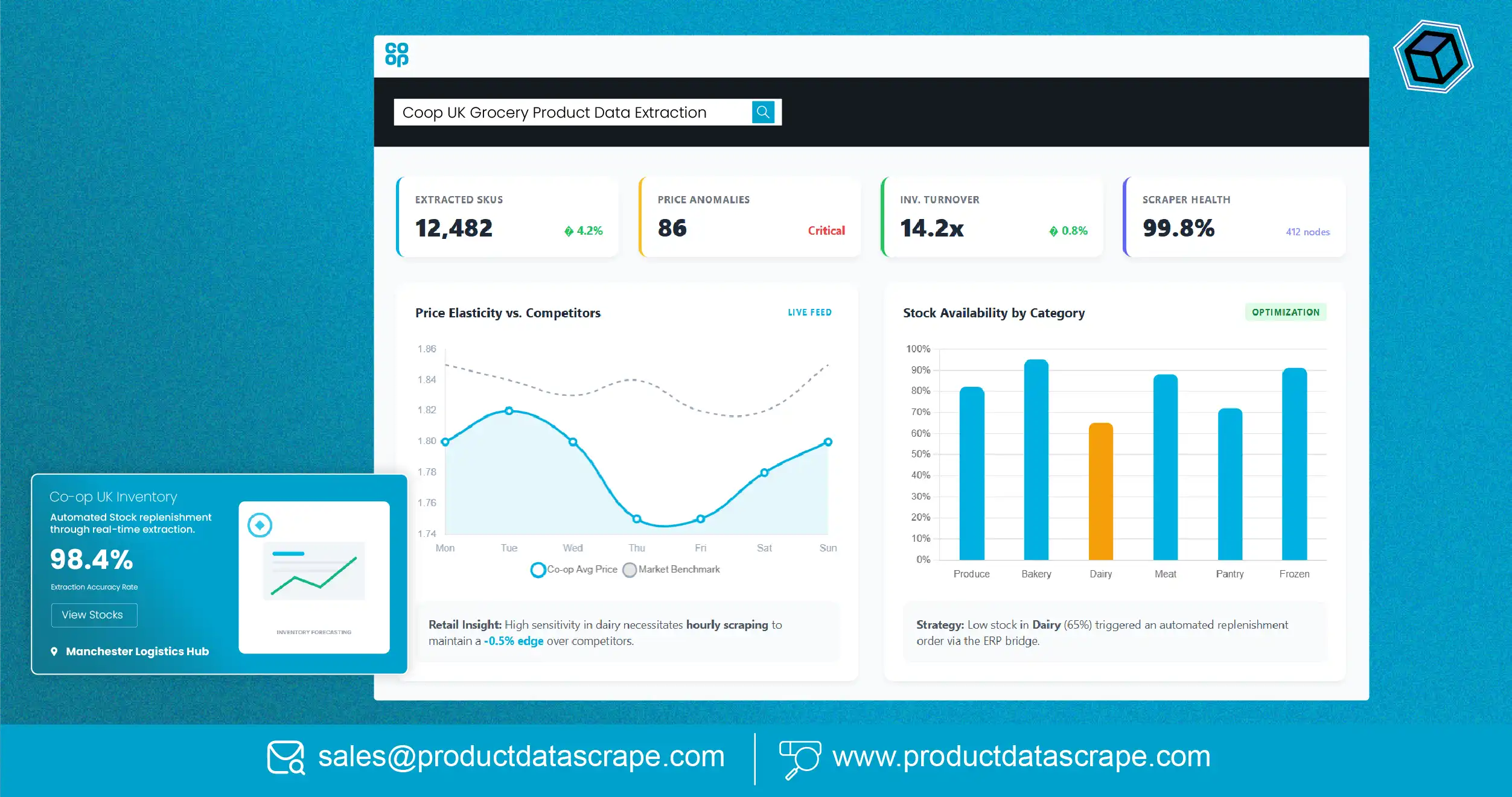
Retail grocery markets are becoming increasingly competitive, and businesses must rely on real-time data to make strategic decisions. With Coop UK Grocery Product Data Extraction, companies can collect structured insights on pricing, product availability, and category performance across online grocery platforms. Access to reliable datasets allows retailers, brands, and analysts to monitor competitor strategies and respond quickly to market changes.
Using advanced analytics to Extract Grocery & Gourmet Food Data enables businesses to understand consumer demand, seasonal trends, and pricing fluctuations. Between 2020 and 2026, the UK grocery sector experienced significant digital transformation, with online grocery sales increasing by more than 60%. As a result, retailers began relying heavily on automated data extraction and analytics to manage pricing and inventory challenges.
Accurate data allows businesses to optimize pricing models, prevent stock shortages, and forecast demand more effectively. Data-driven retail intelligence ensures that brands can maintain competitiveness in a rapidly evolving grocery landscape.
Understanding Retail Product Data Ecosystems
Retailers must analyze large volumes of product information to remain competitive. A Coop UK Grocery Product Data Scraper enables businesses to collect product listings, pricing details, availability status, and promotional data from grocery platforms. This structured data forms the foundation of a comprehensive Grocery store dataset used for analytics and strategic planning.
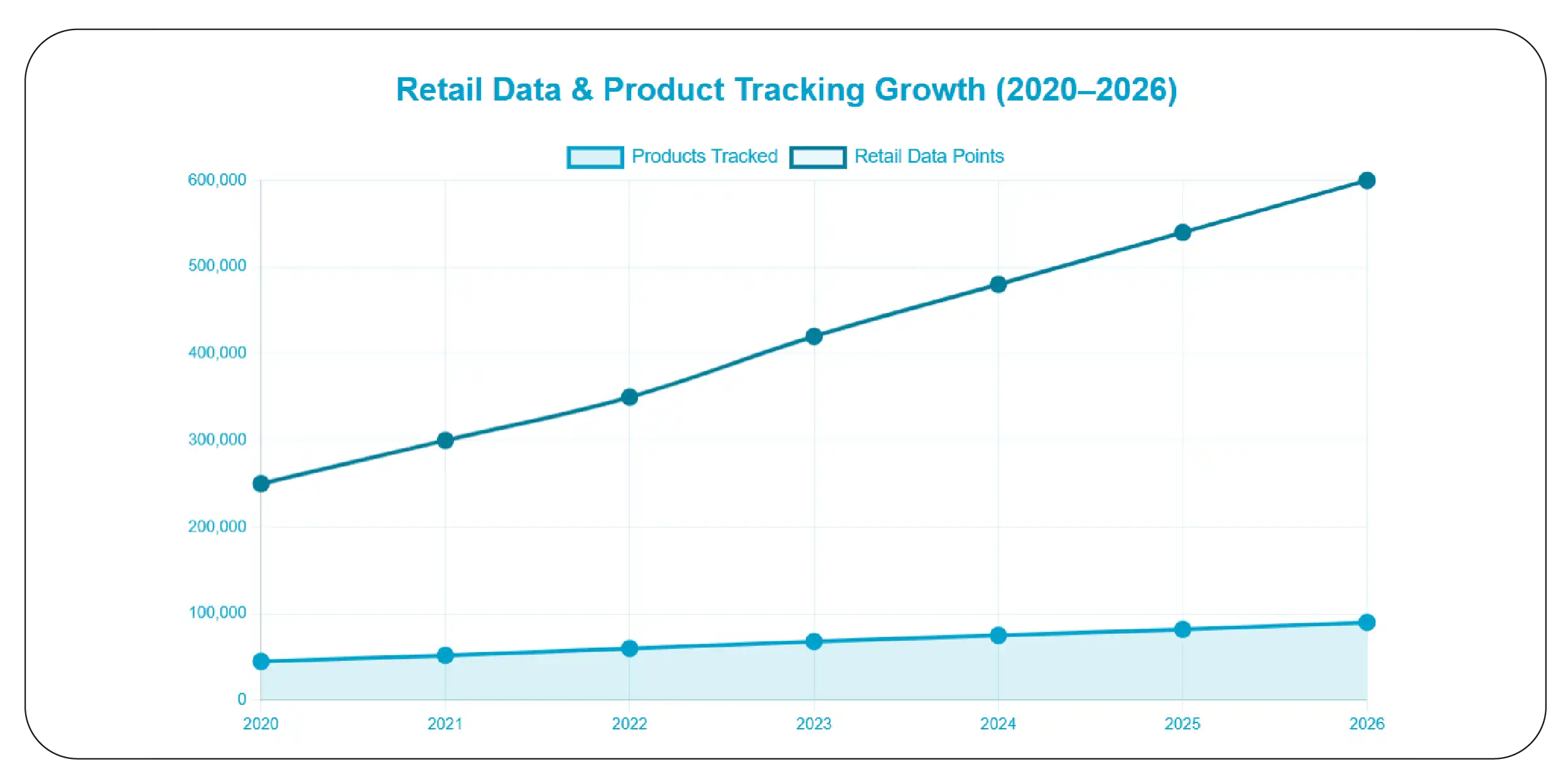
Between 2020 and 2026, grocery retailers increasingly relied on automated data collection to manage product catalogs and inventory insights.
| Year |
Products Tracked |
Retail Data Points |
| 2020 |
45,000 |
250,000 |
| 2021 |
52,000 |
300,000 |
| 2022 |
60,000 |
350,000 |
| 2023 |
68,000 |
420,000 |
| 2024 |
75,000 |
480,000 |
| 2025 |
82,000 |
540,000 |
| 2026 |
90,000 |
600,000 |
This growth reflects the increasing importance of structured retail data. Retailers analyze product attributes, brand performance, and consumer demand to optimize their catalog strategies. Access to structured datasets enables better forecasting, improved supply chain management, and smarter pricing decisions.
Pricing Transparency and Competitive Monitoring
Retail price monitoring is essential for maintaining competitiveness in the grocery market. Through Coop UK Online Grocery Price Scraping, businesses collect real-time pricing data across multiple product categories. These insights help brands identify price differences, monitor competitor promotions, and optimize pricing strategies.
From 2020 to 2026, dynamic pricing strategies became common across online grocery platforms. Retailers frequently adjusted product prices based on demand, seasonality, and competitor activity.
| Year |
Average Price Updates per Month |
Promotions Observed |
| 2020 |
120 |
80 |
| 2021 |
150 |
95 |
| 2022 |
180 |
120 |
| 2023 |
210 |
150 |
| 2024 |
240 |
180 |
| 2025 |
280 |
220 |
| 2026 |
320 |
260 |
By analyzing price changes, businesses can benchmark their product pricing against competitors and identify opportunities to improve profit margins. Retail analytics teams rely on these insights to maintain competitive positioning and increase customer engagement.
Inventory Visibility and Demand Forecasting
Maintaining accurate inventory levels is one of the biggest challenges in the grocery industry. Through Coop UK Supermarket Inventory Data Scraping, retailers can track product availability and stock levels across online stores. Integrating these insights with Web Scraping API Services allows businesses to automate inventory monitoring at scale.
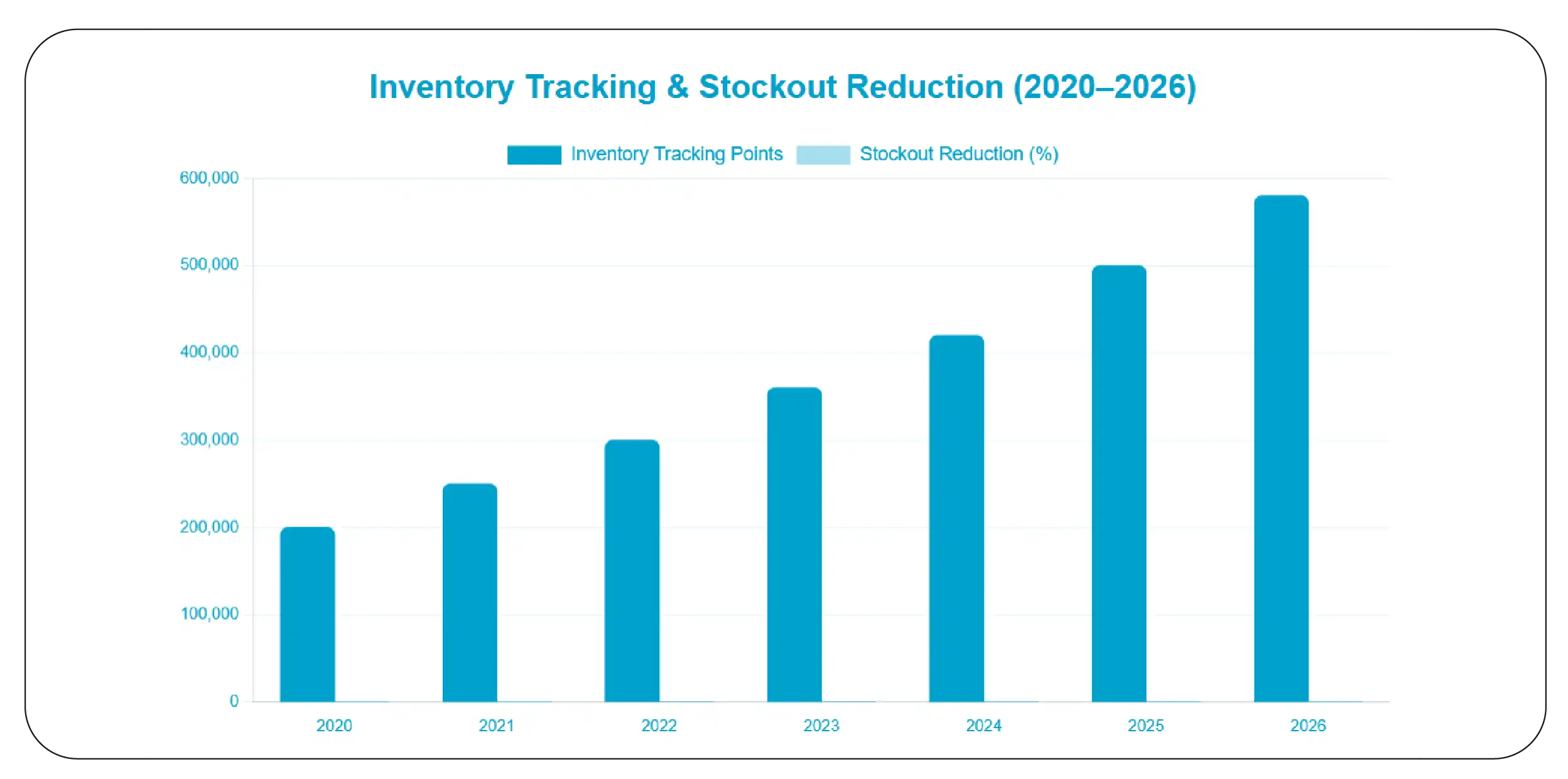
Inventory data helps companies identify stock shortages, demand surges, and replenishment opportunities. Retailers can use these insights to optimize supply chain planning and ensure that popular products remain available.
| Year |
Inventory Tracking Points |
Stockout Reduction |
| 2020 |
200,000 |
5% |
| 2021 |
250,000 |
7% |
| 2022 |
300,000 |
9% |
| 2023 |
360,000 |
11% |
| 2024 |
420,000 |
14% |
| 2025 |
500,000 |
16% |
| 2026 |
580,000 |
18% |
Businesses that analyze inventory patterns can improve forecasting accuracy and reduce operational disruptions.
Competitive Retail Intelligence for Market Growth
Retailers must constantly monitor market activity to remain competitive. Coop UK Supermarket Price Intelligence provides valuable insights into pricing strategies, promotional campaigns, and product demand patterns.
Between 2020 and 2026, retailers using advanced analytics tools improved their pricing optimization by over 25%.
| Year |
Retail Competitor Insights |
Pricing Strategy Changes |
| 2020 |
5,000 |
800 |
| 2021 |
6,500 |
1,000 |
| 2022 |
8,000 |
1,300 |
| 2023 |
10,000 |
1,600 |
| 2024 |
12,500 |
2,000 |
| 2025 |
15,000 |
2,500 |
| 2026 |
18,000 |
3,000 |
Retail intelligence tools enable businesses to analyze competitor activities and identify emerging market opportunities. With structured data insights, companies can adjust pricing models, improve product positioning, and strengthen customer engagement.
Advanced Pricing Analytics and Retail Insights
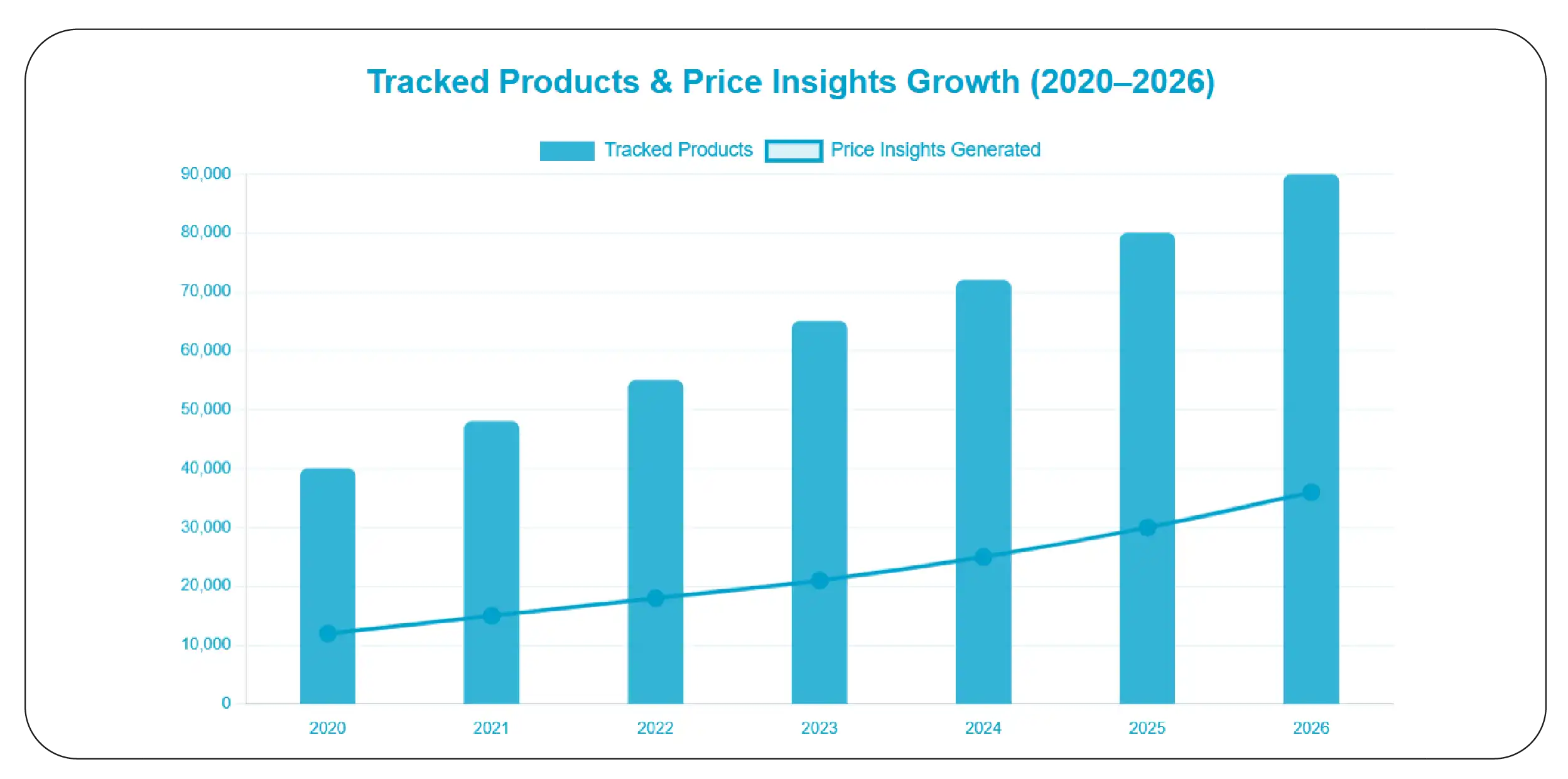
Retail data analytics enables businesses to track price fluctuations across thousands of products. A Coop UK Grocery Price Tracking Dataset allows companies to analyze long-term pricing trends and demand patterns. These insights support strategic planning and improve decision-making through Pricing Intelligence Services.
Retail price tracking has become increasingly important as consumers compare prices across multiple platforms before making purchasing decisions.
| Year |
Tracked Products |
Price Insights Generated |
| 2020 |
40,000 |
12,000 |
| 2021 |
48,000 |
15,000 |
| 2022 |
55,000 |
18,000 |
| 2023 |
65,000 |
21,000 |
| 2024 |
72,000 |
25,000 |
| 2025 |
80,000 |
30,000 |
| 2026 |
90,000 |
36,000 |
Retailers that use pricing analytics can identify trends such as seasonal price changes and promotional performance. These insights help businesses refine pricing strategies and maximize revenue potential.
Fresh Food Category Insights and Product Trends
Fresh food categories require careful monitoring because demand fluctuates frequently. Through Extract Coop Fresh Food Product Data, businesses can analyze availability, pricing, and demand patterns for perishable grocery products.
Between 2020 and 2026, fresh food sales in the UK grocery sector increased significantly due to growing consumer interest in healthy and organic food products.
| Year |
Fresh Food SKUs Tracked |
Demand Growth |
| 2020 |
8,000 |
4% |
| 2021 |
9,500 |
5% |
| 2022 |
11,000 |
6% |
| 2023 |
13,000 |
7% |
| 2024 |
15,000 |
8% |
| 2025 |
17,000 |
9% |
| 2026 |
20,000 |
10% |
Fresh food analytics allows retailers to forecast demand and reduce waste by adjusting supply levels accordingly. Data-driven strategies enable grocery businesses to maintain product availability while minimizing inventory losses.
Why Choose Product Data Scrape?
Businesses looking to gain accurate grocery market insights benefit from advanced data extraction solutions. Through Web Scraping Coop Supermarket Data, companies can access structured datasets covering pricing, inventory levels, product descriptions, and promotional activity. Product Data Scrape specializes in delivering high-quality datasets that help retailers optimize pricing strategies and monitor market trends. Our automated data pipelines ensure reliable and scalable data collection across grocery platforms. By leveraging advanced scraping technologies and analytics tools, businesses can gain actionable insights that support strategic planning, inventory management, and competitive benchmarking.
Conclusion
Retailers and brands operating in the grocery industry require accurate data to remain competitive. Coop UK Grocery Product Data Extraction enables businesses to analyze pricing strategies, inventory availability, and product performance across digital grocery platforms. Access to structured datasets empowers organizations to optimize supply chain operations and improve pricing strategies.
With advanced solutions like Coop UK Grocery Data Scraping API, companies can collect real-time retail intelligence that drives smarter decision-making. Data-driven insights help businesses forecast demand, identify market opportunities, and enhance customer experiences.
If you want to unlock powerful grocery market insights and transform your retail analytics strategy, our team can help you implement advanced data extraction solutions.
Contact our experts today to access reliable grocery datasets and stay ahead in the competitive retail market!
FAQs
1. What is Coop UK Grocery Product Data Extraction used for?
It helps businesses collect structured grocery product data including pricing, availability, product details, and promotions for market analysis and pricing strategy optimization.
2. How does grocery data scraping help retailers?
Retailers can track competitor pricing, monitor product availability, analyze promotions, and forecast demand using structured grocery datasets collected through automated scraping.
3. What type of data can be extracted from grocery websites?
Typical datasets include product names, descriptions, prices, discounts, availability, ratings, category information, and promotional campaigns across online grocery platforms.
4. How frequently can grocery datasets be updated?
Retail datasets can be updated daily, hourly, or in real time depending on business requirements and the scraping infrastructure used.
5. Can businesses automate grocery data collection?
Yes. Platforms like Product Data Scrape provide automated scraping solutions that collect and deliver structured grocery datasets for analytics and competitive intelligence.



 Singapore
 EMAIL
EMAIL
 PHONE
PHONE










.webp)