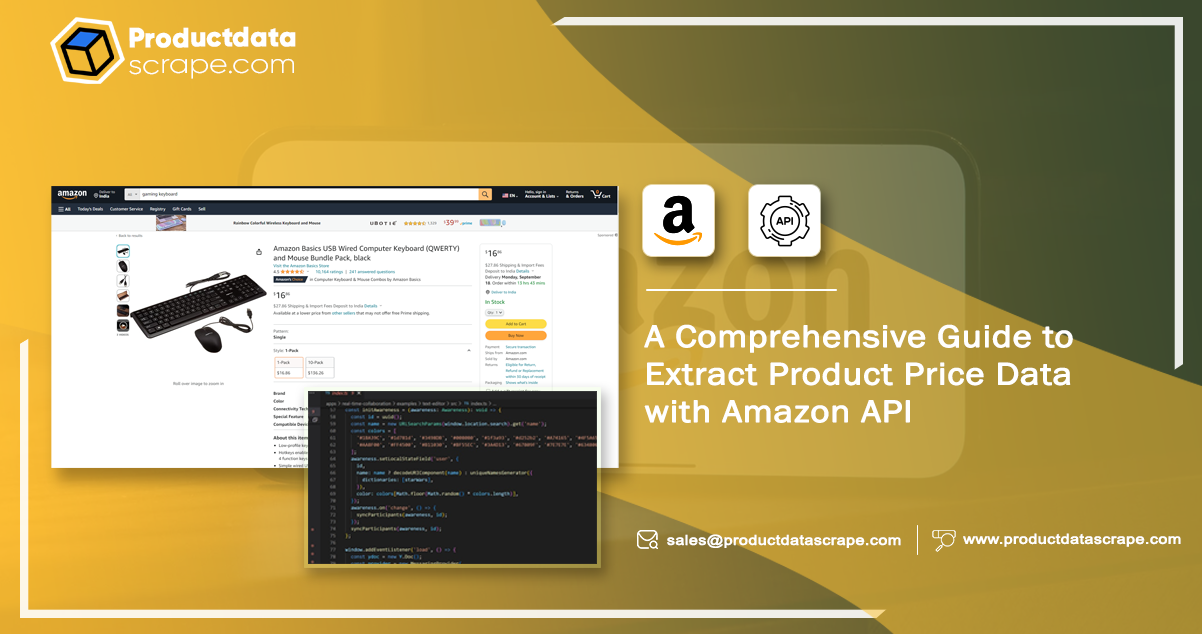
Amazon API functions as a regulated service, empowering developers to establish
HTTP endpoints, encompassing REST APIs and WebSocket APIs. This service seamlessly links
endpoints with their respective backends, efficiently managing authentication, request tracking,
and detection. Numerous serverless applications leverage Amazon APIs, replacing conventional API
servers with comprehensive serverless solutions.
API gateways play a pivotal role within a serverless architecture, bridging API
definitions and serverless functions. The remarkable capability of API gateways to swiftly
execute serverless functions in direct response to HTTP requests renders them indispensable.
Notably, they champion the cause of a serverless framework for web applications.
Integrating API Gateways with various AWS offerings makes constructing
feature-rich, user-friendly web applications more accessible without needing personal server
maintenance. This approach embodies the benefits of the serverless model to extract product
price data, including reduced maintenance overhead, enhanced functionality, and cost efficiency.
In this blog, we delve deeper into Data Scraping From Ecommerce Websites, Amazon APIs, their advantages, and underlying intricacies, offering a comprehensive exploration of their role in modern web development.
The software's versatility extends to gathering data from diverse sources like
business directories, shopping sites, search engines, job portals, and critical online content
without manual intervention.
A Glimpse of APIs
API, which stands for Application Programming Interface, is a software intermediary facilitating communication between two software systems. APIs offer a streamlined avenue for data extraction and sharing within an organization. An API establishes a defined protocol dictating how diverse software applications should engage with each other. It enables one software program to access the functionalities of others seamlessly.
In the contemporary landscape, Ecommerce Data Scraping Service plays a pivotal role in bolstering business revenue and have significantly influenced the trajectory of numerous enterprises.
About Amazon API
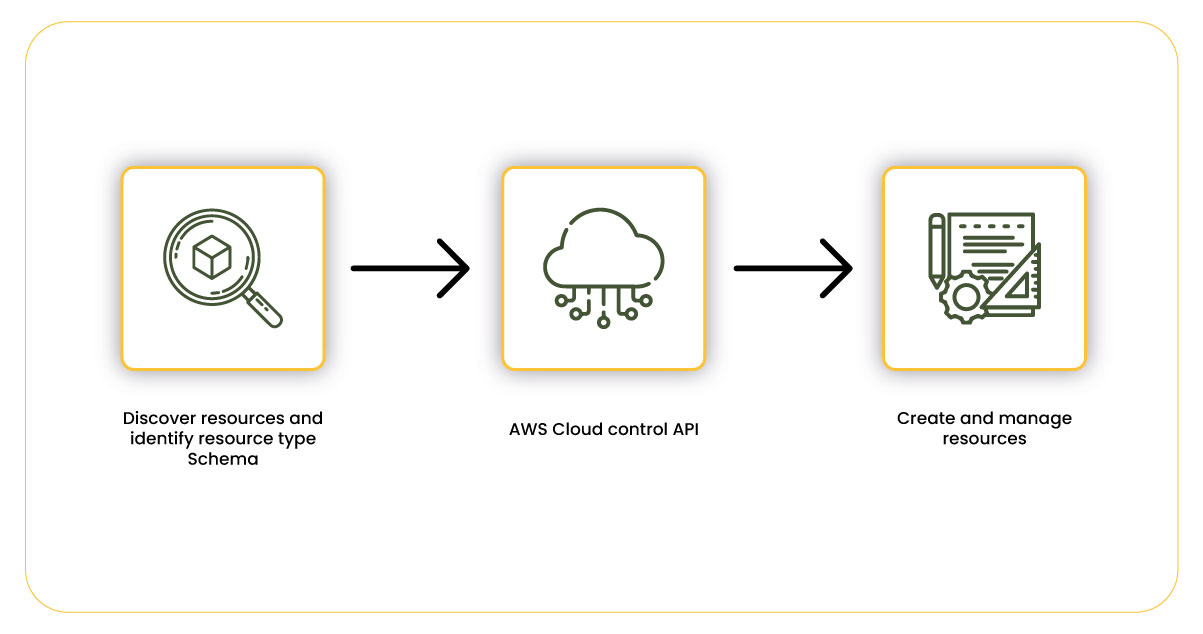
Amazon API Gateways offer a comprehensive service encompassing APIs' creation,
maintenance, publication, and security across diverse scales. These APIs are the primary entry
points for applications to access backend data and functionalities.
The API Gateway orchestrates various functions required for processing
concurrent API calls, including CORS support, authorization, access control, and monitoring.
Notably, this gateway operates without imposing minimum fees or startup costs. Instead, users
are charged based on their API calls and data transfers, allowing for cost optimization per
usage patterns and scales.
The utility of Web Scraping Retail Websites Data using APIs lies in crafting serverless HTTP APIs. These gateways effectively assume the role of API servers, managing HTTP APIs and seamlessly connecting endpoints to backend services. It includes managing authentication and traffic-related challenges.
It's important to note that Amazon Gateway does come with certain usage limits,
although many of these are expandable by engaging AWS support. Some limits, such as Regional
APIs, Integration timeouts, and Payload size, remain unalterable.
Features of Amazon API Gateway
Amazon API Gateway holds popularity within businesses due to its array of compelling features:
- Support for both stateful and stateless APIs, catering to diverse operational needs.
- Robust authentication mechanisms comprise AWS identity, Lambda authorizer, and Access
Management Policies that bolster business security.
- A dedicated developer portal empowers API developers to publish their APIs, enhancing
accessibility effortlessly.
- Comprehensive execution logging capabilities, seamlessly integrating with CloudWatch,
including access login tracking, while offering customizable alarm options.
- Seamless integration with a spectrum of AWS services, including AWS Kinesis and AWS Lambda,
amplifying its functionality and utility.
Significance of Using Amazon API Gateway
Amazon API Gateways offer a range of compelling benefits:
Efficient API Development: Amazon API enables users to run
multiple versions of the same API, facilitating swift testing and deployment. Payment is based
on API calls, eliminating upfront commitments or minimum fees.
Seamless Monitoring: The gateway provides performance insights
into API calls, data delays, and error rates. Monitoring is streamlined through Amazon
CloudWatch, enhancing visibility.
Customizable Security Controls: Amazon offers authorized
access via AWS Identity and Amazon Cognito. Native OIDC support, OAuth integration, and Lambda
authorizer with AWS Lambda cater to varied authorization needs.
Cost-Effective: Amazon API Gateways offer tiered pricing for
API requests. API Request costs are meager, as low as $0.90 per million requests for the highest
tier. Costs can decrease further as API usage scales.
Optimized Performance: Amazon API minimizes delay in sending
API requests and accelerates responses using its global network of edge locations via Amazon
CloudFront. It reduces unnecessary backend calls, ensuring resilience during traffic
fluctuations.
RESTful API Options: Amazon API facilitates the creation of
RESTful APIs using HTTP and REST APIs. HTTP APIs are preferable for most cases due to their
affordability (approximately 71% cheaper) and suitability. REST APIs are best for scenarios
requiring API proxy functions and comprehensive management features.
Amazon API Gateways empower users with efficient development, robust
monitoring, adaptable security, cost efficiency, optimal performance, and versatile API creation
options.
Steps to Scrape Price Data Using Amazon API
Listed below are the steps to extract product price Data with Amazon API
Utilize Amazon Advertising API: Leverage the Amazon Product Data Scraping Services to retrieve current price data. This API enables you to extract price details, product descriptions, reviews, images, stock availability, and other pertinent information from the e-commerce platform.
Access Amazon Price Method: Begin by accessing the Amazon Price method, which requires specifying the region and the 10-digit ASIN of the desired product.
Parse JSON Response: The API response arrives in JSON format. Employ a price tracker script, such as Google scripts, to parse this JSON response effectively.
Acquire Access Keys: Obtain private and public access keys from the AWS Management Console. These keys are crucial for authentication and integration into PHP snippets.
Include Amazon Affiliate ID: Incorporate your Amazon Affiliate ID specific to the respective country's Amazon Affiliate Program.
Extract Price Information: With all components in place, extract the relevant price information from the website per your specific requirements.
By following these steps to extract product price data using Amazon API, you can seamlessly scrape price information from Amazon using the API, gaining insights for informed decision-making and pricing strategies.
Conclusion: Amazon API is a fully-managed solution that streamlines developer tasks by simplifying APIs' creation, publication, maintenance, monitoring, and security. It supports tasks like building serverless applications and establishing HTTP proxies, contributing to its versatile functionality. Presently, Amazon API is integral to businesses, elevating their operational capacity and market value. This service empowers informed decision-making, offering more profound insights into market dynamics for improved reach and outcomes.
Product Data Scrape is committed to upholding the utmost standards of ethical
conduct across our Competitor Price Monitoring
Services and Mobile App Data Scraping operations. With a global presence across multiple
offices, we meet our customers' diverse needs with excellence and integrity.



 Singapore
 EMAIL
EMAIL
 PHONE
PHONE













.webp)