Web scraping involves extracting data from websites using automated tools. Allegro, a central e-commerce platform in Poland, hosts many sellers offering diverse products. Allegro data extraction services allow businesses to gather valuable information from seller cards containing details such as product listings, prices, ratings, and seller feedback. Scrape Allegro seller card data to gain insights into market trends, pricing strategies, and competitor performance.
Allegro product data scraping can be instrumental in market research and competitive analysis. By collecting real-time data, businesses can adjust pricing strategies, manage inventory more effectively, and spot emerging market trends. This data helps companies stay ahead of the competition by understanding what products and sellers perform well.
However, challenges exist, as Allegro may implement anti-scraping measures like CAPTCHAs or IP blocking. These can hinder the scraping process and require businesses to adopt advanced methods.
Legal considerations are equally important. Allegro's terms of service may restrict data extraction, which can lead to penalties. To avoid legal risks, businesses should ensure compliance with Allegro's data policies and, if necessary, use public APIs for data access. If done ethically and legally, scraping Allegro seller cards can provide significant business insights.
What is an Allegro Seller Card?
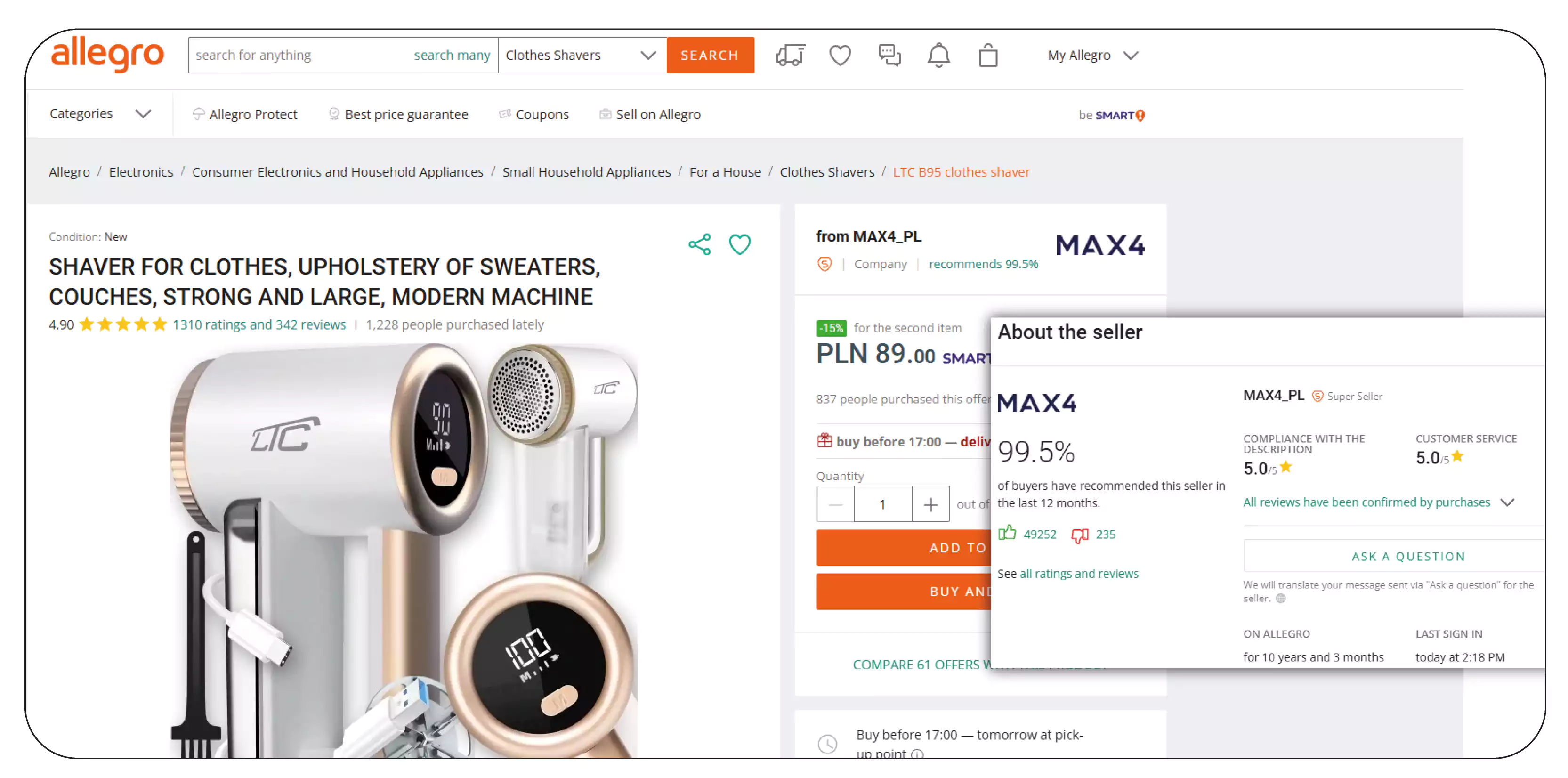
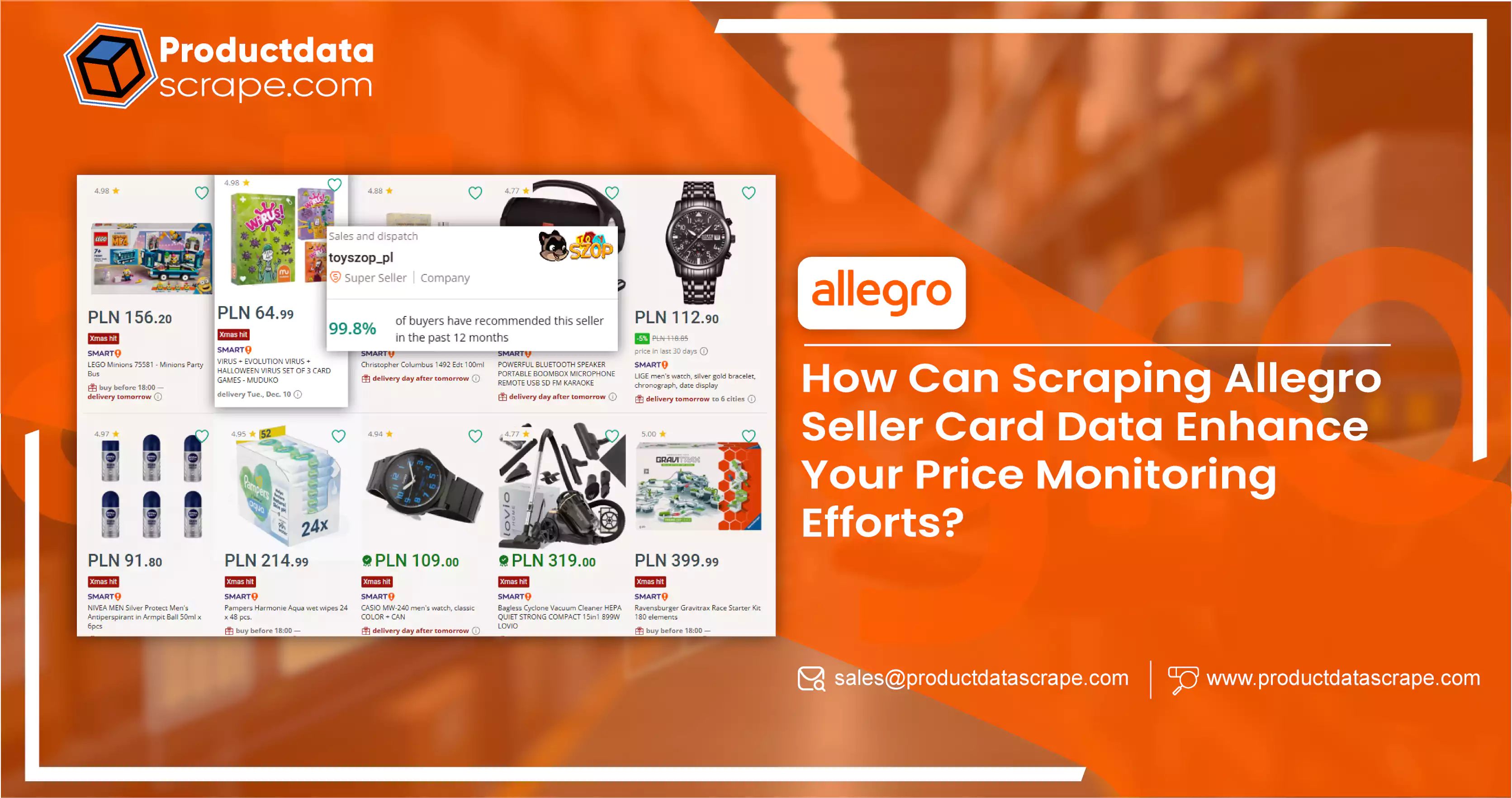
An Allegro seller card is a dedicated profile page for each seller on the Allegro platform. It includes essential information about the seller, such as their store name, rating, product catalog, and customer feedback. Sellers on Allegro may operate in different categories, ranging from electronics to fashion, and each seller card serves as a way for buyers to evaluate the trustworthiness and offerings of a seller. Scraping specific data from Allegro seller cards allows businesses and analysts to extract valuable insights from these profiles, such as top-selling products, pricing strategies, and customer satisfaction levels. This data helps understand market trends and competitor performance. Seller cards are a vital part of the e-commerce ecosystem, helping customers make informed purchasing decisions while providing businesses with crucial information to optimize their strategies.
The seller card typically includes the following elements:
1. Seller Profile Information: The name, logo, and short description of the seller.
2. Rating and Reviews: Feedback from previous customers, including overall ratings and reviews.
3. Product Listings: A catalog of products the seller offers, often with links to individual product pages.
4. Performance Metrics: Information about the seller's reliability, delivery times, and other key performance indicators.
5. Contact Information: Methods of communication between the buyer and the seller, such as customer service details.
Web scraping automotive data involves collecting these various details in an organized manner for analysis or business purposes.
Why Scrape Allegro Seller Cards?
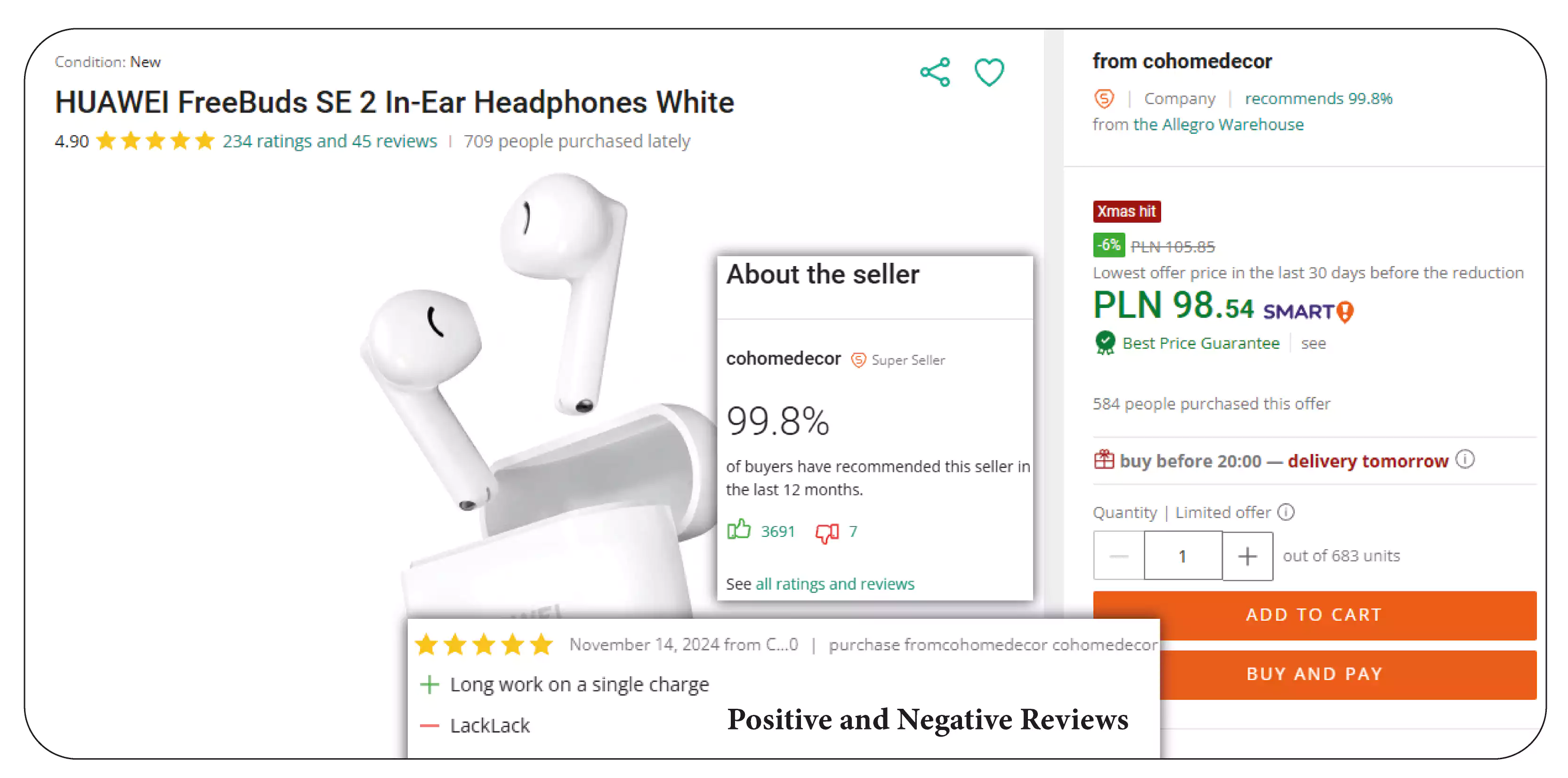
Allegro e-commerce data scraping cards can benefit businesses, researchers, and analysts, particularly when they want to gain insights into competitive dynamics or consumer behavior within specific marketplaces. Here are some reasons why real-time Allegro data extraction is essential:
1. Market Analysis and Competitor Research: Extract product prices from Allegro seller cards; businesses can analyze competitors' offerings, pricing strategies, product descriptions, and sales performance. This data can provide insights into the competitiveness of a particular market or category.
2. Pricing and Trend Monitoring: Web scraping e-commerce websites allows businesses to track price changes and trends in real-time. By monitoring multiple sellers' pricing strategies, companies can adjust their pricing models to stay competitive or find price anomalies.
3. Product and Seller Performance Metrics: Analyzing seller ratings, feedback, and overall performance can offer valuable insights into what makes a seller successful. Tracking the number of positive and negative reviews can highlight the factors influencing customer satisfaction and the quality of service or products offered.
4. Building Product Catalogs: eCommerce dataset scraping allows businesses that rely on affiliate marketing or sell on other e-commerce platforms to build detailed product catalogs from multiple sellers. This can help create comparison websites, affiliate marketing tools, or other business intelligence products.
5. Market Trends and Consumer Behavior: Scraping data from multiple seller profiles over time can help identify consumer preferences, product popularity, and market shifts. This data type can forecast demand and adjust inventory strategies or marketing approaches accordingly.
6. Data Enrichment: Auto parts data scraping from Allegro helps businesses enrich their existing data. For example, if a business already has a list of products and vendors, adding performance metrics from Allegro can help them build a more comprehensive view of their supply chain.
Key Data Points in Allegro Seller Cards
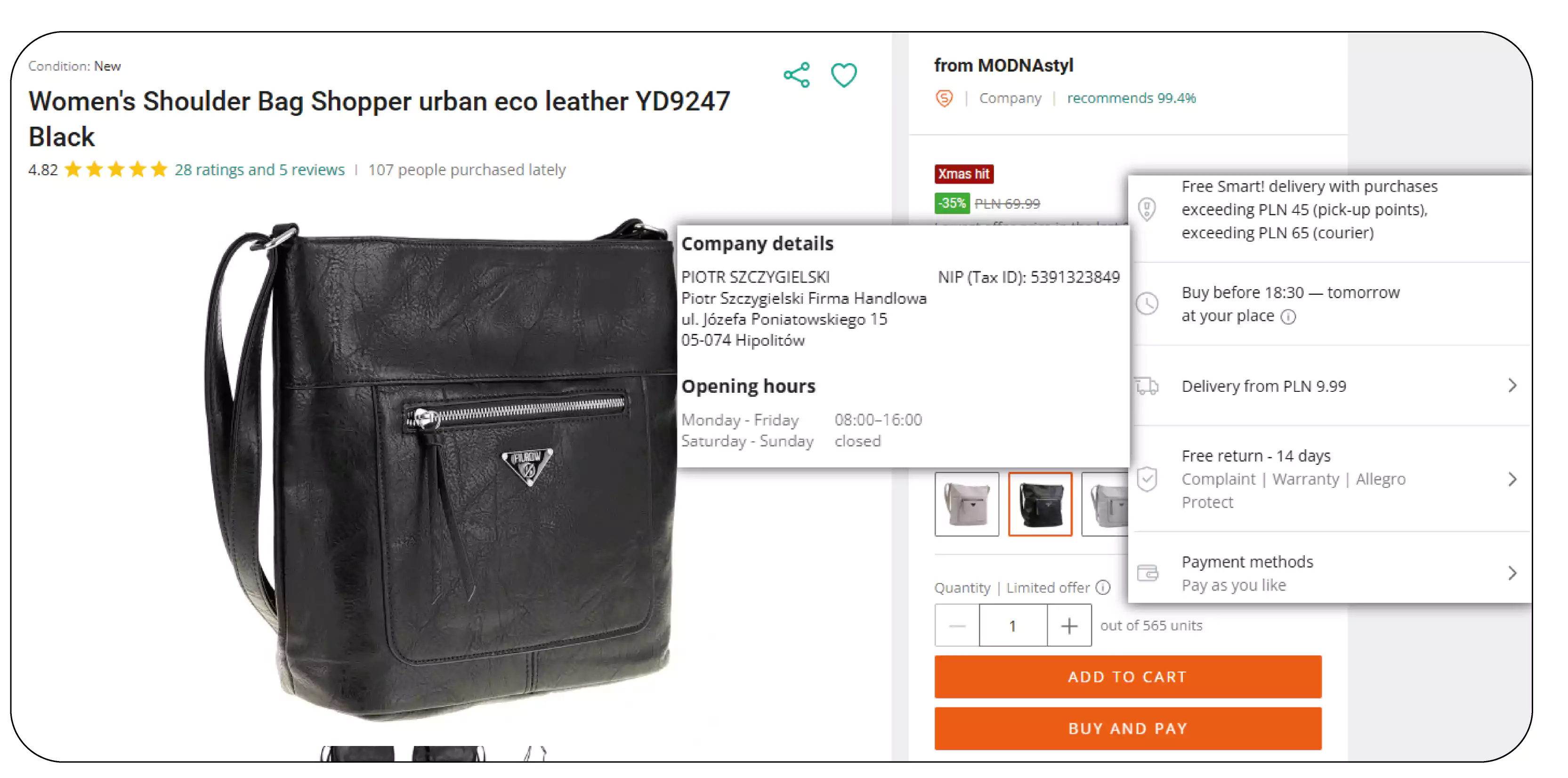
The data extracted from Allegro seller cards can be vast, covering several aspects of a seller's operation. Here are the primary data points typically scraped from these cards:
1. Seller Information: This includes the seller's name, logo, and description, which can help categorize sellers based on business size, industry, or type.
2. Rating: Sellers are often rated based on various criteria, such as product quality, customer service, and delivery time. This is one of the most critical data points for gauging a seller's reputation and trustworthiness.
3. Customer Feedback: Scraping customer reviews and feedback allows businesses to understand how well a seller is performing, their level of customer satisfaction, and any recurring issues that customers might face.
4. Product Catalog: The seller's list of products, including product names, prices, descriptions, and availability, can be scraped from the seller card. Businesses can then compare offerings across sellers to identify market trends.
5. Transaction History and Seller Performance Metrics: This data includes insights into the seller's transaction history, including the number of sales they've completed and the average delivery times. This can help assess a seller's reliability.
6. Shipping Information: Shipping methods, delivery times, and associated costs are also valuable for competitive analysis. This information can be used to gauge a seller's logistics efficiency and identify opportunities for cost reductions.
7. Return and Refund Policy: Sellers' return and refund policies are crucial for customers making purchasing decisions. Extracting this information can help businesses evaluate whether their policies align with customer preferences or if adjustments are needed.
8. Seller Location: Understanding a seller's geographic location can provide insights into logistics and the speed of delivery. This is especially important for businesses operating across different regions or countries.
Potential Uses for Allegro Seller Data
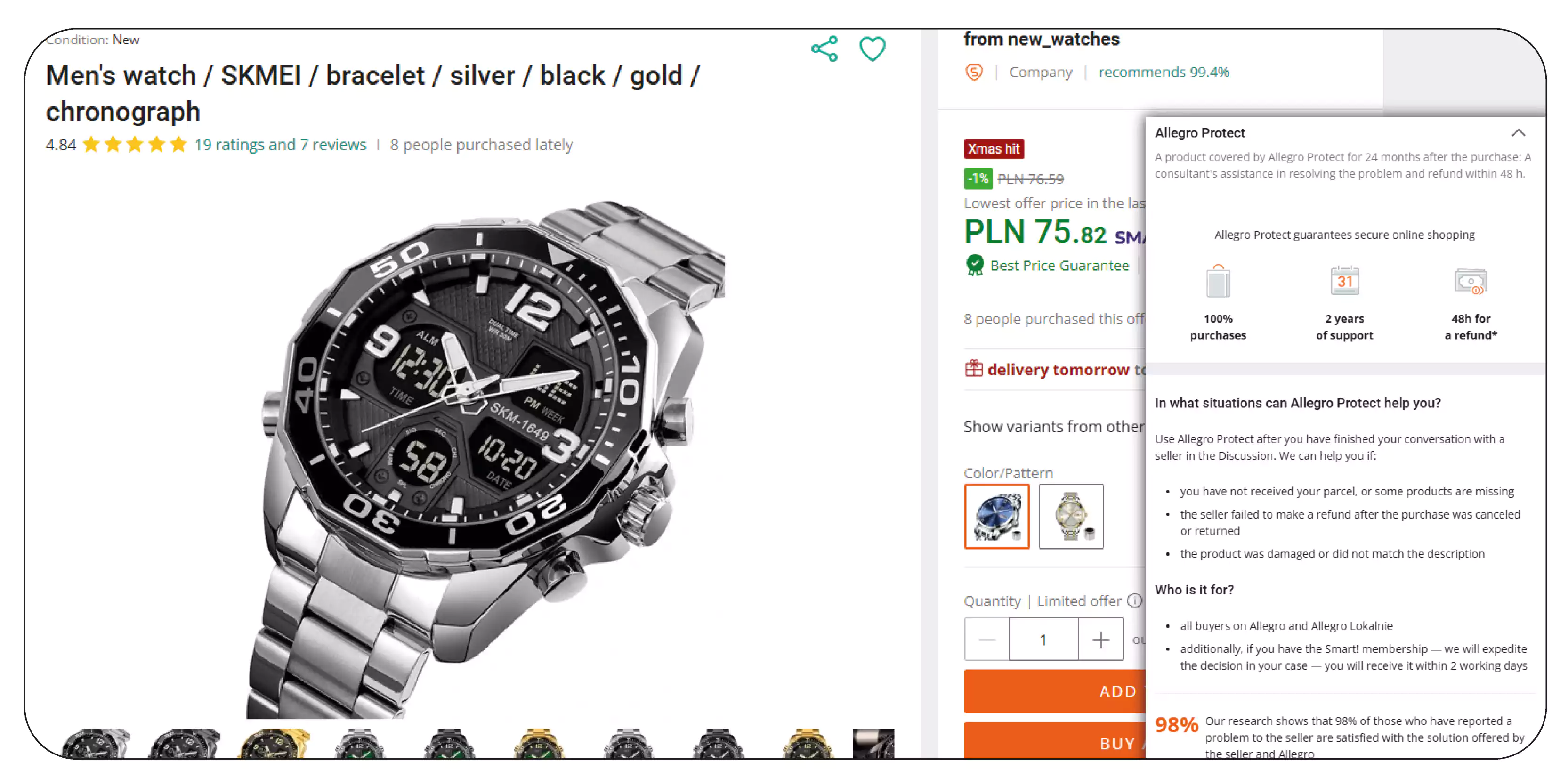
Once the data is extracted from Allegro seller cards, it can be used in a variety of ways:
1. Business Intelligence and Strategy: Compiling data from multiple seller cards allows businesses to gain a deeper understanding of the competitive landscape. This allows them to develop better business strategies by identifying market gaps, emerging trends, and areas for improvement.
2. E-Commerce Optimization: Companies that operate in e-commerce can use scraped data to refine their offerings and improve their customer experience. By understanding what works well for successful sellers, businesses can adapt their strategies to optimize product listings, marketing, and customer service.
3. Customer Insights: Analyzing feedback from multiple customers can help businesses gauge what buyers value the most, whether it's product quality, shipping times, or customer support. This information can help companies tailor their product development and customer engagement strategies.
4. Automated Price Comparison Tools: Scraped data from Allegro seller cards can be fed into automated systems to provide real-time price comparisons across multiple platforms. This can benefit consumers looking for the best deals or businesses aiming to stay competitive in pricing.
5. Creating Comparison Websites: Entrepreneurs can use the scraped data to build websites that compare products across various sellers. These sites can give consumers valuable decision-making tools when shopping on platforms like Allegro.
Challenges in Scraping Allegro Seller Cards
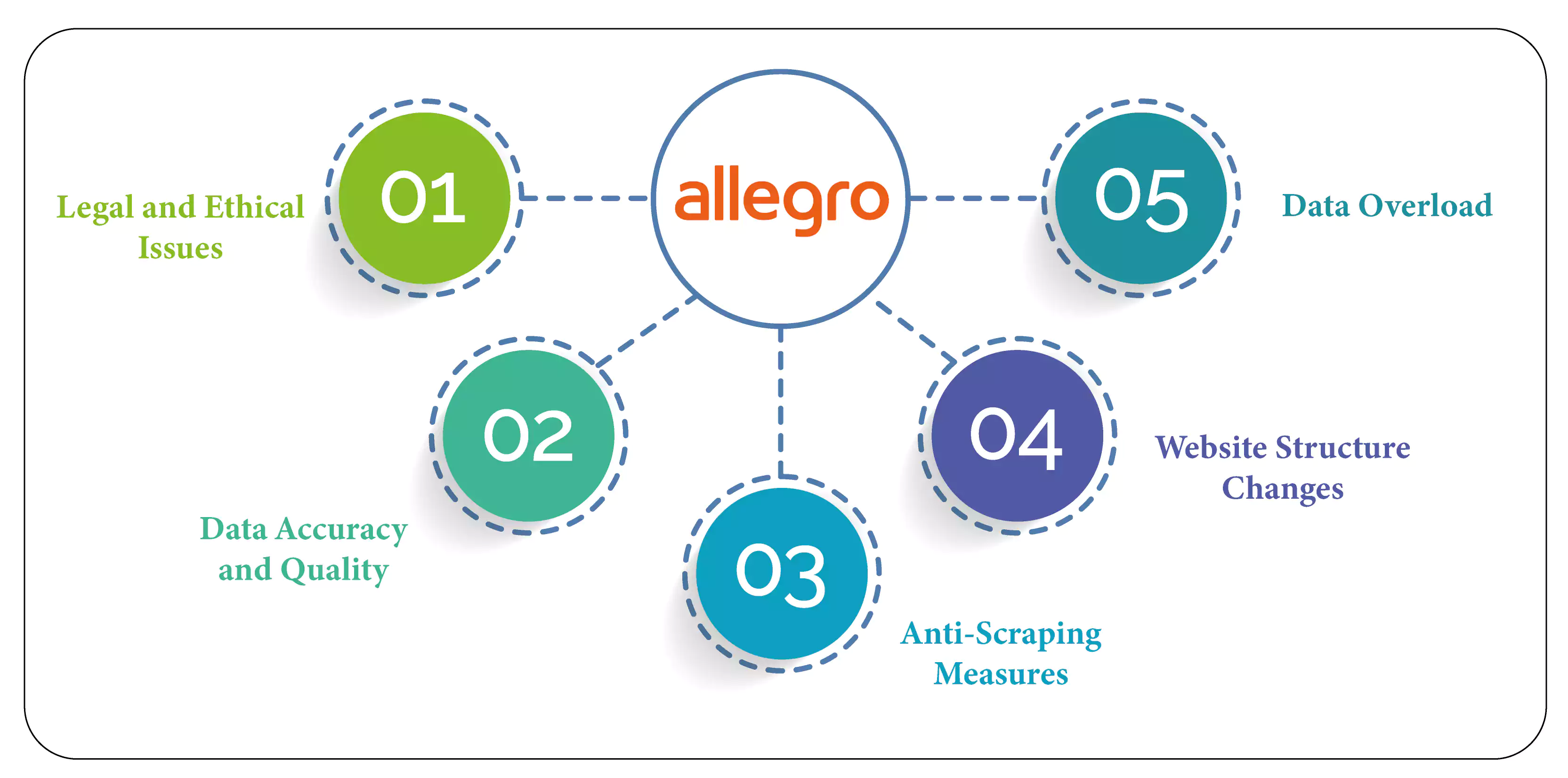
While Allegro pricing data scraping offers numerous benefits, there are several challenges that businesses may encounter when scraping Allegro seller cards:
1. Legal and Ethical Issues: Web scraping can raise legal concerns, particularly when scraping involves bypassing terms of service or violating copyright or privacy laws. Allegro's terms of service may prohibit unauthorized scraping, and businesses must ensure they comply with local data privacy and intellectual property regulations.
2. Data Accuracy and Quality: Extracted data may be incomplete, outdated, or inaccurate. It is essential to ensure that the data scraping tool is reliable and that the extracted data is cleaned and verified for accuracy before use.
3. Anti-Scraping Measures: Many websites, including Allegro, implement anti-scraping measures to prevent large-scale data extraction. These can include CAPTCHAs, IP blocking, or limiting the number of requests. Businesses must be aware of these mechanisms and find ethical ways to navigate them.
4. Website Structure Changes: E-commerce platforms like Allegro may regularly change their website layout or structure. This can break the functionality of web scraping tools, requiring frequent updates to maintain accurate data collection.
5. Data Overload: Allegro hosts thousands of sellers, and scraping data from each can result in large datasets that are difficult to manage. Filtering and processing relevant data efficiently is critical for extracting meaningful insights.
Legal Considerations for Web Scraping Allegro Seller Cards

Before scraping Allegro seller cards, it is crucial to understand the legal landscape. Different regions have varying laws related to data scraping, including privacy laws like the GDPR in Europe. Like many e-commerce platforms, Allegro may have service terms prohibiting automated data extraction. Businesses need to review these terms and applicable laws to ensure compliance and avoid potential legal issues.
Using web scraping ethically involves respecting the rights of data owners and ensuring that data is used in a manner that benefits both the scraper and the data provider. Seeking permission from Allegro or working with APIs where available can be alternative ways to access the data legally.
Conclusion
Web scraping Allegro seller cards offers a wealth of insights for businesses and analysts, from competitor research and pricing strategy to customer feedback and product catalog monitoring. Price monitoring is crucial to scraping these seller cards, allowing businesses to track price fluctuations and adjust their strategies accordingly. While the process comes with challenges—such as legal considerations, anti-scraping measures, and data management—those who can effectively navigate these obstacles stand to gain valuable information that can drive more intelligent business decisions and enhance e-commerce strategies. As with any data scraping initiative, ethical practices, respect for legal boundaries, and attention to data accuracy are vital to ensuring the long-term success of such projects.
At Product Data Scrape, we strongly emphasize ethical practices across all our services, including Competitor Price Monitoring and Mobile App Data Scraping. Our commitment to transparency and integrity is at the heart of everything we do. With a global presence and a focus on personalized solutions, we aim to exceed client expectations and drive success in data analytics. Our dedication to ethical principles ensures that our operations are both responsible and effective.



 Singapore
 EMAIL
EMAIL
 PHONE
PHONE


.webp "thumb")








.webp)