Introduction
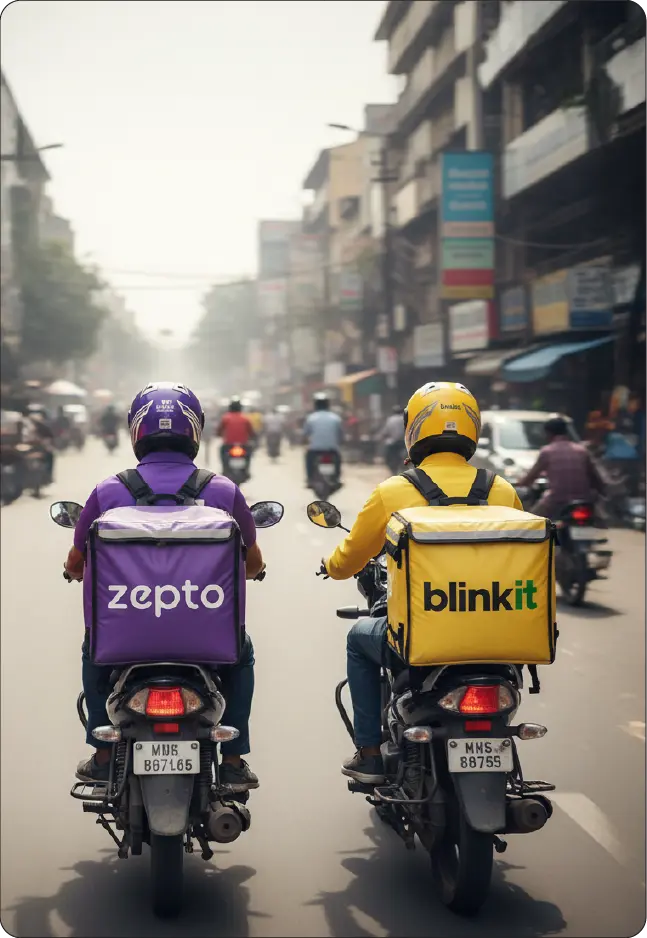
India’s quick commerce landscape has shifted from city-level competition to hyperlocal pricing wars. In 2026, grocery prices can vary dramatically not just between platforms, but between adjacent pincodes. This shift has forced brands, retailers, and analysts to rethink how they monitor pricing performance in real time.
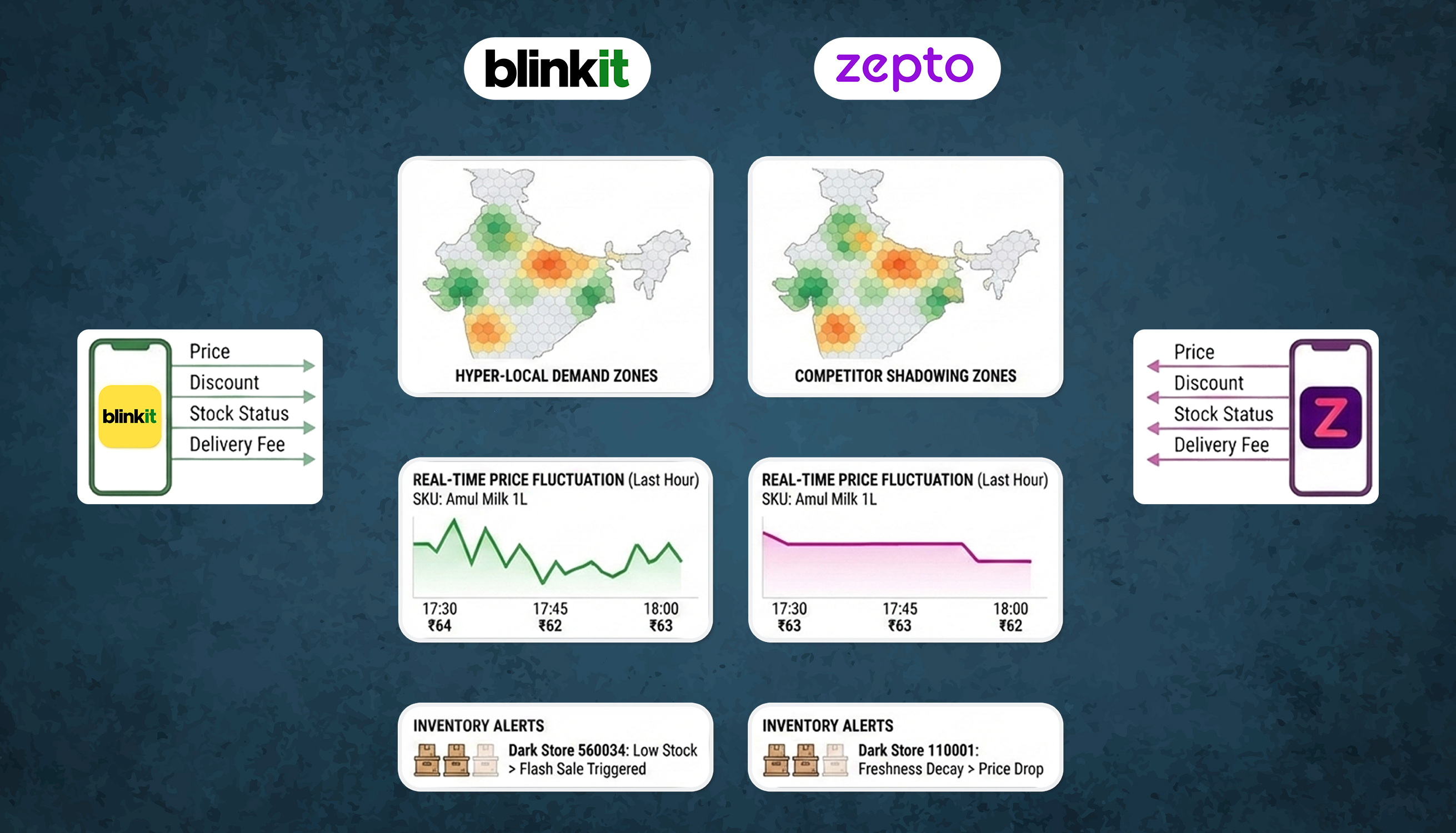
To stay competitive, businesses now Track Blinkit vs Zepto Prices at Pincode level instead of relying on national or city-wide averages. This granular visibility helps identify where discounts are aggressive, where margins are under pressure, and where demand is strongest.
Equally important is the role of structured datasets. A reliable Grocery store dataset for Supermarket analysis allows brands to benchmark online quick commerce prices against offline retail, ensuring consistency across channels. With consumer price sensitivity at an all-time high, pincode-level intelligence has become a core requirement for pricing, promotion planning, and AI-driven forecasting.
Hyperlocal Pricing Becomes the New Battleground
From 2020 to 2026, Blinkit and Zepto expanded rapidly into dense urban neighborhoods, making pricing highly localized. Brands now scrape blinkit and zepto prices by pincode 2026 to capture these micro-market variations.
Pincode-Level Price Variance (%)
| Year |
Avg Variance |
Max Variance |
| 2020 |
3% |
6% |
| 2022 |
7% |
12% |
| 2024 |
11% |
18% |
| 2026* |
16% |
25% |
This data reveals how delivery radius, local inventory, and competitor presence influence pricing. Brands using pincode-level extraction can quickly react to undercutting strategies and optimize regional promotions before revenue is impacted.
Understanding Blinkit’s Local Pricing Structure
Blinkit’s pricing strategy is closely tied to its dark store network. The Blinkit Grocery Store Dataset provides SKU-level visibility into pricing, availability, and discounting across thousands of pincodes.
Blinkit Dataset Growth
| Year |
SKUs Tracked |
Pincodes Covered |
| 2020 |
3,800 |
420 |
| 2023 |
22,000 |
2,100 |
| 2026* |
65,000 |
5,800 |
Brands analyze this dataset to understand where Blinkit prioritizes customer acquisition through discounts versus margin protection. Such insights help align channel pricing strategies and prevent conflicts with distributors and offline retailers.
Decoding Zepto’s Aggressive Expansion Model
Zepto’s growth strategy has relied heavily on speed and aggressive pricing. The Zepto Grocery Store Dataset captures how SKU prices fluctuate based on pincode-level demand and warehouse proximity.
Zepto Discount Frequency (Days/Month)
| Year |
Avg Discount Days |
| 2020 |
8 |
| 2023 |
16 |
| 2026* |
23 |
This dataset helps brands understand where Zepto applies deeper discounts to gain market share. By comparing this data against sales performance, brands can make informed decisions about inventory allocation and promotional funding.
Competitive Pricing Through Data Intelligence
Price competition between Blinkit and Zepto is continuous and dynamic. Conducting blinkit vs zepto competitive pricing analysis enables brands to identify which platform consistently undercuts the other at the pincode level.
Average SKU Price Difference (₹)
| Category |
Blinkit |
Zepto |
| Staples |
104 |
99 |
| Snacks |
57 |
53 |
| Beverages |
81 |
76 |
Such analysis supports smarter negotiation with platforms and helps brands decide where to invest promotional budgets for maximum ROI.
Measuring Platform Dominance Across Regions
The question of Blinkit vs Zepto - Who Wins India’s Quick Commerce War cannot be answered at a national level alone. Pincode-level data shows that dominance varies widely by neighborhood.
Market Share by Pincode Type (2026*)
| Area Type |
Blinkit |
Zepto |
| Premium Urban |
58% |
42% |
| Mid-Income |
47% |
53% |
| High-Density |
44% |
56% |
These insights allow brands to tailor strategies regionally rather than adopting one-size-fits-all pricing models.
Powering AI Models with Hyperlocal Data
AI-driven pricing and demand forecasting require clean, granular inputs. The pincode level grocery price comparison blinkit zepto for AI provides training data for models that predict price elasticity, demand spikes, and promotional impact.
AI Readiness Indicators
| Metric |
2020 |
2026* |
| Data Granularity |
Low |
High |
| Prediction Accuracy |
62% |
91% |
| Real-Time Inputs |
Limited |
Extensive |
Such datasets enable brands to move from reactive pricing to predictive strategies.
Why Choose Product Data Scrape?
Product Data Scrape delivers scalable, compliant, and high-accuracy data solutions for quick commerce intelligence. Our ability to Buy Custom Dataset Solution ensures businesses receive exactly the data they need. By enabling brands to Track Blinkit vs Zepto Prices at Pincode, we help transform fragmented pricing signals into actionable insights that drive smarter decisions and sustained growth.
Conclusion
In 2026, pricing battles are won at the pincode level, not the city level. Brands that invest in granular intelligence gain a decisive advantage. With access to a reliable grocery price trend dataset, organizations can respond faster to competition and protect margins. By choosing solutions that Track Blinkit vs Zepto Prices at Pincode, brands unlock clarity in an increasingly complex quick commerce ecosystem.
Partner with Product Data Scrape today and gain hyperlocal pricing intelligence that drives results!
FAQs
1. Why is pincode-level pricing data important?
It reveals local price variations that city-level averages miss, helping brands optimize promotions and prevent margin loss.
2. How often do Blinkit and Zepto prices change?
Prices can change multiple times daily based on demand, inventory, and competition.
3. Can this data support AI-driven pricing models?
Yes, granular historical and real-time data improves forecasting accuracy significantly.
4. Who typically uses this type of dataset?
FMCG brands, retailers, analytics teams, and pricing strategists rely on it.
5. Does Product Data Scrape offer customized extraction?
Yes, Product Data Scrape provides tailored datasets by pincode, category, and business requirement.



 Singapore
 EMAIL
EMAIL
 PHONE
PHONE










.webp)