Introduction
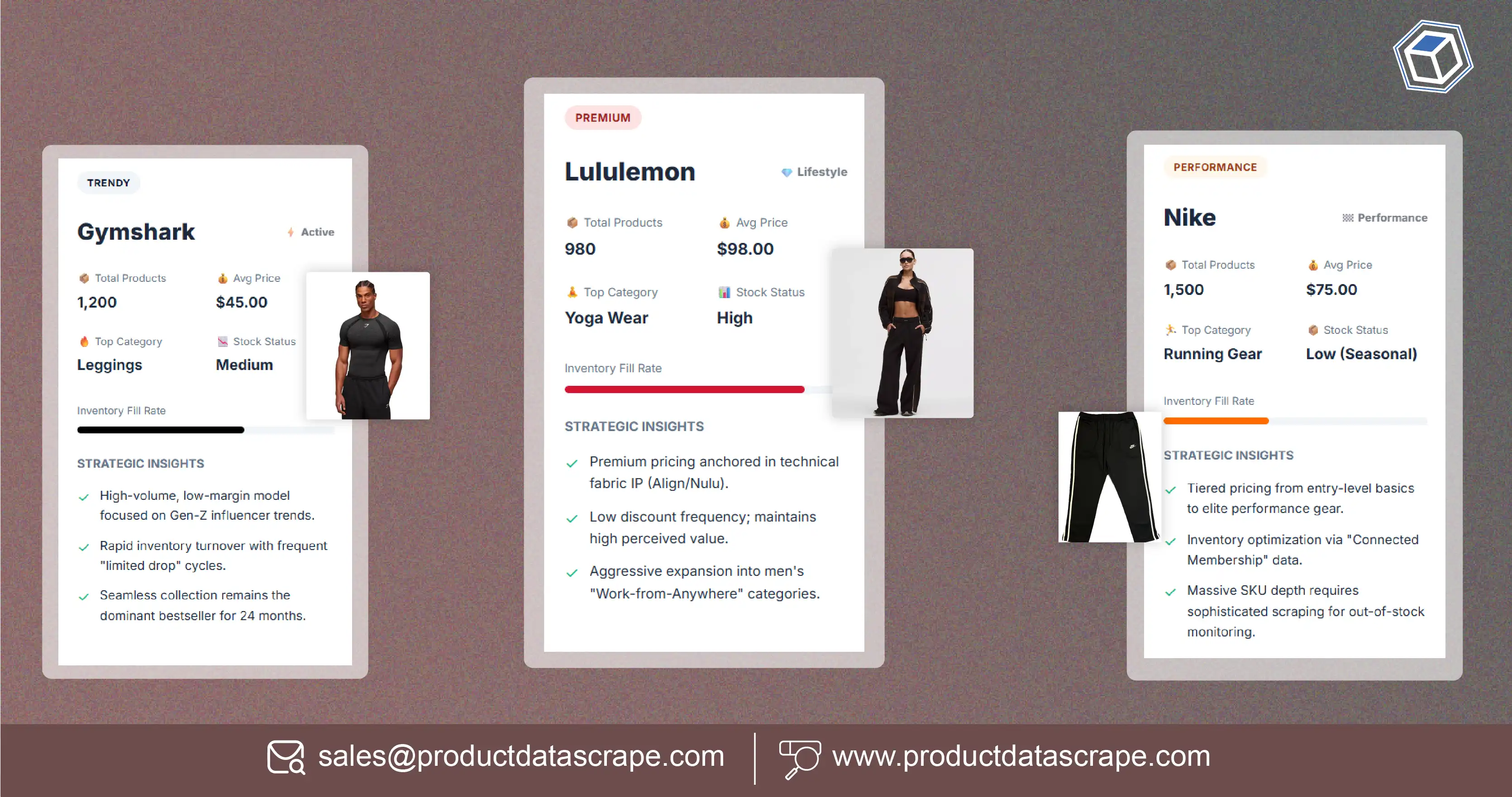
In the rapidly evolving direct-to-consumer (D2C) landscape, data has become the backbone of competitive strategy. Brands are increasingly turning to Scrape D2C Activewear product data - Gymshark.com vs Lululemon.com vs Nike to understand market dynamics, pricing trends, and consumer demand patterns. By analyzing product listings, stock availability, and promotional strategies, companies can make smarter inventory and merchandising decisions.
Leveraging tools to Extract Fashion & Apparel Data enables businesses to gain deep insights into product assortments, seasonal launches, and category performance. This intelligence is crucial for optimizing stock levels, avoiding overproduction, and ensuring that high-demand items are always available. As competition intensifies among activewear giants, data-driven decision-making is no longer optional—it’s essential for survival and growth in the global eCommerce market.
Building a Competitive Product Intelligence Framework
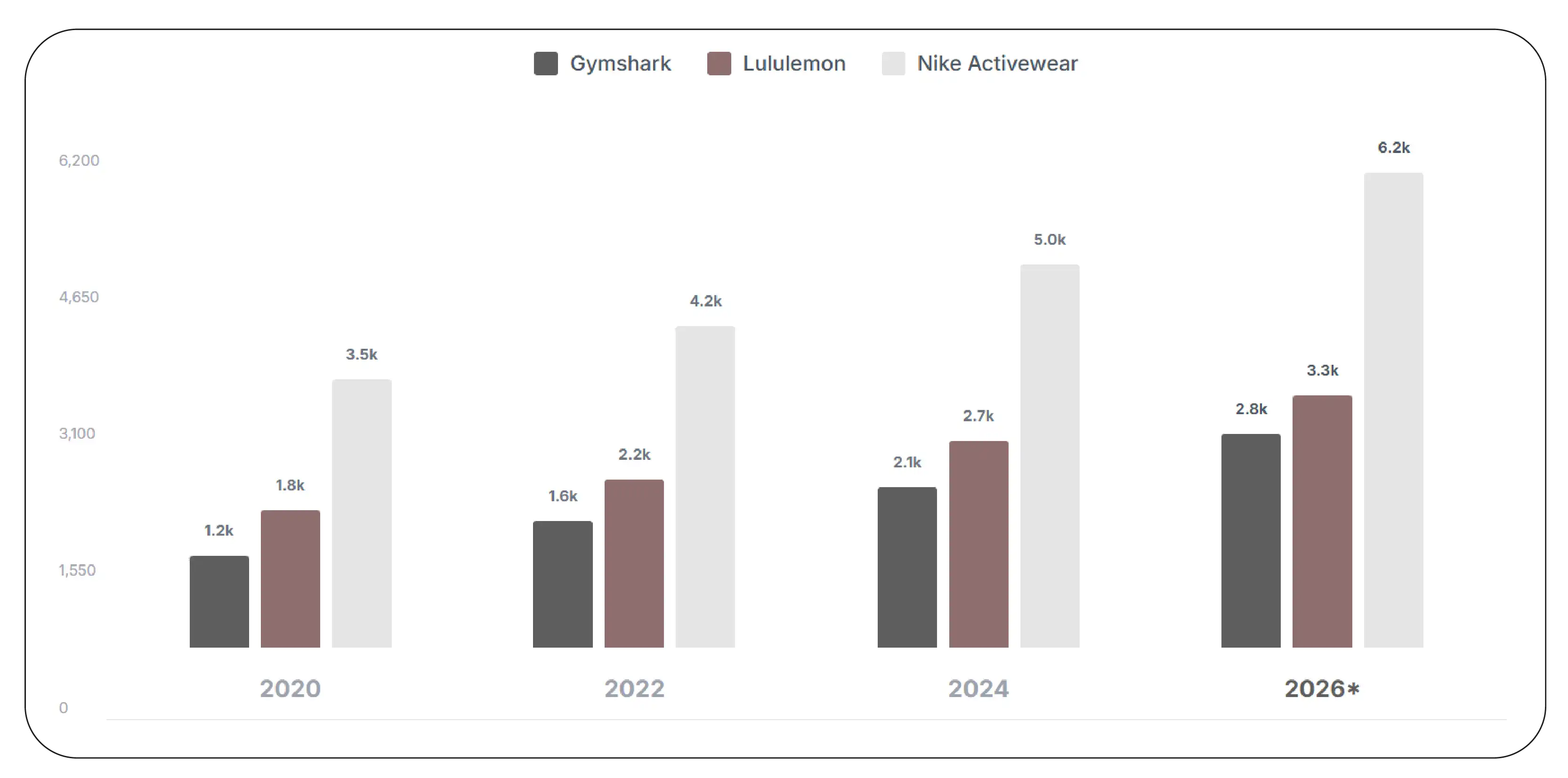
To stay ahead, brands need a structured approach to analyzing competitor data. By leveraging Gymshark vs Lululemon vs Nike product Data Scraping, eCommerce Dataset, companies can monitor product catalogs, new arrivals, and discontinued items across leading platforms.
Between 2020 and 2026, the growth of activewear SKUs highlights the increasing complexity of inventory management:
Gymshark vs Lululemon vs Nike – Activewear SKUs Growth (2020–2026)
| Year |
Gymshark SKUs |
Lululemon SKUs |
Nike Activewear SKUs |
| 2020 |
1,200 |
1,800 |
3,500 |
| 2022 |
1,650 |
2,200 |
4,200 |
| 2024 |
2,100 |
2,700 |
5,000 |
| 2026* |
2,800 |
3,300 |
6,200 |
This surge in product variety requires brands to adopt advanced analytics to identify best-performing categories and eliminate underperforming SKUs. Data scraping enables real-time visibility into competitor inventories, helping businesses align their offerings with market demand.
Additionally, brands can analyze product lifecycle trends to determine when to introduce new collections or phase out older ones. This proactive approach minimizes waste and ensures optimal inventory turnover.
Leveraging Pricing Insights for Profit Optimization
Pricing plays a critical role in influencing customer purchase decisions. By utilizing Activewear Price Intelligence: Gymshark vs Lululemon vs Nike, Web Scraping API Services, brands can track price fluctuations, discounts, and promotional campaigns across competitors.
Pricing Trends – Gymshark vs Lululemon vs Nike (2020–2026)
| Year |
Avg Price (Gymshark) |
Avg Price (Lululemon) |
Avg Price (Nike) |
| 2020 |
$45 |
$85 |
$70 |
| 2022 |
$50 |
$92 |
$75 |
| 2024 |
$55 |
$98 |
$80 |
| 2026* |
$60 |
$105 |
$88 |
These insights allow brands to position their products strategically within the market. For example, understanding premium pricing trends can help mid-tier brands adjust their pricing models to remain competitive while maintaining margins.
Moreover, analyzing discount patterns helps businesses plan their own promotional calendars effectively. This ensures they attract customers without eroding profitability, ultimately leading to sustainable growth.
Improving Inventory Decisions with Data-Driven Insights

Accurate inventory management is crucial for reducing costs and meeting customer expectations. By leveraging Scrape Activewear Product Data - Gymshark, Lululemon & Nike, Pricing Intelligence Services, brands can track stock availability and demand patterns in real time.
Inventory Efficiency Trends (2020–2026)
| Year |
Stock-Out Rate (%) |
Overstock Rate (%) |
Inventory Turnover |
| 2020 |
18% |
22% |
3.5 |
| 2022 |
15% |
18% |
4.1 |
| 2024 |
12% |
14% |
4.8 |
| 2026* |
9% |
10% |
5.6 |
With access to real-time inventory data, brands can predict demand more accurately and adjust stock levels accordingly. This reduces the risk of stockouts during peak seasons and minimizes excess inventory that leads to markdowns.
Additionally, data insights enable better coordination between supply chain partners, ensuring timely replenishment and improved customer satisfaction.
Identifying Emerging Trends in Activewear
Understanding consumer preferences is essential for designing products that resonate with the market. By using Tracking Activewear Trends - Gymshark, Lululemon & Nike, Digital Shelf Analytics, brands can monitor trending styles, colors, and materials.
Trend Adoption in Activewear (2020–2026)
| Year |
Sustainable Products (%) |
Athleisure Demand (%) |
Performance Wear Growth (%) |
| 2020 |
20% |
45% |
35% |
| 2022 |
28% |
52% |
40% |
| 2024 |
36% |
58% |
46% |
| 2026* |
45% |
65% |
52% |
These insights help brands align their product development strategies with market trends. For instance, the growing demand for sustainable activewear encourages companies to invest in eco-friendly materials.
By staying ahead of trends, businesses can launch products that meet customer expectations and drive higher sales.
Enhancing Product Assortment Strategies
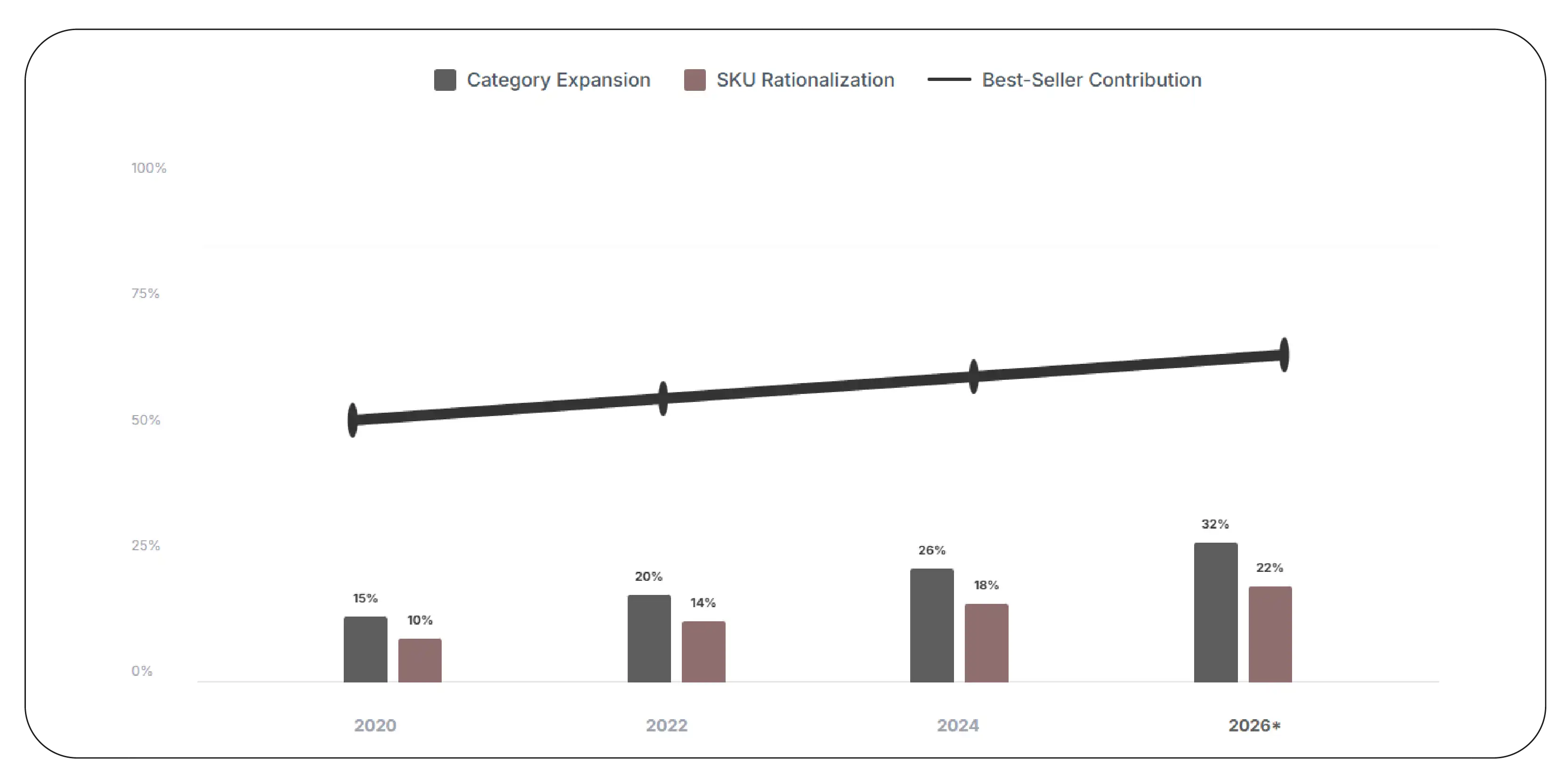
A well-curated product assortment is key to maximizing revenue. By leveraging Extract Gymshark vs Lululemon vs Nike product Data, brands can analyze category performance and identify gaps in their offerings.
Assortment Optimization Trends (2020–2026)
| Year |
Category Expansion (%) |
Best-Seller Contribution (%) |
SKU Rationalization (%) |
| 2020 |
15% |
60% |
10% |
| 2022 |
20% |
65% |
14% |
| 2024 |
26% |
70% |
18% |
| 2026* |
32% |
75% |
22% |
Data-driven assortment strategies enable brands to focus on high-performing categories while eliminating redundant products. This improves operational efficiency and enhances customer experience.
Additionally, analyzing competitor assortments helps businesses identify opportunities for differentiation, allowing them to stand out in a crowded market.
Scaling Data Extraction for Market Leadership
As eCommerce continues to grow, the ability to scale data extraction becomes increasingly important. By leveraging Extract Gymshark.com Fashion & Apparel Data, brands can access comprehensive datasets that support strategic decision-making.
Data Scalability Trends (2020–2026)
| Year |
Data Volume (TB) |
Automation Level (%) |
Decision Accuracy (%) |
| 2020 |
1.8 |
35% |
60% |
| 2022 |
3.2 |
50% |
68% |
| 2024 |
5.5 |
65% |
76% |
| 2026* |
8.9 |
80% |
85% |
Scalable data solutions enable brands to integrate multiple data sources and perform advanced analytics. This enhances forecasting accuracy and supports long-term growth strategies.
By investing in scalable data infrastructure, companies can maintain a competitive edge and adapt to changing market conditions.
Why Choose Product Data Scrape?
Choosing the right data partner is critical for success in competitive eCommerce markets. Product Data Scrape offers advanced solutions to Extract Lululemon.com Fashion & Apparel Data with high accuracy and reliability. Their services provide real-time insights into pricing, inventory, and product trends, enabling businesses to make informed decisions.
With scalable infrastructure and customizable solutions, Product Data Scrape ensures seamless integration with existing systems. Their expertise in handling large datasets and delivering actionable insights makes them a trusted partner for brands looking to optimize inventory and product strategies effectively.
Conclusion
In a highly competitive D2C environment, data-driven strategies are essential for optimizing inventory and product planning. By leveraging advanced tools to Extract Nike Fashion & Apparel Data, brands can gain valuable insights into pricing, trends, and customer preferences.
From improving inventory turnover to identifying emerging trends, data scraping empowers businesses to make smarter decisions and stay ahead of the competition. As the activewear market continues to grow, investing in robust data solutions is key to achieving sustainable success.
Start leveraging Product Data Scrape today to unlock actionable insights and transform your activewear business strategy!
FAQs
1. Why is scraping activewear product data important for brands?
Scraping helps brands monitor competitor pricing, inventory, and trends, enabling better decision-making and improved product strategies in a competitive D2C market.
2. How often should brands collect product data from competitors?
Brands should collect data daily or weekly to track changes in pricing, stock levels, and trends, ensuring timely and accurate strategic adjustments.
3. What challenges are involved in product data scraping?
Challenges include handling dynamic websites, maintaining data accuracy, and ensuring compliance with legal and ethical standards during data extraction processes.
4. How does Product Data Scrape support businesses?
Product Data Scrape provides scalable, reliable data extraction solutions that deliver actionable insights for optimizing inventory, pricing, and product strategies efficiently.
5. Can scraped data improve demand forecasting accuracy?
Yes, analyzing historical and real-time data helps brands predict demand patterns more accurately, reducing stockouts and overstock situations while improving overall efficiency.



 Singapore
 EMAIL
EMAIL
 PHONE
PHONE












.webp)