Introduction
The rapid evolution of alcohol e-commerce and on-demand delivery services has created an urgent need for precise, real-time data. Brands, distributors, retailers, and analysts increasingly rely on actionable insights to understand availability, pricing, and demand fluctuations at a hyperlocal level. Extract Minibar Alcohol Availability Data USA empowers businesses to track how alcohol products move across neighborhoods, cities, and states, supporting smarter inventory planning and competitive positioning.
With consumers expecting instant delivery and transparent pricing, market intelligence must go beyond surface-level trends. Advanced data extraction makes it possible to monitor availability shifts, detect emerging demand pockets, and evaluate delivery-based consumption patterns. In parallel, Extract Minibar Delivery Alcohol and Liquor Price Data allows stakeholders to assess how pricing strategies evolve across regions and timeframes.
Together, these data-driven capabilities help companies forecast demand, optimize assortments, and respond proactively to market changes. From suppliers and wholesalers to investors and marketers, neighborhood-level visibility is no longer optional—it is essential for sustainable growth in the modern alcohol retail ecosystem. Businesses can also buy minibar delivery dataset to gain deeper insights into localized consumption patterns, delivery trends, and customer preferences across regions.
Understanding Product-Level Assortment Dynamics
Granular product intelligence has become critical for alcohol brands and distributors seeking precision. The Minibar SKU-level alcohol availability dataset delivers visibility into which specific products are available, out of stock, or newly introduced across different regions. This depth of insight supports assortment optimization and demand forecasting.
Between 2020 and 2026, SKU-level tracking revealed a steady increase in premium and craft alcohol listings, particularly in metropolitan areas. Businesses using SKU data can identify gaps in availability and align production accordingly.
Sample SKU Availability Trends (2020–2026)
| Year |
Active SKUs Tracked |
% Premium Products |
Avg. Availability Rate |
| 2020 |
8,500 |
28% |
72% |
| 2022 |
11,200 |
34% |
76% |
| 2024 |
14,600 |
41% |
81% |
| 2026 |
18,000 |
48% |
85% |
This dataset supports data-driven negotiations, smarter merchandising, and regional product launches. Over time, SKU-level intelligence reduces stockouts, improves consumer satisfaction, and strengthens competitive positioning across delivery platforms. By leveraging the Minibar Delivery Liquor Data Scraping API, businesses can access reliable, structured, and frequently updated liquor delivery data to power advanced analytics and strategic decision-making.
Tracking Urban Demand Shifts with Precision
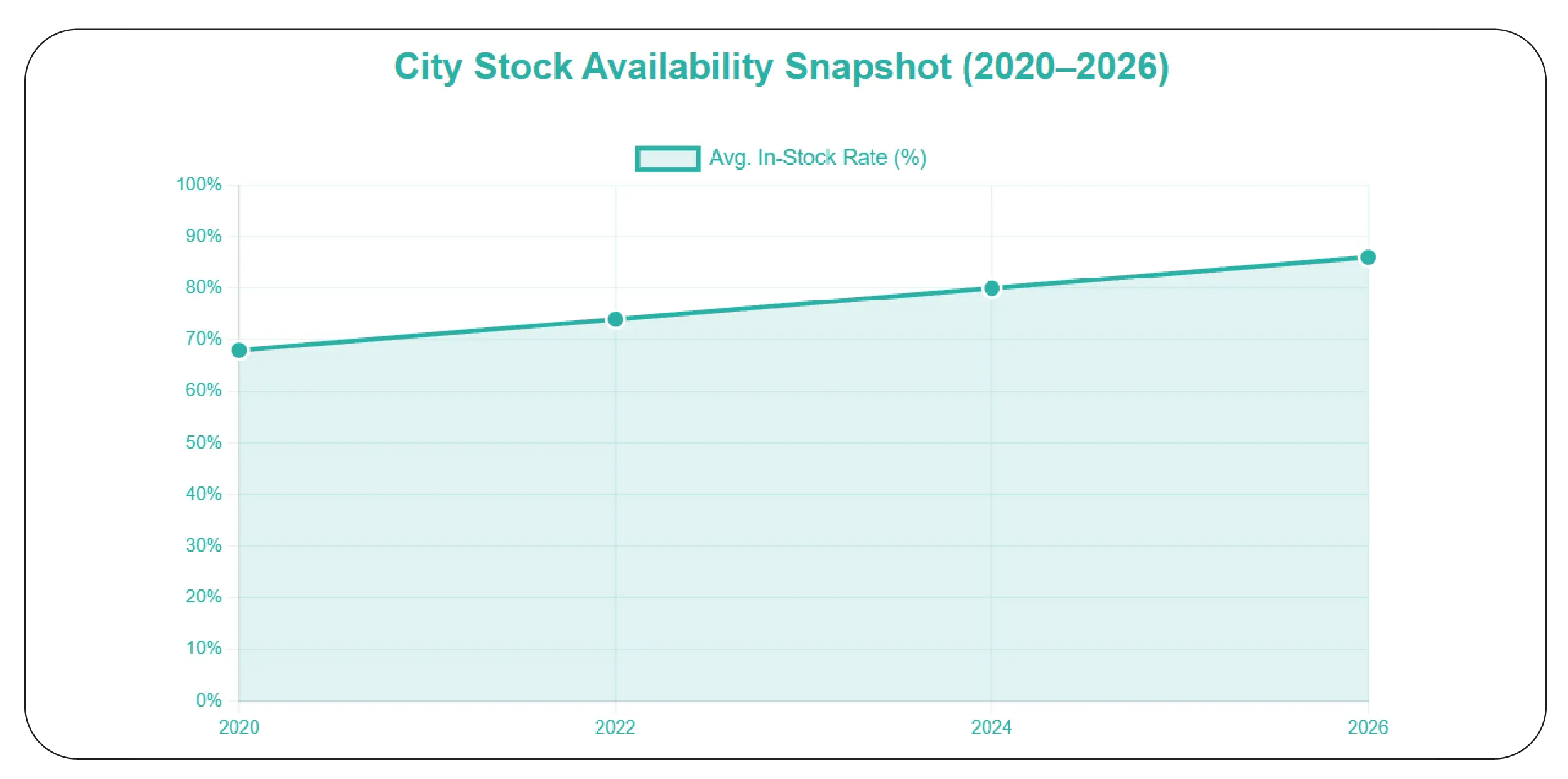
Alcohol demand varies widely by geography, making localized monitoring essential. City-level alcohol stock monitoring enables stakeholders to understand how availability fluctuates across urban markets due to regulations, events, or seasonal demand.
From 2020 to 2026, urban centers showed faster recovery and growth in delivery-based alcohol sales compared to suburban areas. Real-time monitoring allows companies to adjust supply before shortages occur.
City Stock Availability Snapshot (2020–2026)
| Year |
Cities Covered |
Avg. In-Stock Rate |
YoY Growth |
| 2020 |
25 |
68% |
– |
| 2022 |
40 |
74% |
+9% |
| 2024 |
60 |
80% |
+8% |
| 2026 |
85 |
86% |
+7% |
By analyzing city-level patterns, businesses can tailor promotions, allocate inventory efficiently, and anticipate regulatory impacts. This intelligence supports proactive planning rather than reactive decision-making.
Automating On-Demand Delivery Intelligence
Automation is key to scaling alcohol market analysis. The Minibar Delivery Data Scraper USA provides continuous access to live availability, pricing, and delivery coverage without manual intervention.
From 2020 onward, automated scraping revealed a consistent expansion of same-day and express alcohol delivery options. This shift directly influenced consumer purchasing behavior and brand visibility.
Delivery Coverage Growth (2020–2026)
| Year |
Delivery Zones |
Avg. Delivery Time |
Platform Listings |
| 2020 |
120 |
90 mins |
6,500 |
| 2022 |
210 |
75 mins |
9,800 |
| 2024 |
340 |
60 mins |
13,900 |
| 2026 |
480 |
45 mins |
18,700 |
Automated data extraction ensures accuracy, timeliness, and scalability. It enables analysts to focus on insights rather than collection, driving faster and more confident decisions.
Turning Availability into Strategic Insights
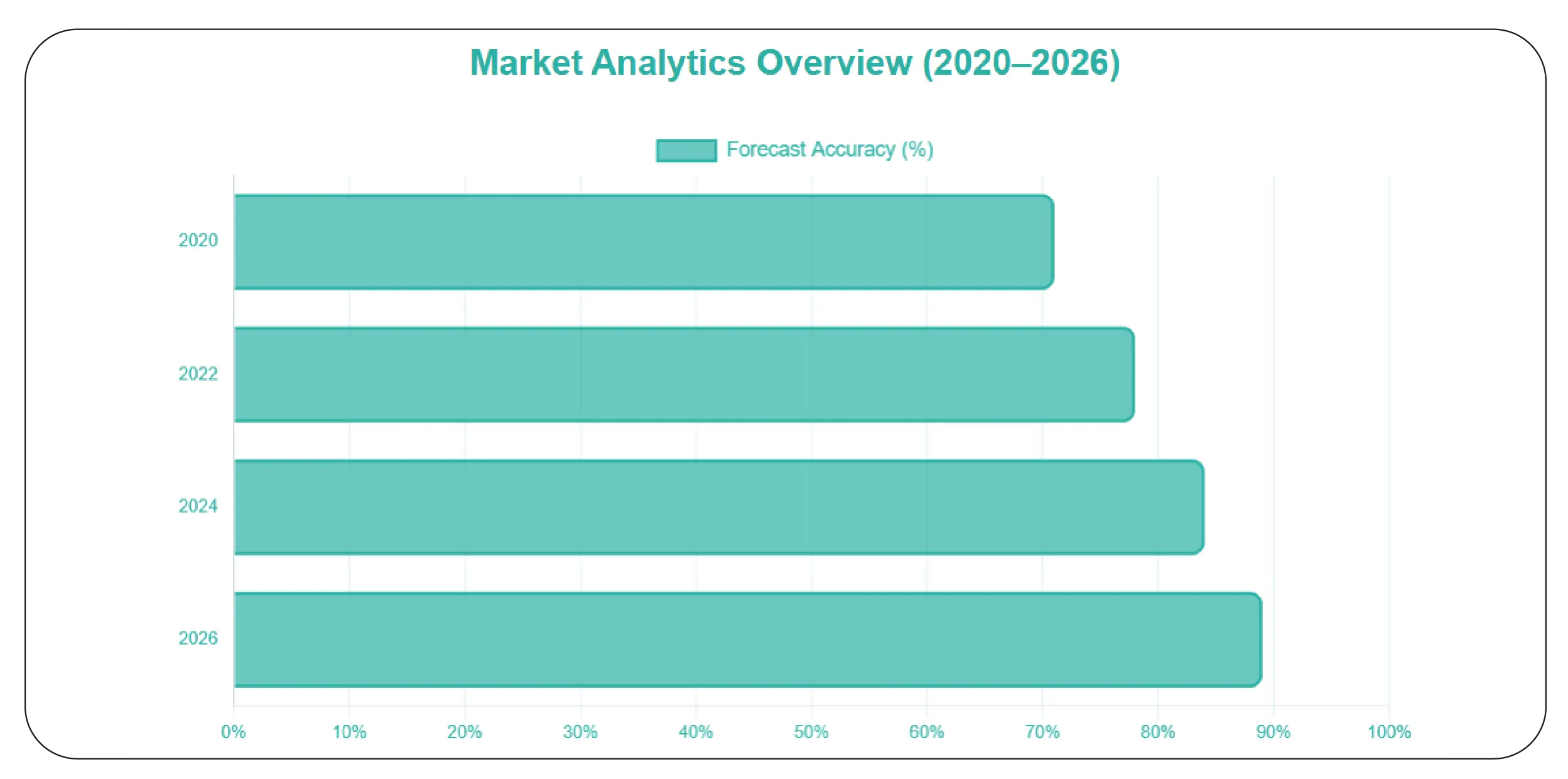
Raw data becomes powerful when transformed into insights. Alcohol Market Availability Analytics USA converts availability signals into actionable intelligence for forecasting and competitive analysis.
Between 2020 and 2026, analytics showed strong correlations between neighborhood income levels, product mix, and delivery frequency. Brands leveraging analytics gained early-mover advantages in high-growth areas.
Market Analytics Overview (2020–2026)
| Year |
Markets Analyzed |
Forecast Accuracy |
Demand Volatility |
| 2020 |
15 |
71% |
High |
| 2022 |
28 |
78% |
Medium |
| 2024 |
45 |
84% |
Medium |
| 2026 |
65 |
89% |
Low |
Advanced analytics help identify underserved markets, optimize pricing strategies, and align supply with evolving consumer preferences.
Gaining Store-Level Visibility at Scale
Store-specific intelligence is essential for operational efficiency. The Store-Wise Alcohol Stock Data Scraper enables consistent tracking of inventory levels across individual retailers and delivery partners.
From 2020 to 2026, store-level scraping revealed that localized stock optimization reduced fulfillment delays and improved order success rates.
Store Stock Performance (2020–2026)
| Year |
Stores Tracked |
Stockout Reduction |
Order Fulfillment |
| 2020 |
1,200 |
– |
82% |
| 2022 |
2,400 |
12% |
86% |
| 2024 |
3,800 |
21% |
91% |
| 2026 |
5,500 |
29% |
95% |
This visibility empowers retailers and suppliers to maintain consistent availability while reducing operational risks.
Analyzing Promotion and Discount Behavior
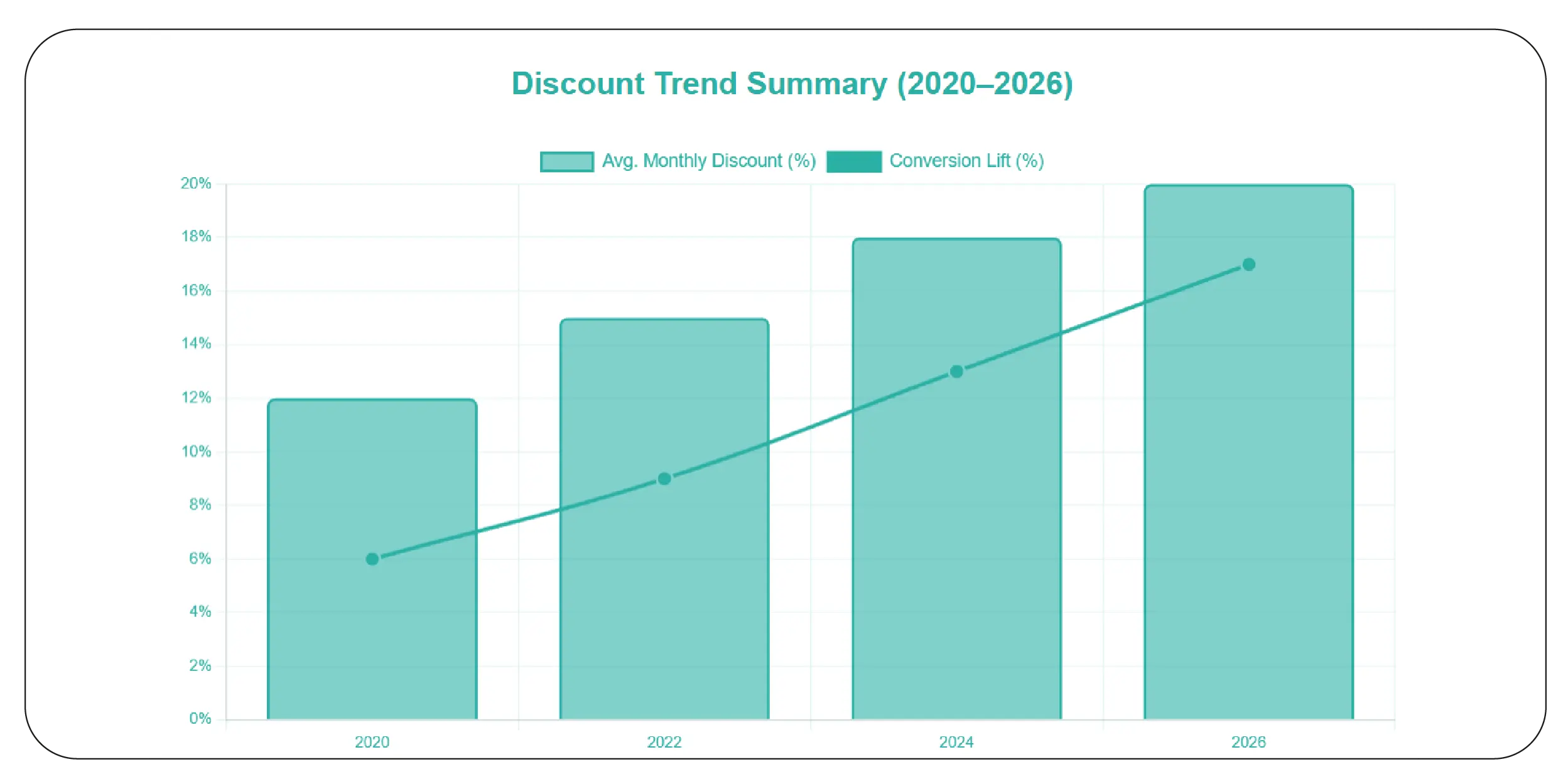
Promotions strongly influence alcohol purchasing decisions. The Scrape Minibar Delivery Monthly Discount Trends Dataset provides historical visibility into how discounts evolve across regions and time.
From 2020 to 2026, data showed a shift toward targeted, short-term promotions rather than broad seasonal discounts.
Discount Trend Summary (2020–2026)
| Year |
Avg. Monthly Discount |
Promo Frequency |
Conversion Lift |
| 2020 |
12% |
Low |
+6% |
| 2022 |
15% |
Medium |
+9% |
| 2024 |
18% |
High |
+13% |
| 2026 |
20% |
High |
+17% |
Analyzing discount patterns helps brands optimize campaigns, protect margins, and improve promotional ROI.
Why Choose Product Data Scrape?
Product Data Scrape delivers scalable, accurate, and customizable data solutions for alcohol market intelligence. With advanced infrastructure, compliance-focused methodologies, and real-time capabilities, we support strategic decisions across the value chain. Our expertise in Minibar Delivery Liquor Data Scraping ensures reliable insights, tailored datasets, and faster time to value for data-driven organizations.
Conclusion
In an increasingly competitive alcohol delivery ecosystem, actionable intelligence defines success. Extract Minibar Alcohol Availability Data USA equips businesses with real-time, neighborhood-level visibility that drives smarter inventory planning, pricing strategies, and market expansion. From SKU insights to discount analytics, comprehensive data unlocks measurable advantages.
Organizations that embrace advanced data extraction gain foresight, agility, and resilience in a fast-changing market. Now is the time to transform availability signals into growth opportunities. Contact us today to unlock real-time alcohol market intelligence and stay ahead of the competition.
FAQs
1. What is Minibar alcohol availability data?
It captures real-time information on which alcohol products are available, out of stock, or newly listed across Minibar delivery locations, supporting informed market and inventory decisions.
2. How often is the data updated?
Data is refreshed frequently, often daily or in real time, ensuring businesses respond quickly to changes in demand, pricing, and local availability patterns.
3. Who benefits from this data?
Alcohol brands, distributors, retailers, investors, and analysts use this data to forecast demand, optimize assortments, and monitor competitive positioning effectively.
4. Can the data support long-term trend analysis?
Yes, historical datasets from 2020 onward enable year-over-year comparisons, demand forecasting, and strategic planning based on proven patterns.
5. Why use Product Data Scrape for this service?
Product Data Scrape provides scalable, compliant, and customized datasets that deliver accurate insights, enabling faster decisions and sustained competitive advantage.



 Singapore
 EMAIL
EMAIL
 PHONE
PHONE











.webp)