Quick Overview
A leading global fashion brand partnered with Product Data Scrape to leverage How Product Intelligence from Zara and H&M for trend forecasting and competitive analysis. Over a 6-month engagement, the team used Pricing Intelligence Services to monitor thousands of SKUs across multiple categories, including apparel, footwear, and accessories. The solution automated the extraction of real-time pricing, availability, and style data, enabling data-driven merchandising decisions. Key impact metrics included a 90% reduction in manual data collection, monitoring over 10,000 products weekly, and achieving 95% data accuracy. This empowered the client to forecast fashion trends faster, optimize pricing strategies, and maintain a competitive edge in the fast-paced global retail market.
The Client
The client is a multinational fashion retailer operating across Europe and North America, targeting trend-conscious millennials and Gen Z shoppers. The fashion industry is highly dynamic, with competitors like Zara and H&M launching new collections weekly, leading to intense market pressure. To remain competitive, the client needed timely insights into product launches, pricing trends, and inventory availability across key categories.
Before partnering with Product Data Scrape, the client relied on fragmented spreadsheets and manual market checks, which were slow, prone to errors, and lacked scalability. They struggled to track competitors’ dynamic pricing, monitor top-selling SKUs, and identify emerging trends, often reacting to the market instead of proactively predicting shifts.
By implementing Real-time pricing & stock data from Zara and H&M, the client gained accurate, structured, and automated insights into the competitive landscape. This allowed them to optimize assortment planning, align pricing strategies, and react to changing demand quickly. The transformation enabled a proactive approach to merchandising and marketing, helping the client maintain relevance in a fast-moving fashion market.
Goals & Objectives
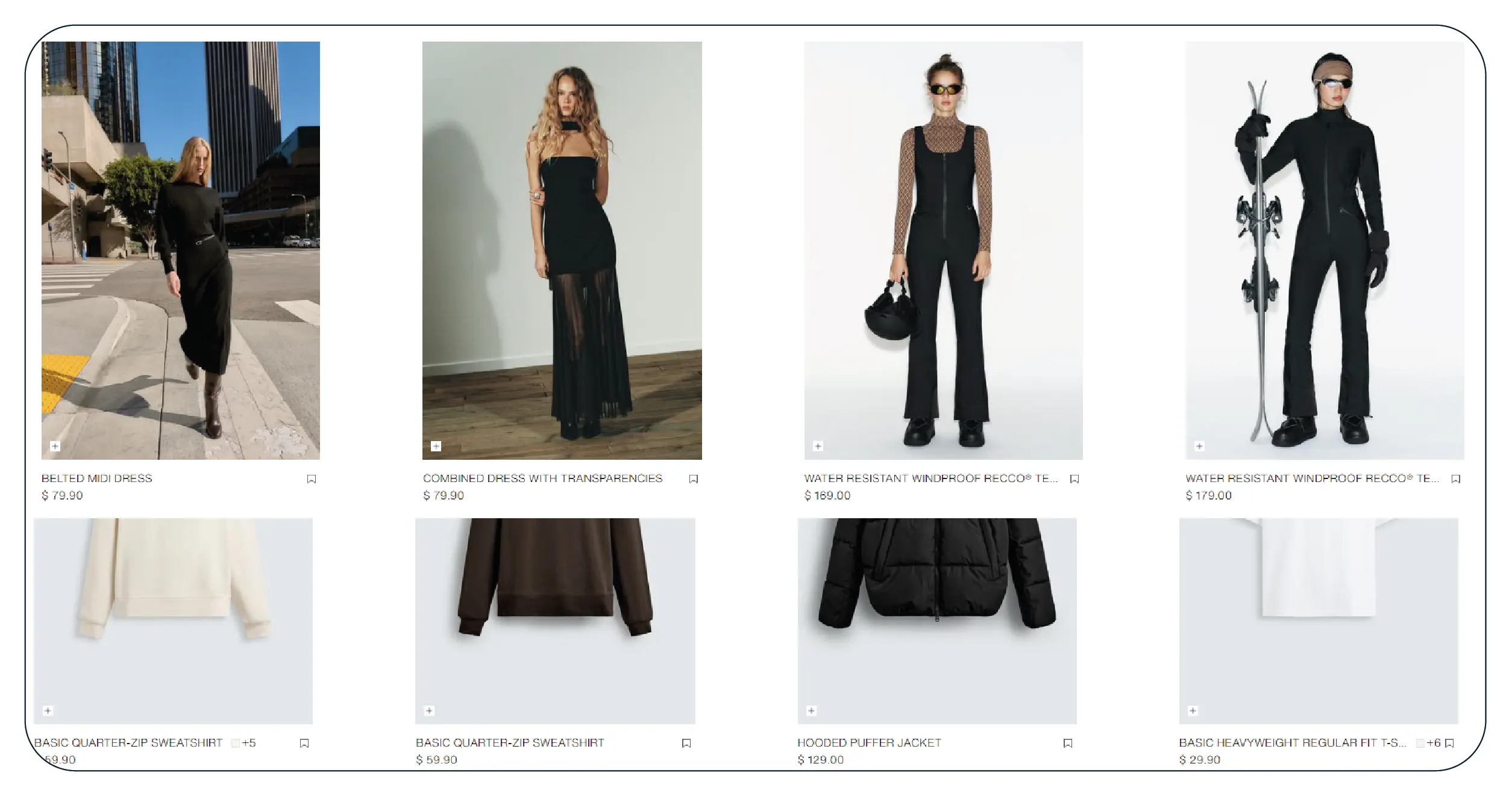
The primary business goal was to achieve scalable, fast, and accurate monitoring of competitor products. The client aimed to enhance trend forecasting, optimize pricing, and improve inventory allocation by using data-driven insights across multiple fashion categories.
Technical objectives included automation of data collection, seamless integration with existing BI tools, and the ability to analyze Extract Product Info from Zara, H&M, ASOS, Zara product availability And pricing scraper data in real time. The solution also had to support historical trend analysis, product-level insights, and cross-platform comparison for competitive intelligence.
Automated extraction of 10,000+ SKUs weekly
Data accuracy above 95%
Price and availability refresh cycles under 24 hours
Time to actionable insight reduced by 80%
Identification of emerging fashion trends within hours
This combination of goals, objectives, and KPIs ensured that both business and technical success could be measured effectively.
The Core Challenge

The client faced operational bottlenecks in tracking rapidly changing product data across multiple fast-fashion platforms. Manual data collection was slow, error-prone, and could not capture dynamic pricing and stock updates in real time. Seasonal launches, flash sales, and frequent restocks added complexity to competitor monitoring.
Using outdated methods, the client struggled to extract real-time pricing data from Zara and H&M, often missing emerging trends or reacting too late to market shifts. Data inconsistencies, delays, and the sheer volume of SKUs made timely analysis impossible.
These challenges impacted decision-making, leading to slower product launches, misaligned pricing strategies, and lost opportunities in high-demand categories. The client required a robust, automated solution that could reliably capture SKU-level data, track stock availability, and provide actionable insights to maintain a competitive edge.
Our Solution
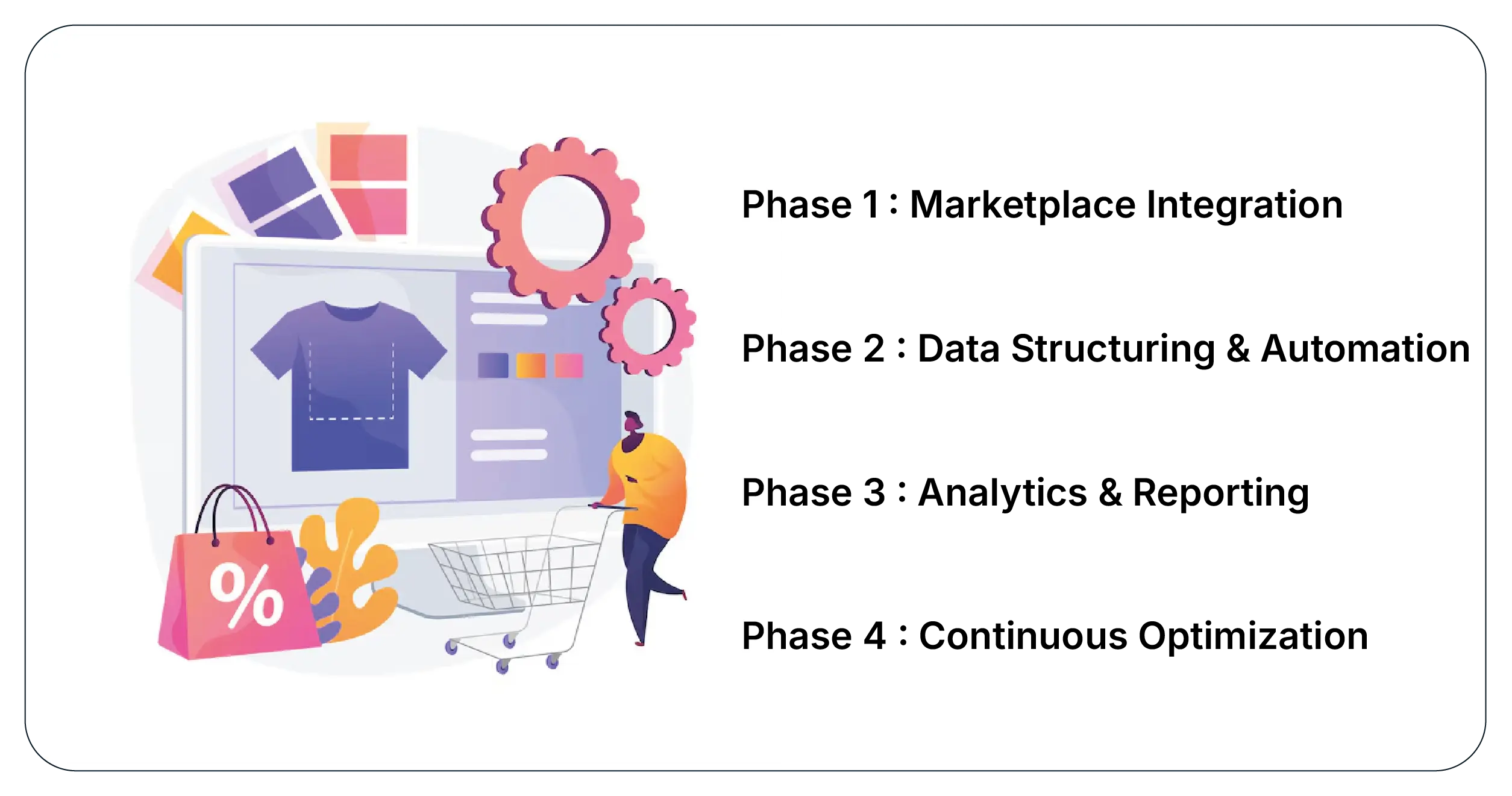
Product Data Scrape implemented a phased approach leveraging the Zara Product Data Extraction API and Scraped Zara & H&M product feed for analytic purposes to automate data collection, analysis, and reporting.
Phase 1: Marketplace Integration
We integrated with Zara, H&M, and ASOS to capture product details, pricing, stock availability, and style information. Custom extraction logic was developed for each platform to handle dynamic content and frequent website updates.
Phase 2: Data Structuring & Automation
Collected data was cleaned, standardized, and stored in structured datasets. Automation ensured updates in near real-time, reducing manual effort by 90% and providing reliable inputs for merchandising and trend forecasting.
Phase 3: Analytics & Reporting
Structured datasets were integrated with dashboards for trend visualization, competitor comparison, and inventory insights. Automated alerts highlighted pricing changes, product launches, and stock updates, enabling faster decision-making.
Phase 4: Continuous Optimization
Extraction scripts and API endpoints were continuously refined to adapt to changes in website structure, product categorization, and seasonal trends. Historical datasets supported demand prediction and trend analysis.
The implementation of the Zara Product Data Extraction API allowed the client to monitor over 10,000 SKUs weekly with 95% accuracy. By analyzing competitor pricing, availability, and product popularity, the client optimized assortment planning, pricing strategies, and product launch timings efficiently.
Results & Key Metrics
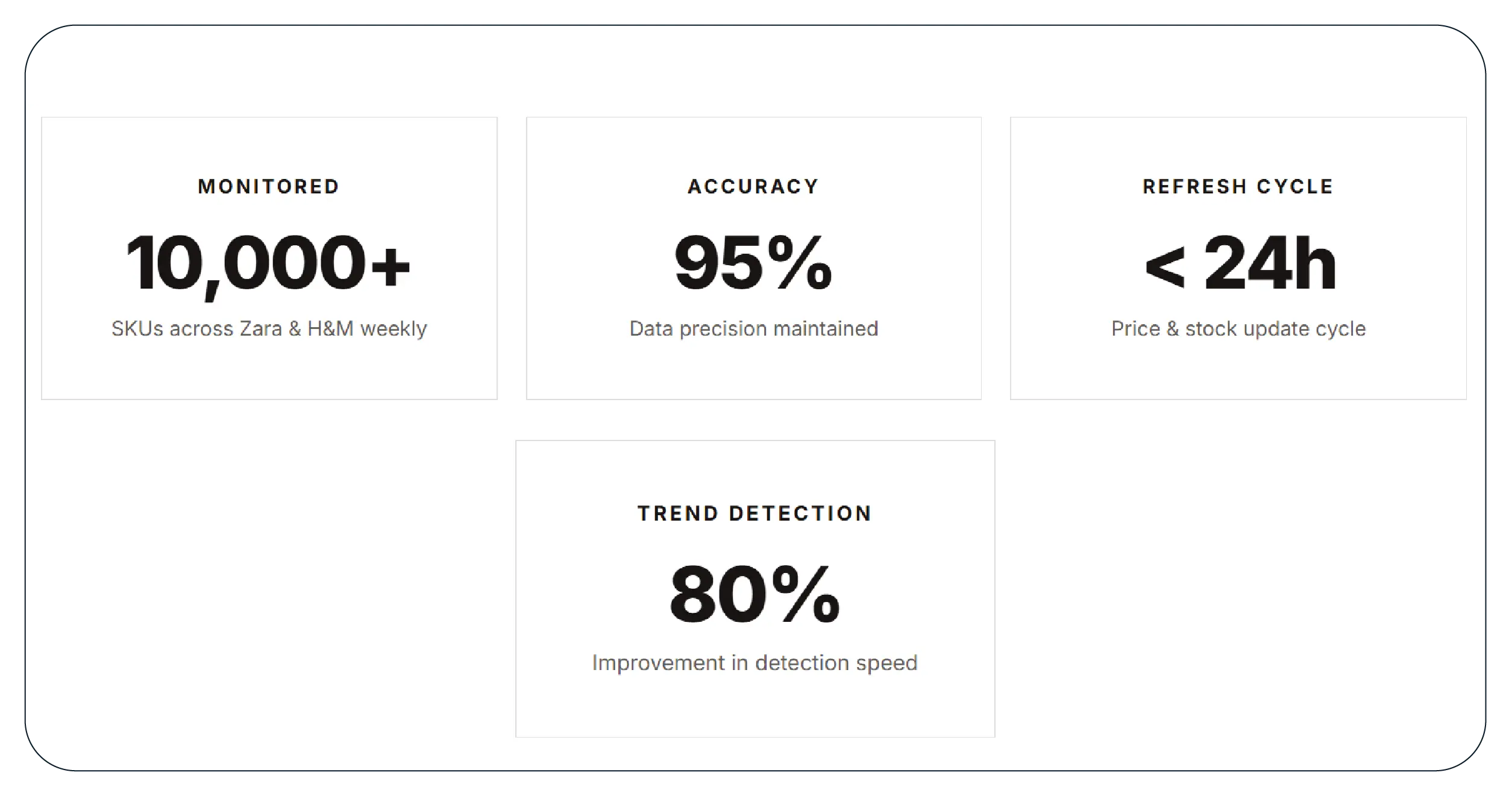
Monitored 10,000+ SKUs across Zara and H&M weekly
Data accuracy maintained above 95%
Price and stock refresh cycle reduced to under 24 hours
Trend detection speed improved by 80%
Automated reporting enabled faster actionable insights
Results Narrative
The client leveraged the H&M fashion availability tracking service to stay ahead of market trends. By using How Product Intelligence from Zara and H&M, they accurately forecasted popular styles, monitored competitor pricing, and identified emerging consumer preferences. This proactive approach resulted in optimized inventory, reduced markdowns, and improved time-to-market for new collections. Marketing campaigns were aligned with real-time insights, boosting customer engagement. The automation reduced operational effort and enabled data-driven decisions, giving the client a strong competitive advantage in the fast-paced fashion industry.
What Made Product Data Scrape Different?
Product Data Scrape utilized Web Scraping for Fashion & Apparel Data combined with proprietary frameworks for automated extraction, cleaning, and structuring. Unlike traditional scraping methods, our solution handled dynamic content, frequent product updates, and SKU variations seamlessly. Smart automation allowed real-time analytics, historical trend tracking, and competitive benchmarking, turning complex datasets into actionable insights. This innovative approach enabled the client to monitor multiple competitors simultaneously, forecast fashion trends accurately, and optimize pricing and assortment strategies, ensuring a consistent market advantage in fast-moving fashion categories.
Client’s Testimonial
"Product Data Scrape completely transformed how we Extract H&M Fashion & Apparel Data and monitor Zara collections. Previously, manual tracking was slow and incomplete. Now, we receive accurate, structured data across pricing, stock, and styles in near real-time. This has enabled us to forecast trends, optimize inventory, and react to competitor movements faster than ever. The insights have directly influenced merchandising, marketing campaigns, and pricing strategy. Their support during deployment was outstanding, and the solution continues to deliver reliable, actionable intelligence that helps us stay ahead in the competitive fashion market."
– Head of Retail Analytics, Global Fashion Brand
Conclusion
By implementing Automated Zara product availability tracking, the client gained real-time insights into competitor pricing, stock levels, and trending styles. The Grocery store dataset-like structured approach allowed for precise assortment planning, optimized pricing, and faster go-to-market decisions. With trend forecasting powered by competitor intelligence, the client minimized markdowns, improved inventory utilization, and maintained a competitive edge. The automation and structured analytics provided by Product Data Scrape transformed reactive decision-making into a proactive strategy, ensuring timely and informed business actions in the fast-paced global fashion industry.
FAQs
1. What is Product Data Scrape?
Product Data Scrape automates collection and analysis of competitor fashion data, including pricing, availability, and trends from Zara, H&M, and ASOS.
2. How frequently is data updated?
The solution updates SKU-level pricing, availability, and trend data every 24 hours for real-time insights.
3. Which platforms are covered?
Zara, H&M, and ASOS, with potential extension to other fast-fashion marketplaces.
4. Can historical trend analysis be performed?
Yes, historical datasets support trend forecasting, demand prediction, and assortment planning.
5. How does the automation work?
The Zara Product Data Extraction API extracts, cleans, and structures data automatically, feeding dashboards for actionable, real-time insights.



 Singapore
 EMAIL
EMAIL
 PHONE
PHONE


.webp "thumb")
.webp "thumb")









.webp)