Quick Overview
A leading consumer packaged goods brand partnered with Product Data Scrape to improve visibility into grocery pricing trends across multiple retail banners. Through Save Mart multi-banner grocery pricing data scraping, the brand gained access to real-time insights across thousands of product listings from different store formats under the Save Mart network. Our automated platform helped the client Extract Grocery & Gourmet Food Data such as prices, promotions, product availability, and category positioning. Over a six-month engagement, the client successfully tracked more than 8,000 grocery SKUs across multiple locations. The project enabled faster pricing analysis, improved competitor benchmarking, and enhanced digital shelf monitoring across regional grocery markets.
The Client
The client is a well-known food brand operating within the competitive North American grocery industry. Their products are sold through multiple regional supermarket chains, including stores under the Save Mart retail network. The grocery sector has become increasingly competitive as retailers frequently update prices, launch promotions, and adjust product assortments to attract customers.
Between 2020 and 2026, online grocery sales and digital shelf competition grew rapidly. Brands needed reliable insights into pricing trends and promotional campaigns to remain competitive. The client therefore needed a reliable way to Scrape Save Mart Stores grocery price data across multiple store banners and locations.
Before working with Product Data Scrape, the brand relied on manual price monitoring and sporadic market research reports. This approach was slow, inconsistent, and unable to capture real-time changes across thousands of products. The lack of structured datasets also made it difficult for the client’s analytics team to compare pricing trends across regions.
By leveraging advanced Web Scraping API Services, Product Data Scrape provided an automated data collection framework that enabled the client to monitor pricing changes continuously. This transformation allowed the brand to improve pricing strategy, detect competitor promotions faster, and maintain stronger visibility across the grocery marketplace.
Goals & Objectives
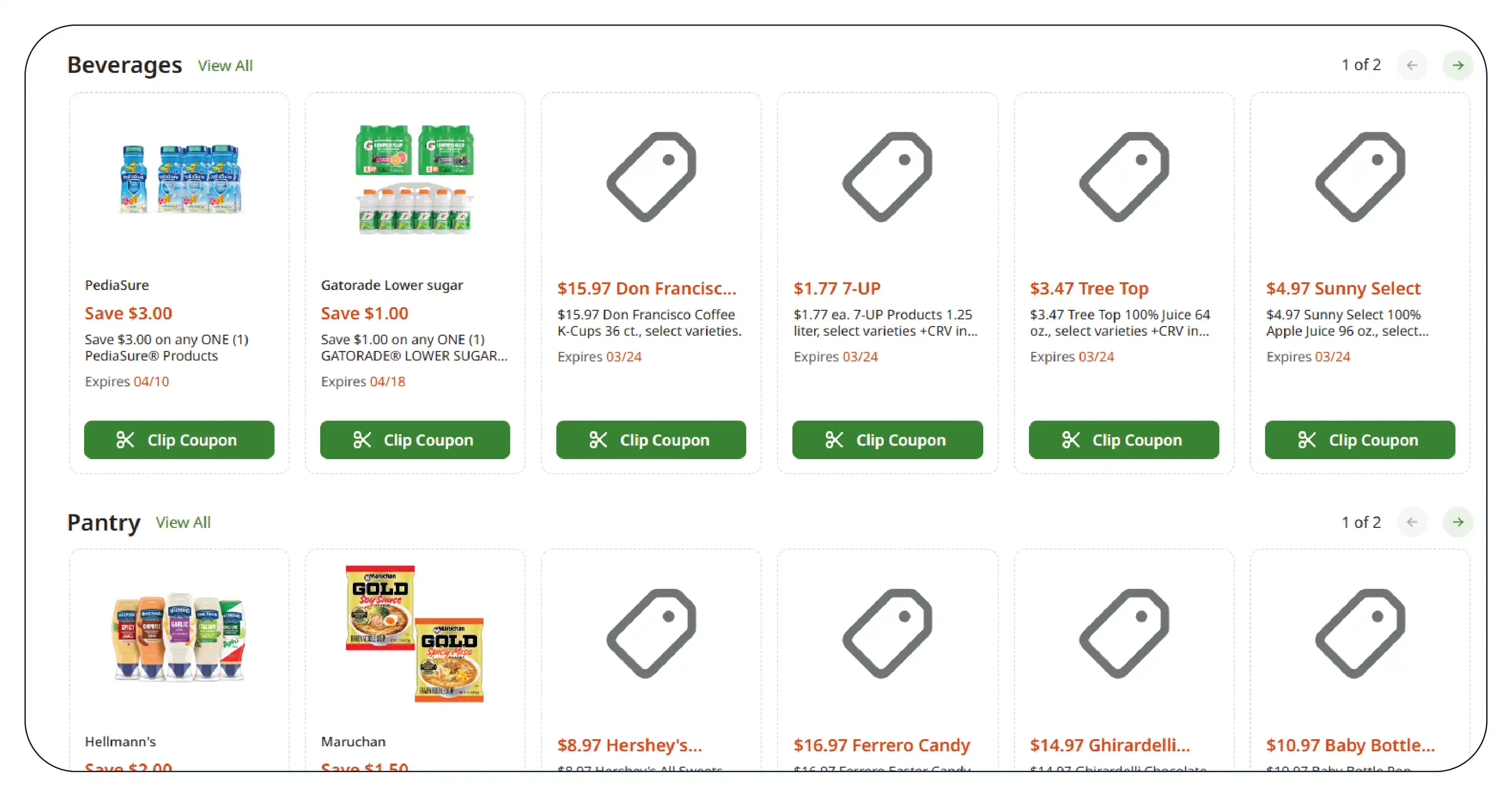
The client aimed to implement scalable data intelligence capable of tracking thousands of grocery products across multiple store banners. Using a structured Save Mart multi-banner product analytics dataset, the brand wanted to understand pricing variations across locations and monitor product visibility across digital shelves.
Another key goal was to enhance data-driven decision-making through advanced Pricing Intelligence Services, enabling the brand to optimize promotional strategies and competitor benchmarking.
Automate price tracking across Save Mart multi-banner grocery platforms
Build scalable datasets covering 8,000+ product listings
Integrate extracted data into internal analytics dashboards
Enable real-time monitoring of promotions and product availability
Tracking of 8,000+ grocery SKUs across store banners
65% faster price monitoring compared to manual tracking
70% improvement in data accuracy for pricing analytics
Continuous access to structured grocery datasets
The Core Challenge
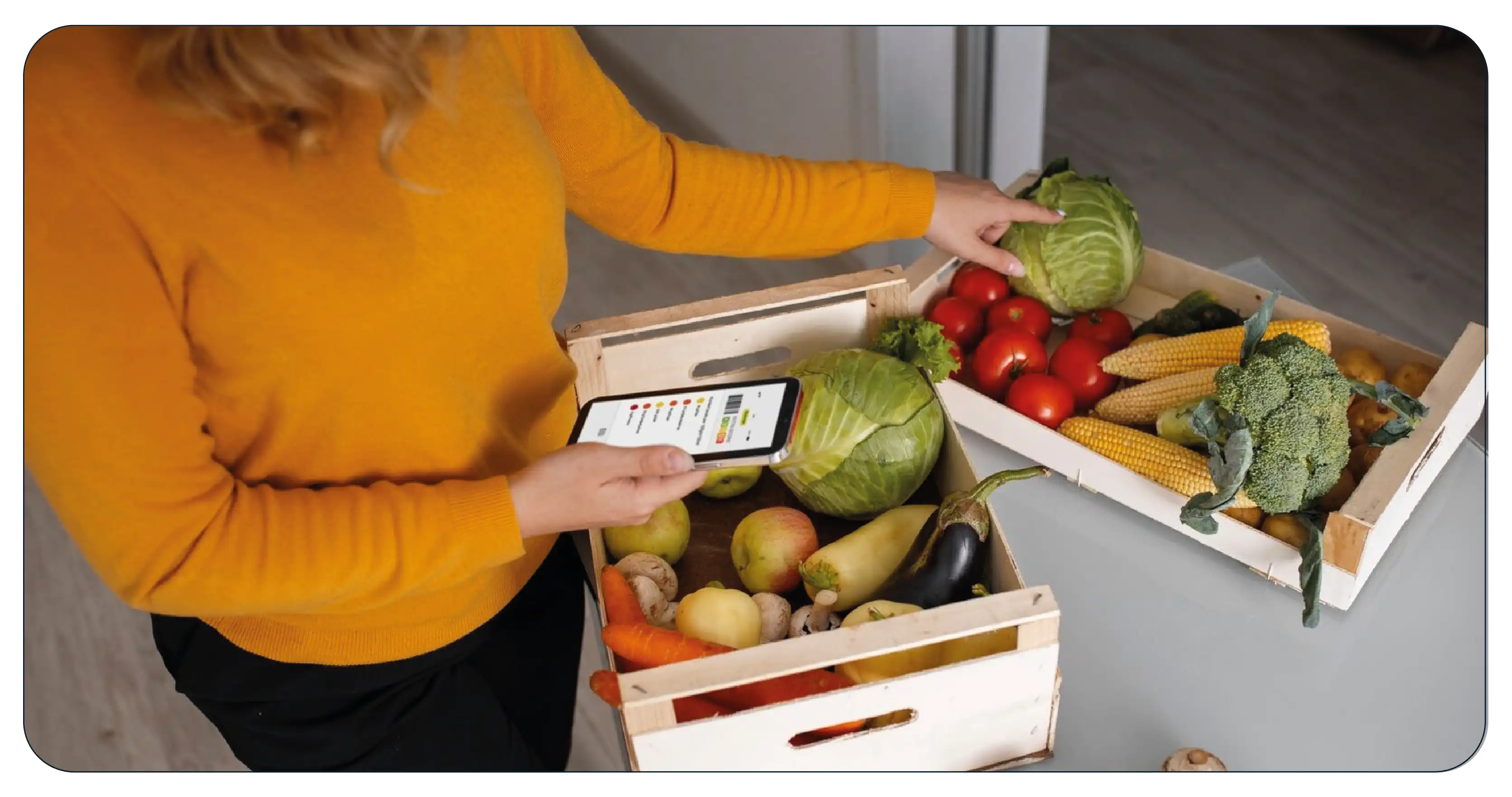
Before implementing automated scraping systems, the client faced major challenges in tracking grocery prices across multiple retail banners. Each banner had different website structures, promotional formats, and product listings. Monitoring these variations manually created significant operational bottlenecks.
The client required a reliable Real-time Save Mart grocery price tracking API capable of collecting updated pricing data from multiple banners and store locations simultaneously. However, the existing tools used by the client were unable to handle large-scale data extraction across thousands of product listings.
Another challenge involved maintaining consistent datasets for competitive analysis. Without structured data pipelines, product price comparisons across banners were often incomplete or outdated. This limited the brand’s ability to respond quickly to competitor promotions.
Additionally, the absence of advanced Digital Shelf Analytics made it difficult for the client to understand product positioning within the online grocery marketplace. Important insights such as category rankings, promotional placements, and discount patterns were difficult to track.
These issues resulted in delayed decision-making and missed opportunities for pricing optimization. The brand needed a scalable solution capable of delivering real-time grocery intelligence across multiple store banners.
Our Solution
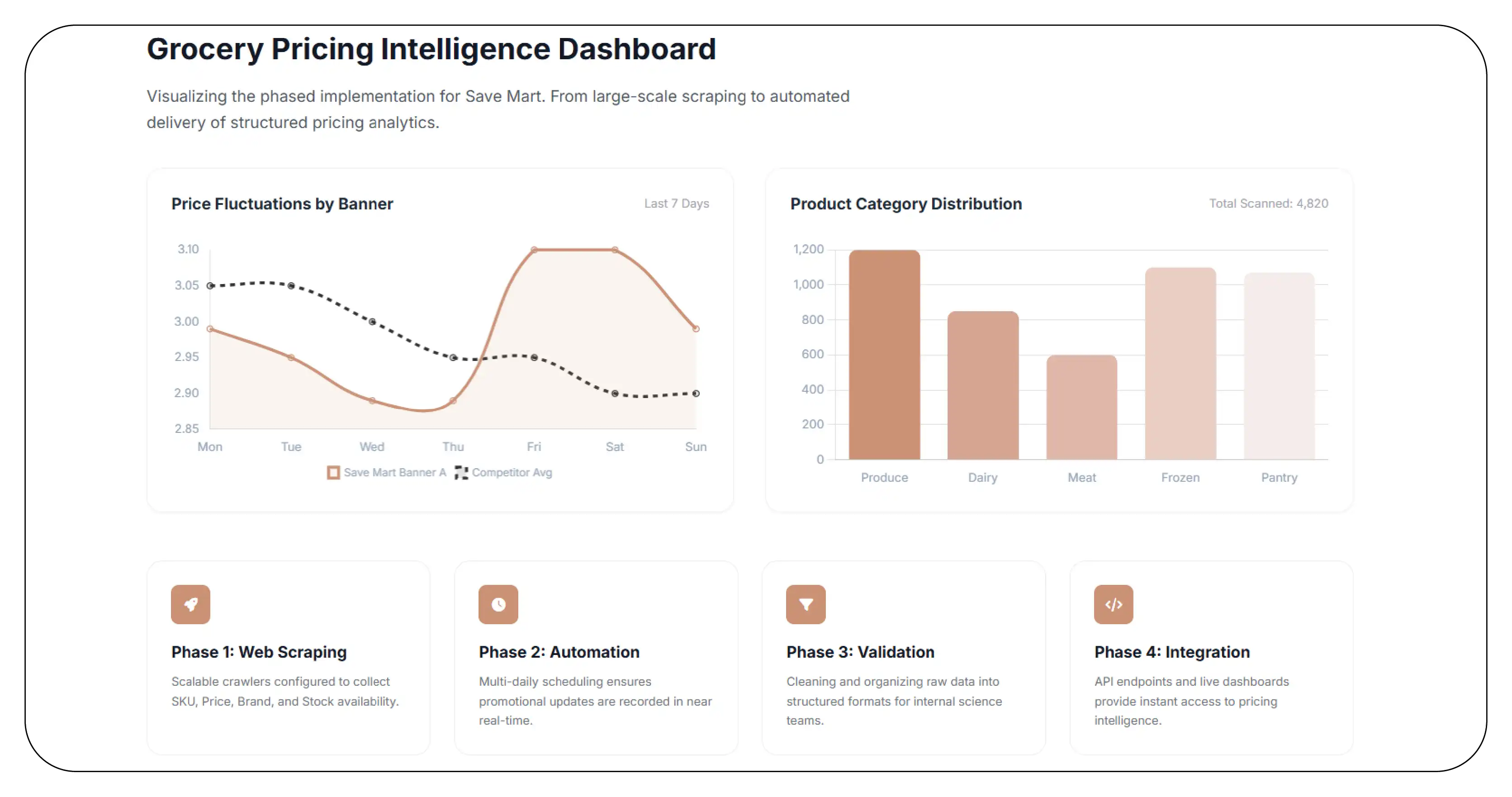
Product Data Scrape implemented a comprehensive automated scraping solution designed to monitor grocery pricing data across Save Mart’s multiple retail banners.
The first phase focused on building scalable crawlers capable of Web scraping Save Mart grocery product data across thousands of product listings. These crawlers were configured to collect essential attributes including product name, brand, SKU, price, promotional offers, stock availability, and category information.
The second phase introduced automated scheduling and monitoring systems. These systems captured product data multiple times per day, ensuring that pricing changes and promotional updates were recorded in near real-time. This approach enabled the client to track price fluctuations across multiple store banners without manual intervention.
The third phase focused on structuring and validating the collected datasets. Our engineering team built data pipelines that cleaned and organized the raw data into structured formats suitable for analytics platforms. This allowed the client’s data science teams to analyze pricing patterns, compare competitor promotions, and identify regional price variations.
The final phase integrated the datasets into API endpoints and analytics dashboards. This gave the client instant access to pricing intelligence and allowed internal teams to perform advanced analytics across multiple product categories.
Through this phased implementation strategy, the brand gained a robust infrastructure capable of tracking thousands of grocery products continuously. The automation significantly improved the speed, accuracy, and reliability of grocery pricing insights.
Results & Key Metrics
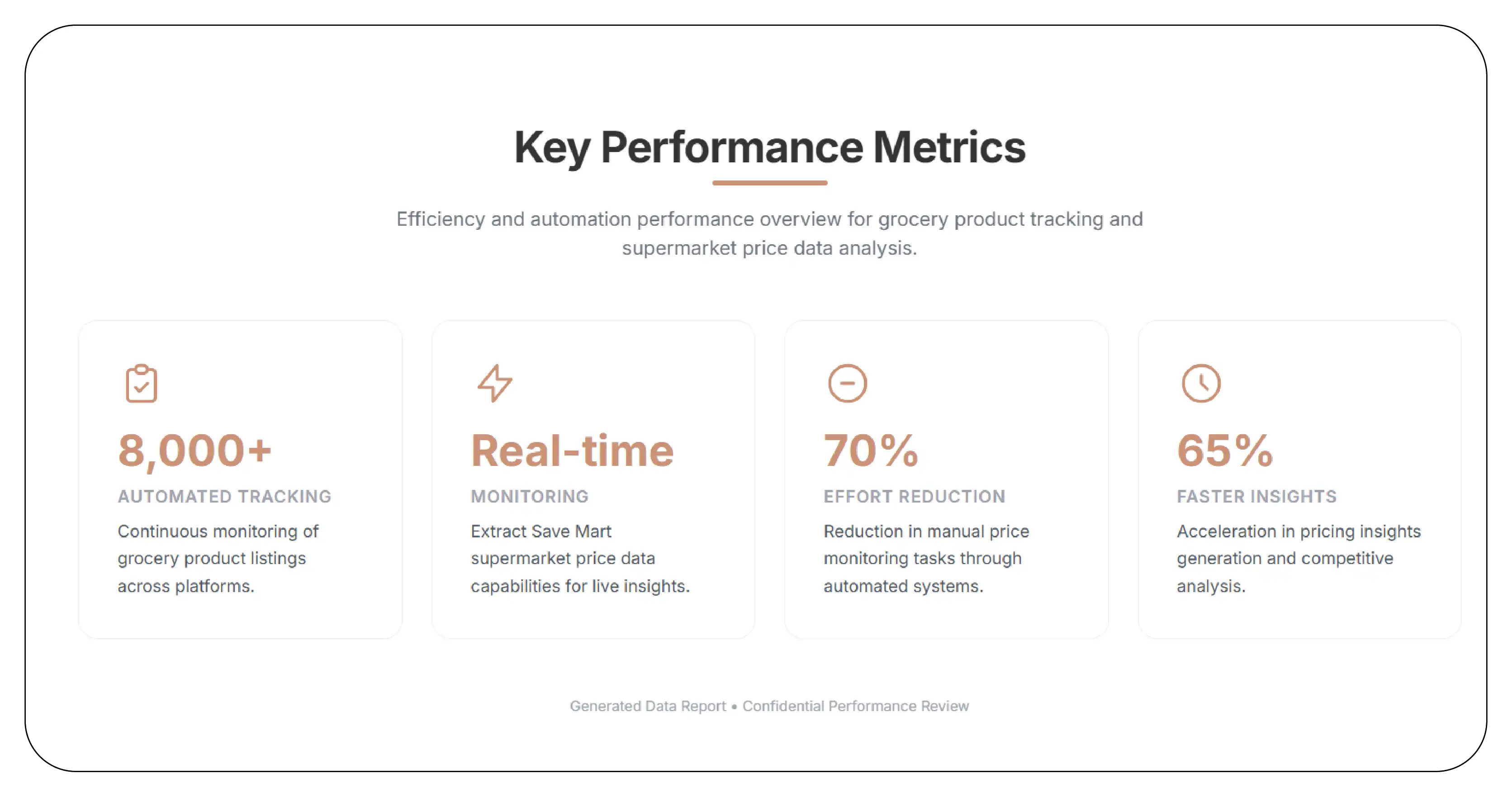
Automated tracking of 8,000+ grocery product listings
Real-time monitoring through Extract Save Mart supermarket price data capabilities
70% reduction in manual price monitoring tasks
65% faster pricing insights generation
Expanded dataset coverage across multiple store banners
Improved competitor promotion monitoring
Results Narrative
By implementing automated data pipelines to Extract Save Mart supermarket price data, the client gained continuous visibility into pricing trends across multiple grocery store banners. The solution enabled faster competitor analysis and improved promotional monitoring across product categories. With access to structured datasets, the brand could identify pricing gaps and optimize promotional strategies more effectively. The automation also improved internal analytics workflows, allowing data teams to focus on strategic insights instead of manual data collection.
What Made Product Data Scrape Different?
Product Data Scrape differentiated itself by delivering scalable automation tailored specifically for multi-banner grocery marketplaces. Our proprietary Save Mart grocery data scraping API allowed the client to collect large volumes of grocery pricing data with exceptional speed and accuracy.
The platform combined intelligent crawling systems, automated scheduling, and structured dataset generation to ensure reliable data delivery. Unlike generic scraping tools, our infrastructure adapts to dynamic website structures and continuously captures updated product information.
This innovative approach enabled the client to monitor thousands of grocery listings across different banners while maintaining high-quality, analytics-ready datasets.
Client’s Testimonial
“Product Data Scrape helped us transform our pricing intelligence capabilities. Their ability to Extract Save Mart and Lucky Stores grocery & gourmet food data allowed us to monitor thousands of products across multiple store banners with incredible accuracy. The automated datasets have significantly improved our ability to track competitor promotions and adjust our pricing strategies quickly. Their technology and support team made the entire implementation smooth and efficient.”
— Director of Retail Analytics, Global Food Brand
Conclusion
This case study demonstrates how Save Mart multi-banner grocery pricing data scraping can empower brands with powerful retail intelligence. By building automated pipelines that generate structured Grocery store dataset insights, Product Data Scrape enabled the client to monitor thousands of grocery products across multiple banners efficiently.
The solution improved pricing visibility, accelerated competitive analysis, and strengthened the brand’s digital shelf performance. As grocery marketplaces continue evolving, data-driven strategies will play an increasingly important role in helping brands optimize pricing decisions and maintain a competitive advantage.
FAQs
1. What is Save Mart grocery pricing data scraping?
Save Mart grocery pricing data scraping is the automated collection of product prices, promotions, and inventory information from Save Mart and its affiliated store banners.
2. Why do brands track grocery pricing data?
Brands monitor grocery pricing data to analyze competitor strategies, optimize promotions, and ensure their products remain competitively priced across retail platforms.
3. What types of data can be extracted?
Common data points include product name, price, promotional discounts, stock availability, category placement, ratings, and brand information.
4. How frequently can grocery pricing data be updated?
Automated scraping systems can capture data multiple times per day depending on business needs, allowing brands to monitor real-time pricing changes.
5. How does Product Data Scrape help grocery brands?
Product Data Scrape provides scalable scraping APIs and structured datasets that help brands track thousands of grocery products, analyze pricing trends, and improve digital shelf analytics.



 Singapore
 EMAIL
EMAIL
 PHONE
PHONE



.webp)
.webp "thumb")








.webp)