Introduction
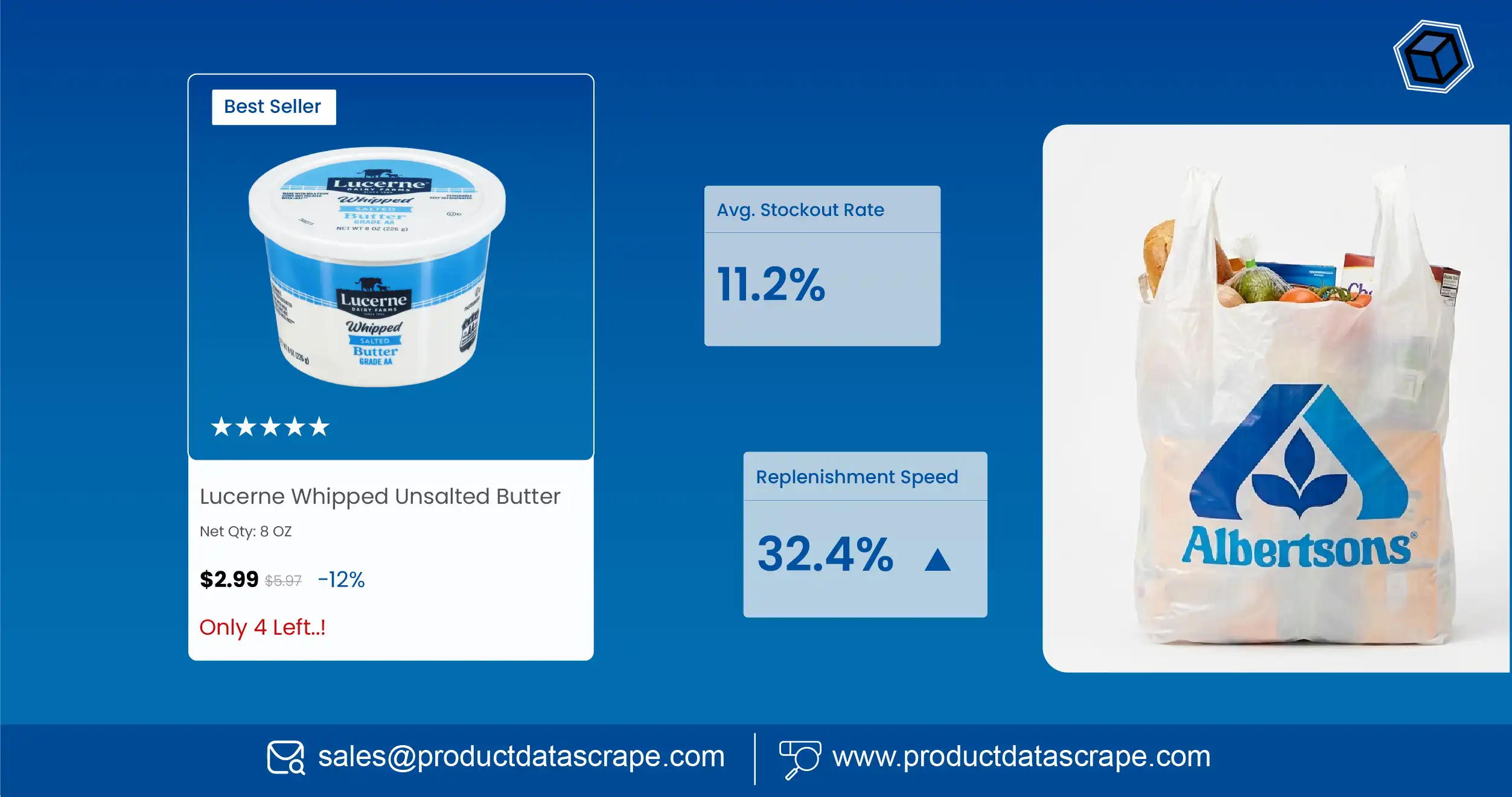
Retail inventory visibility has become one of the most critical success factors for beverage brands operating in highly competitive grocery markets. Frequent stockouts, delayed replenishment cycles, inconsistent shelf availability, and shifting consumer demand patterns can significantly impact sales performance and customer loyalty. Beverage manufacturers and distributors increasingly rely on real-time retail intelligence to monitor product availability, pricing fluctuations, and inventory movement across online grocery platforms.
Advanced Albertsons Inventory & Availability Scraping for Beverage Brand Stockouts solutions enable businesses to track inventory disruptions, identify low-stock patterns, and optimize replenishment planning across multiple beverage categories. Combined with the Albertsons Grocery data API, brands can gain accurate insights into product availability, digital shelf visibility, regional demand fluctuations, and competitive inventory behavior.
As grocery retail becomes increasingly data-driven, beverage companies must invest in automated analytics systems capable of delivering real-time operational intelligence. Accurate inventory monitoring not only reduces revenue losses caused by stockouts but also improves supply chain responsiveness, promotional planning, and customer satisfaction. Businesses that leverage automated retail intelligence are better positioned to maintain shelf consistency, strengthen category performance, and improve long-term retail competitiveness across dynamic grocery ecosystems.
Real-Time Shelf Visibility Drives Better Retail Outcomes
Retail shelf availability directly influences customer purchase behavior and brand loyalty. According to industry estimates, beverage brands lose significant revenue annually because consumers often switch to competing products when preferred items are unavailable. Between 2020 and 2026, digital grocery demand and omnichannel shopping behavior have accelerated the need for automated inventory monitoring systems.
| Year |
Estimated Beverage Stockout Rate |
Digital Grocery Growth |
| 2020 |
8% |
21% |
| 2021 |
10% |
25% |
| 2022 |
11% |
28% |
| 2023 |
13% |
31% |
| 2024 |
14% |
35% |
| 2025 |
15% |
38% |
| 2026 |
17% |
42% |
Brands are increasingly using automated systems to Scrape Reduce Beverage Stockouts using Retail Inventory Data and identify high-risk inventory gaps before they impact sales performance. Real-time monitoring helps companies detect low-stock patterns, regional shortages, and fulfillment delays across grocery platforms.
In addition to inventory visibility, retailers and beverage companies also track adjacent categories to evaluate pricing relationships and promotional strategies. Many organizations now use automated systems to Extract Alcohol & Liquor Price Data alongside beverage inventory analytics to better understand consumer pricing trends and category competitiveness.
Retailers with centralized inventory analytics infrastructure achieve faster replenishment planning, stronger shelf consistency, and improved operational responsiveness. Automated shelf monitoring also enables businesses to align promotions with inventory availability, reducing customer frustration and improving order fulfillment efficiency. As digital grocery ecosystems expand, brands investing in automated inventory intelligence continue gaining stronger control over retail execution and marketplace visibility.
Automated Grocery Intelligence Improves Demand Forecasting
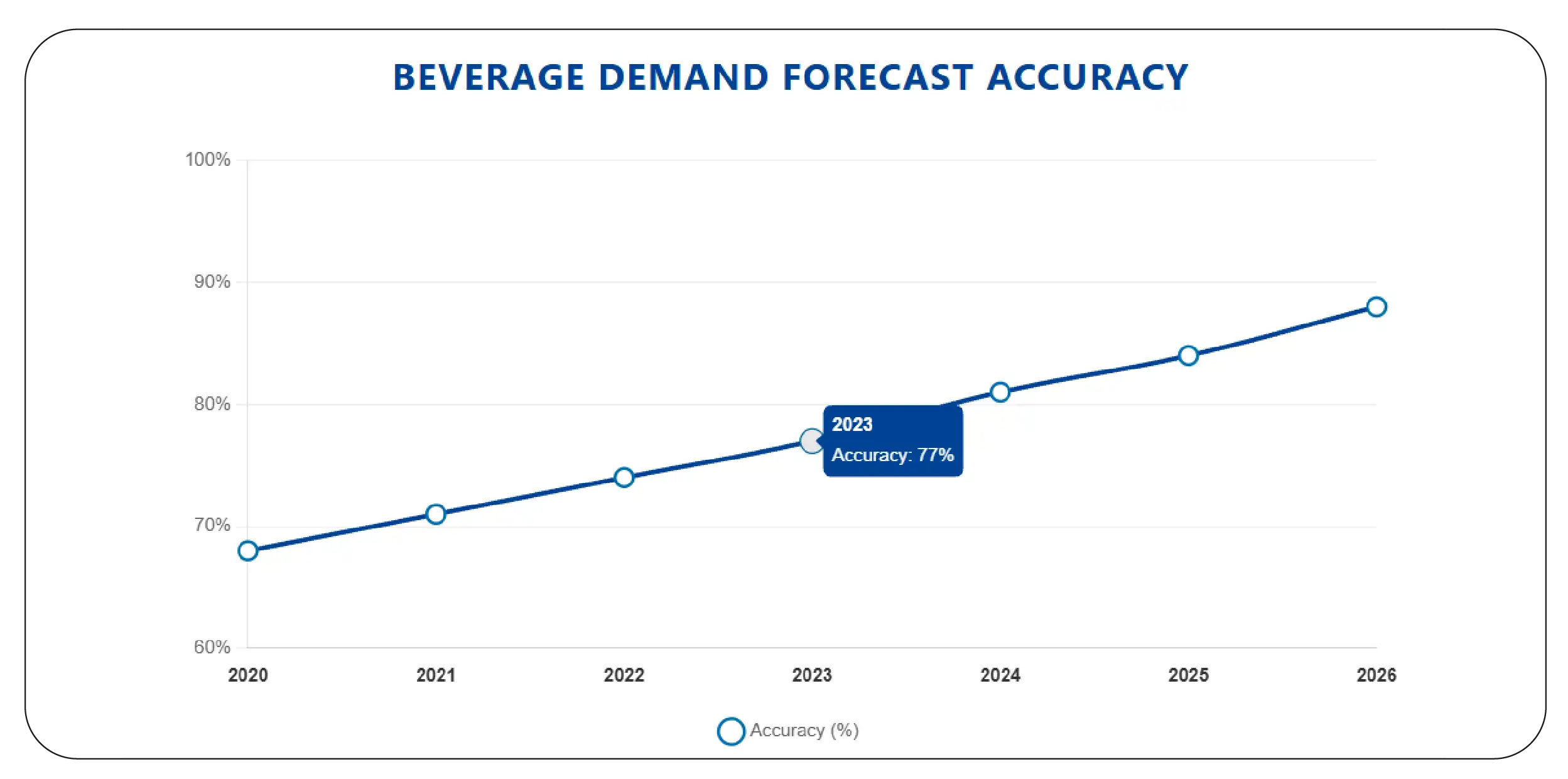
Consumer beverage demand fluctuates rapidly due to seasonality, promotions, regional preferences, and changing buying behavior. Traditional forecasting methods often struggle to keep pace with real-time inventory movement, creating supply chain inefficiencies and higher stockout risks. Automated grocery intelligence solutions help brands improve forecasting accuracy through continuous product-level monitoring and retail analytics.
| Year |
Beverage Demand Forecast Accuracy |
| 2020 |
68% |
| 2021 |
71% |
| 2022 |
74% |
| 2023 |
77% |
| 2024 |
81% |
| 2025 |
84% |
| 2026 |
88% |
Companies implementing Albertsons Inventory Data Scraping for Beverage Brands gain better visibility into inventory fluctuations, replenishment cycles, and product availability patterns across digital grocery platforms. Real-time analytics enable brands to detect demand surges earlier and optimize supply chain planning more effectively.
Advanced Digital Shelf Analytics systems also improve visibility into product placement, category rankings, pricing consistency, and online shelf performance. Beverage manufacturers can identify underperforming SKUs, optimize digital merchandising strategies, and improve customer purchase experiences across online grocery channels.
Retail intelligence automation supports cross-functional collaboration between inventory management, logistics, category planning, and marketing teams. Better forecasting accuracy helps organizations reduce excess inventory while minimizing lost sales caused by stockouts. As beverage categories become increasingly competitive, real-time demand intelligence continues playing a vital role in improving operational agility and retail execution efficiency.
Continuous Monitoring Enhances Operational Efficiency
Modern grocery ecosystems operate with rapidly changing inventory conditions, making continuous retail monitoring essential for beverage brands. Manual tracking processes are no longer sufficient for handling high-volume inventory intelligence requirements across multiple grocery categories and locations.
| Year |
Automated Monitoring Adoption |
| 2020 |
32% |
| 2021 |
38% |
| 2022 |
45% |
| 2023 |
52% |
| 2024 |
60% |
| 2025 |
67% |
| 2026 |
74% |
Businesses implementing Albertsons Stockouts Inventory Monitoring systems gain real-time access to inventory availability, out-of-stock alerts, pricing changes, and replenishment activity. Automated monitoring reduces operational delays while enabling faster response times to supply chain disruptions and retail inventory shortages.
Many organizations also rely on scalable Web Scraping API Services to centralize retail data collection and integrate inventory intelligence directly into analytics platforms. API-driven automation improves reporting consistency and supports high-volume data processing across enterprise-level grocery operations.
Continuous monitoring also helps companies identify recurring stockout patterns linked to regional demand shifts, seasonal spikes, or promotional campaigns. Retail teams can proactively adjust replenishment schedules, optimize distribution planning, and improve shelf availability before shortages affect customers. As automation adoption increases between 2020 and 2026, beverage companies leveraging real-time monitoring continue strengthening operational efficiency and inventory visibility across dynamic retail environments.
Data-Driven Insights Support Smarter Inventory Decisions
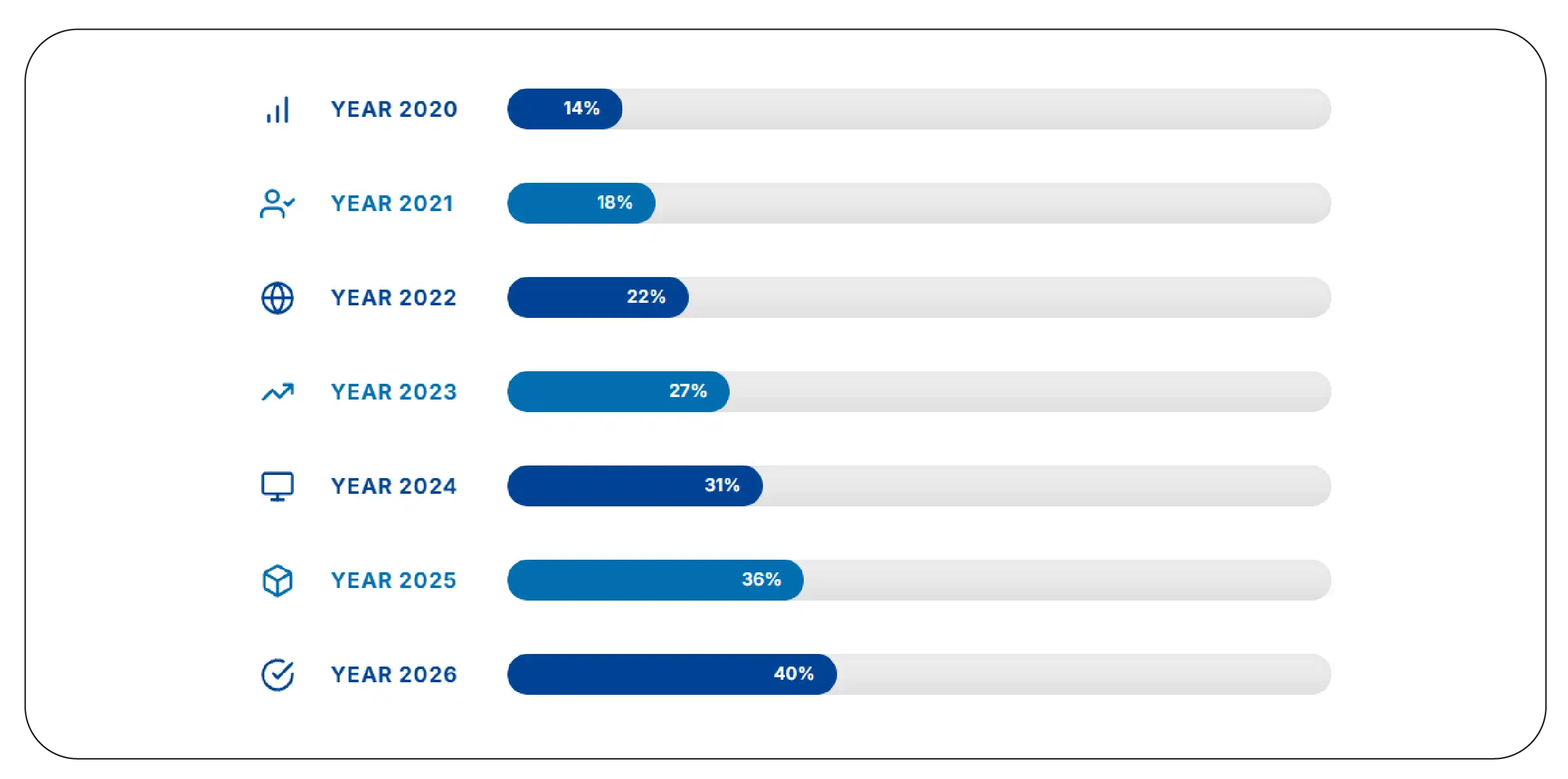
Retail inventory intelligence is becoming increasingly valuable for improving operational planning and reducing lost sales opportunities. Beverage companies require actionable insights that support faster decision-making and more accurate inventory management strategies across online grocery platforms.
| Year |
Inventory Analytics Investment Growth |
| 2020 |
14% |
| 2021 |
18% |
| 2022 |
22% |
| 2023 |
27% |
| 2024 |
31% |
| 2025 |
36% |
| 2026 |
40% |
Organizations leveraging Reduce Stockouts using Albertsons data Analytics solutions can identify product availability risks, optimize replenishment cycles, and improve demand forecasting accuracy. Automated analytics systems deliver structured retail intelligence that supports category planning, operational forecasting, and inventory allocation decisions.
Real-time reporting also helps beverage manufacturers evaluate the effectiveness of promotional campaigns and seasonal inventory strategies. Brands can track which SKUs experience the highest stockout frequencies and implement corrective actions before customer satisfaction declines.
Data-driven inventory management reduces manual intervention while improving visibility across regional grocery operations. Centralized dashboards provide actionable metrics related to low-stock trends, fulfillment delays, and digital shelf consistency. As inventory analytics investments continue increasing through 2026, beverage brands using intelligent retail data solutions are achieving stronger operational control, reduced stockout risks, and more efficient supply chain coordination.
Predictive Analytics Minimize Supply Chain Disruptions
Supply chain volatility remains one of the biggest challenges for beverage brands operating across national grocery networks. Delays in replenishment, transportation disruptions, and changing consumer demand patterns contribute to frequent inventory shortages and inconsistent shelf availability.
| Year |
Predictive Analytics Adoption |
| 2020 |
24% |
| 2021 |
30% |
| 2022 |
37% |
| 2023 |
44% |
| 2024 |
52% |
| 2025 |
59% |
| 2026 |
66% |
Advanced Albertsons Beverage Inventory shortage Analytics systems help organizations identify potential supply chain risks before they escalate into widespread stockouts. Predictive analytics models analyze inventory movement, historical demand behavior, and replenishment trends to forecast future shortages more accurately.
These insights allow beverage companies to optimize distribution planning, improve warehouse coordination, and strengthen supplier communication. Retail teams can proactively adjust inventory allocations to high-demand locations and minimize disruptions caused by seasonal demand spikes.
Predictive intelligence also supports more efficient promotional execution by aligning inventory planning with marketing campaigns and retailer activity. Companies using automated forecasting and shortage analytics gain stronger resilience against operational disruptions while improving customer satisfaction and category performance across grocery retail ecosystems.
Intelligent Retail Analytics Strengthen Market Competitiveness
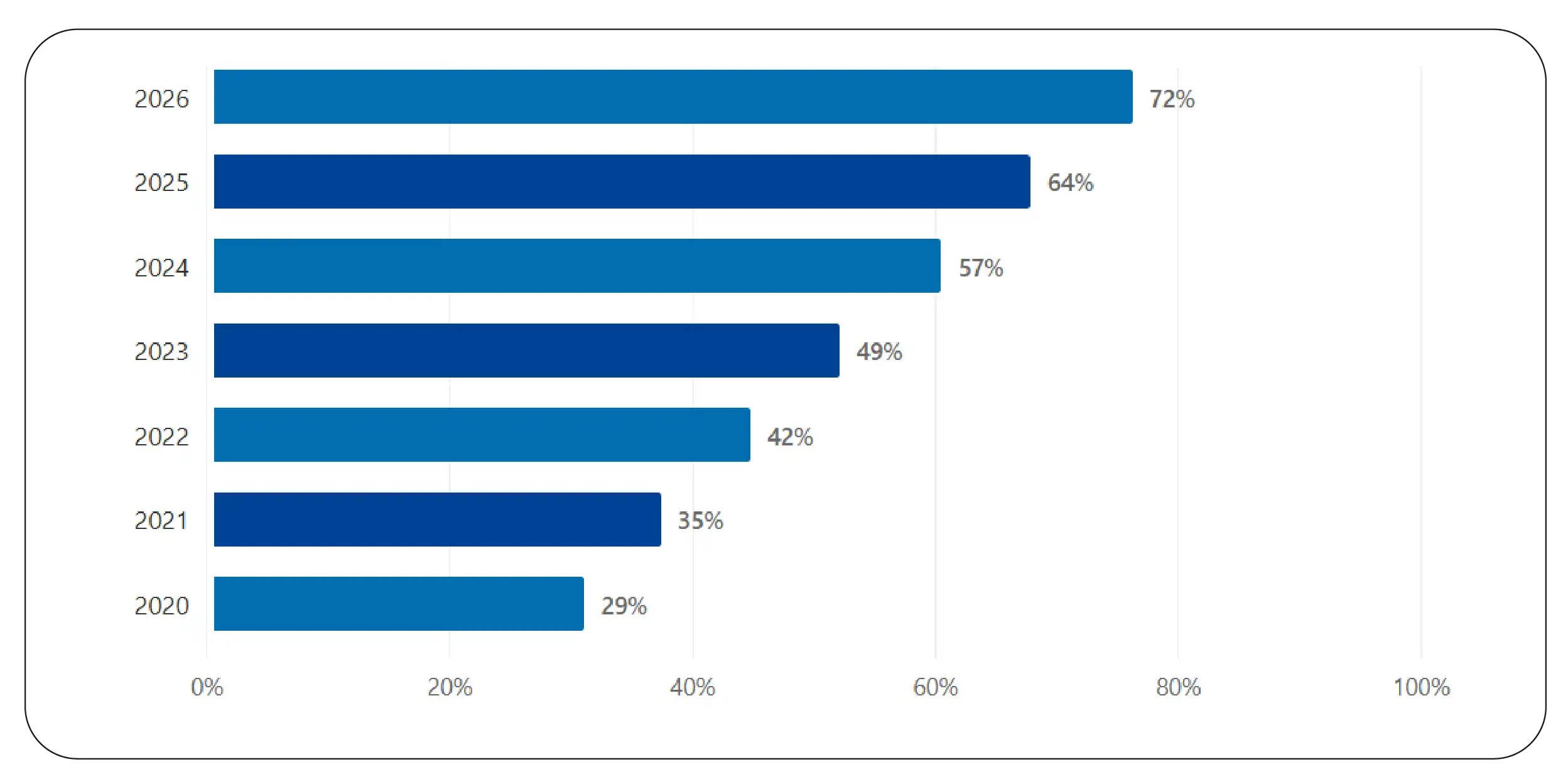
The future of grocery retail depends heavily on intelligent automation, real-time analytics, and continuous inventory visibility. Beverage companies increasingly require scalable systems capable of supporting enterprise-level retail intelligence and operational forecasting.
| Year |
Retail Intelligence Platform Adoption |
| 2020 |
29% |
| 2021 |
35% |
| 2022 |
42% |
| 2023 |
49% |
| 2024 |
57% |
| 2025 |
64% |
| 2026 |
72% |
Businesses implementing Albertsons Inventory & Availability Intelligence for Beverage Brands solutions gain deeper insights into inventory movement, digital shelf performance, competitor availability, and regional demand behavior. Automated intelligence systems improve operational transparency and support faster strategic decision-making across grocery channels.
Retail analytics platforms also help companies monitor customer purchase patterns, optimize product assortments, and strengthen category-level planning. Enhanced visibility into inventory conditions allows businesses to reduce fulfillment delays and improve omnichannel retail experiences.
As competition intensifies across beverage categories, intelligent retail analytics continue becoming essential for maintaining strong shelf presence and operational efficiency. Companies investing in scalable grocery intelligence infrastructure are better positioned to improve customer satisfaction, reduce revenue loss from stockouts, and strengthen long-term retail competitiveness.
Why Choose Product Data Scrape?
Product Data Scrape provides advanced retail intelligence solutions designed to help beverage brands monitor inventory availability, improve replenishment visibility, and strengthen digital shelf performance across grocery ecosystems. Our automation-driven analytics infrastructure enables businesses to track pricing fluctuations, product availability, and out-of-stock patterns in real time.
Using intelligent monitoring systems for Albertsons Out of Stock Analytics Beverage Brands, organizations can detect inventory shortages earlier and optimize operational planning more effectively. Our scalable Albertsons Inventory & Availability Scraping for Beverage Brand Stockouts solutions deliver accurate retail intelligence, faster reporting capabilities, and centralized analytics workflows that support enterprise-level grocery operations. With real-time visibility into inventory movement and shelf performance, businesses can reduce operational disruptions, improve customer satisfaction, and strengthen retail competitiveness across rapidly evolving grocery marketplaces.
Conclusion
Retail inventory visibility has become a critical competitive advantage for beverage brands navigating increasingly complex grocery ecosystems. Automated analytics, predictive forecasting, and real-time monitoring solutions help businesses reduce stockouts, improve shelf consistency, and strengthen customer experiences across digital grocery platforms.
By implementing advanced Web Scraping Albertsons Data solutions, brands can gain actionable insights into inventory availability, pricing movement, and replenishment trends. Intelligent Albertsons Inventory & Availability Scraping for Beverage Brand Stockouts systems empower organizations to optimize supply chain planning, improve operational responsiveness, and maintain stronger retail performance in fast-changing markets.
We help businesses transform grocery intelligence into scalable retail growth strategies with automated inventory monitoring and advanced analytics solutions.
Ready to reduce beverage stockouts and improve grocery inventory visibility? Connect with our experts today for scalable retail intelligence solutions.
FAQs
1. What is inventory and availability scraping for beverage brands?
It is the process of collecting real-time grocery inventory, pricing, and product availability data to help beverage companies monitor stock levels and improve supply chain planning.
2. How does inventory monitoring reduce stockouts?
Automated inventory monitoring detects low-stock situations early, enabling faster replenishment decisions and improving product availability across grocery retail platforms.
3. Why are digital shelf analytics important for beverage companies?
Digital shelf analytics help brands track product visibility, pricing consistency, category rankings, and customer-facing shelf performance in online grocery environments.
4. Can grocery data scraping support demand forecasting?
Yes, automated grocery intelligence systems improve forecasting accuracy by analyzing inventory movement, sales trends, and seasonal demand behavior in real time.
5. How does Product Data Scrape help beverage brands?
Product Data Scrape provides automated retail intelligence, inventory analytics, and scalable grocery data solutions that help brands reduce stockouts and improve operational efficiency.



 Singapore
 EMAIL
EMAIL
 PHONE
PHONE


.webp)
.webp "thumb")
.webp "thumb")
.webp "thumb")








.webp)