Introduction
The global luxury fashion eCommerce industry has undergone a major transformation over the past decade, fueled by digital adoption, cross-border shopping, and evolving consumer expectations. Businesses now rely heavily on Net-a-Porter vs Farfetch vs Matches Luxury Fashion data Scrape to understand pricing dynamics, assortment strategies, and competitive positioning across leading platforms. With millions of SKUs and frequent price updates, manual tracking is no longer feasible, making automated solutions essential.
By leveraging advanced tools to Extract Fashion & Apparel Data, companies can gain real-time insights into product listings, pricing fluctuations, discounts, and availability. This enables brands and retailers to align their strategies with market trends and consumer demand. Leading platforms such as Net-a-Porter, Farfetch, Matches, SSENSE, Mytheresa operate across major global markets including the UK, UAE, USA, each with unique pricing structures and customer segments.
Between 2020 and 2026, the luxury fashion eCommerce market has grown at a CAGR of over 9%, driven by online luxury consumption and digital-first strategies. In this environment, data-driven decision-making is no longer optional—it is a necessity for staying competitive and maximizing profitability.
Pricing Transparency Across Leading Platforms
Pricing transparency is one of the most critical aspects of luxury fashion eCommerce. Using Net-a-Porter vs Farfetch vs Matches Pricing Tracking, Extract Net-A-Porter Fashion & Apparel Data, businesses can monitor how similar products are priced differently across platforms and regions.
From 2020 to 2026, pricing discrepancies across luxury marketplaces increased due to factors such as regional taxes, logistics costs, and brand exclusivity agreements. Retailers leveraging pricing intelligence tools reported improved alignment with market expectations and better customer trust.
| Year |
Avg Price Variation (%) |
Discount Frequency |
Cross-Border Price Gap |
| 2020 |
9% |
Low |
Moderate |
| 2022 |
12% |
Medium |
High |
| 2024 |
15% |
High |
Very High |
| 2026 |
18% |
Very High |
Exceptional |
Luxury platforms often adopt dynamic pricing strategies, adjusting prices based on demand, inventory, and regional factors. By tracking these changes, businesses can identify underpriced or overpriced products and optimize their own pricing strategies. This level of transparency also helps brands maintain consistency across channels while maximizing profitability.
Competitive Intelligence in Luxury Retail
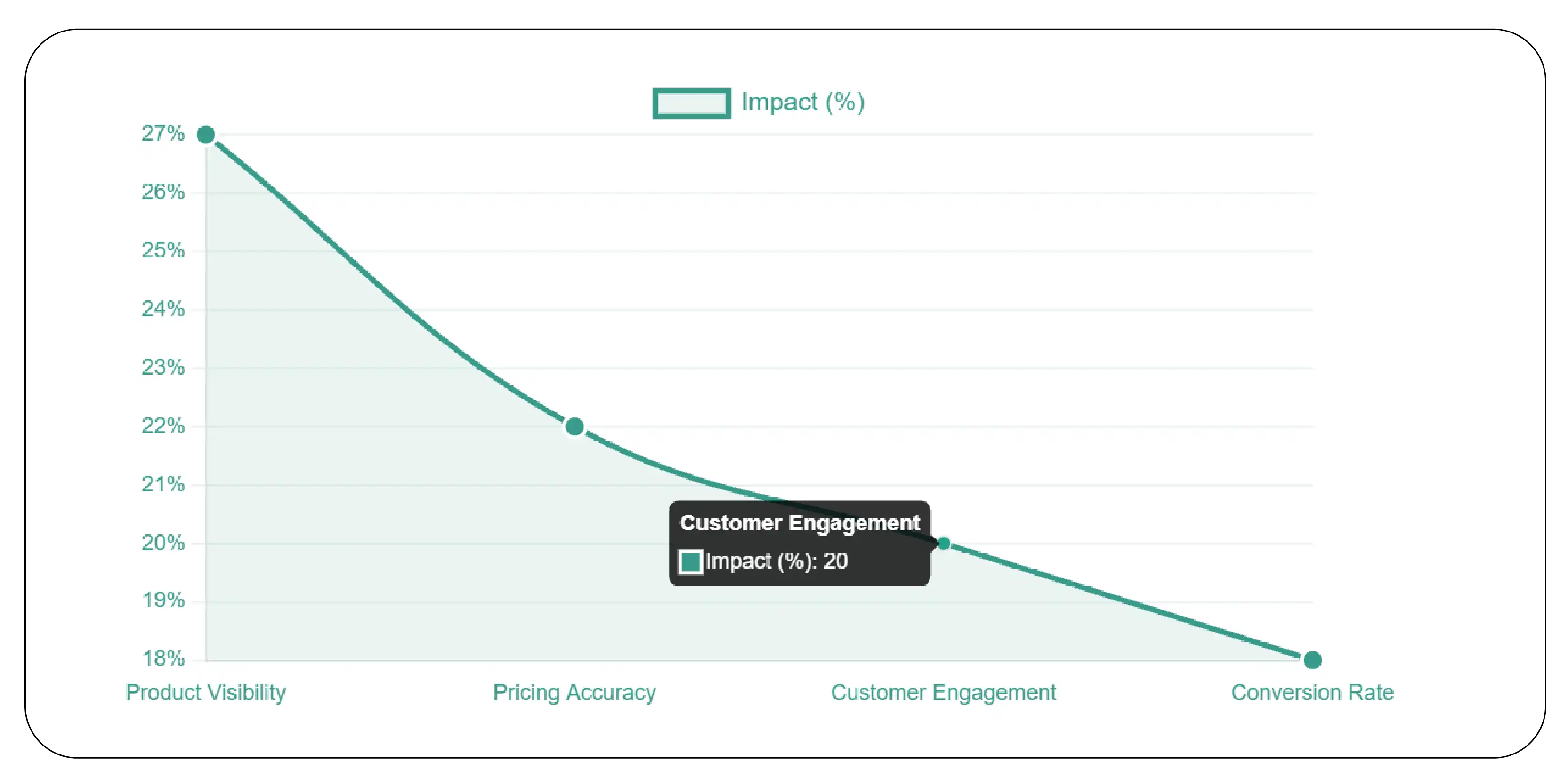
In the highly competitive luxury fashion space, understanding competitor behavior is essential. Through Luxury Fashion E-commerce Competitive Intelligence, Extract Farfetch Fashion & Apparel Data, businesses can analyze assortment strategies, promotional campaigns, and pricing trends across platforms.
Between 2020 and 2026, competitive intelligence adoption in luxury retail increased by over 30%, driven by the need for real-time insights. Retailers that invested in data-driven intelligence tools reported higher customer engagement and improved market positioning.
| Metric |
Impact |
| Product Visibility |
+27% |
| Pricing Accuracy |
+22% |
| Customer Engagement |
+20% |
| Conversion Rate |
+18% |
Farfetch, for example, operates as a global marketplace connecting boutiques worldwide, while Net-a-Porter focuses on curated luxury collections. Matches emphasizes exclusivity and editorial content, while SSENSE and Mytheresa target younger and premium audiences respectively.
By analyzing competitor data, businesses can identify gaps in the market, refine their strategies, and improve customer targeting. Competitive intelligence also enables better forecasting and helps brands stay ahead in a rapidly evolving industry.
Market Dynamics and Platform Positioning
Understanding how different platforms position themselves in the market is crucial for strategic planning. Using Net-a-Porter vs Farfetch vs Matches Market Analysis, Extract MATCHESFASHION Fashion & Apparel Data, businesses can evaluate strengths, weaknesses, and growth opportunities.
From 2020 to 2026, the luxury fashion market has seen increased fragmentation, with platforms differentiating themselves through unique value propositions. Net-a-Porter emphasizes premium curation, Farfetch focuses on global accessibility, and Matches highlights exclusivity and editorial storytelling.
| Platform |
Core Strength |
Target Audience |
Growth Trend |
| Net-a-Porter |
Brand partnerships |
High-income shoppers |
Stable |
| Farfetch |
Global marketplace |
Diverse global buyers |
High growth |
| Matches |
Curated luxury |
Niche premium segment |
Moderate |
| SSENSE |
Youth-focused luxury |
Millennials & Gen Z |
High growth |
| Mytheresa |
Premium exclusivity |
Luxury enthusiasts |
Stable |
Regional dynamics also play a key role, with the UK, UAE, USA markets showing different purchasing behaviors and price sensitivities. By understanding these dynamics, businesses can tailor their strategies to specific markets and improve overall performance.
Advanced Data Extraction for Pricing Insights
The ability to collect and process large volumes of data is essential for modern retail analytics. Through Scrape Luxury Fashion Marketplaces Pricing, Ecommerce Website Data Scraping Intelligence, businesses can automate data collection and gain real-time insights into pricing trends.
From 2020 to 2026, the adoption of web scraping technologies in retail analytics grew by over 35%, reflecting the increasing demand for data-driven decision-making.
| Feature |
Benefit |
| Real-time data |
Immediate insights |
| Multi-platform tracking |
Comprehensive coverage |
| Automation |
Reduced manual effort |
| Data accuracy |
Reliable insights |
These technologies enable businesses to monitor thousands of products simultaneously, track price changes, and analyze discount patterns. Automated data extraction also reduces errors and ensures consistency, making it easier to generate actionable insights.
By leveraging advanced scraping solutions, companies can focus on strategic analysis rather than data collection, improving efficiency and productivity.
Optimizing Pricing Strategies with Data
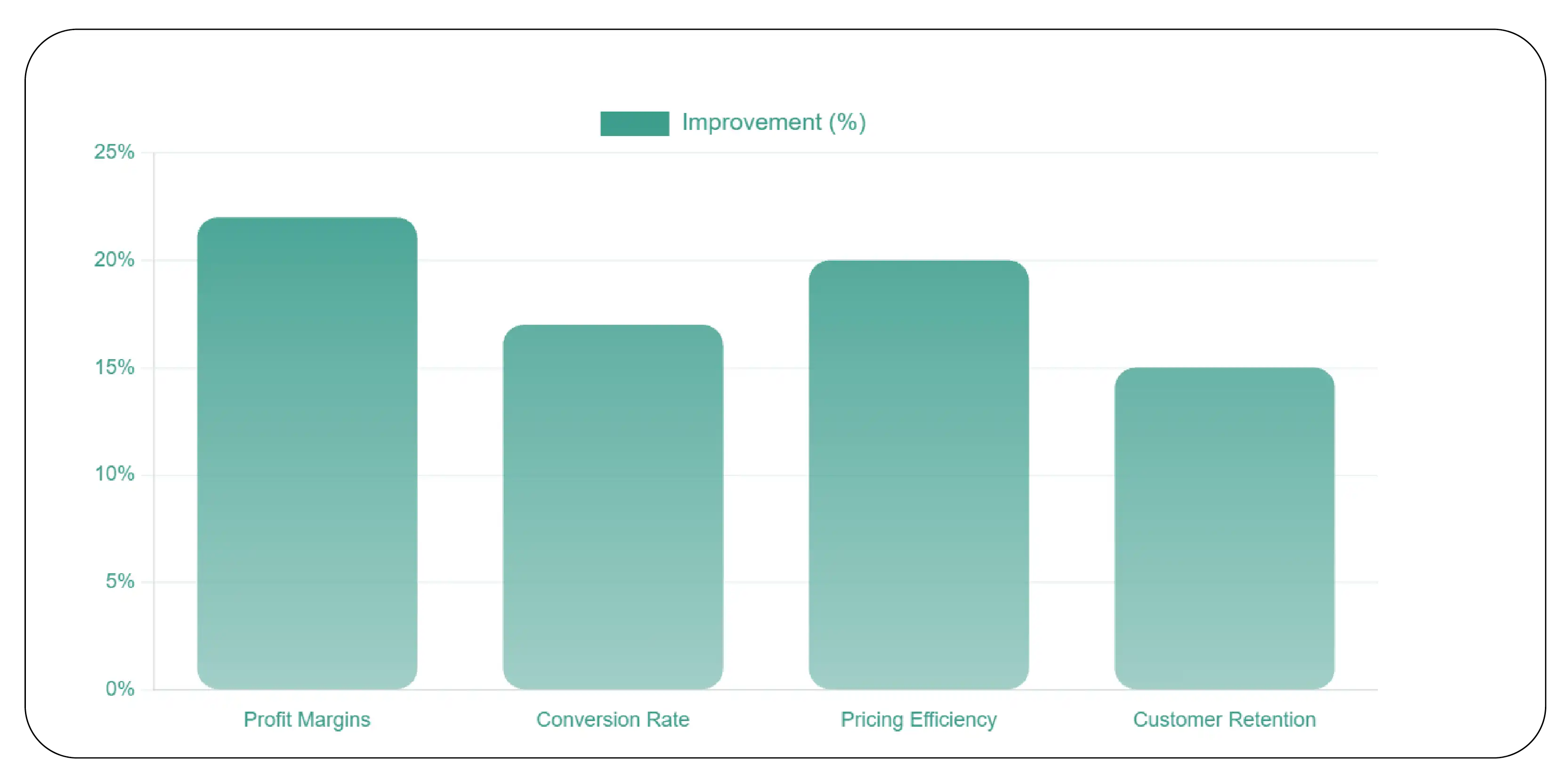
Pricing optimization is a key driver of profitability in luxury fashion eCommerce. By using Extract Luxury Fashion Pricing Net-a-Porter vs Farfetch vs Matches, E-commerce Price Monitoring Services, businesses can analyze pricing patterns and adjust their strategies accordingly.
Between 2020 and 2026, companies that implemented price monitoring solutions reported significant improvements in financial performance.
| Metric |
Improvement |
| Profit Margins |
+22% |
| Conversion Rate |
+17% |
| Pricing Efficiency |
+20% |
| Customer Retention |
+15% |
Dynamic pricing strategies allow businesses to respond to market changes in real time, ensuring competitiveness and profitability. By analyzing historical data and trends, companies can also predict future pricing patterns and optimize their strategies accordingly.
This data-driven approach ensures that businesses remain agile and responsive in a highly competitive market.
Leveraging API-Driven Analytics for Insights
APIs have become a cornerstone of modern data analytics, enabling seamless integration and efficient data processing. Using Net-a-Porter Pricing Trend Analysis, Web Scraping API Services, businesses can access structured data and perform advanced analytics with ease.
From 2020 to 2026, API adoption in retail analytics increased to over 70%, highlighting the shift toward scalable and reliable solutions.
| Benefit |
Impact |
| Structured data |
Simplified processing |
| Scalability |
Supports large datasets |
| Reliability |
Consistent performance |
| Integration |
Works with BI tools |
API-driven solutions enable faster data retrieval, reduce complexity, and improve overall efficiency. Businesses can integrate these solutions with analytics platforms to generate insights, track trends, and make informed decisions.
By leveraging APIs, companies can focus on innovation and strategy rather than infrastructure management, gaining a competitive edge in the luxury fashion market.
Why Choose Product Data Scrape?
Product Data Scrape provides advanced solutions for Farfetch Product Listing Data Extraction, Net-a-Porter vs Farfetch vs Matches Luxury Fashion data Scrape, enabling businesses to access accurate and real-time data across luxury platforms. The platform is designed to handle large-scale data extraction, ensuring high performance and reliability.
With features like customizable APIs, structured data outputs, and seamless integration, Product Data Scrape simplifies complex data workflows. Businesses can automate data collection, reduce operational costs, and improve efficiency.
The platform supports multi-region analysis, allowing companies to track pricing and trends across the UK, UAE, USA markets. This ensures that businesses can make data-driven decisions tailored to specific regions. By leveraging Product Data Scrape, organizations can gain a comprehensive view of the luxury fashion market and stay ahead of the competition.
Conclusion
The luxury fashion eCommerce market is becoming increasingly competitive, making data-driven strategies essential for success. By leveraging Matches Fashion pricing data Scraping, Net-a-Porter vs Farfetch vs Matches Luxury Fashion data Scrape, businesses can gain valuable insights into pricing trends, market dynamics, and competitor strategies.
From pricing transparency to advanced analytics and API-driven solutions, the benefits of data extraction are significant. Companies that embrace these technologies can optimize pricing, improve customer engagement, and drive sustainable growth.
Start using Product Data Scrape today to unlock the power of Net-a-Porter vs Farfetch vs Matches Luxury Fashion data Scrape and gain a competitive edge in the global luxury fashion market!



 Singapore
 EMAIL
EMAIL
 PHONE
PHONE










.webp)