Introduction
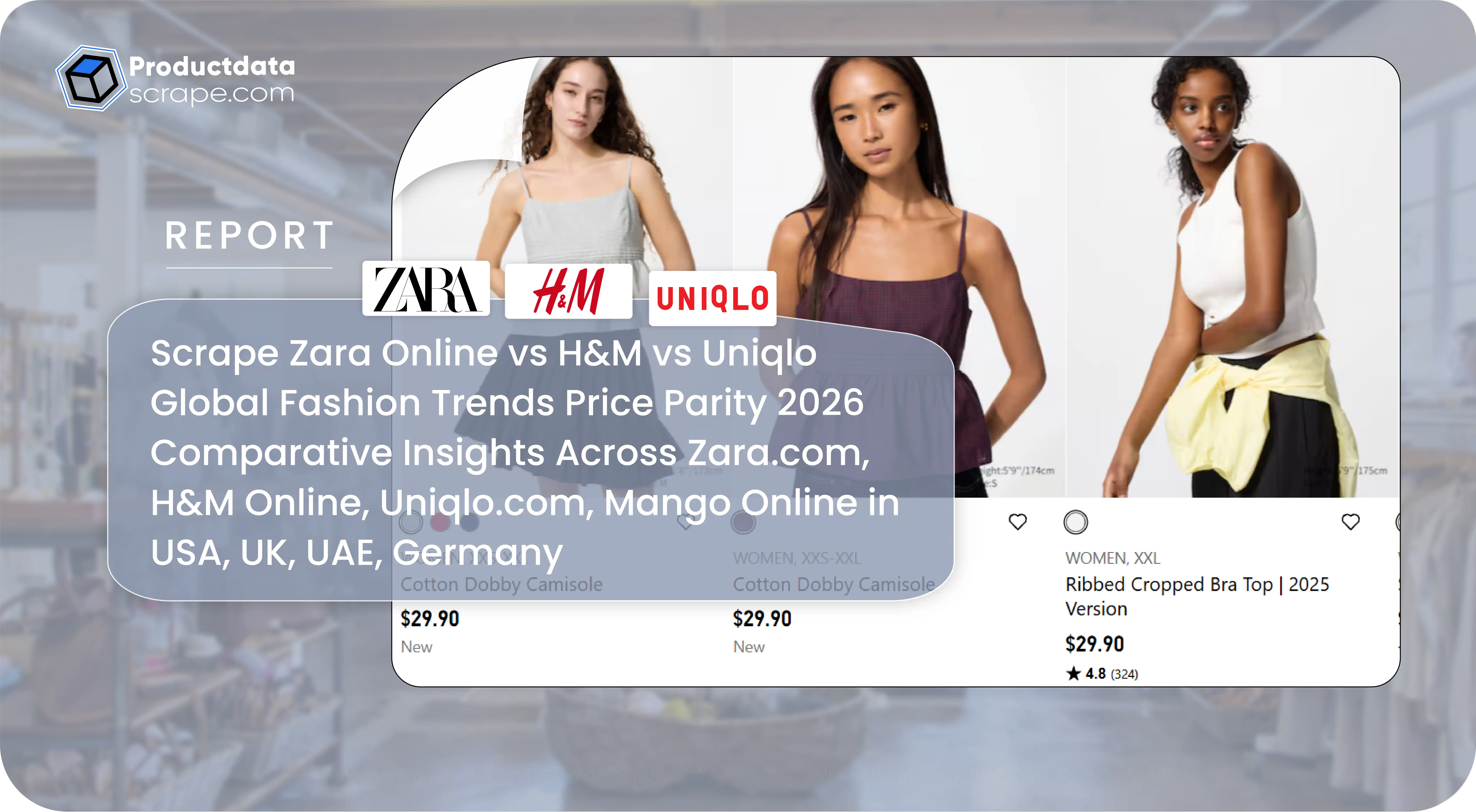
The global fast-fashion industry has become increasingly data-driven, with brands relying on advanced analytics to remain competitive across international markets. One of the most effective approaches is leveraging Scrape Zara Online vs H&M vs Uniqlo Global Fashion Trends Price Parity 2026, which provides deep insights into pricing strategies, regional variations, and product positioning. As fashion retailers expand globally, maintaining price consistency while adapting to local market dynamics has become a critical challenge.
Access to structured datasets such as the Zara E-commerce Product Dataset enables businesses to analyze product listings, pricing fluctuations, and discount patterns across different regions. Between 2020 and 2026, the fast-fashion eCommerce market has experienced rapid growth, driven by digital adoption and changing consumer preferences. Brands like Zara, H&M, Uniqlo, and Mango are continuously refining their strategies to balance global pricing parity with localized demand.
This research report explores how data scraping technologies empower retailers to track trends, optimize pricing, and gain actionable insights across key markets including the USA, UK, UAE, and Germany.
Understanding Global Pricing Dynamics
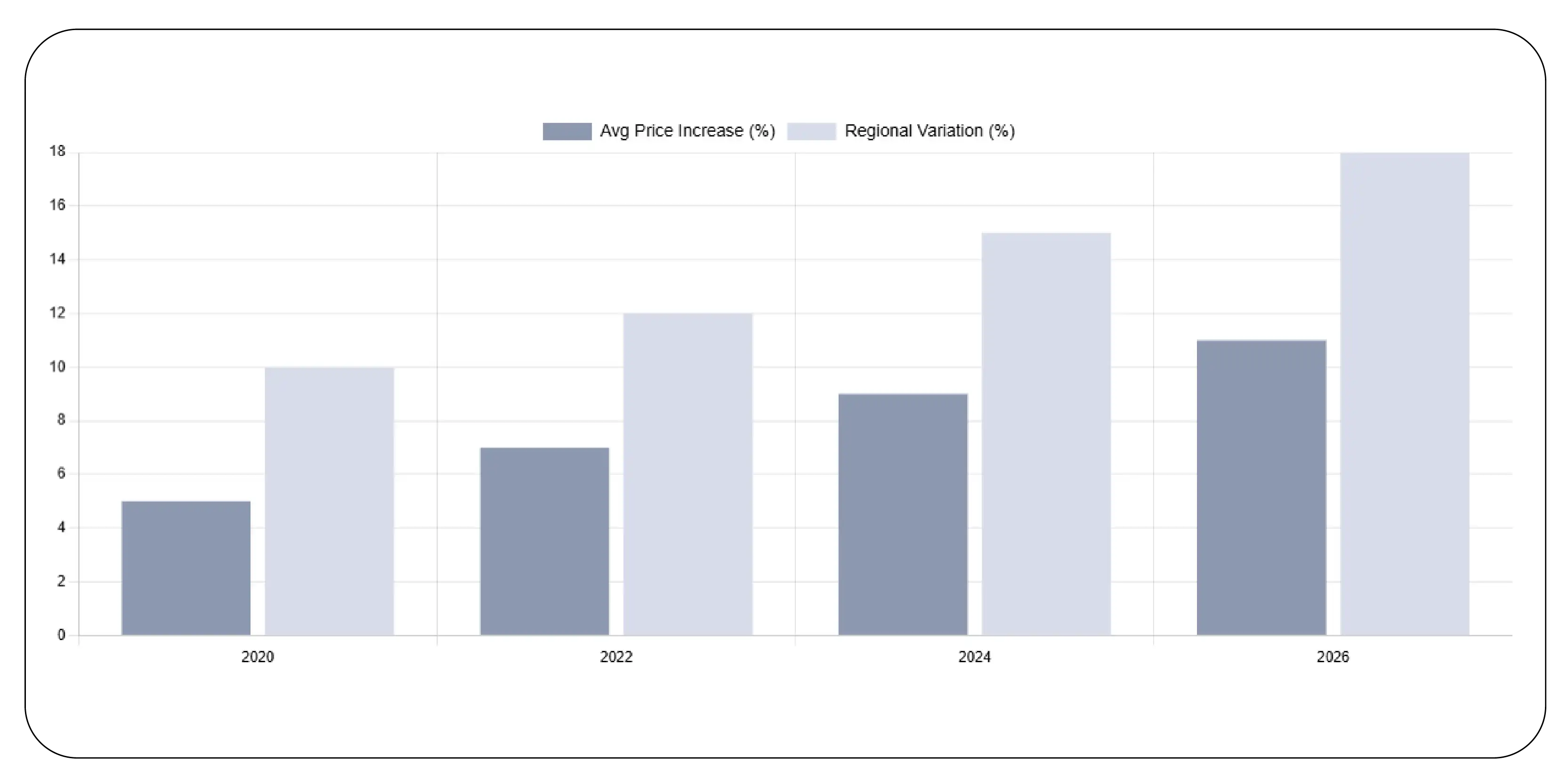
Analyzing international pricing trends is essential for fashion retailers aiming to maintain competitiveness. By leveraging Tracking Global Fashion Pricing Trends using Data 2026, Extract uniqlo Fashion & Apparel Data, businesses can monitor how prices vary across regions and time periods.
From 2020 to 2026, global fashion pricing has shown a steady increase due to inflation, supply chain disruptions, and rising production costs. However, regional pricing differences remain significant due to taxes, logistics, and purchasing power.
| Year |
Avg Price Increase (%) |
Regional Variation (%) |
Discount Frequency |
| 2020 |
5% |
10% |
Low |
| 2022 |
7% |
12% |
Medium |
| 2024 |
9% |
15% |
High |
| 2026 |
11% |
18% |
Very High |
Retailers use these insights to adjust pricing strategies and ensure consistency across markets. By analyzing historical data and trends, businesses can predict future pricing patterns and optimize their global operations.
Evaluating Competitive Positioning Across Platforms
Understanding how brands position themselves in the market is crucial for strategic planning. Through E-Commerce Zara Online vs H&M vs Uniqlo fashion Trends analysis 2026, Extract zara Fashion & Apparel Data, businesses can evaluate product assortment, pricing strategies, and promotional activities.
Between 2020 and 2026, Zara maintained a premium fast-fashion positioning, while H&M focused on affordability and sustainability. Uniqlo emphasized quality basics and functional apparel.
| Brand |
Core Strategy |
Target Audience |
Pricing Position |
| Zara |
Trend-driven fashion |
Urban consumers |
Premium Fast |
| H&M |
Affordable fashion |
Mass market |
Budget-Friendly |
| Uniqlo |
Functional basics |
Value-conscious buyers |
Mid-Range |
| Mango |
Contemporary style |
Fashion-forward users |
Mid-Premium |
These insights help businesses understand competitive dynamics and refine their own strategies. By analyzing platform data, companies can identify gaps in the market and improve their offerings.
Cross-Platform Price Comparison Strategies
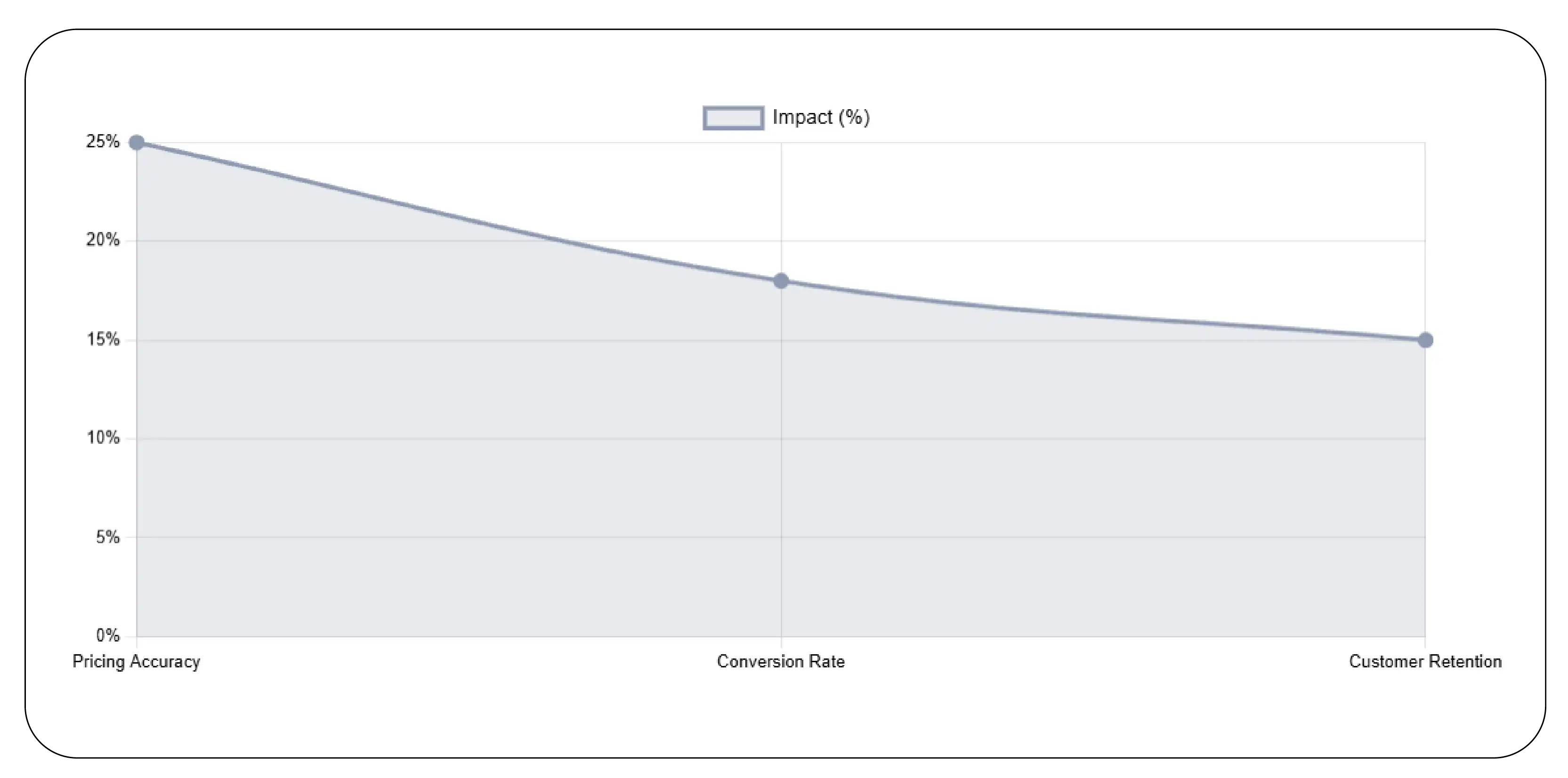
Price comparison across platforms is a key component of retail intelligence. Using Scrape Zara vs H&M vs Uniqlo Global Price Comparison, Extract Fashion & Apparel Data, businesses can analyze how similar products are priced across different brands and regions.
From 2020 to 2026, price comparison tools have become increasingly sophisticated, enabling real-time analysis of thousands of products.
| Metric |
Impact |
| Pricing Accuracy |
+25% |
| Conversion Rate |
+18% |
| Customer Retention |
+15% |
By comparing prices across platforms, retailers can identify competitive advantages and adjust their strategies accordingly. This ensures that they remain competitive while maximizing profitability.
Identifying Regional Pricing Gaps
Regional pricing gaps provide valuable insights into market dynamics. Through Extract Pricing Gap Zara Online vs H&M vs Uniqlo Across Markets 2026, eCommerce Dataset, businesses can analyze how prices differ across regions such as the USA, UK, UAE, and Germany.
Between 2020 and 2026, regional pricing gaps increased due to varying economic conditions and consumer behavior.
| Region |
Avg Price Gap (%) |
Key Factors |
| USA |
10% |
High demand, logistics |
| UK |
12% |
Taxes, currency exchange |
| UAE |
15% |
Import costs, exclusivity |
| Germany |
11% |
Market competition |
Understanding these gaps allows businesses to optimize pricing strategies and improve market penetration. Retailers can also use this data to design targeted promotions and enhance customer engagement.
Monitoring Brand-Specific Pricing Trends
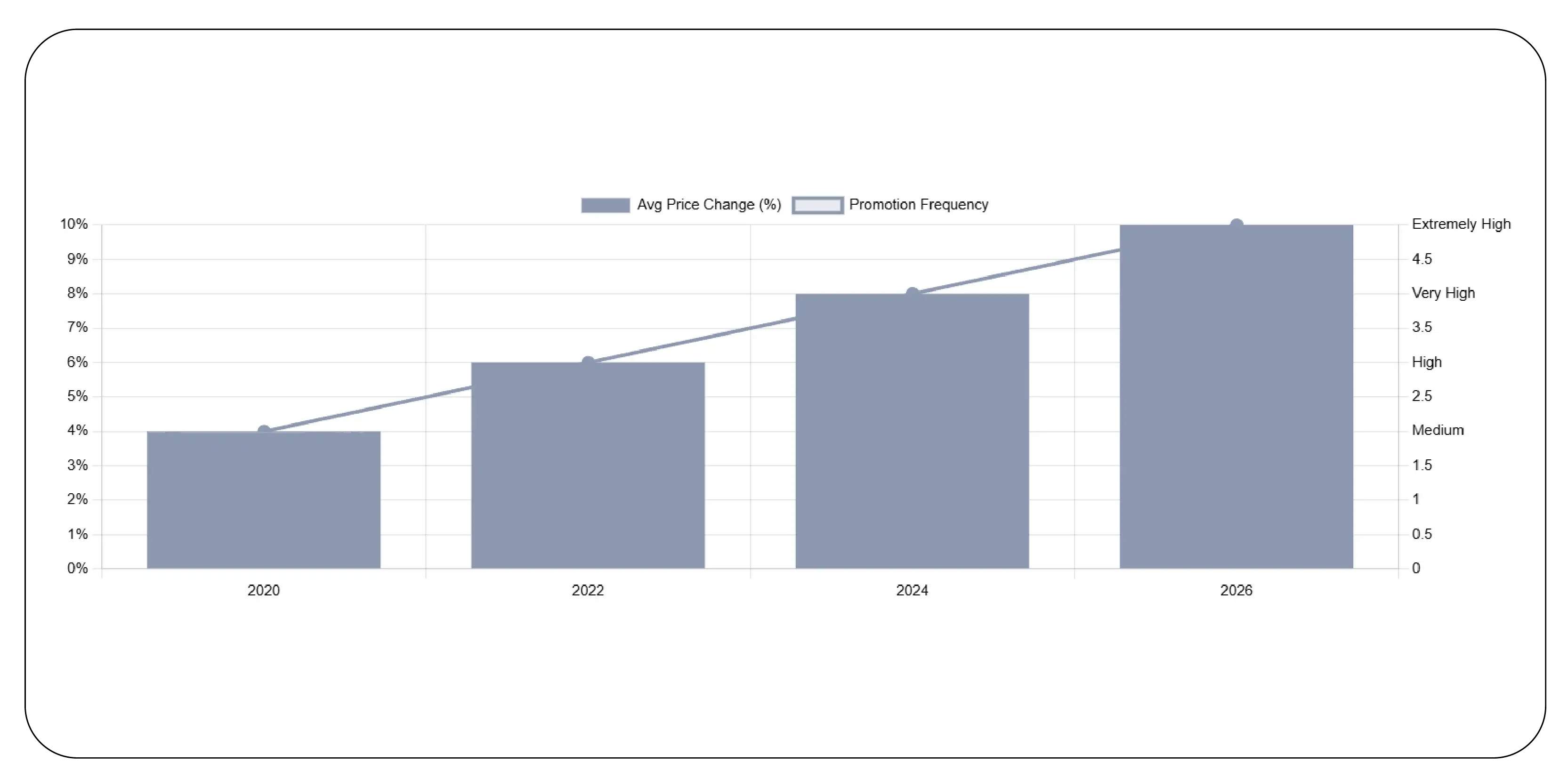
Tracking brand-specific trends is essential for understanding market performance. By leveraging H&M Fashion & apparel Price Trends Tracking, Web Scraping API Services, businesses can analyze how pricing evolves over time for individual brands.
From 2020 to 2026, H&M has focused on maintaining affordability while introducing sustainable product lines. This strategy has influenced pricing trends and customer perception.
| Year |
Avg Price Change (%) |
Promotion Frequency |
Customer Engagement |
| 2020 |
4% |
Medium |
Moderate |
| 2022 |
6% |
High |
High |
| 2024 |
8% |
Very High |
Very High |
| 2026 |
10% |
Extremely High |
Exceptional |
These insights help businesses understand how brand strategies impact pricing and customer behavior. By monitoring trends, companies can adjust their strategies to remain competitive.
Leveraging Data for Pricing Intelligence
Advanced analytics and data extraction technologies play a crucial role in modern retail strategies. Using Zara Online Global Trends Fashion Price data scraping, Pricing Intelligence Services, businesses can gain real-time insights into pricing trends and market dynamics.
Between 2020 and 2026, the adoption of data-driven pricing intelligence solutions has increased by over 35%, enabling businesses to make more informed decisions.
| Feature |
Benefit |
| Real-time data |
Immediate insights |
| Automation |
Reduced manual effort |
| Scalability |
Handles large datasets |
| Integration |
Works with analytics tools |
By leveraging these technologies, retailers can optimize pricing, improve efficiency, and enhance customer satisfaction. Data-driven strategies ensure that businesses remain agile and responsive in a competitive market.
Why Choose Product Data Scrape?
Product Data Scrape provides advanced solutions for Uniqlo Global Trends Price Comparison Data scrape, Scrape Zara Online vs H&M vs Uniqlo Global Fashion Trends Price Parity 2026, enabling businesses to access accurate and real-time data across global fashion platforms.
The platform offers scalable infrastructure, structured data outputs, and seamless integration with analytics tools. Businesses can automate data collection, reduce operational costs, and improve efficiency.
With the ability to track trends across multiple regions and platforms, Product Data Scrape empowers organizations to make data-driven decisions. This ensures that businesses can stay competitive and adapt to changing market conditions effectively.
Conclusion
The fast-fashion industry continues to evolve rapidly, driven by global expansion and digital transformation. By leveraging H&M E-commerce Product Dataset, Scrape Zara Online vs H&M vs Uniqlo Global Fashion Trends Price Parity 2026, businesses can gain valuable insights into pricing trends, regional dynamics, and competitive strategies.
From tracking global pricing trends to analyzing regional gaps and brand-specific strategies, data-driven approaches are essential for success. Companies that embrace these technologies can optimize pricing, improve customer engagement, and drive sustainable growth.
Start using Product Data Scrape today to unlock powerful insights from Scrape Zara Online vs H&M vs Uniqlo Global Fashion Trends Price Parity 2026 and stay ahead in the global fashion market!



 Singapore
 EMAIL
EMAIL
 PHONE
PHONE










.webp)