Introduction
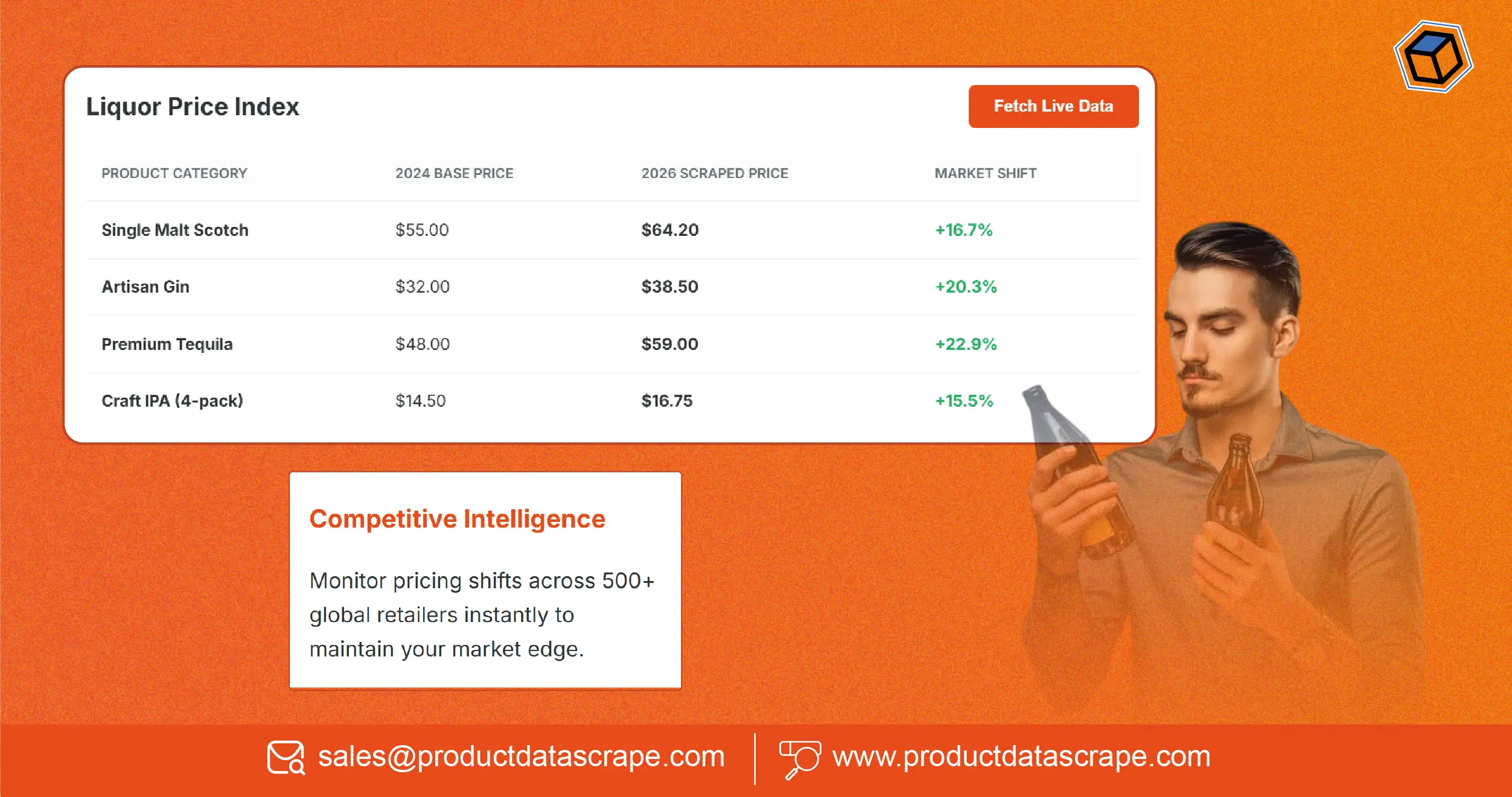
The alcohol industry is becoming increasingly data-driven as brands, distributors, and retailers face rising competition, fluctuating demand, and unpredictable pricing pressures. From inflation and logistics costs to changing consumer buying behavior, liquor businesses must react faster than ever to stay profitable.
The Top Benefits of alcohol Price Data Scraping lie in its ability to provide real-time visibility into market pricing, competitor strategies, and long-term trends. Instead of relying on delayed reports or manual tracking, businesses can now access structured price intelligence collected directly from online liquor stores, marketplaces, and regional retailers.
Between 2020 and 2026, alcohol pricing has experienced consistent upward pressure combined with short-term volatility. Data scraping bridges this gap by delivering actionable insights that support pricing optimization, demand forecasting, inventory planning, and margin protection. In this blog, we explore how alcohol price data scraping empowers smarter liquor market decisions in 2026.
How does price data scraping help liquor brands make smarter pricing decisions?
Smarter pricing decisions begin with market visibility. By leveraging the Top Benefits of alcohol Price Data Scraping, liquor brands gain access to current and historical pricing data across geographies, sales channels, and product categories. This allows brands to adjust prices dynamically rather than relying on static, outdated models.
From 2020 to 2022, alcohol brands experienced price fluctuations of nearly 15% due to supply chain disruptions and inflation. Brands using scraped price intelligence were able to react faster by adjusting margins, identifying price elasticity, and avoiding revenue loss.
Average Alcohol Price Index (2020–2026)
.webp)
| Year |
Price Index |
| 2020 |
100 |
| 2021 |
104 |
| 2022 |
112 |
| 2023 |
118 |
| 2024 |
123 |
| 2025* |
127 |
| 2026* |
131 |
Pricing teams can identify optimal price points, monitor underperforming SKUs, and align prices with consumer demand patterns—leading to more confident and profitable pricing strategies.
How can real-time pricing insights improve competitiveness in the alcohol market?
Competitive advantage depends on speed and accuracy. When brands scrape alcohol prices for competitive pricing analysis, they gain immediate insight into competitor pricing, discounts, bundle offers, and regional variations. This real-time visibility enables faster strategic responses.
Between 2021 and 2024, promotional competition in online alcohol retail increased by 24%. Brands tracking competitor pricing in real time avoided unnecessary discounting and timed promotions more effectively.
Competitive Discount Frequency (%)
| Year |
Discount Activity |
| 2020 |
18% |
| 2021 |
21% |
| 2022 |
26% |
| 2023 |
29% |
| 2024 |
32% |
| 2025* |
34% |
| 2026* |
36% |
Real-time pricing intelligence empowers liquor businesses to remain competitive without eroding margins or brand value.
In what ways does pricing intelligence reduce market uncertainty and volatility?
Pricing uncertainty is one of the biggest risks in the alcohol industry. With alcohol price scraping improves pricing strategy, businesses gain consistent insights into market trends, seasonal fluctuations, and sudden price shifts caused by regulatory or supply changes.
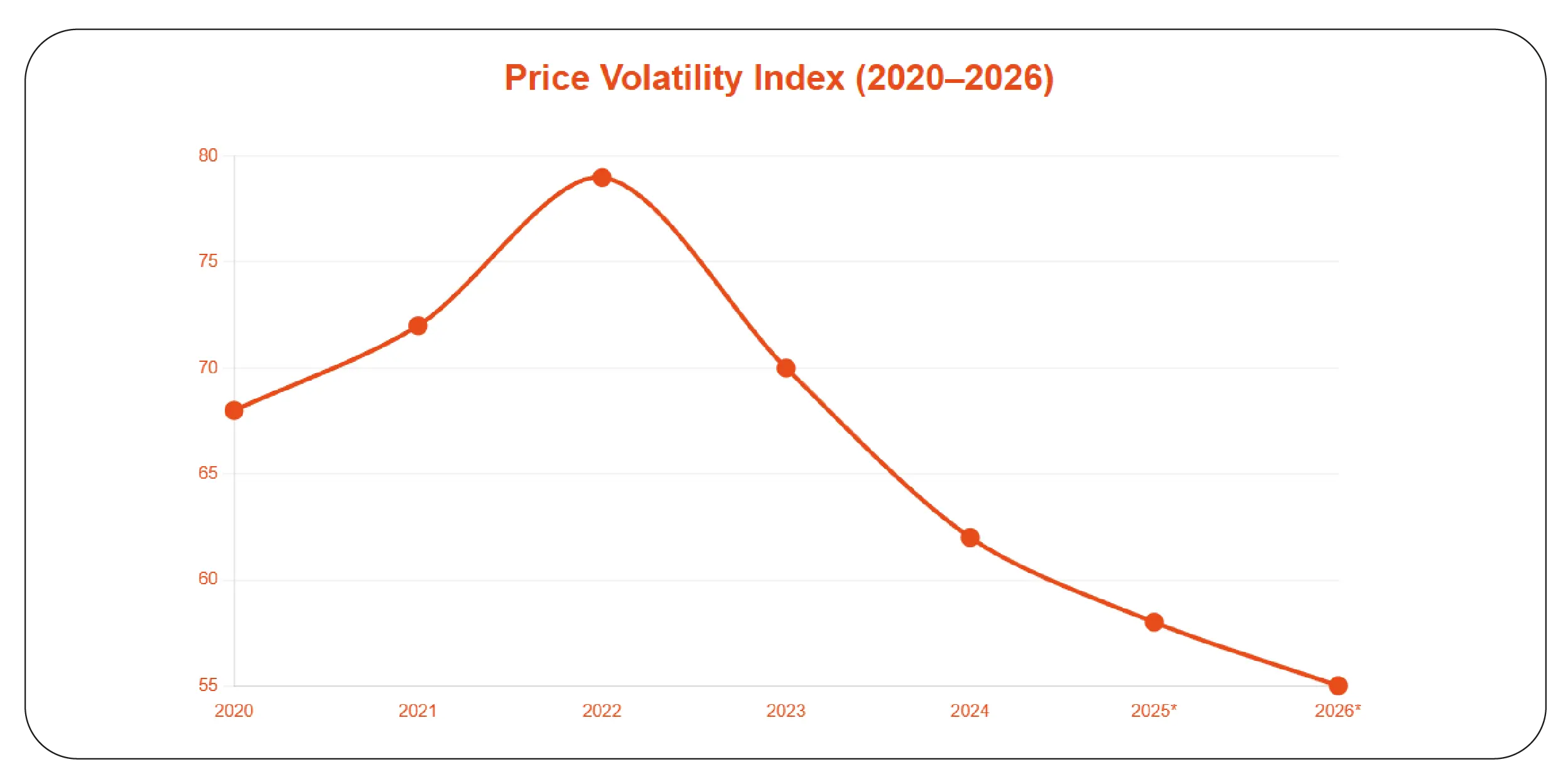
From 2020 to 2023, alcohol price volatility peaked during logistics disruptions and regulatory adjustments. Pricing intelligence reduced uncertainty by enabling brands to anticipate price spikes and stabilize pricing strategies.
Price Volatility Index
| Year |
Volatility Score |
| 2020 |
68 |
| 2021 |
72 |
| 2022 |
79 |
| 2023 |
70 |
| 2024 |
62 |
| 2025* |
58 |
| 2026* |
55 |
Reduced volatility improves budgeting accuracy, supplier negotiations, and long-term planning for alcohol businesses.
How does access to historical price data support better demand forecasting?
Historical data is essential for accurate forecasting. With Real-time alcohol price tracking, brands can analyze past price behavior alongside sales volumes to predict future demand patterns.
Between 2020 and 2024, brands using historical pricing datasets improved forecast accuracy by up to 27%. This allowed them to align production volumes with expected demand more effectively.
Demand Forecast Accuracy (%)
| Year |
Accuracy |
| 2020 |
61% |
| 2021 |
65% |
| 2022 |
71% |
| 2023 |
78% |
| 2024 |
82% |
| 2025* |
85% |
| 2026* |
88% |
Better forecasting reduces overproduction, minimizes stockouts, and strengthens revenue predictability.
How can businesses monitor competitor discounts and promotional strategies effectively?
Promotions significantly influence consumer buying behavior. Using Alcohol price scraping for competitor monitoring, businesses can track discount timing, pricing thresholds, and promotion frequency across multiple platforms.
From 2022 onward, promotional campaigns became shorter but more frequent. Brands monitoring competitors adjusted promotions strategically instead of reacting blindly.
Promotional Activity Growth
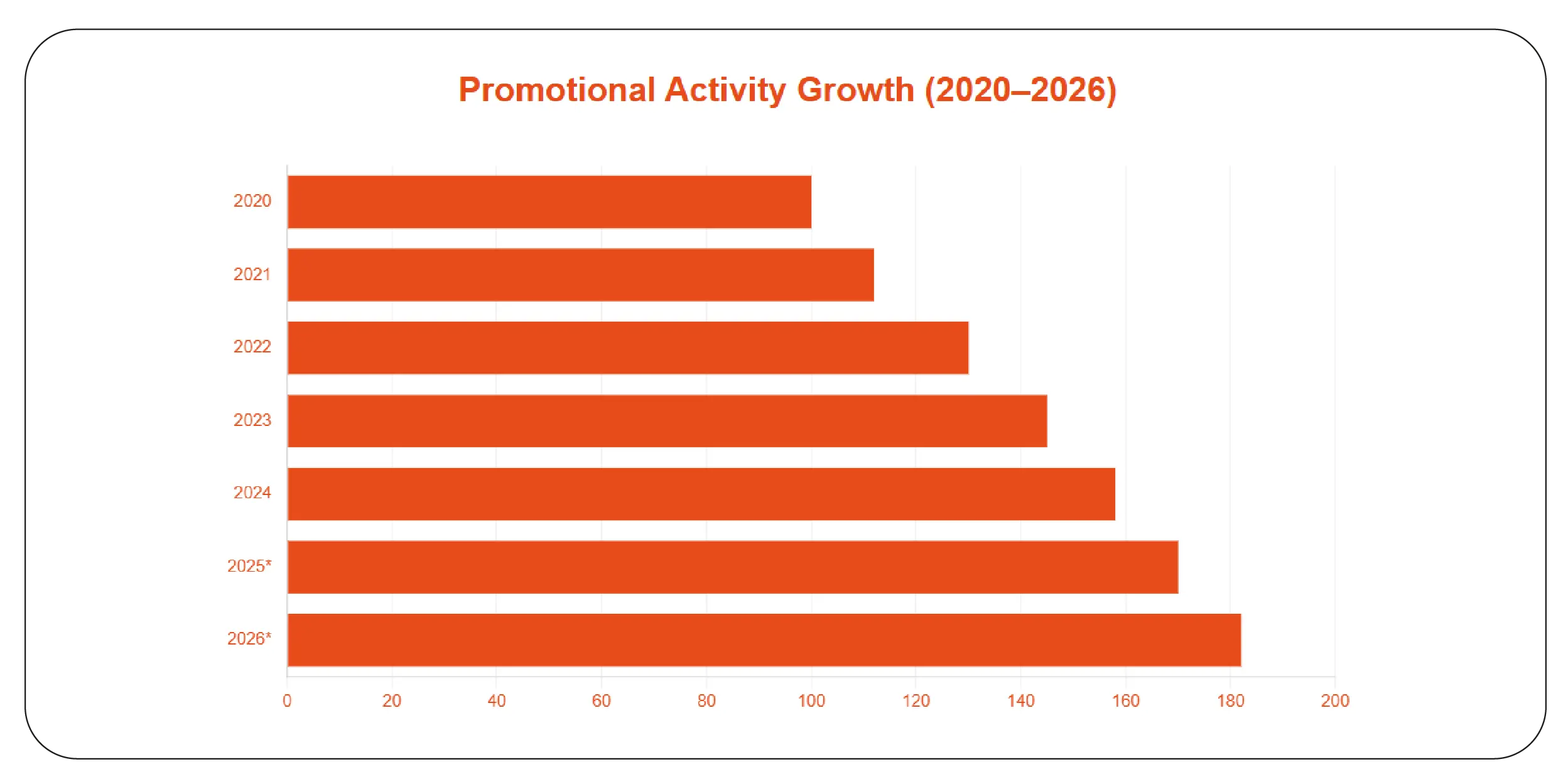
| Year |
Campaign Count |
| 2020 |
100 |
| 2021 |
112 |
| 2022 |
130 |
| 2023 |
145 |
| 2024 |
158 |
| 2025* |
170 |
| 2026* |
182 |
This insight helps brands protect brand value while staying promotionally competitive.
How does price trend analysis help protect profit margins in 2026?
Margin protection depends on understanding long-term pricing patterns. How Alcohol Brands Use Price Intelligence is by identifying rising cost pressures early and adjusting pricing strategies proactively.
Between 2023 and 2026, raw material and logistics costs increased steadily. Brands using trend analysis preserved margins by refining product positioning and SKU-level pricing.
Average Gross Margin (%)
| Year |
Margin |
| 2020 |
38% |
| 2022 |
36% |
| 2024 |
34% |
| 2026* |
35% |
Price trend intelligence ensures sustainable profitability in a competitive market.
How can scraped pricing data improve inventory and supply chain planning?
Efficient inventory planning depends on accurate demand and pricing signals. By leveraging extract liquor product details USA, businesses align procurement and distribution with market demand.
Brands using scraped pricing data reduced excess inventory by 19% between 2021 and 2024 while improving fulfillment rates.
Inventory Efficiency Index
| Year |
Index |
| 2020 |
100 |
| 2022 |
108 |
| 2024 |
118 |
| 2026* |
125 |
This leads to optimized warehousing, reduced waste, and smoother supply chains.
Why Choose Product Data Scrape?
Product Data Scrape delivers scalable, accurate, and compliant alcohol pricing intelligence tailored to your business needs. Our solutions capture structured pricing, SKU-level details, and market trends from global liquor platforms. With proven expertise in Scrape Alcohol Brand Reviews, Ratings & SKU Data 2025 and the Top Benefits of alcohol Price Data Scraping, we empower liquor brands with real-time data, historical insights, and actionable analytics to drive growth in 2026 and beyond.
Conclusion
Data-driven pricing is no longer optional in the alcohol industry—it’s essential. By leveraging Extract Alcohol & Liquor Price Data and understanding the Top Benefits of alcohol Price Data Scraping, liquor businesses gain clarity, control, and competitive advantage. From smarter pricing decisions to demand forecasting and margin protection, price intelligence fuels sustainable growth.
Ready to unlock smarter liquor market insights in 2026? Partner with us today and transform pricing data into powerful business intelligence!
FAQs
1. Why is alcohol price data important for market intelligence?
Alcohol price data reveals trends, demand patterns, and competitive behavior, enabling brands to make informed pricing, promotion, and inventory decisions.
2. How often should liquor pricing data be updated?
Real-time or daily updates provide the most accurate insights, especially in competitive online alcohol markets.
3. Is alcohol price data scraping legal?
Yes, when done ethically and in compliance with platform policies and data regulations.
4. Who benefits most from alcohol price data scraping?
Liquor brands, distributors, retailers, market researchers, and pricing teams benefit significantly.
5. Can Product Data Scrape support large-scale alcohol data projects?
Yes, Product Data Scrape offers scalable solutions for global alcohol price tracking, competitor monitoring, and market intelligence.



 Singapore
 EMAIL
EMAIL
 PHONE
PHONE










.webp)