Introduction
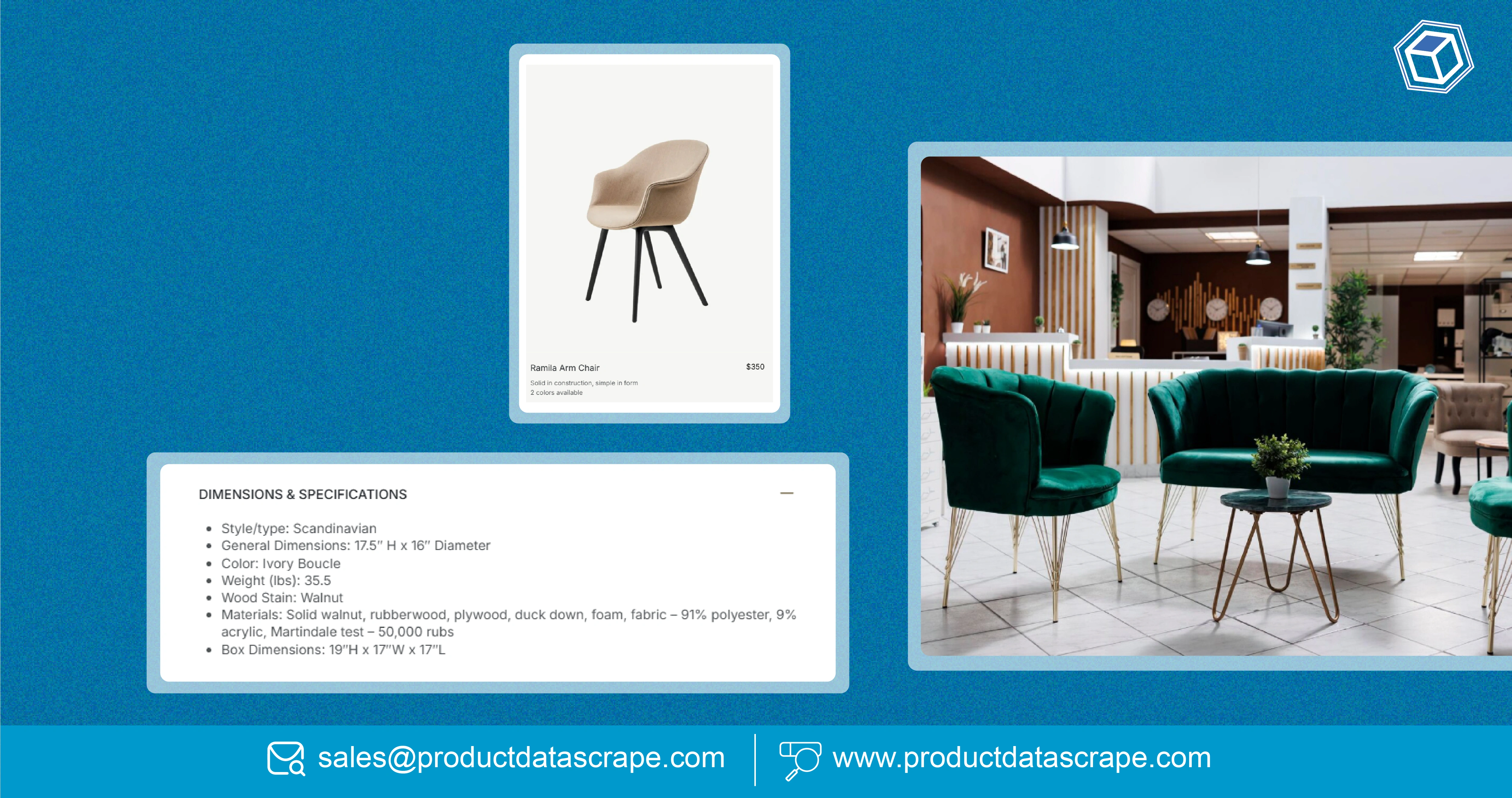
In today’s competitive eCommerce landscape, accurate and detailed product data is essential for success. Businesses must Extract Furniture Stores variant level data to capture granular details that influence buying decisions. Attributes such as Furniture Color, Material, Size at Scale play a crucial role in enhancing product discovery, personalization, and inventory management. Without precise variant-level data, retailers risk inconsistencies, poor user experiences, and lost revenue opportunities.
As the global furniture eCommerce market expands, companies increasingly rely on automated solutions to Extract Furniture & Home Decor Website Data efficiently. From 2020 to 2026, the demand for structured product datasets has surged due to the rise of omnichannel retail and digital transformation. Variant-level extraction ensures that each product option—whether it’s a sofa in different fabrics or a table in multiple sizes—is accurately represented.
By implementing scalable scraping and data processing pipelines, businesses can eliminate data gaps, improve catalog accuracy, and gain actionable insights. This blog explores how to achieve seamless variant-level data extraction and maintain consistency across large-scale furniture datasets.
Overcoming Fragmented Data Across Platforms
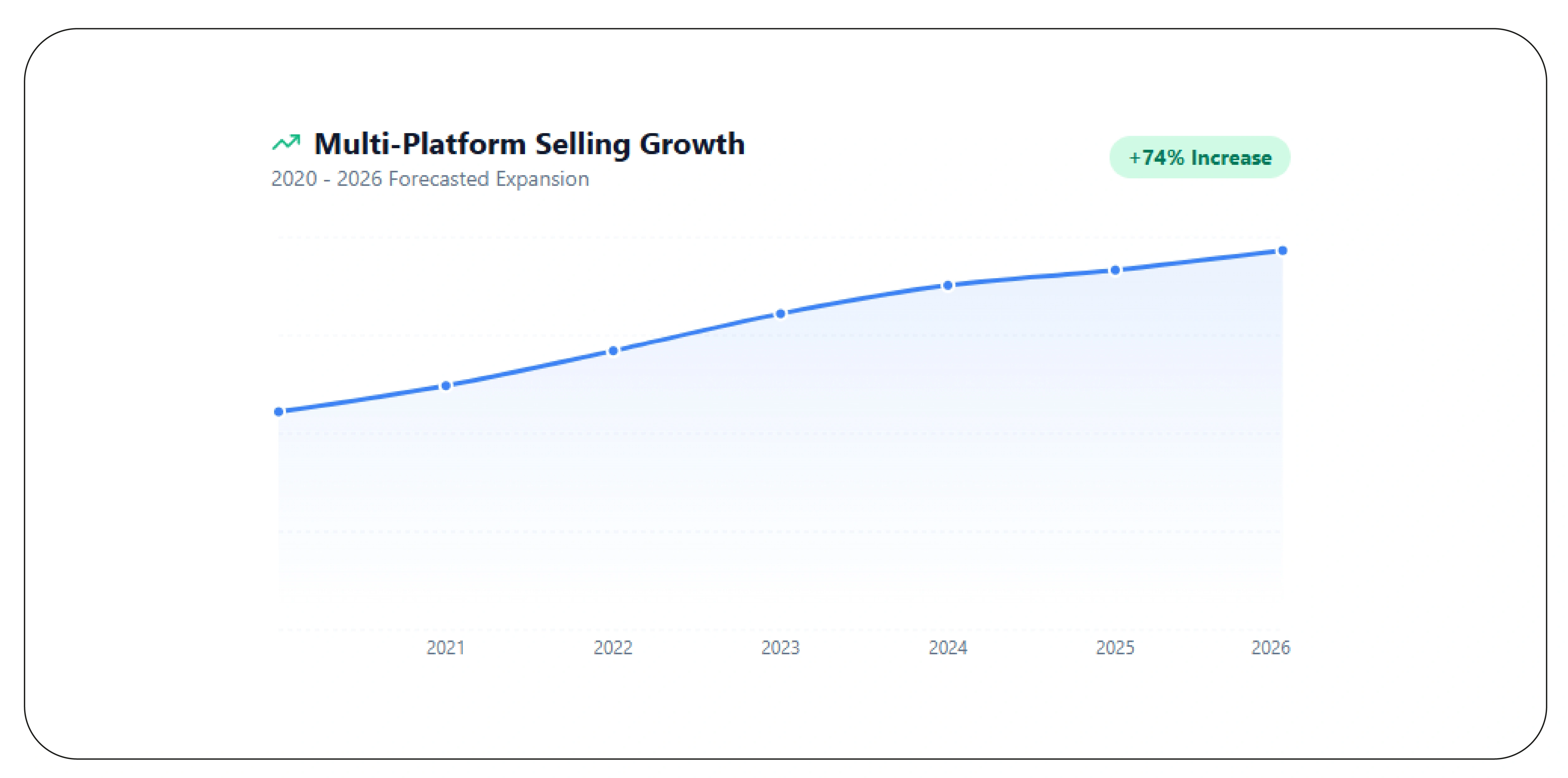
Managing product data across multiple platforms requires efficient E-commerce Product Variant Data Extraction Furniture Stores, Ecommerce Website Data Scraping strategies. Furniture retailers often list products differently across marketplaces, leading to inconsistencies in variant details.
From 2020 to 2026, multi-platform selling increased by over 70%, making data fragmentation a critical challenge. Without proper extraction, businesses face missing attributes, duplicate entries, and inconsistent naming conventions.
Multi-Platform Data Challenges (2020–2026)
| Year |
Avg. Platforms per Retailer |
Data Inconsistency Rate |
Missing Variant Data |
| 2020 |
2.0 |
25% |
18% |
| 2022 |
2.8 |
32% |
24% |
| 2024 |
3.6 |
40% |
29% |
| 2026 |
4.3 |
47% |
35% |
To overcome these challenges, businesses must standardize schemas and automate extraction processes. Advanced scraping tools can identify and capture variant-level attributes consistently, ensuring that all product data is aligned across platforms. This reduces errors and enhances catalog reliability.
Scaling Data Collection for Growing Catalogs
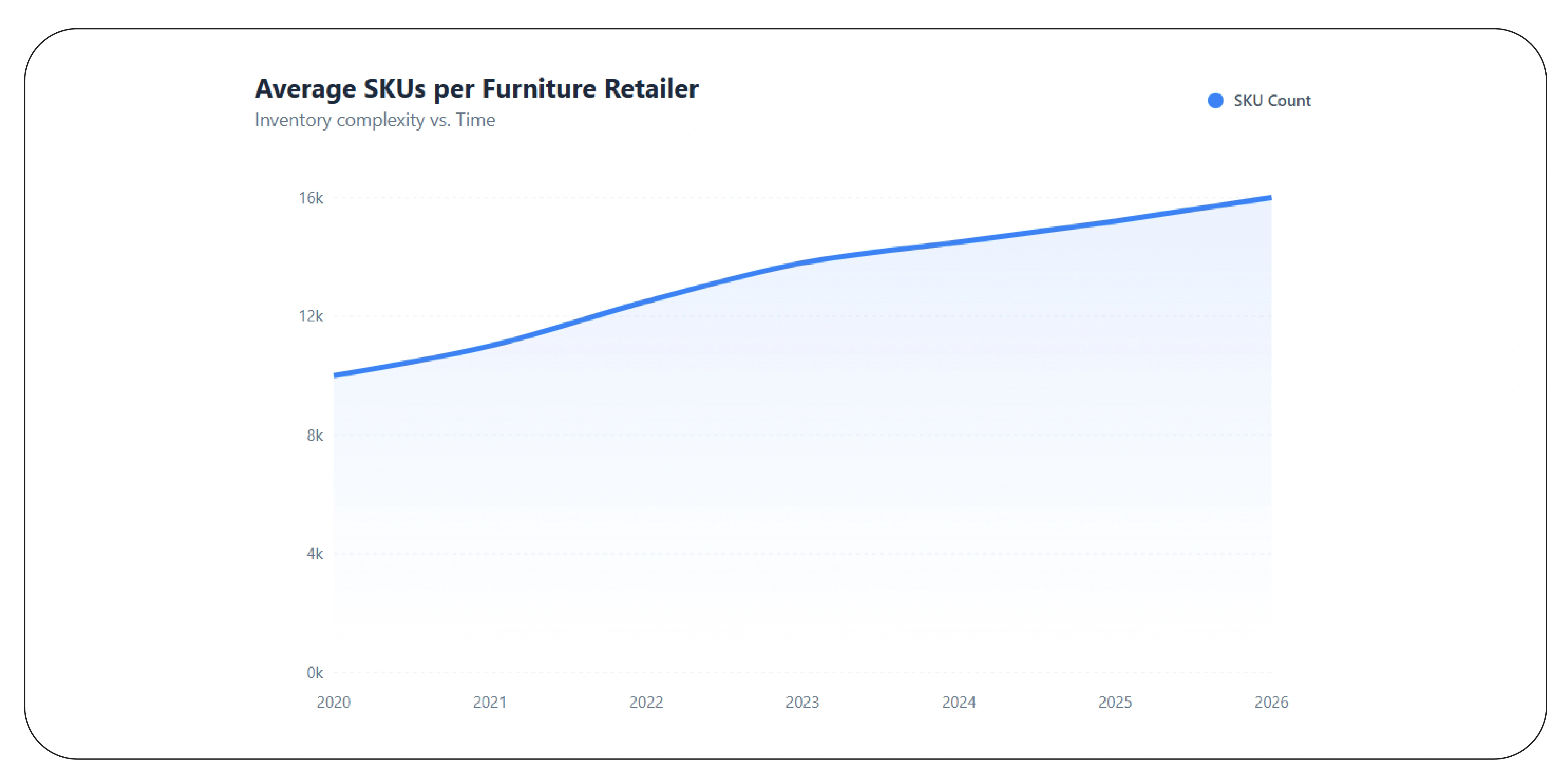
Handling large datasets requires Large Scale Furniture Variant-Level data Scraping, Product Pricing Strategies Services to ensure efficiency and scalability. As furniture catalogs grow, manual data collection becomes impractical and prone to errors.
Between 2020 and 2026, the average number of SKUs per furniture retailer increased by 60%, highlighting the need for scalable solutions. Automated scraping systems enable businesses to collect data from thousands of listings simultaneously.
Catalog Growth Trends (2020–2026)
| Year |
Avg. SKU Count |
Automation Adoption |
Pricing Optimization Impact |
| 2020 |
5,000 |
30% |
Medium |
| 2022 |
7,500 |
45% |
High |
| 2024 |
10,000 |
60% |
Very High |
| 2026 |
12,500 |
75% |
Extremely High |
Scalable scraping solutions also support dynamic pricing strategies by capturing real-time price variations across competitors. This allows businesses to adjust pricing and remain competitive. By leveraging automation, companies can handle large-scale data extraction without compromising accuracy or speed.
Structuring Complex Catalog Data Efficiently
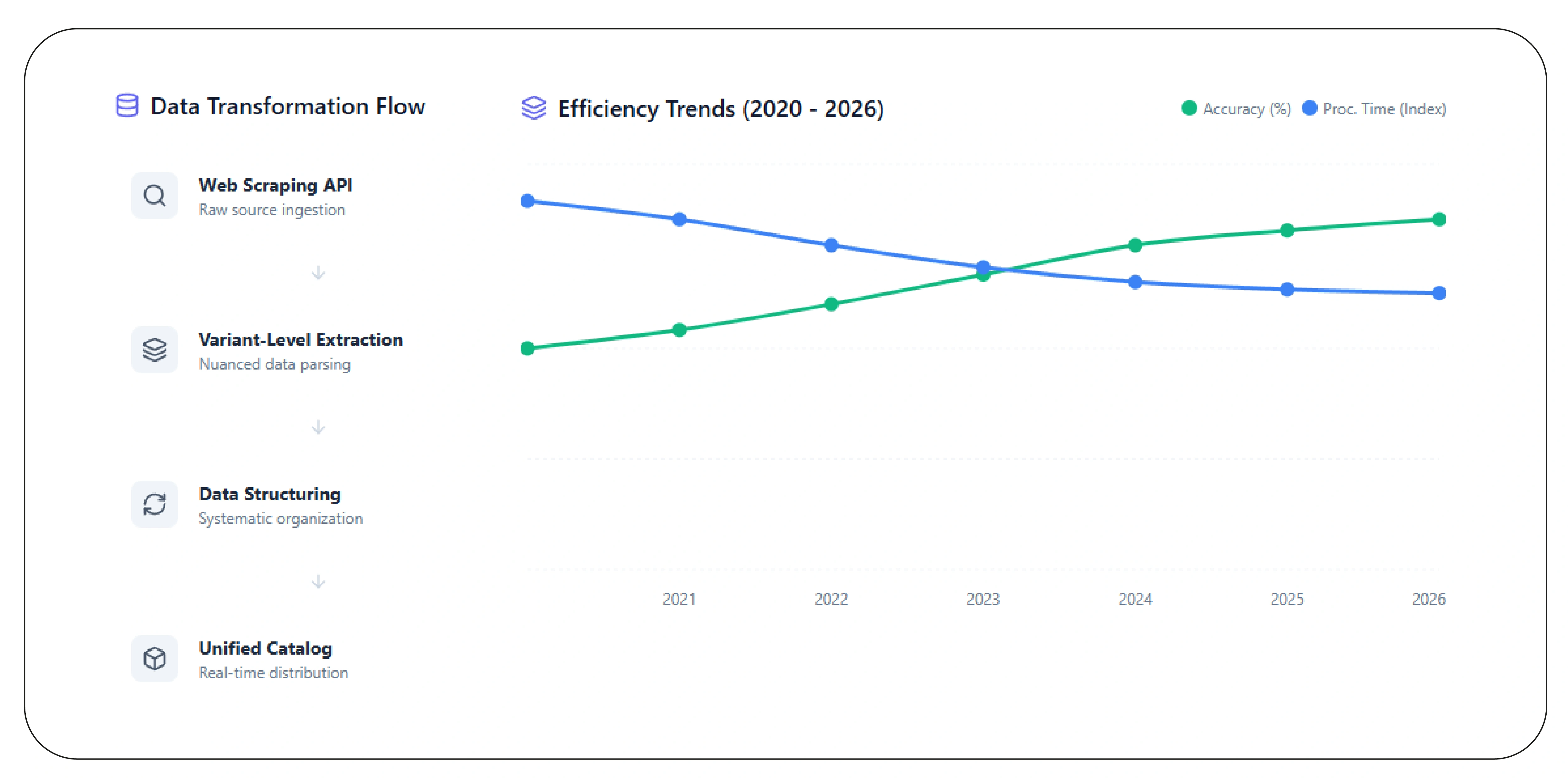
Creating a unified dataset requires Furniture Product Catalog Variant-Level data extraction, Web Scraping API Services to transform raw data into structured formats. Variant-level data often includes multiple attributes that need to be organized systematically.
From 2020 to 2026, companies that implemented structured data pipelines saw a 35% improvement in catalog accuracy and a 25% reduction in processing time. APIs play a key role in enabling seamless data integration and real-time updates.
Catalog Structuring Benefits (2020–2026)
| Metric |
Before Structuring |
After Structuring |
| Data Accuracy |
65% |
90% |
| Processing Time |
10 hrs/day |
4 hrs/day |
| Error Rate |
20% |
7% |
| Update Frequency |
Weekly |
Real-time |
By using APIs and automated workflows, businesses can ensure that data is consistently updated and easily accessible. This improves operational efficiency and supports better decision-making across departments.
Capturing Visual and Attribute Variations Accurately
Extracting color variations is essential for product discovery, making Extract Color Variants from Furniture Product Listings, Digital Shelf Analytics a key component of variant-level data extraction.
Between 2020 and 2026, consumer preference for personalized shopping experiences increased significantly, with 80% of buyers expecting accurate color representation.
Color Variant Importance (2020–2026)
| Year |
Consumer Demand for Variants |
Impact on Conversion |
| 2020 |
60% |
Medium |
| 2022 |
70% |
High |
| 2024 |
78% |
Very High |
| 2026 |
85% |
Extremely High |
Advanced scraping techniques can extract color attributes from product descriptions, images, and metadata. Combining this with analytics tools helps businesses understand consumer preferences and optimize their offerings. Accurate color data enhances user experience and increases conversion rates.
Tracking Material Attributes Across Listings
Material information is a critical factor in purchasing decisions, making Furniture Material data Variant Tracking essential for comprehensive datasets. Furniture products often come in multiple materials such as wood, metal, or fabric, each influencing price and durability.
From 2020 to 2026, demand for sustainable and premium materials has grown significantly, with 65% of consumers considering material type before making a purchase.
Material Preference Trends (2020–2026)
| Material Type |
2020 Demand |
2023 Demand |
2026 Projection |
| Wood |
50% |
55% |
60% |
| Metal |
30% |
35% |
40% |
| Fabric |
40% |
45% |
50% |
| Eco-friendly |
20% |
35% |
55% |
By tracking material variants, businesses can align their inventory with market trends and customer preferences. This ensures better product positioning and improved sales performance.
Managing Dimension-Based Variants Effectively
Handling size variations requires precise Furniture Size Variant Data Extraction to ensure accurate product representation. Size is a critical attribute for furniture, as it directly impacts usability and customer satisfaction.
Between 2020 and 2026, the importance of size accuracy increased significantly, with 75% of returns attributed to incorrect dimensions.
Size Accuracy Impact (2020–2026)
| Year |
Return Rate Due to Size Issues |
Accuracy Improvement |
| 2020 |
30% |
Low |
| 2022 |
25% |
Medium |
| 2024 |
20% |
High |
| 2026 |
15% |
Very High |
Automated extraction tools can capture size attributes from product descriptions, specifications, and images. Standardizing these dimensions ensures consistency across listings and reduces return rates. Accurate size data improves customer trust and enhances overall shopping experience.
Why Choose Product Data Scrape?
When it comes to building reliable datasets, Furniture Product Variant Dataset for E-commerce solutions from Product Data Scrape provide unmatched accuracy and scalability. The platform helps businesses Extract Furniture Stores variant level data efficiently while maintaining high data quality standards.
With advanced scraping technologies, real-time updates, and customizable solutions, Product Data Scrape ensures seamless data extraction and integration. Businesses benefit from improved catalog accuracy, reduced manual effort, and enhanced decision-making capabilities. Whether you’re managing small catalogs or large-scale datasets, Product Data Scrape delivers consistent and reliable results tailored to your needs.
Conclusion
Accurate variant-level data is the backbone of successful eCommerce operations. By leveraging advanced techniques, businesses can build a comprehensive eCommerce Dataset and Extract Furniture Stores variant level data without gaps.
From capturing color, material, and size variations to structuring and scaling data pipelines, every step is crucial for maintaining a competitive edge. Implementing automated solutions ensures efficiency, accuracy, and scalability in data management.
Ready to transform your furniture data strategy? Partner with Product Data Scrape today and unlock the full potential of your variant-level data extraction!
FAQs
1. Why is variant-level data important for furniture eCommerce?
Variant-level data ensures accurate representation of product options like color, size, and material, improving customer experience and reducing returns.
2. How can businesses automate furniture data extraction?
Businesses can use web scraping tools and APIs to automate data collection, ensuring real-time updates and consistent data quality across platforms.
3. What challenges arise in extracting furniture variant data?
Common challenges include inconsistent formats, missing attributes, duplicate listings, and difficulty in standardizing data across multiple sources.
4. How does Product Data Scrape help in variant-level extraction?
Product Data Scrape provides advanced tools and services to extract, structure, and maintain accurate furniture datasets at scale.
5. What are the benefits of using an automated data pipeline?
Automated pipelines reduce manual effort, improve accuracy, enable real-time updates, and support scalable data management for growing catalogs.



 Singapore
 EMAIL
EMAIL
 PHONE
PHONE


.webp "thumb")
.webp "thumb")









.webp)