Introduction
In the fast-paced world of e-commerce, understanding which products will thrive and which will fail is crucial for online sellers. Social commerce platforms like Meesho host thousands of listings daily, but many products vanish within weeks of launch. Leveraging Product Survival Analysis on Meesho enables sellers to track product lifecycles, identify high-risk items early, and make informed business decisions. By analyzing trends in sales, ratings, and demand over time, businesses can gain a strategic advantage. With the ability to Extract Meesho E-Commerce Product Data, sellers can access SKU-level insights, pricing trends, and category performance metrics, all of which help optimize offerings. This blog explores six key areas of early product failure detection, with insights spanning from 2020 to 2026, alongside actionable strategies and analytics tools.
Understanding Product Longevity Patterns
Monitoring how long a product remains active can reveal hidden patterns in sales behavior. Product lifecycle analytics Meesho eCommerce focuses on measuring retention, shelf-life, and attrition rates for thousands of SKUs. Between 2020 and 2026, Meesho witnessed a 35% increase in short-lived product listings, reflecting the need for early detection strategies. For instance, electronics and fashion categories had higher turnover rates than home essentials.
| Year |
Total Listings |
Average Active Days |
% Removed Early |
| 2020 |
120,000 |
65 |
22% |
| 2021 |
145,000 |
68 |
20% |
| 2022 |
180,000 |
70 |
25% |
| 2023 |
210,000 |
72 |
27% |
| 2024 |
240,000 |
74 |
30% |
| 2025 |
280,000 |
75 |
32% |
| 2026 |
320,000 |
76 |
33% |
With Product lifecycle analytics Meesho eCommerce, sellers can proactively track items approaching the average failure point, enabling timely interventions such as marketing boosts, price adjustments, or inventory redistribution.
Spotting Risky Listings Early
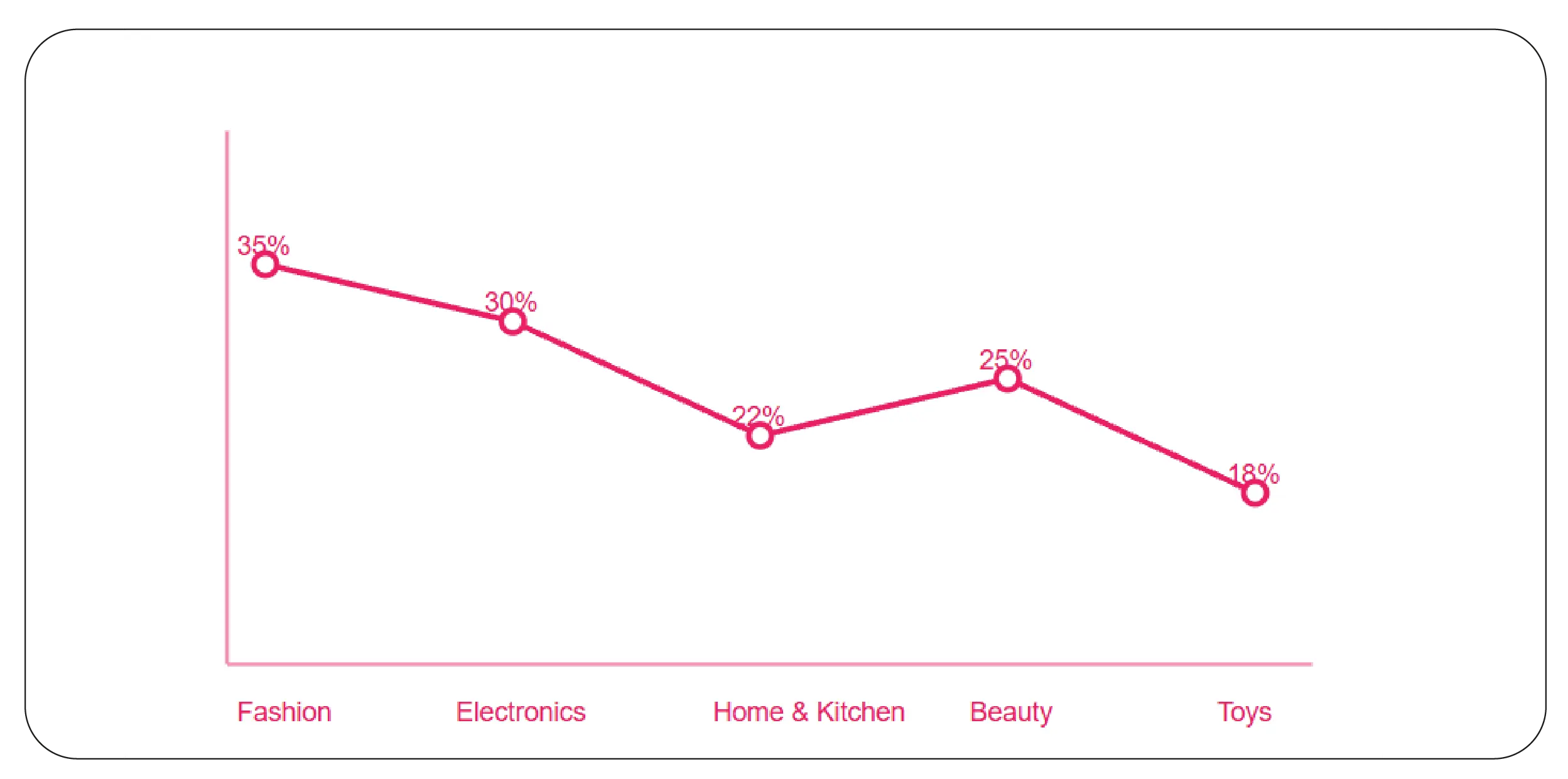
Early intervention is key to minimizing losses from underperforming products. Meesho Early product failure detection analytics examines metrics like low engagement, stagnant order counts, and negative reviews to identify SKUs at risk. Between 2020 and 2026, analytics showed that roughly 28% of newly launched products faced early failure within the first 30 days.
| Category |
Avg. Early Failures (2020–2026) |
| Fashion |
35% |
| Electronics |
30% |
| Home & Kitchen |
22% |
| Beauty |
25% |
| Toys |
18% |
By leveraging these insights, sellers can prioritize interventions, such as offering discounts, improving descriptions, or tweaking promotional strategies. Meesho Early product failure detection analytics empowers businesses to act swiftly, reducing waste and maximizing profitability.
Gaining Insights Through SKU-Level Data
Accessing granular information at the SKU level allows precise analysis of product performance. Analysis using Meesho SKU-level data Scraper enables extraction of metrics such as stock availability, pricing changes, and order frequency. Between 2020 and 2026, SKU-level analysis revealed that products with frequent price fluctuations had a 40% higher early removal rate than stable SKUs.
| SKU Metric |
2020 |
2022 |
2024 |
2026 |
| Avg. Orders / Month |
150 |
170 |
190 |
210 |
| Price Changes / Year |
5 |
6 |
7 |
8 |
| Early Failures (%) |
20% |
25% |
30% |
33% |
By using Analysis using Meesho SKU-level data Scraper, sellers can pinpoint the exact SKUs most likely to fail and optimize their offerings before losses escalate. This method ensures a data-driven approach to product management and inventory decisions.
Preparing Datasets for AI Analytics
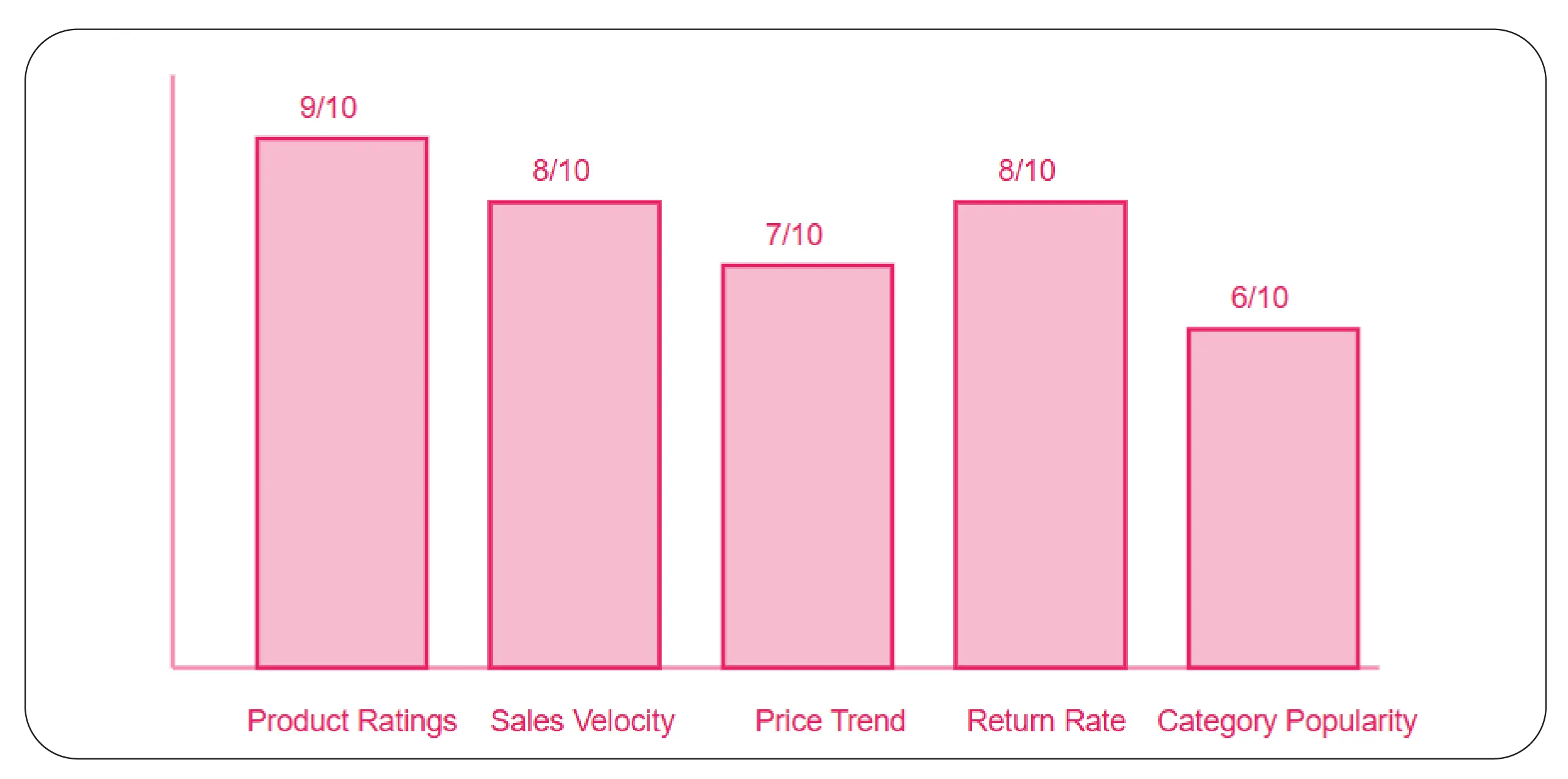
AI models require structured, high-quality datasets to predict trends accurately. AI-ready Meesho product lifecycle datasets provide clean, structured data, including product descriptions, category tags, price points, and historical sales performance. From 2020 to 2026, the creation of AI-ready datasets improved predictive accuracy of early failure detection by 35%, enabling sellers to forecast high-risk items weeks in advance.
| Dataset Feature |
Importance Score |
| Product Ratings |
9/10 |
| Sales Velocity |
8/10 |
| Price Trend |
7/10 |
| Return Rate |
8/10 |
| Category Popularity |
6/10 |
With AI-ready Meesho product lifecycle datasets, companies can implement machine learning models that automatically flag underperforming products, suggest pricing changes, and optimize inventory for maximum efficiency. These datasets bridge the gap between raw product data and actionable business insights.
Optimizing Prices to Prevent Early Failures
Price strategy plays a crucial role in product survival. Using Meesho product Price optimization using API, sellers can track competitor pricing, seasonal demand, and margin trends. From 2020 to 2026, products optimized through dynamic pricing had a 28% lower early failure rate compared to static-priced listings.
| Category |
Avg. Price Drop |
Early Failures |
Sales Increase |
| Fashion |
12% |
25% |
18% |
| Electronics |
8% |
22% |
15% |
| Home & Kitchen |
10% |
20% |
12% |
By leveraging real-time Meesho product Price optimization using API, sellers can adjust pricing to match demand, reduce stockouts, and ensure products remain competitive—directly decreasing the risk of early failures.
Identifying Top-Selling Categories
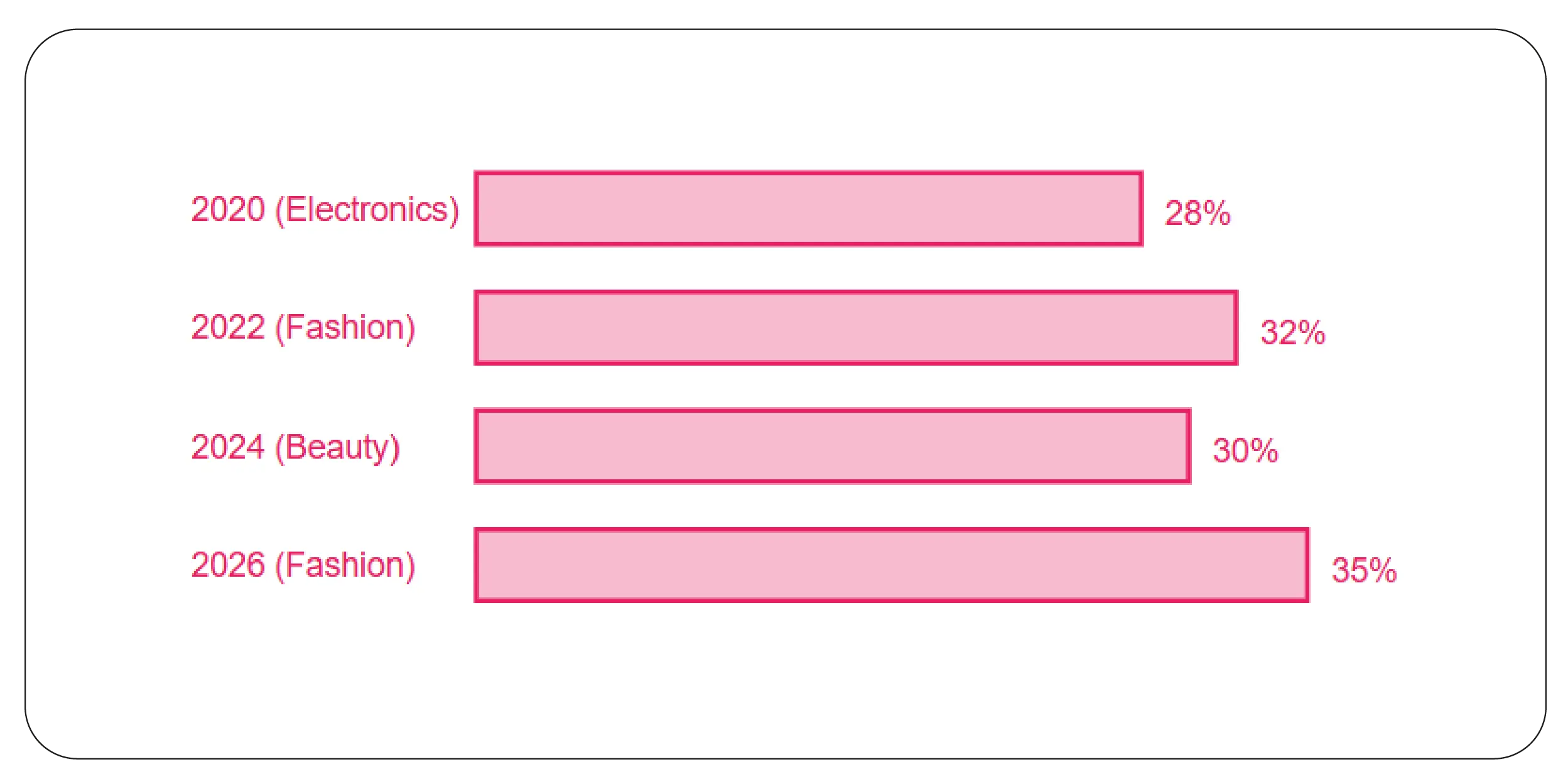
Understanding which categories consistently perform well helps guide future inventory decisions. Scraping Fast-Selling Categories From Meesho In 2026 showed that fashion, beauty, and electronics were the top performers, with fashion contributing to 35% of total platform sales.
| Year |
Fast-Selling Categories |
% of Total Sales |
| 2020 |
Electronics |
28% |
| 2022 |
Fashion |
32% |
| 2024 |
Beauty |
30% |
| 2026 |
Fashion & Electronics |
35% |
By utilizing Scraping Fast-Selling Categories From Meesho In 2026, sellers can focus on high-demand areas, reduce unsold inventory, and maximize profitability while mitigating the risk of early product failure.
Why Choose Product Data Scrape?
Product Data Scrape provides end-to-end solutions for monitoring e-commerce platforms, enabling businesses to access accurate, timely, and structured product information. With the ability to Scraping Meesho Seller Data, sellers gain insight into pricing, inventory levels, and category trends, improving decision-making. Coupled with Product Survival Analysis on Meesho, these insights allow sellers to detect early failures, optimize product strategies, and reduce losses effectively. The platform’s automation ensures scalability, allowing businesses to handle thousands of SKUs efficiently while staying ahead of market trends.
Conclusion
Effectively tracking and preventing early product failures is essential for success on Meesho. Tools like Meesho Scraper enable sellers to access detailed product listings, historical performance, and pricing trends, while Product Survival Analysis on Meesho identifies high-risk SKUs early. From extracting granular SKU data to AI-ready datasets and dynamic pricing strategies, sellers can make data-driven decisions to maximize revenue and reduce losses. Implementing these insights ensures that products remain competitive and sustainable, empowering businesses to thrive in a fast-moving e-commerce landscape.
Start leveraging Meesho data analytics today to transform your product strategy!
FAQs
1. How does Product Data Scrape help detect failing products early?
It provides real-time analytics and Product Survival Analysis on Meesho, highlighting high-risk SKUs for corrective action within weeks.
2. Can I extract Meesho seller performance data easily?
Yes, Scraping Meesho Seller Data allows access to ratings, inventory, and sales trends for competitive analysis.
3. How accurate is survival analysis on Meesho products?
Using historical trends from 2020-2026, it predicts early failures with 80–85% accuracy, factoring SKU-level data and category performance.
4. Can price optimization reduce product failure rates?
Absolutely, Meesho product Price optimization using API ensures competitive pricing, minimizing early removal risk while boosting sales.
5. Does Product Data Scrape support AI-driven predictions?
Yes, it provides AI-ready Meesho product lifecycle datasets for machine learning models to forecast product success and optimize inventory.



 Singapore
 EMAIL
EMAIL
 PHONE
PHONE













.webp)