Introduction
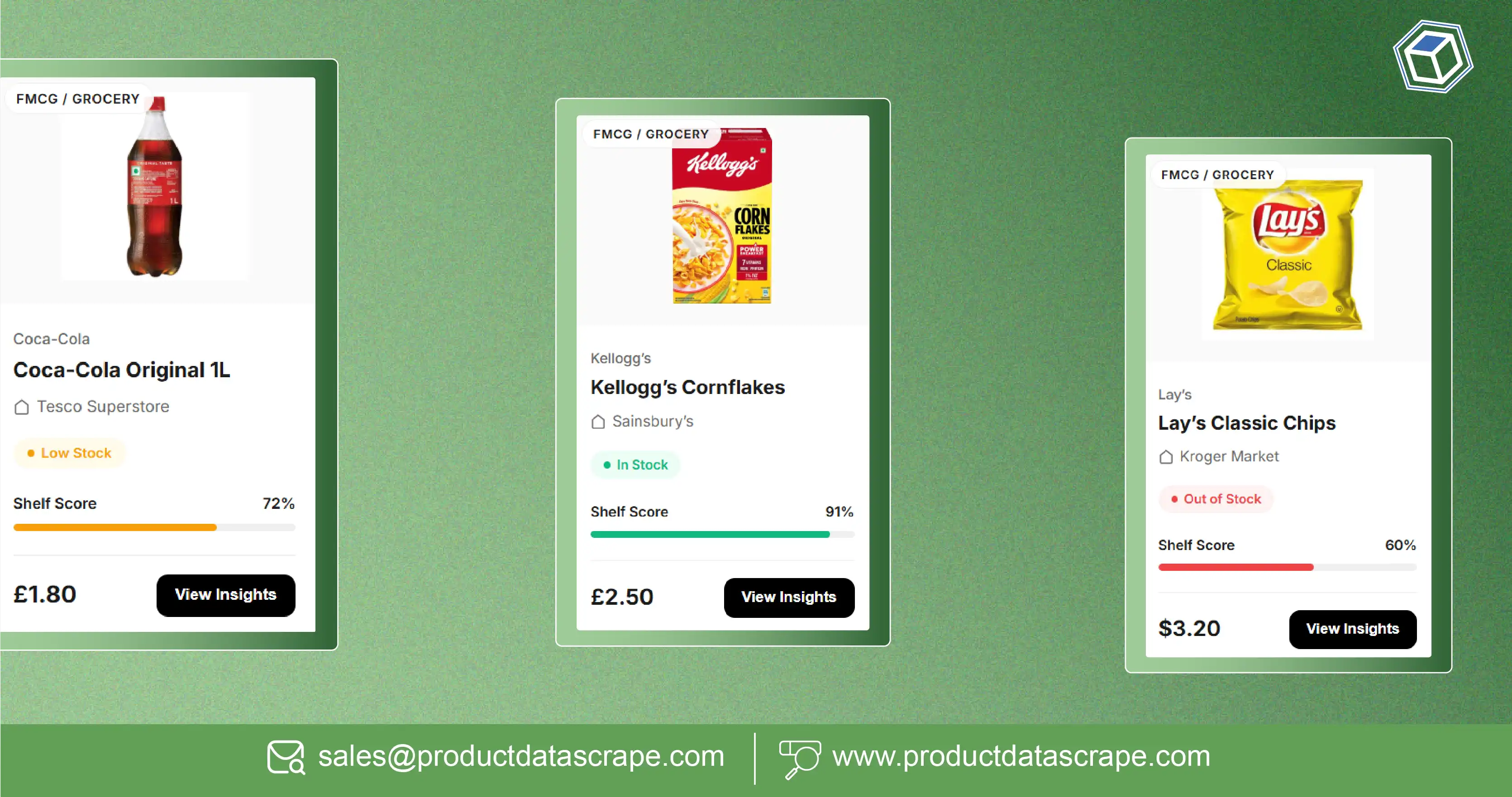
In today’s competitive retail landscape, managing stock availability and optimizing shelf performance are critical challenges for FMCG brands and grocery retailers. With increasing competition and rapidly changing consumer demand, businesses must rely on real-time insights to stay ahead. The ability to scrape FMCG & grocery shelf data - Tesco, Sainsbury’s & Kroger enables companies to monitor inventory levels, track product placements, and analyze competitor strategies effectively. By leveraging advanced tools to Extract Grocery & Gourmet Food Data, retailers can transform raw shelf data into actionable intelligence.
Between 2020 and 2026, the adoption of data-driven retail strategies has grown significantly. Retailers are increasingly using shelf analytics to reduce stockouts, improve product visibility, and maximize sales. Real-time data scraping allows businesses to track product availability, detect gaps in inventory, and ensure optimal shelf utilization.
This blog explores six key areas where shelf data scraping helps overcome stock availability issues and optimize performance. With detailed statistics and insights, it demonstrates how businesses can leverage data to enhance operational efficiency and drive growth.
Building Visibility into Shelf Data
Visibility into shelf data is essential for understanding product performance and availability. Extract FMCG shelf data from Tesco, Sainsbury’s & Kroger using a structured TESCO Grocery Product Dataset enables businesses to collect detailed information on product listings, stock levels, and shelf placement.
From 2020 to 2026, shelf data collection has expanded significantly.
| Year |
Products Tracked |
Shelf Data Points |
Visibility Improvement (%) |
| 2020 |
90,000 |
300,000 |
65% |
| 2021 |
120,000 |
400,000 |
70% |
| 2022 |
160,000 |
550,000 |
75% |
| 2023 |
210,000 |
700,000 |
80% |
| 2024 |
270,000 |
900,000 |
85% |
| 2025 |
340,000 |
1,150,000 |
90% |
| 2026 |
420,000 |
1,400,000 |
95% |
The growth in shelf data highlights the importance of comprehensive data collection. Businesses can identify stock gaps and improve product placement strategies. Enhanced visibility ensures better inventory management and improved customer satisfaction.
Leveraging APIs for Scalable Data Collection
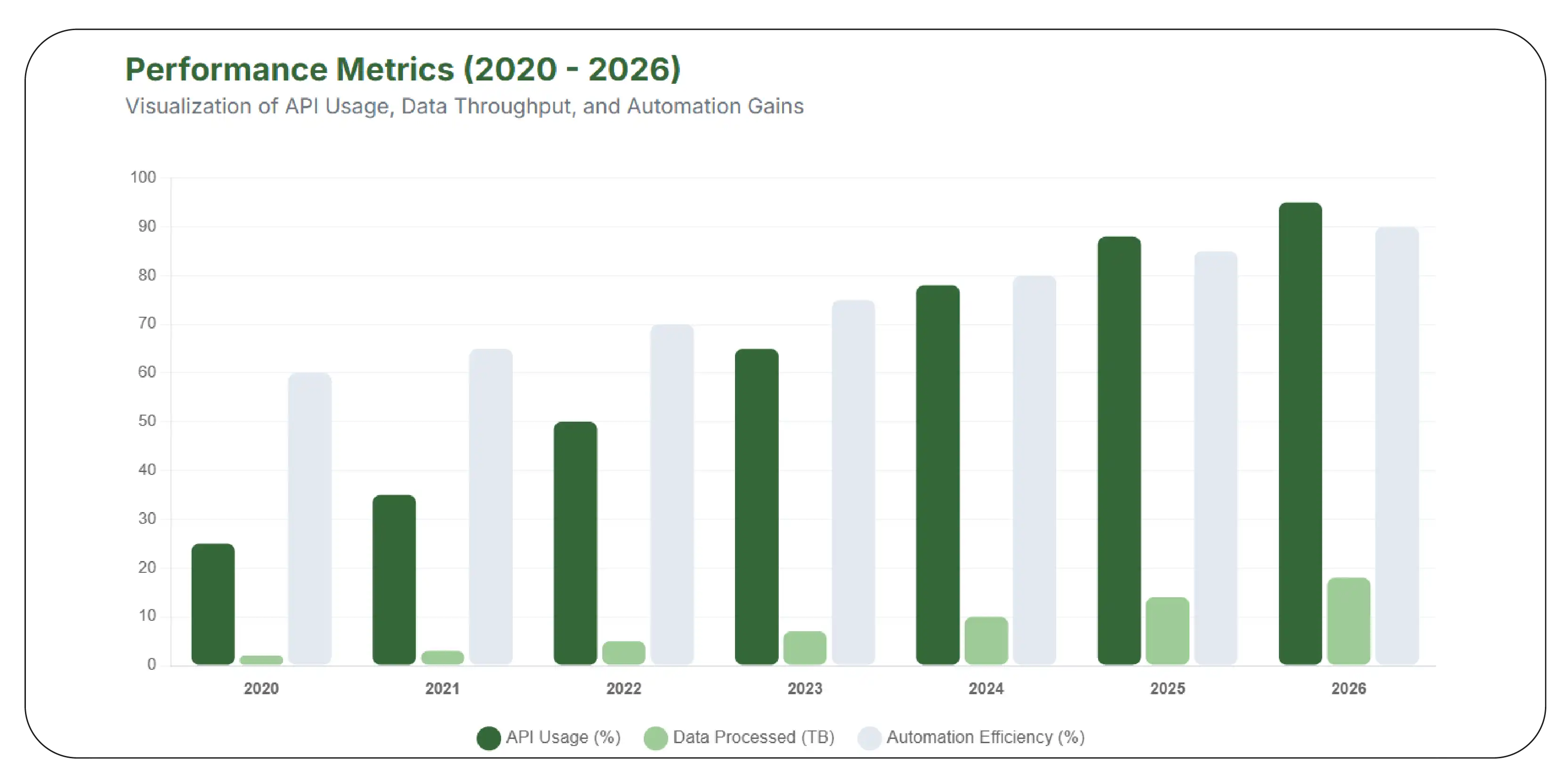
Scalable data collection is critical for handling large volumes of retail data. FMCG & Grocery shelf data scraping API combined with Kroger Grocery Store Dataset allows businesses to automate data extraction and maintain up-to-date datasets.
From 2020 to 2026, API adoption has increased significantly.
| Year |
API Usage (%) |
Data Processed (TB) |
Automation Efficiency (%) |
| 2020 |
25% |
2 |
60% |
| 2021 |
35% |
3 |
65% |
| 2022 |
50% |
5 |
70% |
| 2023 |
65% |
7 |
75% |
| 2024 |
78% |
10 |
80% |
| 2025 |
88% |
14 |
85% |
| 2026 |
95% |
18 |
90% |
The increase in API usage demonstrates the importance of automation in data collection. Businesses can gather real-time shelf data efficiently and reduce manual effort. This approach ensures accurate insights and supports faster decision-making.
Enhancing Shelf Performance with Data Insights
Data insights play a crucial role in optimizing shelf performance. Supermarket Shelf Data Scraping for FMCG Brands combined with Sainsburys Groceries Pricing Dataset enables businesses to analyze product placement, pricing, and demand patterns.
From 2020 to 2026, the use of data analytics has significantly improved shelf performance.
| Year |
Shelf Optimization (%) |
Sales Growth (%) |
Customer Satisfaction (%) |
| 2020 |
60% |
5% |
70% |
| 2021 |
65% |
6% |
72% |
| 2022 |
70% |
7% |
75% |
| 2023 |
75% |
8% |
78% |
| 2024 |
80% |
9% |
82% |
| 2025 |
85% |
10% |
85% |
| 2026 |
90% |
12% |
88% |
The increase in shelf optimization highlights the value of data-driven strategies. Businesses can improve product visibility and maximize sales. Analyzing shelf data also helps in identifying high-performing products and optimizing inventory.
Real-Time Monitoring for Stock Availability
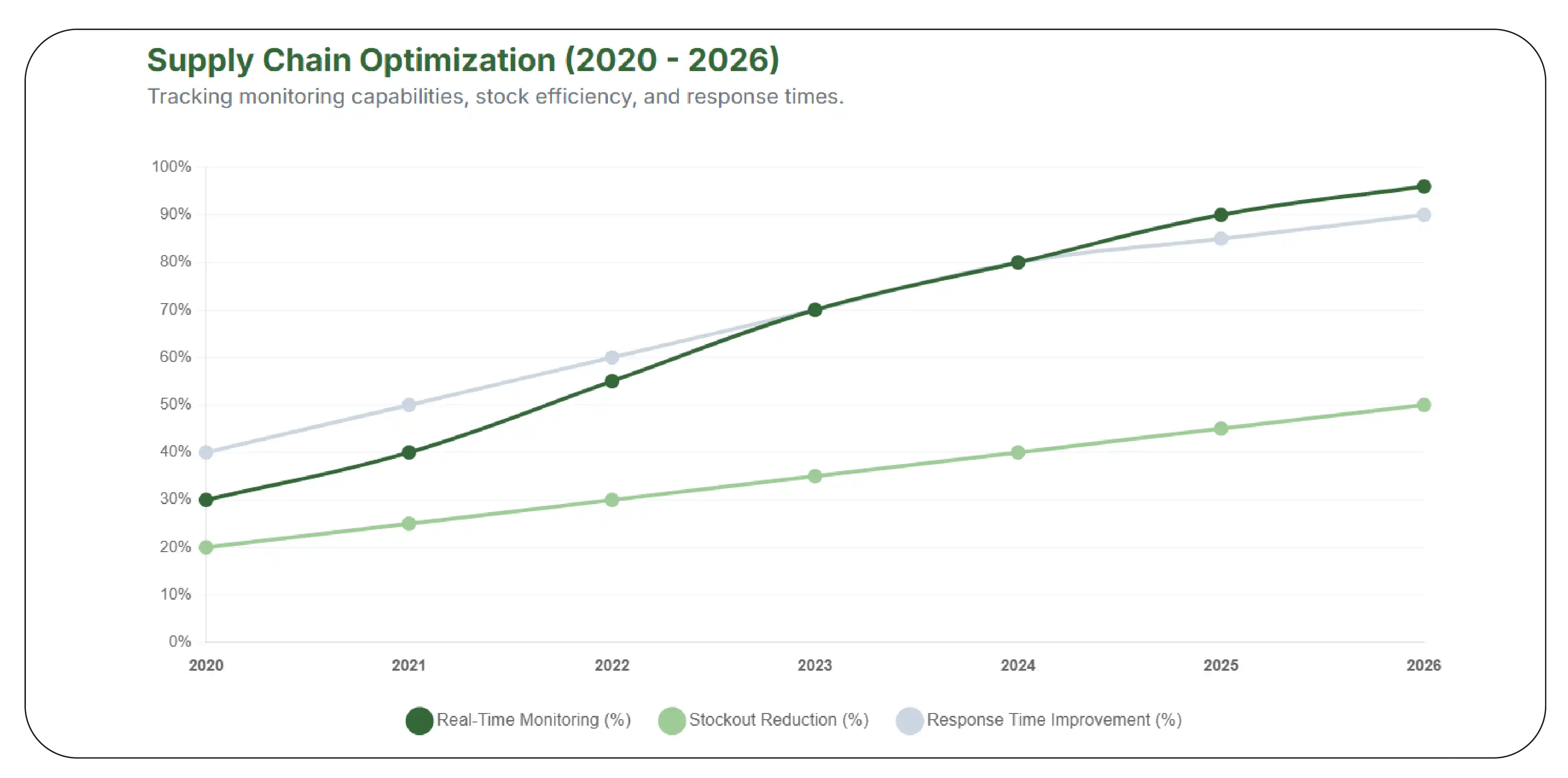
Real-time monitoring is essential for preventing stockouts and ensuring availability. Supermarket Shelf Monitoring Using Data Scraping API combined with Grocery store dataset enables businesses to track inventory levels and respond quickly to changes.
From 2020 to 2026, real-time monitoring adoption has grown significantly.
| Year |
Real-Time Monitoring (%) |
Stockout Reduction (%) |
Response Time Improvement (%) |
| 2020 |
30% |
20% |
40% |
| 2021 |
40% |
25% |
50% |
| 2022 |
55% |
30% |
60% |
| 2023 |
70% |
35% |
70% |
| 2024 |
80% |
40% |
80% |
| 2025 |
90% |
45% |
85% |
| 2026 |
96% |
50% |
90% |
The growth in real-time monitoring highlights its importance in modern retail. Businesses can reduce stockouts and improve customer satisfaction.
Tracking Pricing and Competitive Strategies
Pricing plays a key role in shelf performance and competitiveness. FMCG price scraper for Tesco, Sainsbury’s & Kroger using Web Scraping API Services enables businesses to track competitor pricing and adjust strategies accordingly.
From 2020 to 2026, pricing analysis has become increasingly sophisticated.
| Year |
Competitors Tracked |
Price Accuracy (%) |
Margin Improvement (%) |
| 2020 |
30 |
85% |
5% |
| 2021 |
45 |
88% |
6% |
| 2022 |
60 |
90% |
7% |
| 2023 |
80 |
92% |
8% |
| 2024 |
100 |
94% |
9% |
| 2025 |
130 |
96% |
10% |
| 2026 |
160 |
97% |
12% |
The increase in pricing accuracy highlights the importance of competitive intelligence. Businesses can optimize pricing strategies and improve profitability.
Driving Strategic Growth with Data Intelligence
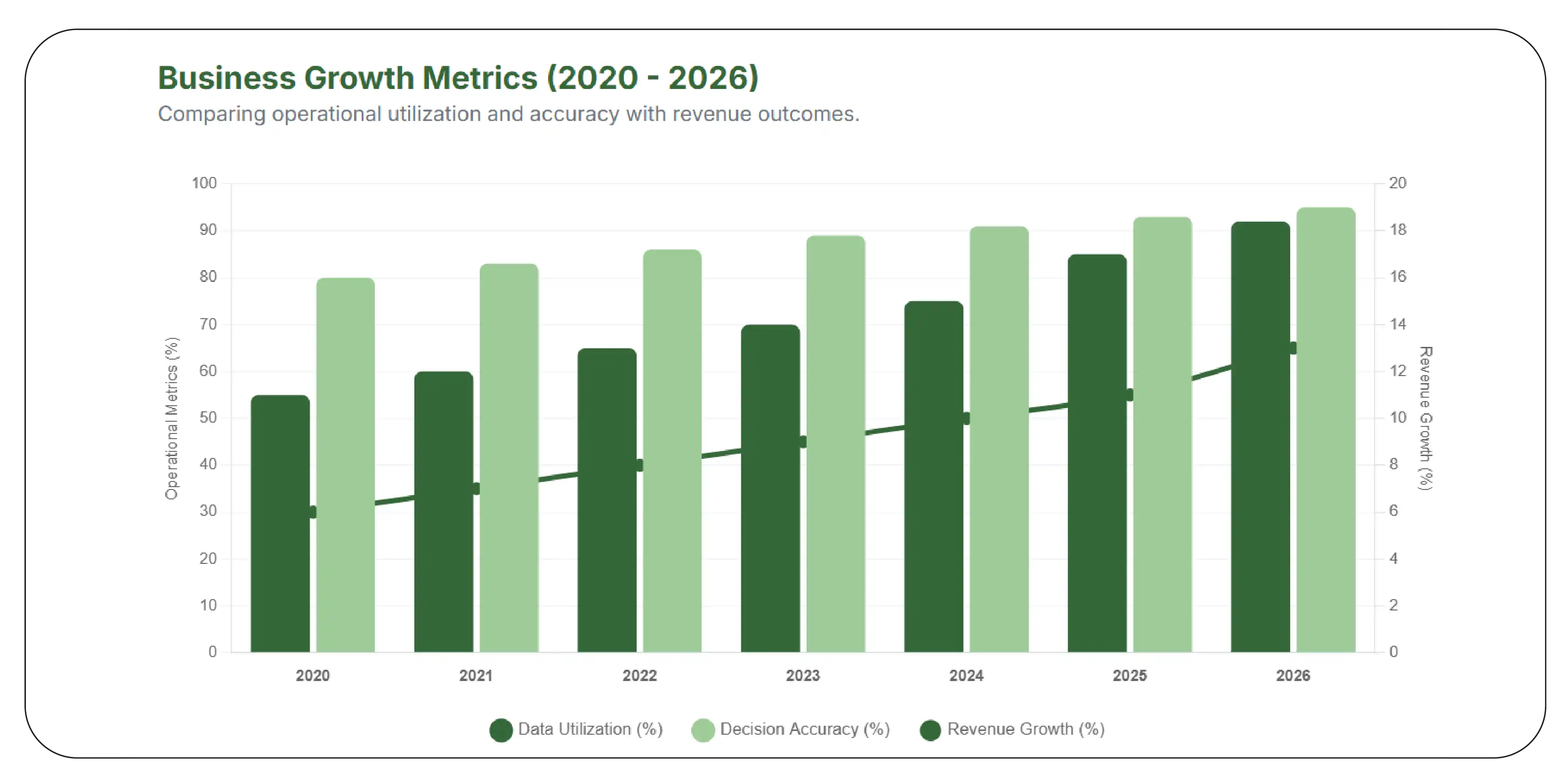
Strategic growth requires accurate data and actionable insights. Extract Tesco Grocery & Gourmet Food Data combined with Pricing Intelligence Services enables businesses to analyze trends and make informed decisions.
From 2020 to 2026, the use of data intelligence has significantly increased.
| Year |
Data Utilization (%) |
Decision Accuracy (%) |
Revenue Growth (%) |
| 2020 |
55% |
80% |
6% |
| 2021 |
60% |
83% |
7% |
| 2022 |
65% |
86% |
8% |
| 2023 |
70% |
89% |
9% |
| 2024 |
75% |
91% |
10% |
| 2025 |
85% |
93% |
11% |
| 2026 |
92% |
95% |
13% |
The increase in data utilization highlights the importance of analytics in retail growth. Businesses can optimize strategies and improve overall performance.
Strengthening Inventory Forecasting with Data Intelligence
Accurate inventory forecasting is essential for minimizing stockouts and maximizing shelf efficiency. By leveraging Inventory Forecasting Using FMCG Shelf Data Scraping combined with Grocery store dataset, retailers can predict demand patterns and optimize stock levels across stores.
From 2020 to 2026, forecasting accuracy has improved significantly due to advanced analytics and data scraping technologies.
| Year |
Forecast Accuracy (%) |
Stockout Reduction (%) |
Inventory Turnover |
| 2020 |
65% |
20% |
4.5 |
| 2021 |
70% |
25% |
5.0 |
| 2022 |
75% |
30% |
5.5 |
| 2023 |
80% |
35% |
6.0 |
| 2024 |
85% |
40% |
6.5 |
| 2025 |
90% |
45% |
7.0 |
| 2026 |
94% |
50% |
7.5 |
The increase in forecast accuracy highlights the importance of data-driven inventory planning. Businesses can align supply with demand, reducing excess stock and minimizing losses. By integrating predictive analytics with shelf data scraping, retailers can improve inventory turnover and ensure products are always available when customers need them.
Optimizing Assortment and Category Performance
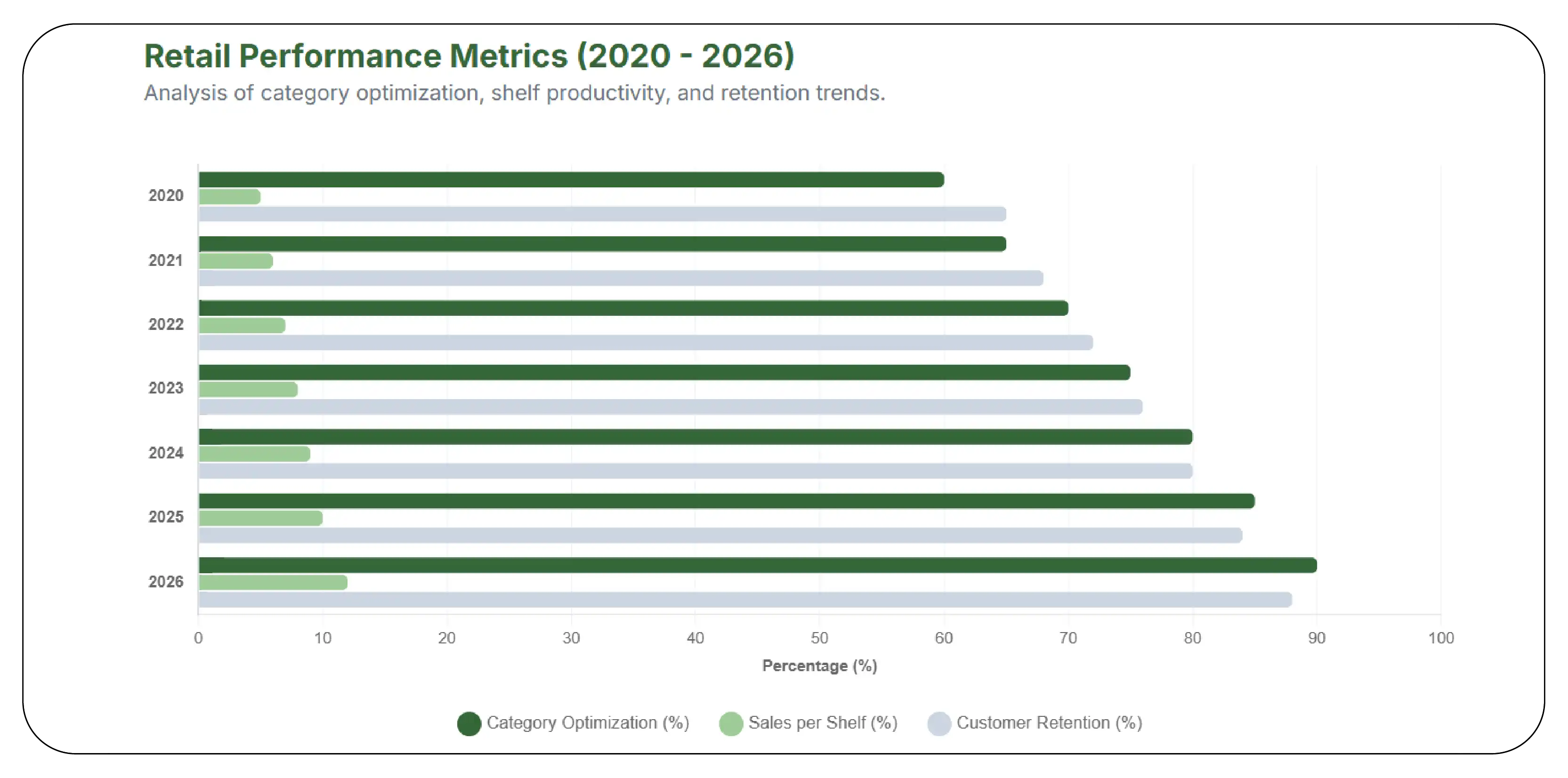
Product assortment and category management play a critical role in shelf optimization. Using Category Management and Assortment Optimization Using FMCG Shelf Data combined with Pricing Intelligence Services, businesses can analyze product performance and refine their offerings.
From 2020 to 2026, category optimization has significantly improved retail performance.
| Year |
Category Optimization (%) |
Sales per Shelf (%) |
Customer Retention (%) |
| 2020 |
60% |
5% |
65% |
| 2021 |
65% |
6% |
68% |
| 2022 |
70% |
7% |
72% |
| 2023 |
75% |
8% |
76% |
| 2024 |
80% |
9% |
80% |
| 2025 |
85% |
10% |
84% |
| 2026 |
90% |
12% |
88% |
The growth in category optimization demonstrates how data insights improve shelf productivity. Retailers can identify high-performing products and eliminate underperforming ones. By optimizing product assortment, businesses can enhance customer experience, increase sales per shelf, and maintain a competitive edge in the FMCG market.
Why Choose Product Data Scrape?
Product Data Scrape offers advanced solutions for retail data extraction and analytics. With expertise in Extract Kroger Grocery & Gourmet Food Data and Digital Shelf Analytics, the company provides accurate and scalable data solutions.
Their services include real-time shelf monitoring, pricing analysis, and competitor benchmarking. Businesses can leverage these insights to reduce stockouts, improve shelf performance, and enhance profitability.
With a focus on accuracy and efficiency, Product Data Scrape ensures reliable data for better decision-making.
Conclusion
In a competitive FMCG landscape, data-driven strategies are essential for success. By leveraging Extract Sainsbury's Grocery & Gourmet Food Data, businesses can gain valuable insights into stock availability, pricing trends, and shelf performance.
Using scrape FMCG & grocery shelf data - Tesco, Sainsbury’s & Kroger, companies can optimize inventory, reduce stockouts, and improve customer satisfaction.
Partner with Product Data Scrape today to unlock powerful shelf data insights and transform your retail strategy!
FAQs
1. How does shelf data scraping help retailers?
Shelf data scraping provides insights into product availability, pricing, and placement, helping retailers optimize inventory and improve sales performance using Product Data Scrape solutions.
2. Can web scraping reduce stockouts?
Yes, real-time monitoring helps identify stock gaps early, allowing businesses to restock efficiently and reduce lost sales opportunities.
3. What data can be extracted from grocery platforms?
Businesses can extract pricing, product listings, stock availability, promotions, and customer reviews for better decision-making.
4. Is shelf data scraping scalable for large retailers?
Yes, modern APIs and automation tools enable large-scale data extraction across multiple platforms efficiently.
5. How does pricing intelligence improve profitability?
By analyzing competitor pricing and trends, businesses can optimize pricing strategies, improve margins, and stay competitive.



 Singapore
 EMAIL
EMAIL
 PHONE
PHONE


.webp "thumb")
.webp "thumb")








.webp)