Quick Overview
In this case study on Amazon & Walmart Historical Price Data Scraping, Product Data Scrape partnered with a mid-sized electronics and home goods e-commerce seller operating across Amazon and Walmart marketplaces. Over a 5-month engagement, we deployed automated Web Scraping Walmart E-Commerce Product Data pipelines and enterprise-grade Web Scraping API Services to build a structured historical pricing intelligence system. The solution covered 18,000+ SKUs and tracked multi-year pricing fluctuations. Key impact metrics included a 27% reduction in margin leakage, 35% improvement in price adjustment speed, and 22% increase in pricing accuracy across competitive categories.
The Client
The client operates in highly competitive product categories where even small price fluctuations significantly impact Buy Box share and conversion rates. Increasing promotional intensity and algorithm-driven repricing created strong market pressure. To stay competitive, the client needed to Track Historical Product Prices from Amazon and Walmart and analyze long-term discount patterns.
Before partnering with Product Data Scrape, the seller relied on manual spreadsheets and partial exports to Extract amazon API Product Data, which lacked depth and historical continuity. They had limited visibility into competitor discount cycles, seasonal markdown trends, and price volatility. As a result, reactive repricing led to frequent undercutting, inconsistent margins, and lost Buy Box opportunities.
Transformation was essential to move from reactive pricing to predictive intelligence powered by structured historical datasets and automated tracking systems.
Goals & Objectives
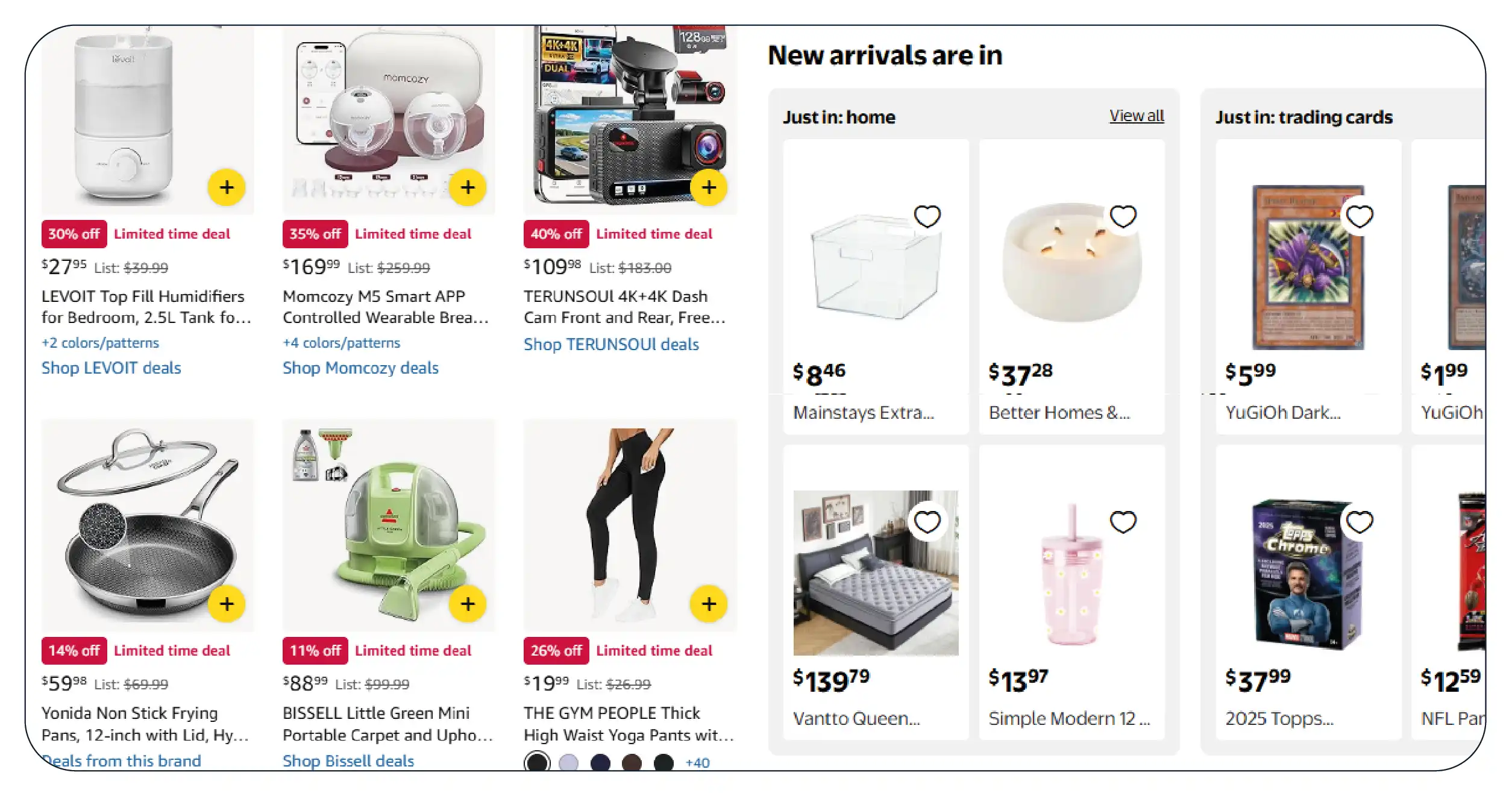
The client’s primary goal was to Scrape Amazon and Walmart Product Price Trends Data at scale, ensuring long-term historical analysis with high data accuracy and minimal latency. Scalability across thousands of SKUs was critical.
Technically, the project aimed to automate data pipelines, normalize multi-marketplace data feeds, and integrate Extract Walmart API Product Data outputs into existing pricing engines and dashboards. Real-time analytics and historical comparison tools were required for decision-making.
95%+ historical price data accuracy
30% faster competitor price detection
25% improvement in margin stability
24/7 automated tracking system uptime
Unified dashboard integration within 60 days
The Core Challenge
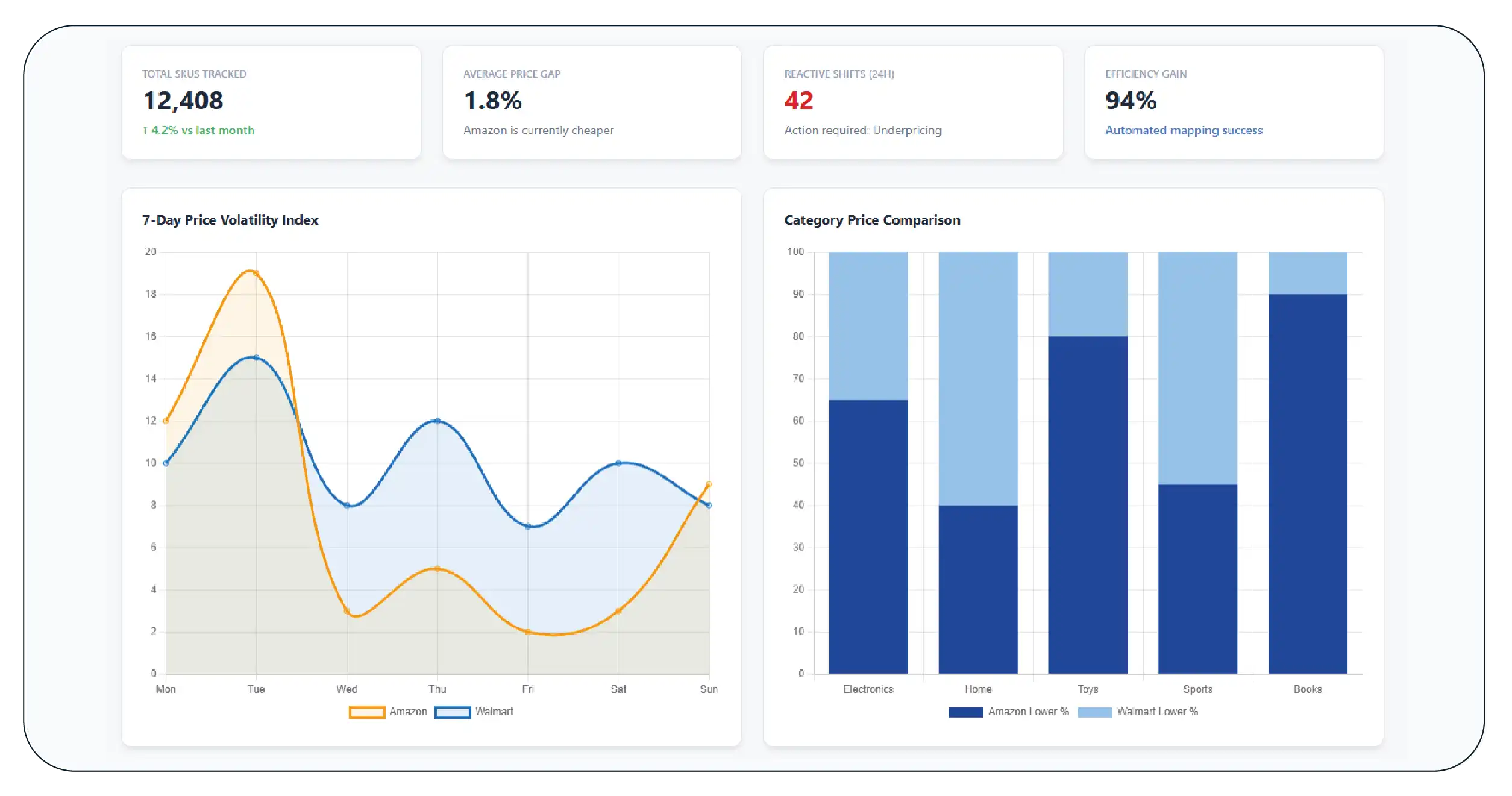
The client lacked a structured Amazon vs Walmart price comparison dataset, making it difficult to benchmark trends across platforms. Data was fragmented, incomplete, and often inconsistent due to marketplace format differences.
Their existing Pricing Strategies were reactive rather than predictive. Manual processes created delays of up to 48 hours in identifying significant price shifts. Historical data gaps limited visibility into seasonal patterns, promotional cycles, and competitor discount behavior.
Operational bottlenecks also impacted decision speed. Without normalized datasets, SKU mapping errors were common. Inaccurate price comparisons led to unnecessary markdowns, affecting profitability. The absence of automated alerts meant missed opportunities during flash sales and promotional windows.
Overall, data inconsistency and limited automation restricted the client’s ability to compete effectively in high-velocity marketplace environments.
Our Solution
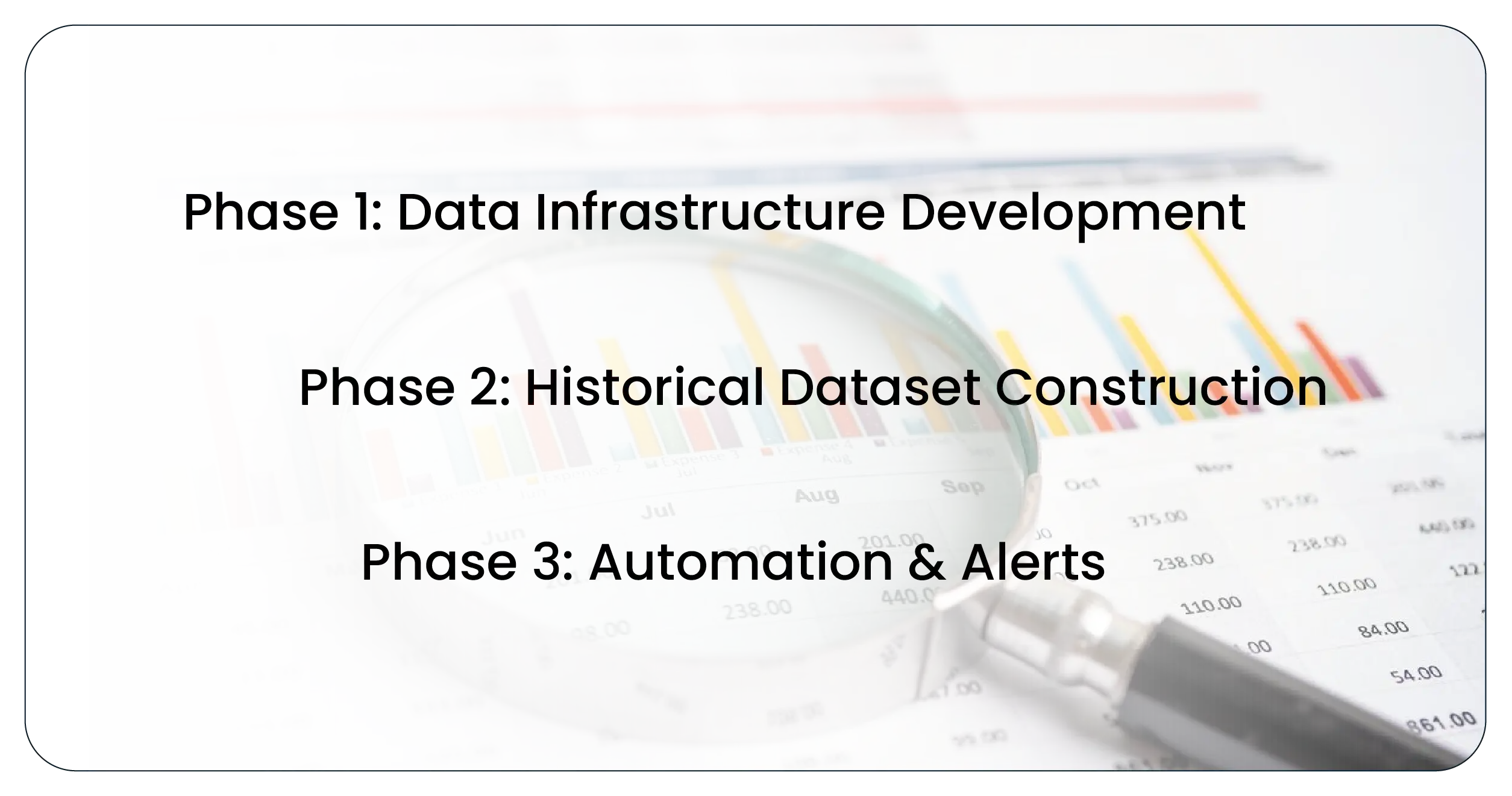
Product Data Scrape implemented a multi-phase framework leveraging Walmart product price history data extraction combined with enterprise-grade Pricing Intelligence Services.
Phase 1: Data Infrastructure Development
We built automated crawlers capable of extracting historical pricing archives, discount data, seller information, and Buy Box pricing trends. Advanced normalization engines standardized Amazon and Walmart data into unified SKU structures.
Phase 2: Historical Dataset Construction
A centralized warehouse was created to store structured time-series data. This enabled multi-year price tracking, competitor comparison charts, and seasonal volatility analysis.
Phase 3: Automation & Alerts
We deployed intelligent anomaly detection systems that triggered alerts for price drops exceeding defined thresholds. APIs delivered structured data directly into the client’s repricing engine.
Phase 4: Dashboard & Analytics Integration
Custom dashboards displayed margin gaps, discount frequencies, and trend curves. Predictive analytics models forecasted price volatility based on historical movement patterns.
Each phase addressed core operational gaps by improving speed, accuracy, and competitive intelligence. The final system enabled automated monitoring across thousands of SKUs with continuous updates and real-time reporting.
Results & Key Metrics
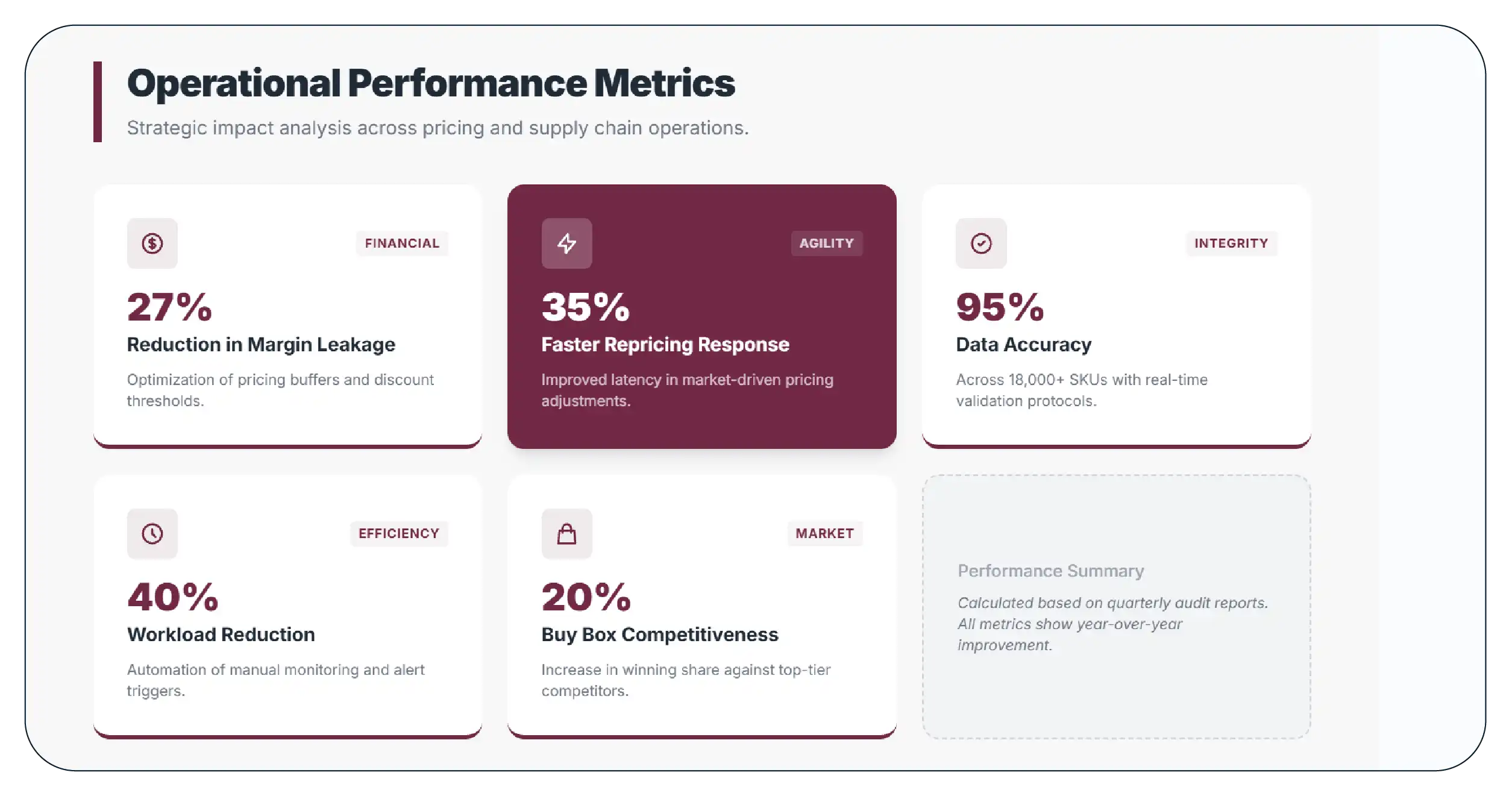
Using automated systems to Extract Amazon & Walmart Historical Price Data supported by scalable Ecommerce Data Scraping Services, the client achieved:
27% reduction in margin leakage
35% faster repricing response time
95% data accuracy across 18,000+ SKUs
40% reduction in manual monitoring workload
20% increase in Buy Box competitiveness
Results Narrative
The structured intelligence system transformed pricing operations. Historical insights allowed the client to identify predictable discount cycles and optimize promotional timing. Margin stability improved through data-backed repricing decisions. Automated alerts ensured proactive reactions to competitor markdowns. The transition from manual tracking to automated intelligence significantly enhanced operational efficiency and strategic confidence.
What Made Product Data Scrape Different?
Our proprietary Amazon Product Price History Dataset architecture ensured long-term storage and high-frequency updates with minimal downtime. Advanced Competitor Price Monitoring algorithms mapped cross-marketplace SKU variations and detected hidden discount triggers.
Unlike generic scraping tools, our solution integrated adaptive parsing, intelligent deduplication, and anomaly detection to ensure precision. Scalable cloud-based infrastructure allowed seamless monitoring of thousands of SKUs simultaneously.
Client’s Testimonial
"The E-commerce Price Monitoring API for Amazon & Walmart delivered by Product Data Scrape transformed our pricing strategy. We gained full historical visibility into competitor pricing behavior and improved margin control significantly. The automation eliminated manual inefficiencies and provided real-time insights we never had before."
— Director of E-commerce Strategy
Conclusion
This case study highlights how structured historical pricing intelligence can redefine marketplace competitiveness. By leveraging advanced systems to Extract Amazon E-Commerce Product Data and build a unified eCommerce Product Dataset, Product Data Scrape empowered the client with predictive, scalable pricing intelligence.
As digital competition intensifies, automated historical tracking and structured analytics will remain essential for sustainable growth and long-term margin protection.
FAQs
1. What is Amazon & Walmart Historical Price Data Scraping?
It is the process of collecting and structuring multi-year product pricing data from both marketplaces for trend analysis and competitive benchmarking.
2. How frequently can historical data be updated?
Systems can be configured for hourly, daily, or custom intervals depending on SKU volatility.
3. Is marketplace compliance maintained?
Yes, all scraping processes follow ethical standards and secure data handling practices.
4. Can the data integrate with repricing tools?
Absolutely. APIs allow seamless integration into pricing engines and analytics dashboards.
5. Who benefits most from this solution?
Marketplace sellers, brands, aggregators, and analytics firms seeking structured competitive intelligence and long-term pricing visibility.



 Singapore
 EMAIL
EMAIL
 PHONE
PHONE












.webp)