Quick Overview
A leading multi-location retail chain partnered with Product Data Scrape to enhance pricing strategies using Hyperlocal Competitor Price Monitoring for Retail Chains. Over a 12-week engagement, the brand leveraged advanced Digital Shelf Analytics to track competitor pricing at a granular level across multiple regions. The solution enabled real-time visibility into pricing trends, promotions, and stock fluctuations. Key impact metrics included a 30% improvement in pricing response time, a 15% increase in profit margins, and enhanced regional competitiveness. This transformation empowered the retailer to adapt pricing dynamically and maintain a strong market position across diverse local markets.
The Client
The client is a rapidly expanding retail chain operating across multiple cities, offering a wide range of consumer goods. With increasing competition from both large retailers and local stores, the brand faced significant pressure to maintain competitive pricing strategies.
Market trends revealed that pricing dynamics varied significantly across regions, making it essential to adopt ZIP-code level Competitor Price Monitoring for Retail Chains. Consumers were increasingly price-sensitive and relied on localized deals, forcing retailers to respond quickly to competitor pricing changes.
Before partnering with us, the client relied on traditional Competitor Price Monitoring methods that provided only aggregated insights. This lack of granularity made it difficult to understand local market dynamics and respond effectively.
Their pricing decisions were often delayed due to manual data collection and analysis processes. This resulted in missed opportunities and reduced competitiveness in key markets. The brand needed a scalable, automated solution capable of delivering real-time, hyperlocal insights to support data-driven pricing decisions and improve overall performance.
Goals & Objectives
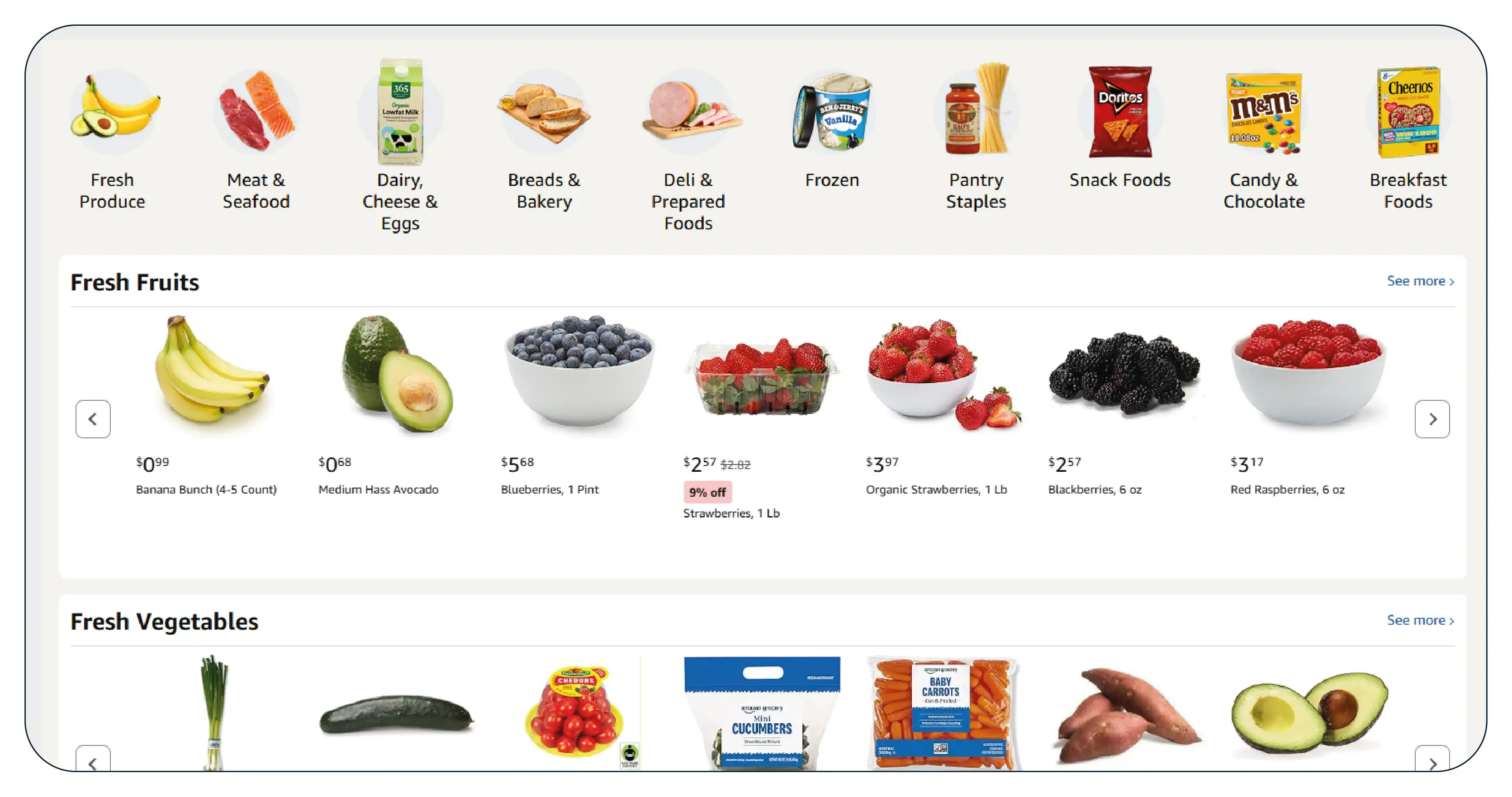
The primary goal was to implement Hyperlocal Competitor Pricing Intelligence for Retailers to enable faster and more accurate pricing decisions across all store locations. The focus was on improving scalability, speed, and data accuracy.
From a technical perspective, the client aimed to integrate automated pipelines using Price Monitoring Services that could capture competitor pricing data in real time and deliver actionable insights through centralized dashboards.
Improve pricing response time by 30%
Increase profit margins by 15%
Achieve 95% data accuracy across locations
Enable real-time price tracking at store level
Reduce manual data processing efforts by 70%
Enhance decision-making speed across regional teams
The Core Challenge
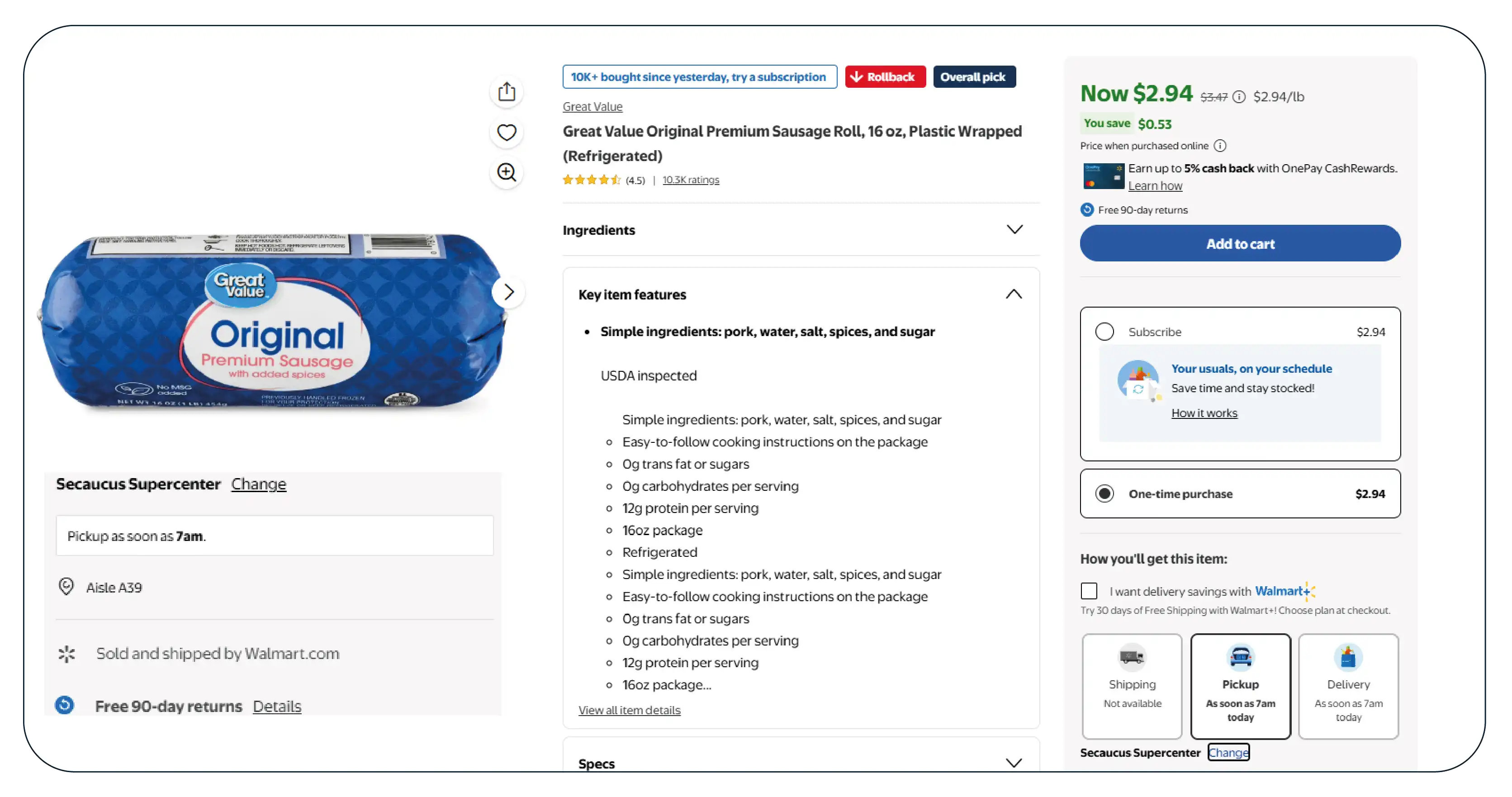
The client struggled with Store-level Competitor Price Tracking by ZIP code, which created significant gaps in their pricing strategy. Without localized insights, the brand was unable to align pricing with regional competition effectively.
Operational bottlenecks included manual data collection, inconsistent reporting, and delayed analysis. The absence of advanced Pricing Intelligence Services meant that the client lacked real-time visibility into competitor pricing and promotional activities.
Performance issues were evident in fluctuating margins and inconsistent pricing strategies across locations. Data accuracy was another major concern, as outdated or incomplete data led to ineffective pricing decisions.
Additionally, the inability to monitor pricing at a granular level resulted in missed opportunities to optimize product pricing. This reactive approach limited the brand's ability to compete effectively in dynamic local markets. The client required a robust, automated solution to overcome these challenges and enable proactive pricing strategies.
Our Solution
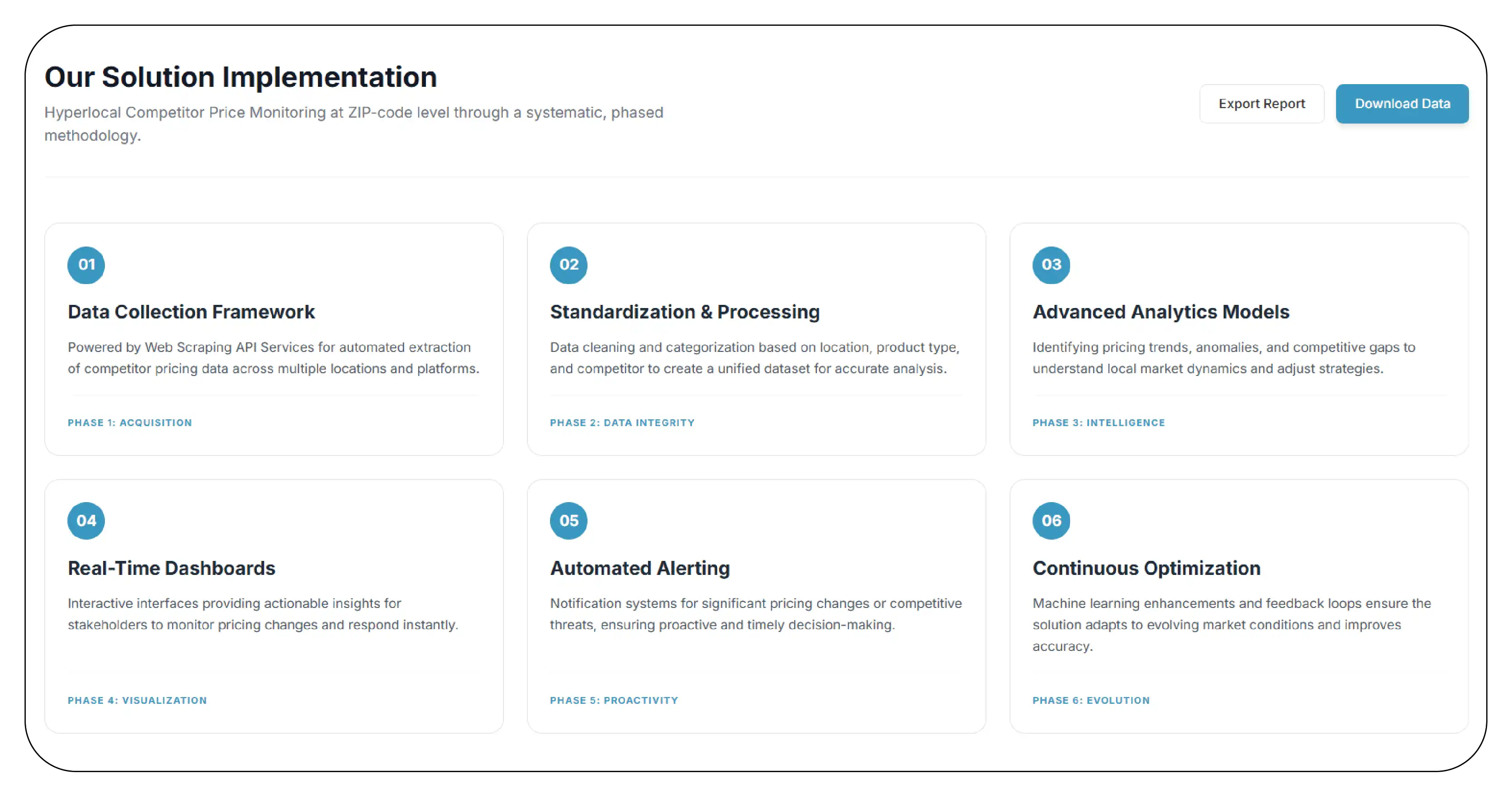
We implemented a comprehensive solution designed to deliver Hyperlocal Competitor Price Monitoring at ZIP-code level through a phased approach.
Phase 1:
We established a data collection framework powered by Web Scraping API Services, enabling automated extraction of competitor pricing data across multiple locations and platforms. This ensured consistent and scalable data acquisition.
Phase 2:
Focused on data standardization and processing. Collected data was cleaned, structured, and categorized based on location, product type, and competitor. This created a unified dataset for accurate analysis.
Phase 3:
Advanced analytics models were deployed to identify pricing trends, anomalies, and competitive gaps. These insights allowed the client to understand local market dynamics and adjust pricing strategies accordingly.
Phase 4:
Involved the development of real-time dashboards that provided actionable insights. Stakeholders could monitor pricing changes across regions and respond instantly to competitor actions.
Phase 5:
Automated alerts were implemented to notify teams of significant pricing changes or competitive threats. This proactive approach ensured timely decision-making.
Phase 6:
Finally, continuous optimization was carried out to improve system performance and accuracy. Feedback loops and machine learning enhancements ensured that the solution adapted to changing market conditions.
This end-to-end approach enabled the client to gain real-time visibility into competitor pricing and implement dynamic pricing strategies tailored to each local market.
Results & Key Metrics
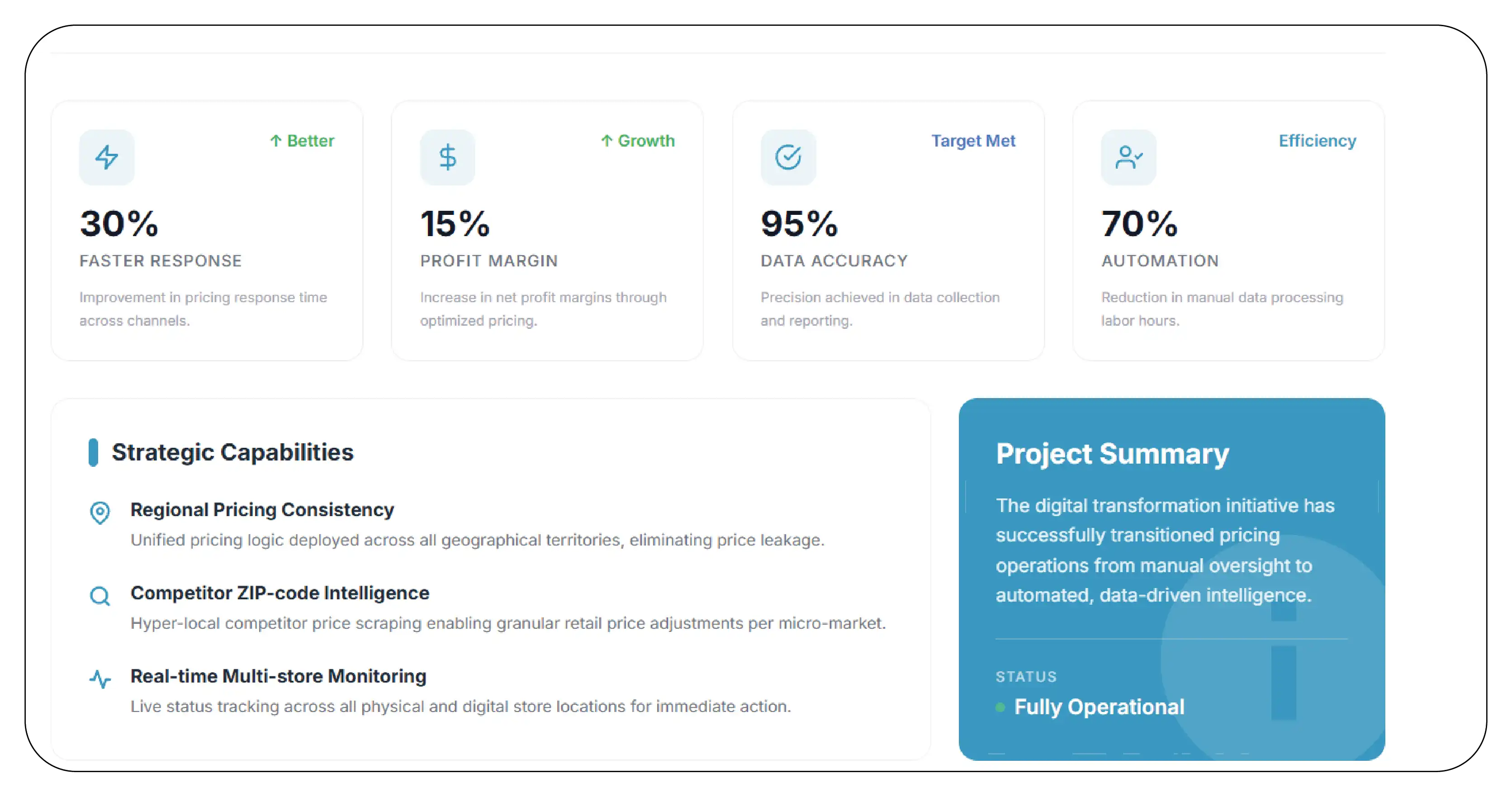
30% faster pricing response time
15% increase in profit margins
95% data accuracy achieved
70% reduction in manual data processing
Improved regional pricing consistency
Enhanced insights using Scrape Competitor prices by ZIP-code for Retailers
Real-time monitoring across all store locations
Results Narrative
The implementation of hyperlocal analytics transformed the client's pricing strategy. By leveraging Scrape Competitor prices by ZIP-code for Retailers, the brand gained real-time visibility into competitor pricing trends. This enabled faster and more informed decision-making, allowing the client to adjust prices dynamically based on local market conditions. The proactive approach improved competitiveness, increased profit margins, and enhanced customer satisfaction. The ability to monitor and respond to pricing changes at a granular level positioned the brand as a leader in local market optimization and data-driven retail strategies.
What Made Product Data Scrape Different?
We stood out by delivering Real-time Retailers Hyperlocal Competitor Pricing intelligence through advanced automation and analytics. The solution combined scalable data collection with real-time processing, ensuring accurate and actionable insights. Proprietary frameworks enabled seamless integration with existing systems, while intelligent alert mechanisms supported proactive decision-making. Unlike traditional approaches, the platform provided continuous monitoring and adaptive learning capabilities. This innovation empowered retailers to stay ahead of competitors and optimize pricing strategies effectively across all locations.
Client’s Testimonial
"Partnering with Product Data Scrape has transformed our pricing strategy. Their expertise in Hyperlocal Competitor Price Monitoring for Retail Chains gave us the visibility we needed to compete effectively in local markets. The real-time insights and automated dashboards allowed us to respond quickly to competitor pricing changes. We've seen measurable improvements in our margins and overall performance. Their solution is scalable, reliable, and incredibly impactful. We now have the confidence to make data-driven pricing decisions across all our store locations."
— Head of Pricing Strategy
Conclusion
This case study highlights the importance of adopting data-driven pricing strategies in modern retail. By leveraging advanced Product Pricing Strategies, the client successfully optimized pricing across multiple locations. The implementation of Hyperlocal Competitor Price Monitoring for Retail Chains enabled real-time decision-making and improved competitiveness. As retail markets continue to evolve, businesses must embrace innovative solutions to stay ahead. We remain committed to helping brands unlock the power of data, drive efficiency, and achieve sustainable growth through intelligent pricing strategies.
FAQs
1. What is hyperlocal competitor price monitoring?
It involves tracking competitor pricing at a very granular level, such as by ZIP code or store location.
2. Why is ZIP-code level monitoring important?
It helps retailers understand local pricing dynamics and respond effectively to regional competition.
3. How does this solution improve profitability?
By enabling dynamic pricing, retailers can optimize margins and remain competitive in each market.
4. Is real-time monitoring possible?
Yes, automated systems provide continuous updates and alerts for pricing changes.
5. Can this solution scale across multiple locations?
Absolutely, it is designed to handle large-scale retail operations with multiple stores and regions efficiently.



 Singapore
 EMAIL
EMAIL
 PHONE
PHONE










.webp)