Introduction
Australia’s supermarket sector has become increasingly dynamic, with price fluctuations driven by inflation, supply chain disruptions, seasonal demand, and promotional cycles. Retailers, brands, and analytics firms need timely visibility into shelf prices and stock availability to stay competitive. This is where Real-Time Price Tracker for Australian Supermarkets solutions provide significant value. By collecting live pricing, discount, inventory, and product availability data, businesses can improve pricing decisions, forecast demand, and enhance customer satisfaction.
A reliable Grocery store dataset helps businesses understand category performance, regional price differences, and shifting consumer preferences. Between 2020 and 2026, Australia’s grocery retail market has experienced major shifts due to e-commerce growth, rising household budgets, and increased demand for transparent pricing. Consumers now compare prices more frequently, while retailers face pressure to maintain margins and shelf availability.
Real-time supermarket intelligence helps businesses:
- Monitor price changes instantly
- Improve stock planning
- Benchmark competitors
- Optimize promotions
- Enhance customer savings
This blog explores six major ways supermarket price tracking improves operations, profitability, and customer experience in Australia, supported by market data and trend analysis from 2020 to 2026.
Faster Visibility into Daily Shelf Price Changes
Retailers need instant access to shelf price movements to avoid delays in pricing decisions. Businesses that Track Australian Supermarket Prices in Real-Time, Extract Grocery & Gourmet Food Data can quickly respond to competitor discounts, supplier cost changes, and category-level pricing shifts.
Real-time price visibility helps:
- Detect daily price fluctuations
- Compare store-level promotions
- Identify regional pricing gaps
- Improve discount timing
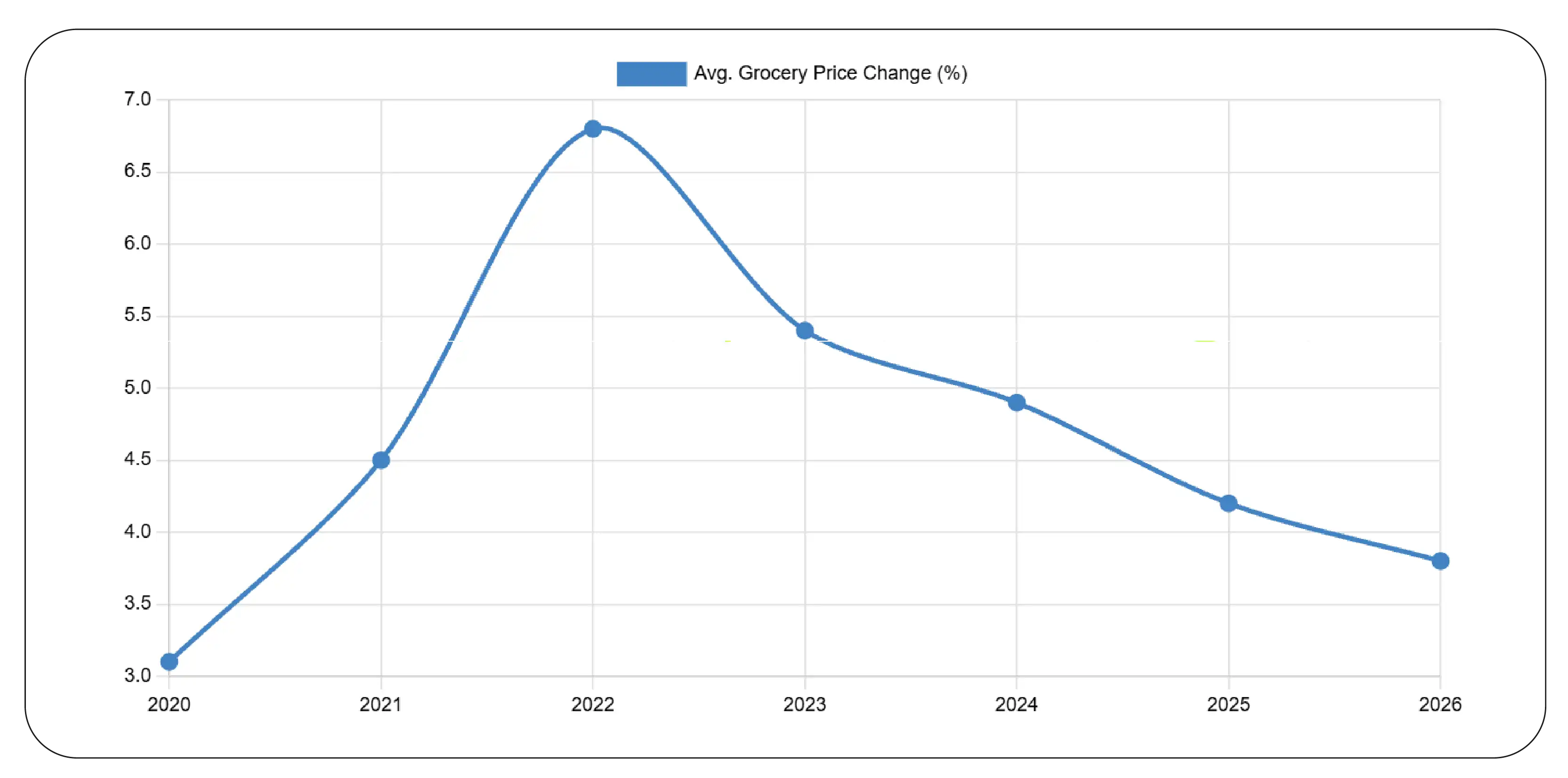
Australian supermarket pricing became more volatile after 2020 due to:
- Supply chain bottlenecks
- Fuel cost increases
- Seasonal shortages
- Inflationary pressures
| Year |
Avg. Grocery Price Change |
Key Trend |
| 2020 |
3.1% |
Pandemic buying surge |
| 2021 |
4.5% |
Freight cost rise |
| 2022 |
6.8% |
Inflation peak |
| 2023 |
5.4% |
Price stabilization |
| 2024 |
4.9% |
Promotion recovery |
| 2025 |
4.2% |
Supply improvement |
| 2026* |
3.8% |
Balanced outlook |
Without live tracking, retailers often miss sudden changes in competitor pricing. For example, a discount on dairy or packaged foods can quickly shift customer demand across nearby stores.
Real-time supermarket price tracking helps businesses:
- Protect margins
- Improve response speed
- Reduce revenue leakage
- Build better customer trust
With structured grocery data, brands and retailers can make pricing decisions based on live market signals rather than delayed reports.
Smarter Competitive Benchmarking for Retail Growth
Competition in Australian grocery retail is intense, with major chains, online grocers, and discount stores constantly adjusting pricing. An Australian Supermarket Price Scraper, Pricing Intelligence Services solution helps businesses benchmark prices accurately and stay ahead of market shifts.
Competitive intelligence supports:
- Store-to-store comparison
- Category pricing analysis
- Competitor promotion tracking
- Price positioning strategies
Supermarkets can compare:
- Fresh produce prices
- Private-label vs branded products
- Seasonal discount patterns
- Bundle offers
| Category |
Avg. Price Sensitivity |
| Dairy |
High |
| Fresh Produce |
Very High |
| Packaged Foods |
Medium |
| Beverages |
High |
| Household Goods |
Medium |
Between 2020 and 2026, Australian consumers became more price-conscious, with over 65% comparing supermarket prices online before purchase.
This trend increased demand for:
- Accurate competitor tracking
- Faster pricing decisions
- Promotion effectiveness monitoring
Businesses using price intelligence services can identify:
- Undervalued product categories
- Competitor pricing gaps
- Market share opportunities
For example, a retailer can instantly respond if a rival launches a temporary price cut on household essentials. This improves agility and helps maintain customer loyalty.
Structured competitor insights also support better supplier negotiations and pricing strategies, helping businesses improve both short-term revenue and long-term market positioning.
Better Margin Protection Through Continuous Monitoring
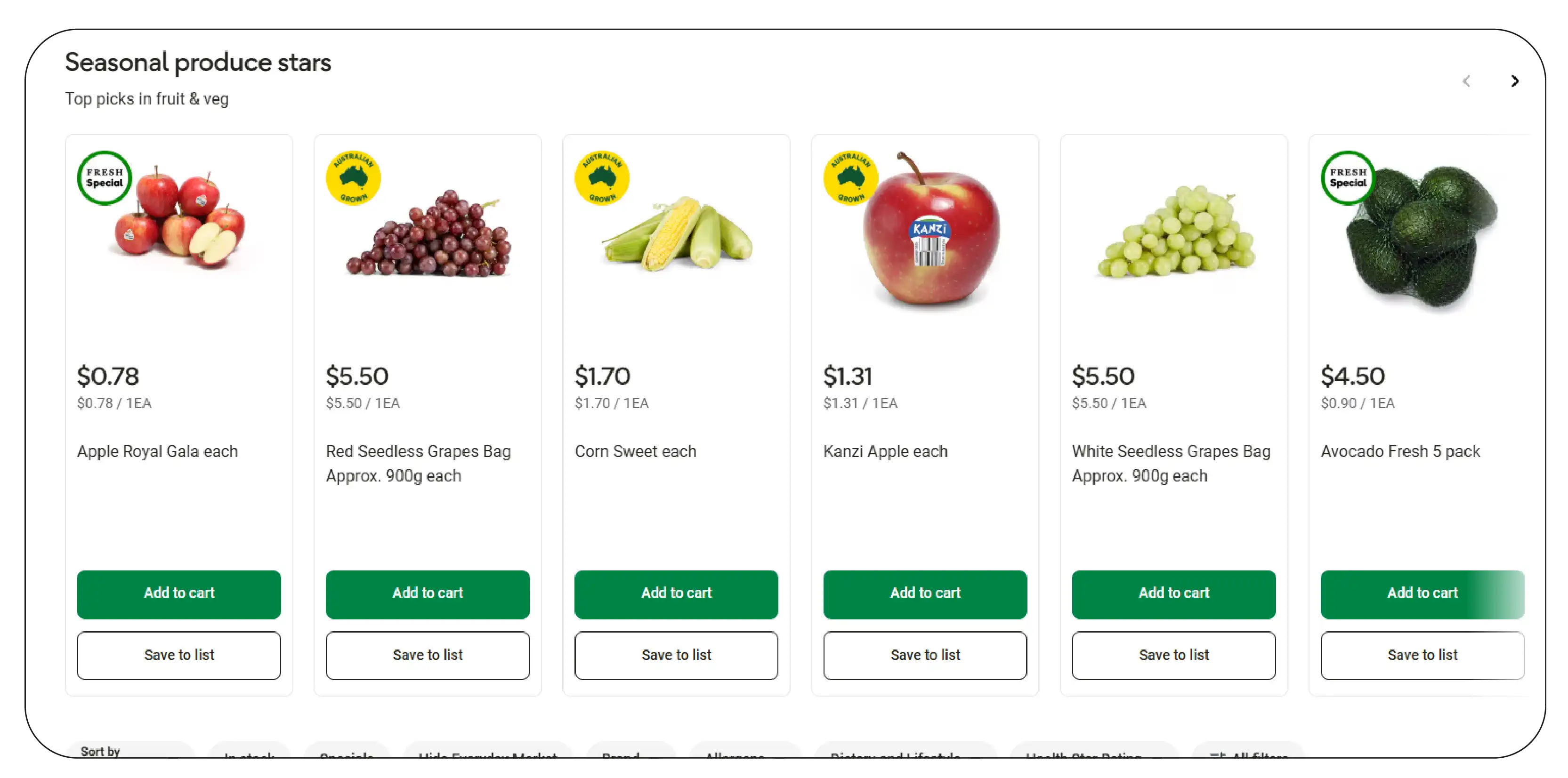
Margin pressure is a major concern for supermarkets and suppliers. Companies that Extract Australian Supermarket Pricing Data, Price Monitoring Services gain the visibility needed to protect profitability while remaining competitive.
Continuous monitoring helps businesses:
- Prevent underpricing
- Track supplier price impact
- Detect unnecessary markdowns
- Reduce pricing errors
Retailers often face:
- Sudden cost increases
- Delayed shelf updates
- Manual pricing inconsistencies
| Challenge |
Impact Without Monitoring |
With Monitoring |
| Price mismatch |
Lost margin |
Accurate pricing |
| Stock-outs |
Missed sales |
Better planning |
| Promotion delays |
Low conversions |
Timely offers |
| Regional gaps |
Poor competitiveness |
Smarter alignment |
From 2020 to 2026, grocery retailers in Australia saw increasing pressure from:
- Rising freight costs
- Imported goods volatility
- Energy expenses
Real-time pricing data helps businesses make faster margin-protection decisions.
Examples include:
- Updating product prices during cost spikes
- Matching nearby store promotions
- Reducing markdown losses
Automated monitoring also reduces reliance on manual audits, improving operational efficiency.
By tracking thousands of products daily, retailers can respond proactively rather than reactively, ensuring stronger financial performance and better customer pricing consistency.
Improved Product Availability and Digital Shelf Strategy
Product availability is just as important as pricing. Businesses using Real-Time Grocery Price Scraping Australia, Digital Shelf Analytics can better understand stock trends, online shelf performance, and category demand.
Digital shelf analytics helps:
- Track out-of-stock products
- Monitor assortment changes
- Identify fast-moving items
- Improve replenishment cycles
Australian shoppers increasingly expect:
- Accurate online inventory
- Fast delivery
- Transparent pricing
| Year |
Online Grocery Growth |
| 2020 |
18% |
| 2021 |
24% |
| 2022 |
28% |
| 2023 |
31% |
| 2024 |
35% |
| 2025 |
38% |
| 2026* |
42% |
Businesses can use digital shelf data to:
- Improve stock forecasting
- Prevent stock shortages
- Align promotions with inventory
- Improve customer satisfaction
For example, if a high-demand snack item is repeatedly out of stock during weekend promotions, businesses can adjust replenishment cycles.
Digital shelf analytics also helps suppliers improve category placement and visibility across retailer platforms.
This combination of pricing and stock intelligence creates a better shopping experience while reducing lost sales opportunities.
Scalable Data Infrastructure for Better Decision-Making
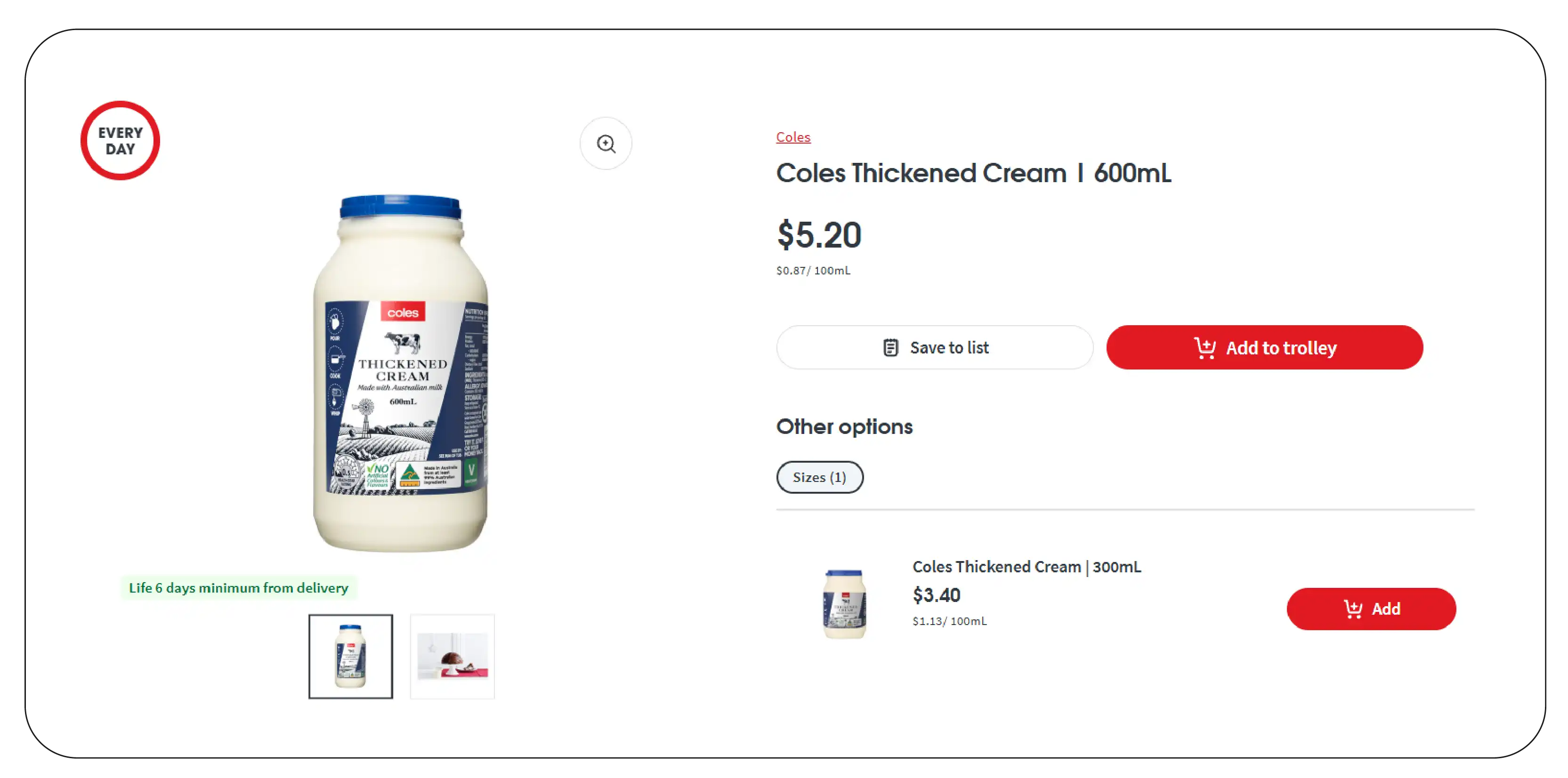
Modern grocery businesses need reliable systems to process large volumes of pricing and product information. Companies using Web Scraping Australian Supermarket Prices, Web Scraping API Services can build scalable intelligence systems for better forecasting and operational planning.
Scalable supermarket data supports:
- Category trend analysis
- Promotion planning
- Consumer behavior insights
- Supply chain forecasting
Key grocery dataset fields include:
- Product name
- SKU
- Category
- Price
- Discount
- Availability
- Brand
- Store location
| Data Use Case |
Business Benefit |
| Price trend analysis |
Smarter pricing |
| Inventory planning |
Fewer stock-outs |
| Competitor tracking |
Faster response |
| Promotion analysis |
Higher ROI |
From 2020 to 2026, Australian retailers accelerated investment in:
- Data automation
- API integrations
- Retail intelligence tools
A scalable data pipeline reduces:
- Manual data errors
- Reporting delays
- Inconsistent pricing decisions
It also helps:
- Retail chains
- FMCG brands
- Market analysts
- E-commerce grocers
With automated supermarket data collection, businesses gain consistent visibility that supports smarter long-term planning.
API-Led Retail Intelligence for Future-Ready Operations
The future of supermarket pricing depends on automation, speed, and seamless integration. An Australian Supermarket Price Tracking API helps businesses access live supermarket data directly into their internal systems.
API-driven intelligence enables:
- Real-time dashboards
- Dynamic repricing tools
- Promotion alerts
- Inventory sync
Benefits include:
- Faster decisions
- Reduced manual work
- Better operational control
| Feature |
Operational Impact |
| Live price feeds |
Instant updates |
| SKU monitoring |
Better tracking |
| Regional analysis |
Smarter planning |
| Promotion alerts |
Improved execution |
By 2026, more Australian grocery businesses are expected to rely on APIs for:
- Pricing automation
- Market benchmarking
- Forecasting
API integration supports:
- ERP systems
- CRM tools
- Pricing engines
- Analytics dashboards
This ensures teams always work with accurate and updated market information.
Retailers that adopt API-led pricing intelligence can improve efficiency, increase customer trust, and respond faster to changing market conditions.
Why Choose Product Data Scrape?
Product Data Scrape delivers reliable supermarket intelligence with advanced Price Monitoring API in Australian Supermarket solutions tailored to your business goals. We help retailers, FMCG brands, and analytics firms collect accurate pricing, stock, and promotion data at scale.
Why choose us:
- Real-time supermarket price tracking
- Custom data extraction solutions
- Clean and structured delivery
- Scalable API integration
- High data accuracy
Our solutions help businesses improve pricing strategies, reduce stock issues, and gain a competitive edge in Australia’s fast-changing grocery market.
Conclusion
As supermarket competition intensifies, live pricing and stock intelligence are essential for smarter business decisions. Businesses using Supermarket Price Monitoring Australia solutions can improve margins, reduce stock-outs, and offer better savings to customers.
From shelf price tracking to digital shelf analytics and API integration, real-time supermarket data helps businesses respond faster and stay competitive. Accurate market visibility leads to stronger customer trust and better operational efficiency.
Ready to transform your supermarket pricing strategy? Partner with Product Data Scrape today for reliable, real-time retail intelligence that drives growth and customer satisfaction.
FAQs
1. Why is real-time supermarket price tracking important?
It helps businesses monitor live price changes, optimize promotions, reduce pricing errors, and improve customer satisfaction through faster and smarter retail decisions.
2. How does grocery price data improve stock planning?
Live product and stock insights help retailers forecast demand, prevent shortages, and improve replenishment for better shelf availability and customer experience.
3. What data can supermarket scraping provide?
It can collect product names, SKUs, prices, discounts, stock status, reviews, and category insights for accurate retail analysis.
4. Who can benefit from supermarket pricing intelligence?
Retailers, FMCG brands, suppliers, analysts, and e-commerce businesses can all use pricing intelligence to improve performance and competitiveness.
5. Why choose Product Data Scrape for supermarket data solutions?
Product Data Scrape offers scalable data extraction, API delivery, and accurate market insights that help businesses improve pricing, stock management, and customer savings.



 Singapore
 EMAIL
EMAIL
 PHONE
PHONE


.webp "thumb")
.webp "thumb")








.webp)