Introduction
India’s public procurement ecosystem has rapidly digitized over the past decade, creating vast volumes of tender data across departments, ministries, and public sector enterprises. The increasing complexity of bid announcements, corrigendums, eligibility criteria, and financial disclosures makes manual tracking inefficient and error-prone. Businesses aiming to stay competitive must leverage automation to streamline access to structured procurement intelligence. A Scraping API to Collect Tender Data from GeM Platform enables organizations to transform raw tender listings into analytics-ready datasets that improve decision-making speed and accuracy.
The Government e-Marketplace (GeM) serves as India’s centralized procurement portal, hosting thousands of tenders daily across goods and service categories. Extracting structured data from this dynamic environment helps firms refine Pricing Strategies, monitor competitor bids, and identify high-value opportunities in real time. From 2020 to 2026, digital procurement adoption has expanded significantly, increasing the need for scalable data extraction frameworks. This blog explores automated solutions, data intelligence methodologies, and structured tender extraction strategies that empower organizations to solve procurement data challenges effectively.
Digital Transformation of Public Procurement
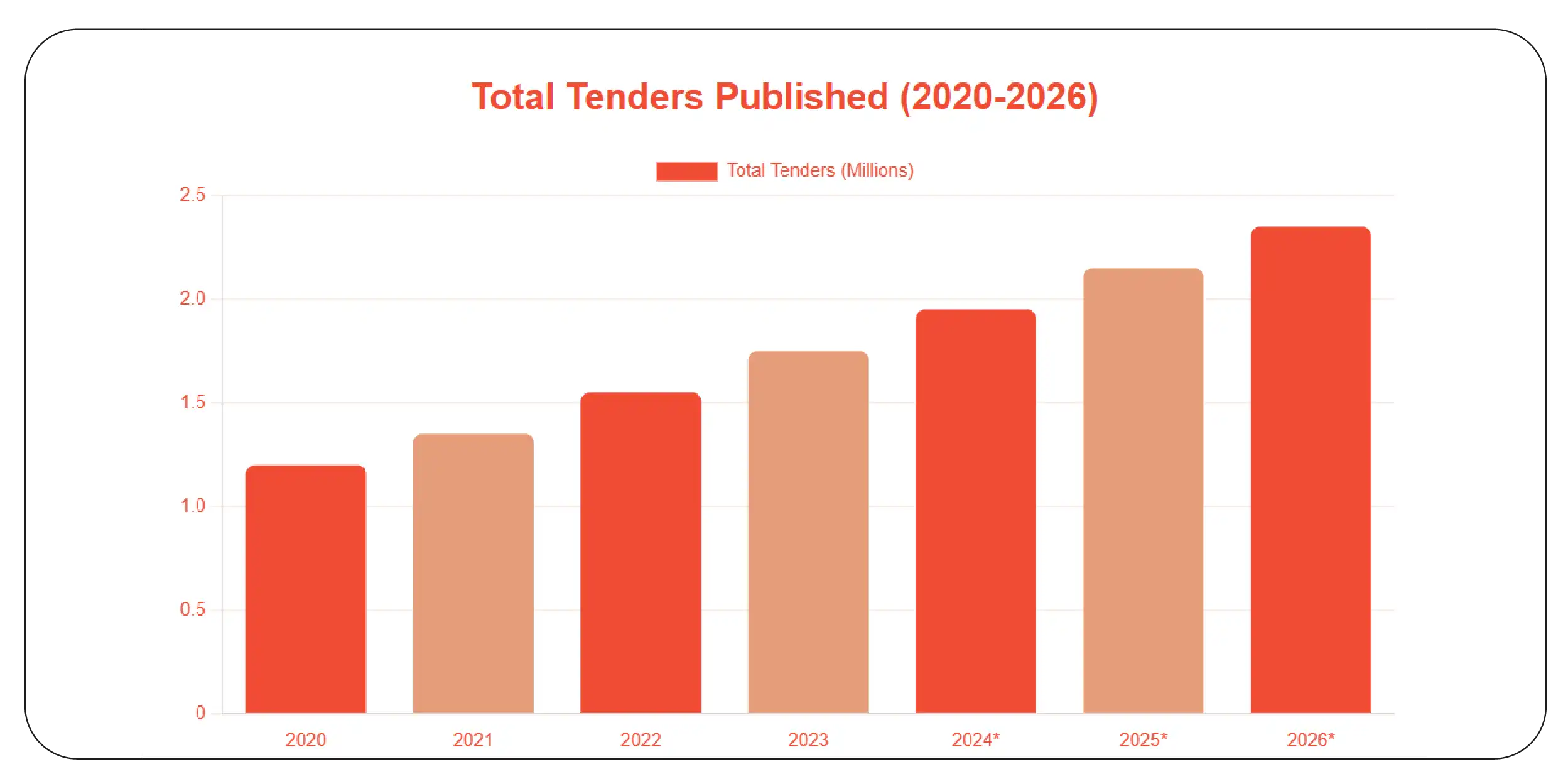
The expansion of digital procurement has increased reliance on automated extraction tools such as a Government E-Marketplace Tender Data Scraper. Between 2020 and 2026, the total number of tenders published online has grown consistently due to policy reforms and digital-first governance initiatives.
This surge makes manual monitoring unsustainable. Automated scrapers capture tender IDs, departments, bid deadlines, estimated values, eligibility terms, and amendment updates in structured formats. Organizations can integrate these datasets into analytics dashboards to monitor procurement patterns, identify sector-specific opportunities, and optimize bidding timelines. Structured extraction also reduces data gaps caused by delayed manual searches.
As digital procurement volumes rise, automation ensures accuracy, scalability, and efficiency in tracking tender announcements and updates across diverse government departments.
Structured Data Extraction for Analytical Readiness
Efficient GeM Portal Tender Data Extraction combined with structured eCommerce Dataset Scraping methodologies ensures that procurement information is standardized for analysis. Tender listings often include complex data such as technical specifications, financial bid details, evaluation criteria, and corrigendums.
| Year |
Avg Tender Amendments (%) |
Avg Tender Value Growth (%) |
| 2020 |
6% |
5% |
| 2021 |
8% |
7% |
| 2022 |
10% |
9% |
| 2023 |
12% |
8% |
| 2024* |
13% |
6% |
| 2025* |
14% |
6% |
| 2026* |
15% |
5% |
Structured extraction tools parse these multi-layered data fields into normalized formats such as JSON or CSV. Businesses can analyze historical bid patterns, estimate competitor participation frequency, and evaluate average contract values. Automated systems ensure timely updates, capturing modifications and deadline extensions without missing critical information.
By transforming unstructured web listings into structured datasets, organizations gain analytical clarity, improve reporting accuracy, and strengthen internal procurement intelligence frameworks.
Enhancing Bid Intelligence and Market Positioning
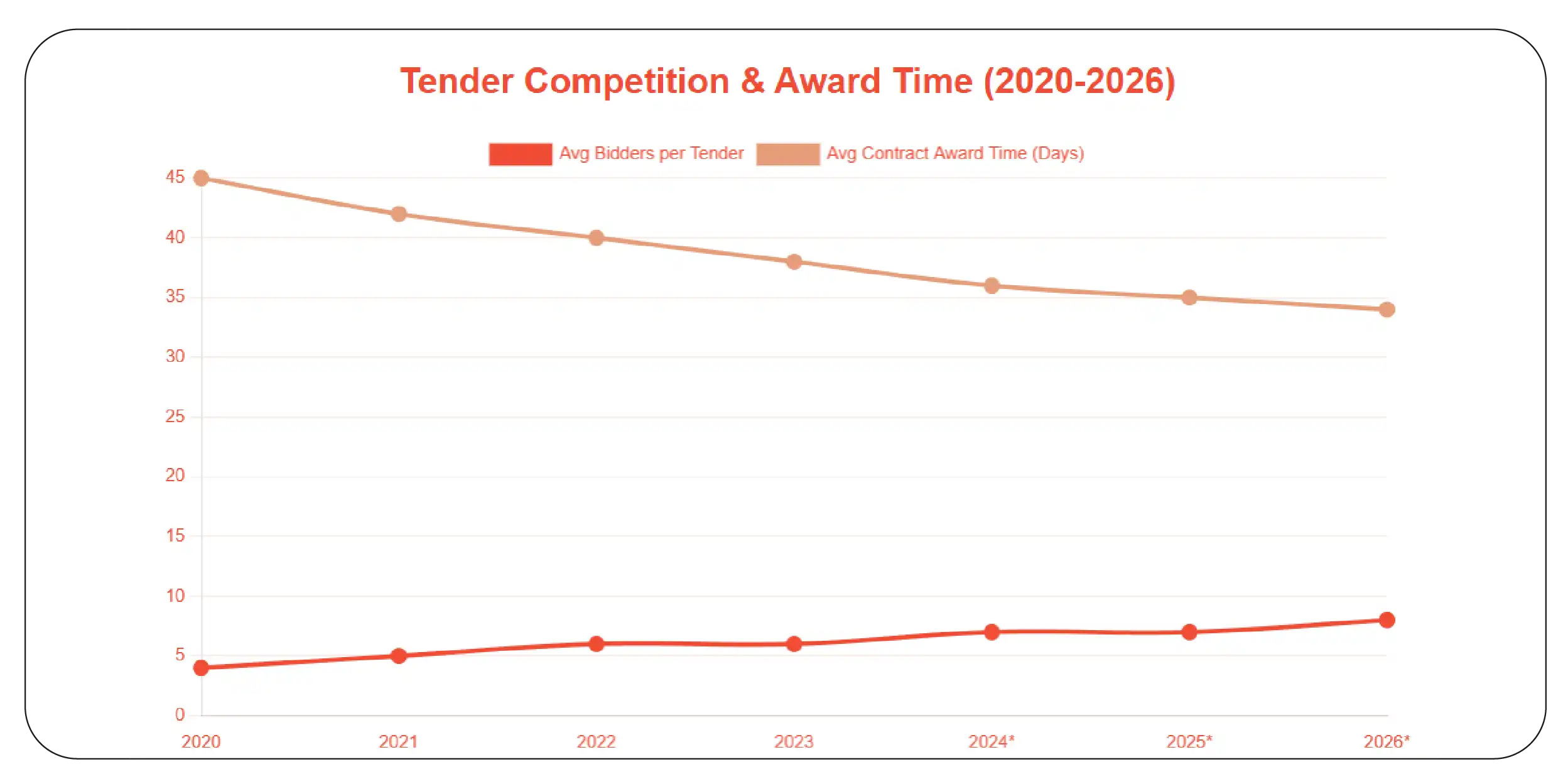
Comprehensive GeM Government Bid Data Extraction enables companies to evaluate competitive landscapes more effectively. Tracking historical bid winners, quoted values, and department preferences provides valuable context for strategic positioning.
Analyzing bidder density and award timelines helps companies refine submission strategies. For example, sectors with high bidder competition may require aggressive pricing models, while niche categories may demand technical differentiation. Structured bid intelligence enables firms to assess win probability, adjust proposal formats, and allocate resources strategically.
Automated extraction ensures no tender history is overlooked, strengthening competitive forecasting and market entry planning.
Category-Level Opportunity Mapping
Sector-focused monitoring through a GeM Category-Wise Tender Data Scraper provides targeted insights across product and service segments. Public procurement spans IT equipment, construction services, healthcare supplies, and more.
| Year |
IT Category Growth (%) |
Infrastructure Category Growth (%) |
| 2020 |
10% |
7% |
| 2021 |
14% |
9% |
| 2022 |
18% |
12% |
| 2023 |
20% |
15% |
| 2024* |
22% |
16% |
| 2025* |
24% |
17% |
| 2026* |
26% |
18% |
Category-level intelligence allows companies to focus on high-growth segments and adjust bidding frequency accordingly. Structured extraction ensures consistent mapping of tenders to relevant industry verticals, enabling data-driven diversification strategies.
By analyzing sector-specific procurement trends, organizations can identify recurring demand cycles and long-term government spending priorities.
Financial Comparison and Competitive Benchmarking
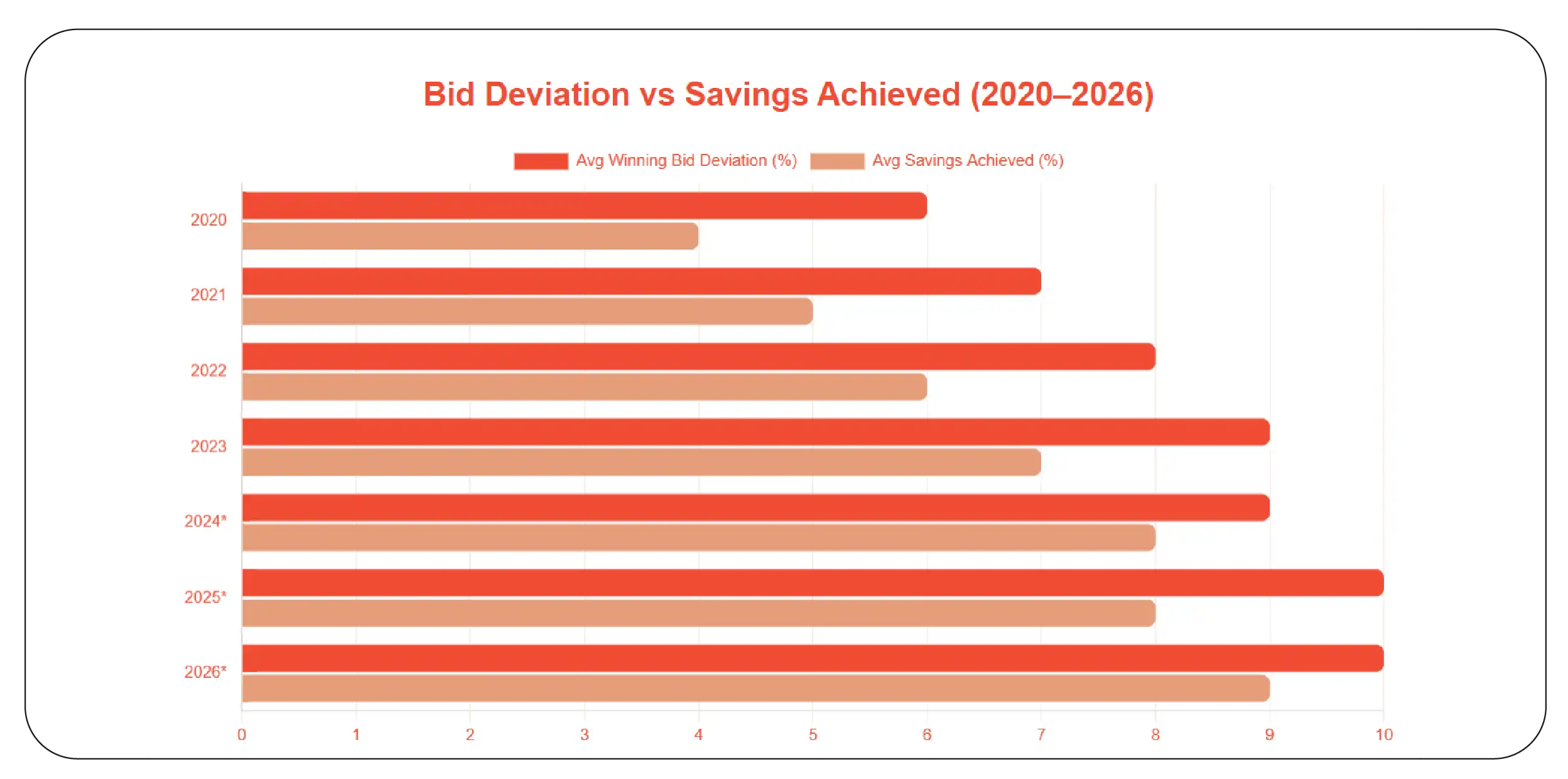
Automated GeM Price Bid Comparison Data Extraction enhances financial evaluation capabilities. Tracking historical winning bid values enables businesses to benchmark pricing accuracy and refine cost modeling approaches.
By analyzing deviations between estimated tender value and awarded price, firms can refine cost projections and bid competitiveness. Financial benchmarking strengthens negotiation strategies and enhances profitability without underpricing. Structured extraction tools ensure accurate comparison datasets for consistent modeling.
Building Scalable Procurement Intelligence Systems
Scalable frameworks for Web scraping GeM tender data ensure long-term reliability and automation. As procurement volumes grow annually, robust APIs prevent system overload and maintain structured output consistency.
| Year |
API-Based Monitoring Adoption (%) |
Automated Tender Alerts (%) |
| 2020 |
25% |
20% |
| 2021 |
32% |
28% |
| 2022 |
40% |
36% |
| 2023 |
48% |
44% |
| 2024* |
55% |
52% |
| 2025* |
60% |
58% |
| 2026* |
65% |
63% |
Automated monitoring systems trigger real-time alerts for new tenders, deadline changes, and corrigendums. Integration with analytics dashboards ensures faster decision-making cycles and improved compliance.
Scalable scraping infrastructure ensures that procurement intelligence remains accurate, timely, and actionable across growing digital ecosystems.
Why Choose Product Data Scrape?
Product Data Scrape delivers advanced automation frameworks tailored for public procurement intelligence and Web Scraping E-commerce Websites. Our solutions ensure structured tender extraction, real-time updates, and scalable API integrations. We transform complex procurement listings into analytics-ready datasets that support competitive positioning and financial optimization. With compliance-focused methodologies and customizable delivery formats, our services empower businesses to streamline monitoring, strengthen strategic insights, and enhance bid success rates across government platforms.
Conclusion
Public procurement intelligence requires structured automation, accurate extraction, and scalable analytics integration. By leveraging data-driven systems and continuous Price Monitoring, organizations can refine bidding precision and strengthen financial strategies. Automated extraction ensures timely updates, improved forecasting, and better competitive benchmarking.
Ready to unlock smarter procurement insights and improve your bid win rate? Contact us today to build your automated tender intelligence solution.
FAQs
1. Why is automated tender data extraction important?
Automated extraction ensures real-time access to structured procurement information, minimizing missed opportunities and improving bid planning accuracy across multiple government departments.
2. How frequently should GeM tender data be monitored?
Tender data should be monitored daily or in real time to capture amendments, deadline changes, and new announcements for competitive advantage.
3. What insights can be derived from bid comparison data?
Bid comparison data reveals pricing gaps, winning trends, competitor frequency, and financial positioning strategies for improved proposal accuracy.
4. Is tender scraping scalable for large datasets?
Yes, API-driven automation enables scalable extraction of thousands of tenders while maintaining structured and normalized dataset formats.
5. How can Product Data Scrape support procurement intelligence?
Product Data Scrape provides automated APIs, structured data extraction, and scalable analytics solutions that enhance government bidding strategies and improve competitive intelligence outcomes.


 Singapore
 EMAIL
EMAIL
 PHONE
PHONE


.webp "thumb")









.webp)