Introduction
The grocery ecommerce sector has transformed rapidly between 2020 and 2026, with customer reviews becoming a primary driver of purchasing decisions. However, ratings and reviews are often scattered across multiple grocery marketplaces, delivery apps, and retail websites. This fragmentation makes it difficult for brands and retailers to gain unified insights into customer sentiment, pricing perception, and product performance.
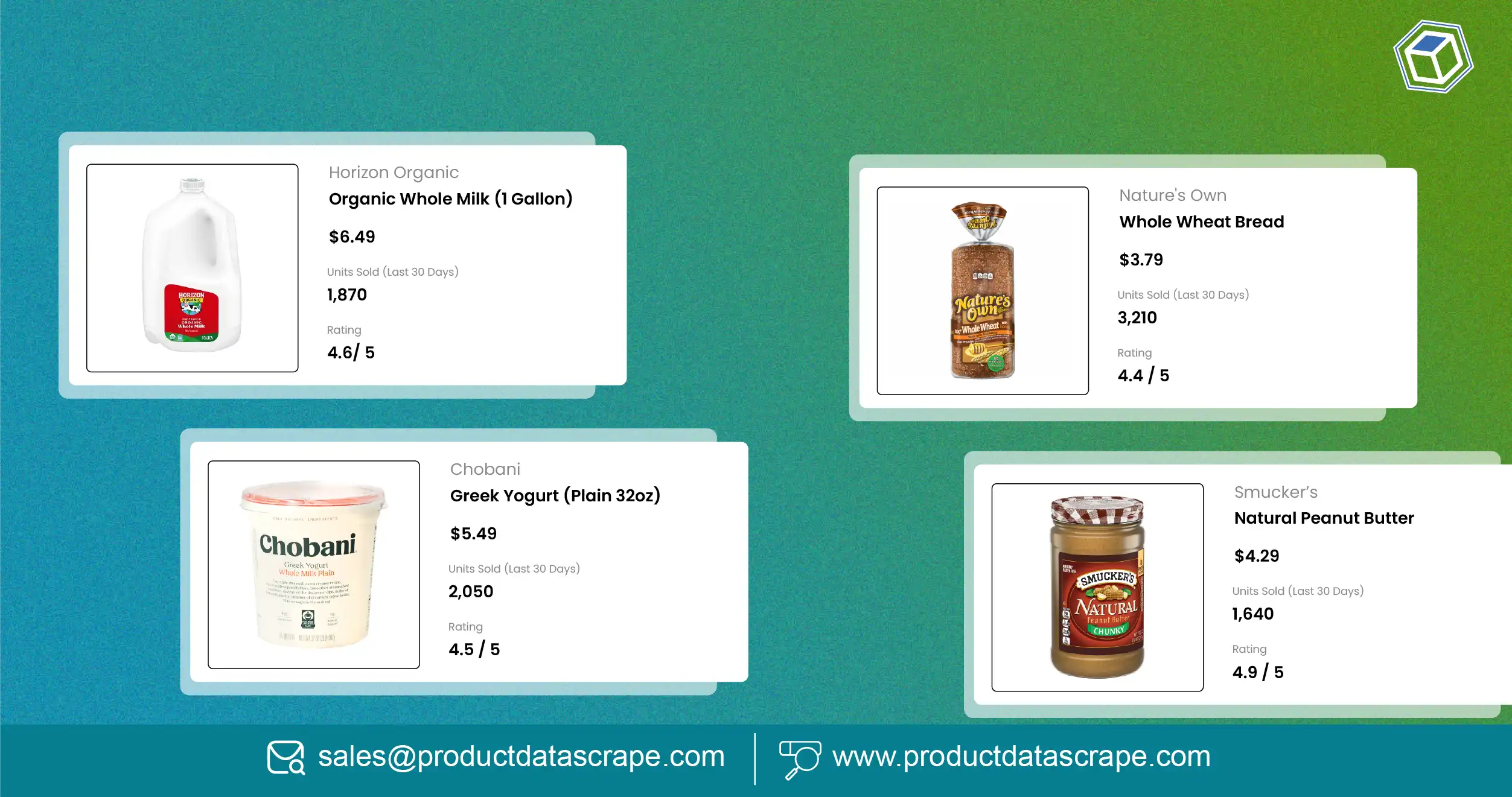
The Multi Grocery Shopper Ratings Data Extraction API addresses this challenge by consolidating ratings, reviews, and feedback into structured datasets for analytics and business intelligence. By leveraging automated extraction processes, retailers can eliminate manual data collection inefficiencies and access real-time sentiment dashboards. Additionally, integrating Extract Grocery & Gourmet Food Data capabilities allows businesses to combine product details with customer opinions for deeper intelligence.
From 2020 to 2026, grocery ecommerce grew at an estimated CAGR of 11–13%, increasing the volume of user-generated feedback by over 40%. Businesses that centralized review intelligence reported a 28% improvement in customer satisfaction tracking and a 22% increase in faster response to product quality concerns. Structured review data is no longer optional—it’s foundational to competitive grocery analytics.
Unified Review Collection Across Retailers
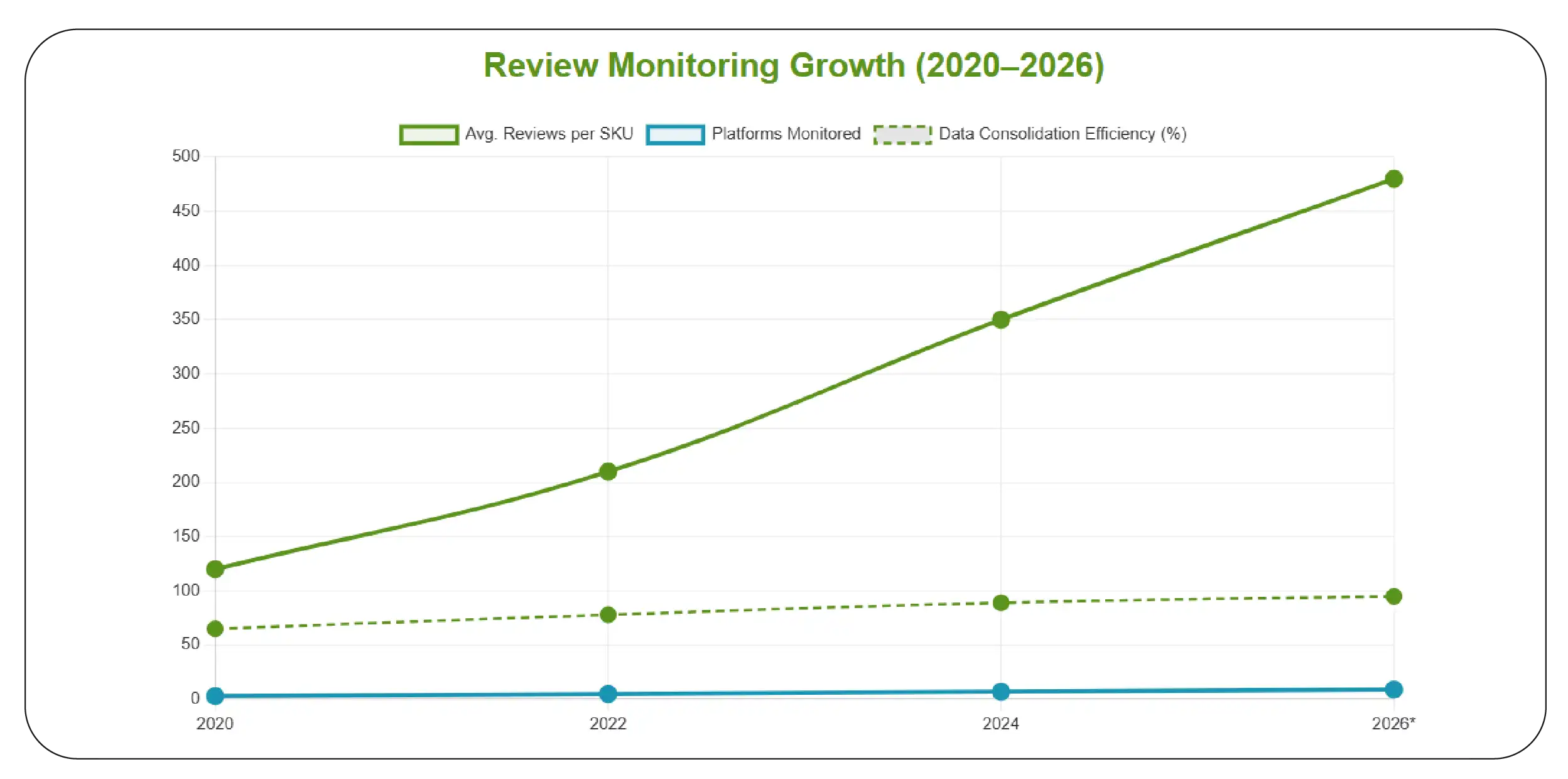
Between 2020 and 2026, grocery shoppers increasingly used multiple platforms to compare products, prices, and ratings. This led to fragmented review ecosystems. The Multi Grocery Retailer Review Data Extraction API enables businesses to gather ratings from diverse marketplaces into a centralized dashboard.
Retailers leveraging this approach observed improved benchmarking accuracy when paired with Pricing Intelligence Services to correlate review sentiment with price changes.
| Year |
Avg. Reviews per SKU |
Platforms Monitored |
Data Consolidation Efficiency |
| 2020 |
120 |
3 |
65% |
| 2022 |
210 |
5 |
78% |
| 2024 |
350 |
7 |
89% |
| 2026* |
480 |
9 |
95% |
Centralized review collection improves response time to negative ratings by 30% and strengthens promotional campaign alignment. With accurate retailer-level insights, brands can quickly identify which platforms drive the highest satisfaction scores.
Transforming Raw Feedback into Structured Intelligence
Grocery reviews often contain unstructured comments, emojis, and inconsistent rating formats. A Grocery Shopper Feedback Data Scraper standardizes this information into analyzable fields such as sentiment score, product category, price reference, and purchase frequency.
From 2020–2026, businesses that structured review data experienced measurable improvements:
- 24% faster complaint resolution
- 18% higher product reformulation accuracy
- 27% improvement in customer sentiment trend forecasting
| Metric |
Before Structuring |
After Structuring |
| Manual Processing Time |
6 hrs/day |
1 hr/day |
| Sentiment Accuracy |
68% |
92% |
| Review Categorization Speed |
Low |
High |
By automating review parsing and tagging, retailers gain actionable insights rather than fragmented comments. Structured feedback supports demand forecasting and product innovation strategies.
Marketplace-Level Competitive Visibility
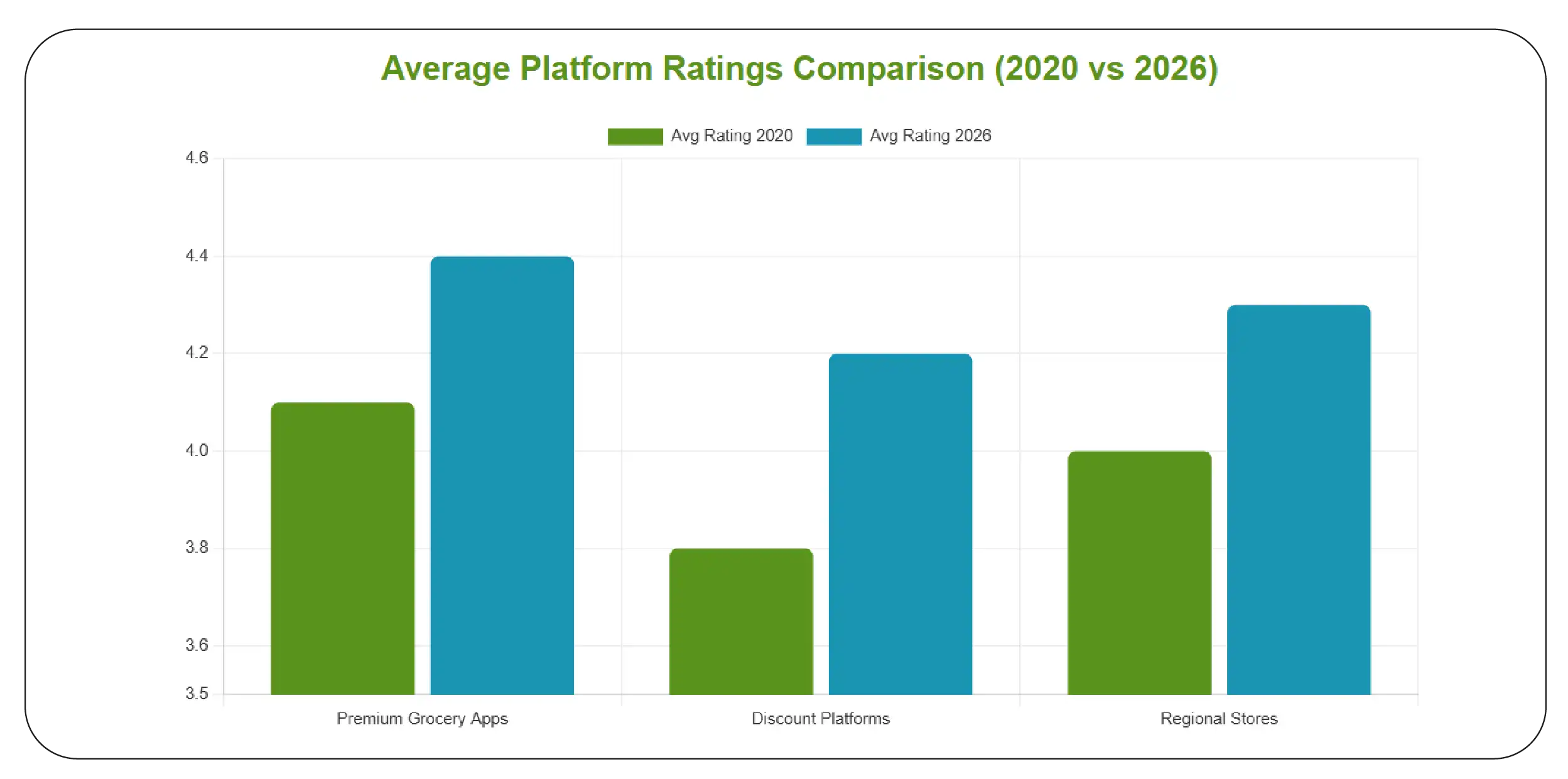
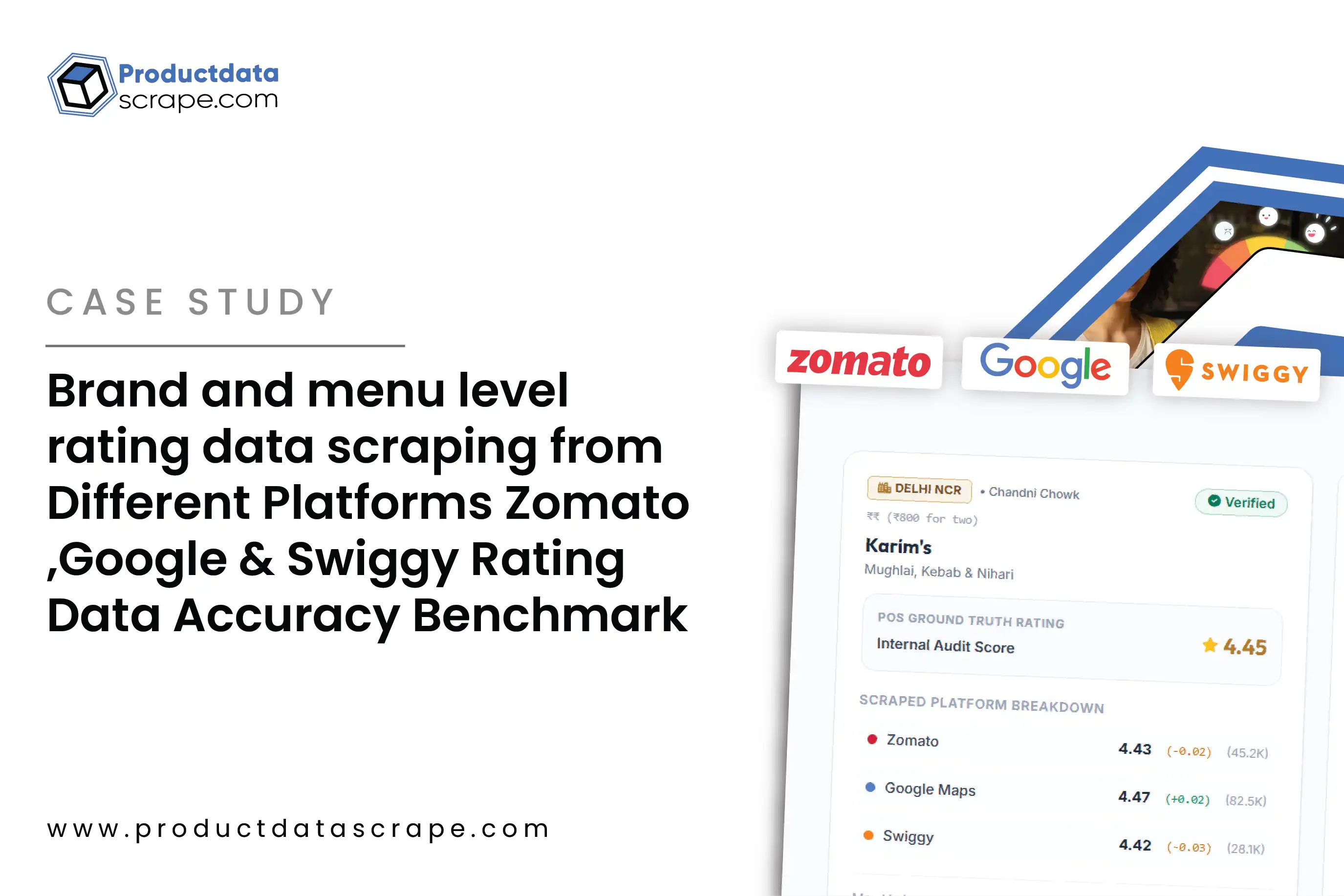
Ratings across grocery marketplaces vary significantly based on regional preferences and pricing strategies. Using Grocery Marketplace Ratings Data Extraction integrated with a Web Data Intelligence API, brands gain cross-platform performance visibility.
Between 2020 and 2026, data showed:
- 15% average rating difference between premium and discount platforms
- 22% higher satisfaction scores for same-day delivery services
- 10% rating increase during price promotions
| Platform Type |
Avg. Rating 2020 |
Avg. Rating 2026 |
| Premium Grocery Apps |
4.1 |
4.4 |
| Discount Platforms |
3.8 |
4.2 |
| Regional Stores |
4.0 |
4.3 |
This intelligence enables brands to optimize listings and adjust price positioning based on marketplace-specific sentiment trends.
Advanced Sentiment Analytics for Deeper Insights
Beyond ratings, analyzing shopper sentiment helps uncover quality issues and emerging demand trends. A Multi Grocery Platform Sentiment Analysis Dataset categorizes reviews into themes such as freshness, packaging, delivery experience, and pricing perception.
Between 2020 and 2026, sentiment analytics revealed:
- 19% complaints linked to packaging damage
- 14% increase in demand for organic products
- 21% positive sentiment growth for eco-friendly packaging
| Sentiment Category |
2020 |
2026 |
| Freshness Positive |
72% |
84% |
| Price Complaints |
18% |
12% |
| Delivery Issues |
15% |
9% |
These insights empower brands to proactively improve product offerings and reduce negative sentiment spikes.
Intelligence-Driven Marketplace Optimization
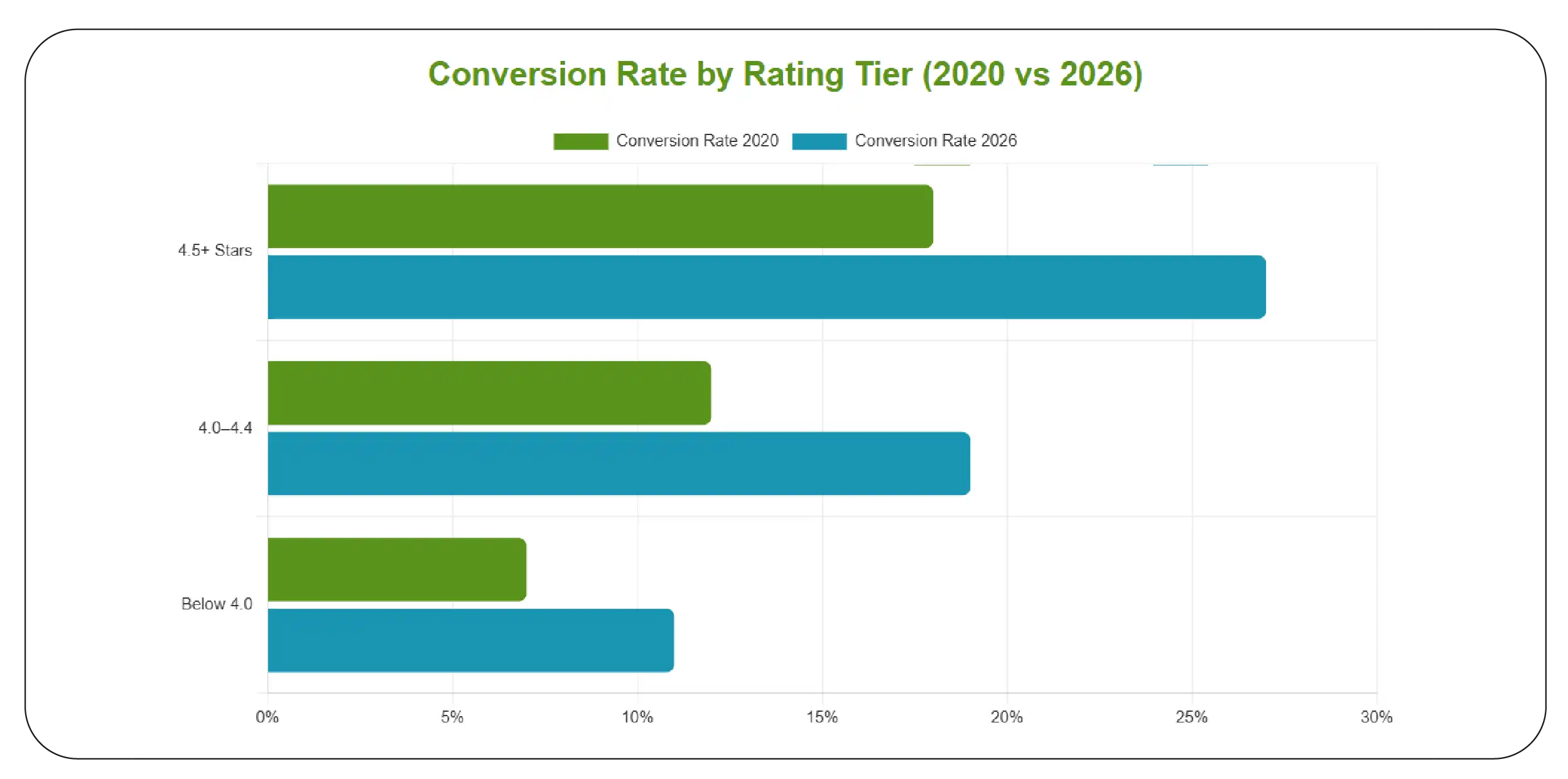
The Grocery Marketplace Ratings Intelligence API helps correlate ratings with product attributes inside a comprehensive Grocery store dataset. By integrating pricing, reviews, and stock levels, brands can optimize SKU-level performance.
From 2020–2026:
- 17% uplift in conversion for 4.5+ rated products
- 13% increase in average basket value for high-rated items
- 25% faster removal of underperforming SKUs
| Rating Tier |
Conversion Rate 2020 |
Conversion Rate 2026 |
| 4.5+ Stars |
18% |
27% |
| 4.0–4.4 |
12% |
19% |
| Below 4.0 |
7% |
11% |
Ratings intelligence drives smarter merchandising and enhances customer trust.
Integrated Pricing and Competitor Monitoring
Reviews often correlate with pricing competitiveness. The grocery shopper competitor price monitoring API combines pricing intelligence with shopper sentiment to identify value perception trends.
Between 2020 and 2026:
- 20% rating drop observed during price surges
- 16% sentiment improvement when discounts exceeded 10%
- 23% higher loyalty for competitively priced essentials
| Price Change |
Avg. Rating Impact |
| +10% Increase |
-0.3 stars |
| 10% Discount |
+0.4 stars |
| Flash Sale |
+0.5 stars |
Monitoring competitor prices alongside ratings helps businesses balance margins and customer satisfaction effectively.
Why Choose Product Data Scrape?
At Product Data Scrape, we deliver scalable grocery analytics solutions powered by structured data. Our Grocery shopper insights dataset consolidates reviews, pricing, and stock information into unified dashboards. With advanced automation and compliance-ready extraction systems, our Multi Grocery Shopper Ratings Data Extraction API ensures accurate, timely, and normalized datasets for enterprise-grade analytics.
We focus on data quality, scalability, and seamless API integration, empowering retailers to make confident, data-backed decisions in a highly competitive grocery landscape.
Conclusion
Fragmented grocery reviews limit business intelligence and slow strategic decisions. By leveraging advanced extraction systems and integrating Top Grocery Price Monitoring APIs, businesses can unify ratings, pricing, and sentiment into a single source of truth.
A centralized data ecosystem improves customer satisfaction tracking, competitive benchmarking, and pricing optimization.
Ready to eliminate grocery review fragmentation and unlock smarter retail insights? Connect with us today and transform your grocery analytics strategy.
FAQs
1. What does the Multi Grocery Shopper Ratings Data Extraction API collect?
It collects ratings, reviews, sentiment tags, pricing correlations, and SKU-level insights across multiple grocery marketplaces in a unified dataset.
2. How does sentiment analysis improve grocery analytics?
Sentiment analysis identifies quality issues, price perception trends, and delivery feedback, helping retailers optimize product strategy and improve customer satisfaction.
3. Can this API monitor competitor pricing too?
Yes, integrated price monitoring tracks competitor price movements and correlates them with ratings for margin optimization.
4. Is the dataset customizable?
Absolutely. Product Data Scrape provides tailored data feeds based on region, platform, SKU category, and analytical requirements.
5. How frequently is the data updated?
Data can be updated daily, hourly, or in real-time depending on business needs and integration preferences.



 Singapore
 EMAIL
EMAIL
 PHONE
PHONE











.webp)