Introduction
In the fast-growing quick commerce ecosystem, product availability directly impacts customer satisfaction and revenue. Retailers are constantly challenged by sudden stockouts, which can lead to lost sales and reduced brand loyalty. This is where Q-Commerce Out-of-Stock Data Scraping becomes a powerful solution, enabling businesses to track real-time inventory availability across multiple platforms and locations. By capturing live stock signals, companies can respond faster to demand fluctuations and minimize missed opportunities.
At the same time, Quick Commerce Grocery & FMCG Data Scraping provides deeper visibility into high-frequency categories like groceries and daily essentials, where stockouts occur more frequently. With real-time insights into availability, pricing, and demand patterns, retailers can optimize their supply chain operations and improve product availability. Between 2020 and 2026, the adoption of data-driven inventory management solutions has grown significantly, highlighting the importance of automated scraping technologies in modern retail strategies.
Turning Stock Signals into Supply Chain Actions
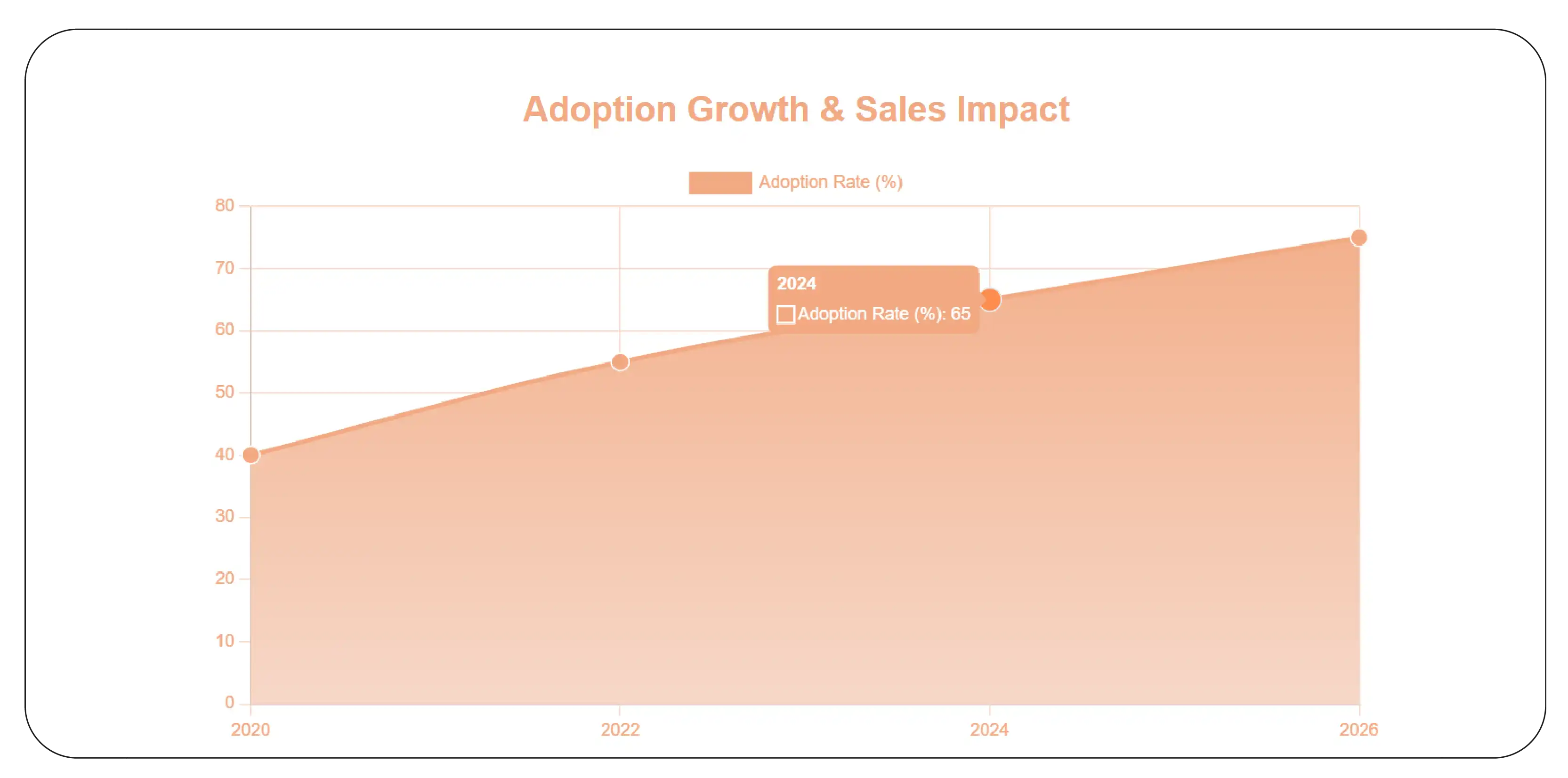
Retailers can transform stockout signals into actionable insights by leveraging Scrape supply chain action from stock-out signals Q-Commerce, Price Monitoring Services. These systems capture real-time data on unavailable products and trigger alerts for restocking or redistribution.
From 2020 to 2026, retailers using stock signal-based supply chain systems saw a 28% reduction in lost sales and a 22% improvement in inventory efficiency. This is because immediate visibility into stockouts allows faster decision-making.
| Year |
Adoption Rate (%) |
Lost Sales Reduction |
| 2020 |
40% |
Moderate |
| 2022 |
55% |
High |
| 2024 |
65% |
Very High |
| 2026 |
75% |
Exceptional |
By connecting stock signals with supply chain workflows, businesses can ensure timely replenishment and better inventory distribution. This approach minimizes disruptions and improves overall operational performance.
Detecting Stockouts Across Platforms
Accurate detection of stockouts is essential for maintaining product availability. Using Scrape Out-of-Stock Detection on Q-Commerce Platforms, Web Scraping API Services, retailers can monitor multiple platforms simultaneously and identify unavailable products in real time.
Between 2020 and 2026, the use of automated detection systems increased by over 35%, enabling businesses to improve response times and reduce manual effort. These systems continuously scan product listings and flag stockouts instantly.
| Feature |
Benefit |
| Real-time detection |
Immediate stock visibility |
| Multi-platform tracking |
Comprehensive coverage |
| Automated alerts |
Faster response time |
| Data accuracy |
Reliable insights |
This level of automation ensures that retailers can maintain consistent product availability and respond quickly to changing market conditions.
Enhancing Digital Shelf Visibility
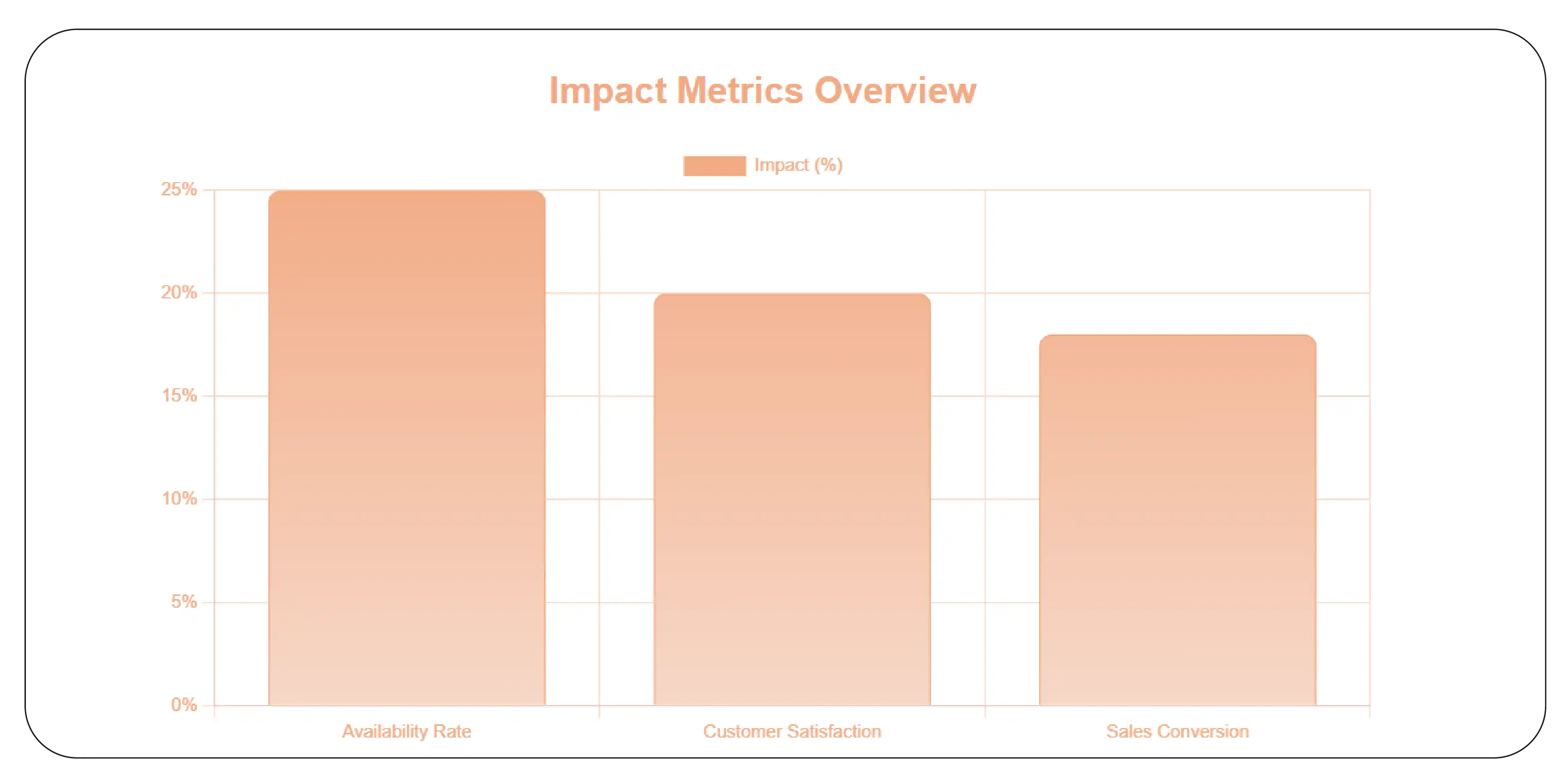
Understanding product availability across digital shelves is critical for competitive success. Through Product Availability Intelligence for Q-Commerce, Digital Shelf Analytics, businesses can gain insights into how products perform across different platforms and regions.
From 2020 to 2026, digital shelf analytics adoption grew by 32%, helping retailers improve visibility and optimize product placement. These insights reveal which products are frequently out of stock and where improvements are needed.
| Metric |
Impact |
| Availability Rate |
+25% improvement |
| Customer Satisfaction |
+20% increase |
| Sales Conversion |
+18% growth |
By analyzing digital shelf data, retailers can identify gaps, improve availability, and enhance customer experience, ultimately driving higher sales and brand loyalty.
Monitoring Stockout Trends Over Time
Tracking stockout trends provides valuable insights into demand patterns and supply chain performance. With Q-Commerce stockout data tracking, businesses can analyze historical data and identify recurring issues.
Between 2020 and 2026, companies that implemented trend analysis saw a 24% improvement in demand forecasting accuracy. This is because historical data helps predict future stockouts and optimize inventory planning.
| Year |
Forecast Accuracy (%) |
Stockout Reduction |
| 2020 |
60% |
Moderate |
| 2022 |
68% |
High |
| 2024 |
75% |
Very High |
| 2026 |
82% |
Exceptional |
By understanding trends, retailers can proactively address inventory challenges and ensure consistent product availability.
Strengthening Inventory Shortage Management
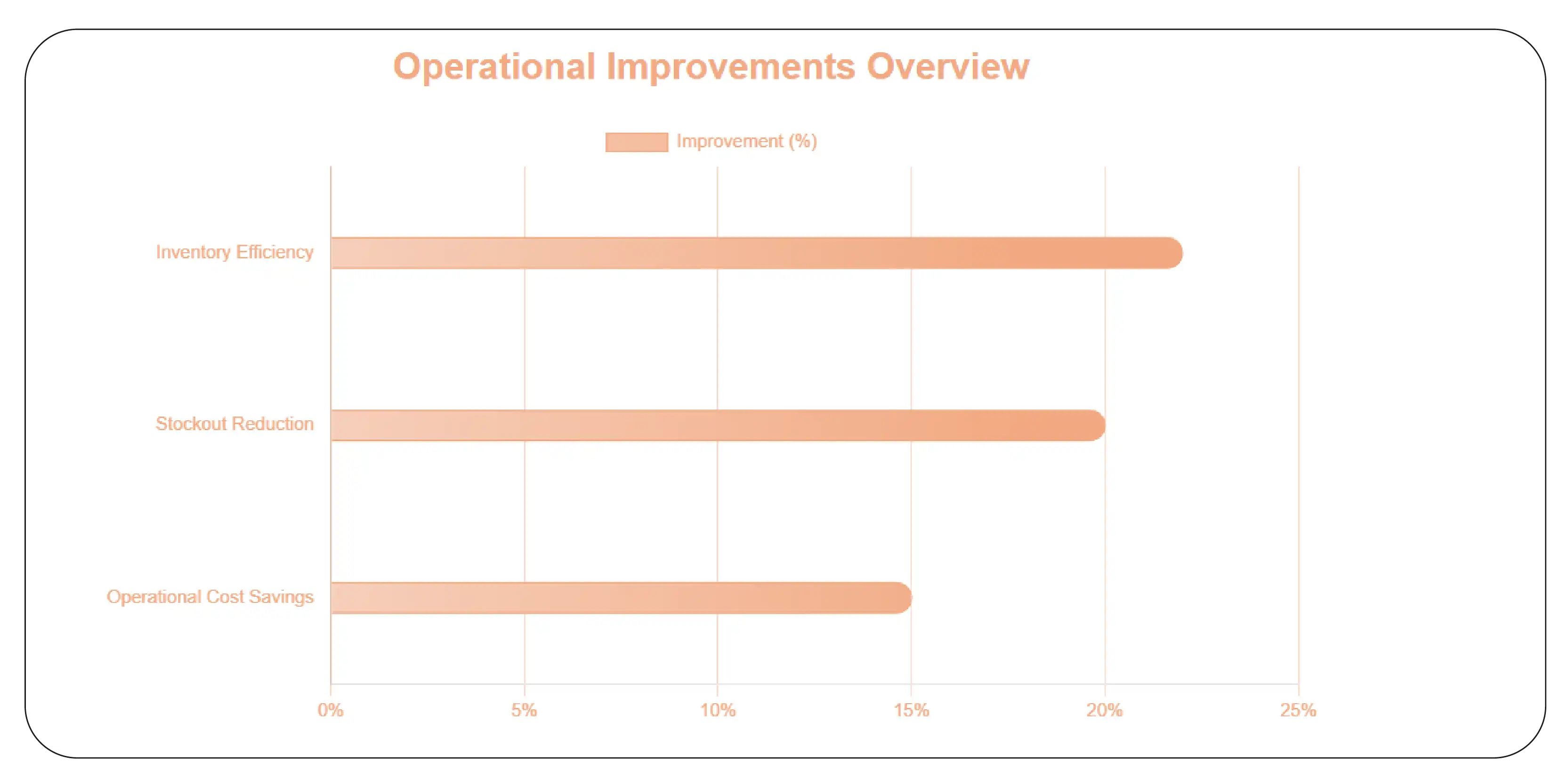
Managing inventory shortages effectively is crucial for minimizing lost sales. Using Inventory Shortage Monitoring Data Quick Commerce, businesses can identify gaps in stock levels and take corrective actions promptly.
From 2020 to 2026, the adoption of shortage monitoring systems increased by 30%, leading to improved inventory management and reduced stockouts. These systems provide real-time insights into stock levels and highlight critical shortages.
| Metric |
Improvement |
| Inventory Efficiency |
+22% |
| Stockout Reduction |
+20% |
| Operational Cost Savings |
+15% |
By addressing shortages proactively, retailers can maintain optimal stock levels and improve overall business performance.
Leveraging Advanced Analytics for Stock Status
Advanced analytics play a key role in understanding stock status across platforms. With Q-Commerce Stock Status Analytics Data, businesses can gain deeper insights into inventory performance and optimize their strategies.
Between 2020 and 2026, the use of analytics-driven solutions increased by 38%, enabling retailers to make more informed decisions. These systems provide detailed reports on stock availability, trends, and performance metrics.
| Feature |
Benefit |
| Data visualization |
Easy interpretation |
| Predictive analytics |
Future trend forecasting |
| Real-time updates |
Immediate insights |
| Scalability |
Handles large datasets |
By leveraging analytics, retailers can improve decision-making, enhance efficiency, and maintain a competitive edge in the market.
Why Choose Product Data Scrape?
Product Data Scrape offers advanced solutions for Real-time stock signal monitoring supply chain, Q-Commerce Out-of-Stock Data Scraping, enabling businesses to track inventory availability with precision. The platform provides scalable and reliable data extraction, ensuring real-time updates and accurate insights.
With robust infrastructure and seamless integration capabilities, Product Data Scrape helps retailers automate data collection, reduce manual effort, and improve operational efficiency. Businesses can gain actionable insights into stock availability, optimize supply chain processes, and enhance customer satisfaction. This makes it an ideal choice for companies looking to stay competitive in the fast-paced quick commerce environment.
Conclusion
In the dynamic world of quick commerce, maintaining product availability is essential for success. By leveraging advanced data extraction technologies, businesses can utilize eCommerce Dataset, Q-Commerce Out-of-Stock Data Scraping to gain real-time insights into stock levels and demand patterns.
From detecting stockouts to optimizing supply chain operations, the benefits of data-driven strategies are significant. Retailers that adopt these solutions can reduce lost sales, improve customer satisfaction, and achieve sustainable growth.
Start leveraging Product Data Scrape today to harness the power of Q-Commerce Out-of-Stock Data Scraping and transform your inventory management strategy!
FAQs
1. What is Q-Commerce Out-of-Stock Data Scraping?
It is a process of collecting real-time data on product availability across quick commerce platforms to identify stockouts and improve inventory management.
2. How does stockout data help retailers?
Stockout data helps retailers reduce lost sales, optimize inventory, and improve supply chain efficiency by providing real-time insights into product availability.
3. Is web scraping reliable for inventory tracking?
Yes, when implemented with proper tools, web scraping provides accurate and real-time data for monitoring stock levels across multiple platforms.
4. Can small businesses use these solutions?
Yes, solutions like Product Data Scrape are scalable and can be customized to meet the needs of businesses of all sizes.
5. What industries benefit from stockout data scraping?
Industries like grocery, FMCG, and eCommerce benefit significantly by improving inventory management and enhancing customer satisfaction.



 Singapore
 EMAIL
EMAIL
 PHONE
PHONE


.webp "thumb")
.webp "thumb")








.webp)