Introduction
The Southeast Asian ecommerce market has witnessed significant growth over the past decade, with Lazada emerging as one of the most influential online marketplaces in Thailand and Malaysia. Businesses, brands, and market researchers increasingly rely on Lazada Thailand & Malaysia Ecommerce Product Data Scraping to collect actionable insights from thousands of product listings, seller profiles, pricing trends, and customer reviews. Accurate ecommerce intelligence helps companies understand changing consumer demands, optimize pricing strategies, monitor competitors, and improve product positioning across multiple categories.
Modern enterprises also use automated solutions to Extract Lazada E-Commerce Product Data for inventory management, competitor benchmarking, and market expansion planning. As ecommerce competition intensifies, companies face major challenges in tracking dynamic product prices, monitoring stock availability, identifying top-performing sellers, and analyzing category-level trends. Reliable data extraction solutions simplify the process by transforming unstructured marketplace information into structured datasets that support faster and smarter business decisions.
This research report explores the role of advanced ecommerce data extraction technologies in solving seller and product tracking issues across Lazada Thailand and Malaysia while highlighting key trends, statistical insights, and strategic opportunities for ecommerce businesses between 2020 and 2026.
Understanding Marketplace Visibility Challenges
Businesses operating in competitive ecommerce ecosystems often struggle to maintain visibility into constantly changing product catalogs and seller activities. Companies increasingly rely on Monitor Lazada product catalog data solutions to analyze product availability, stock fluctuations, seller activity, and category expansion trends. With thousands of products added daily across electronics, fashion, beauty, and household categories, automated monitoring tools become essential for maintaining updated datasets.
Organizations are also adopting Web Scraping API Services to automate data collection processes and improve operational efficiency. APIs allow seamless extraction of product names, descriptions, seller ratings, pricing details, customer reviews, and inventory updates in real time. These insights enable businesses to improve forecasting accuracy and market responsiveness.
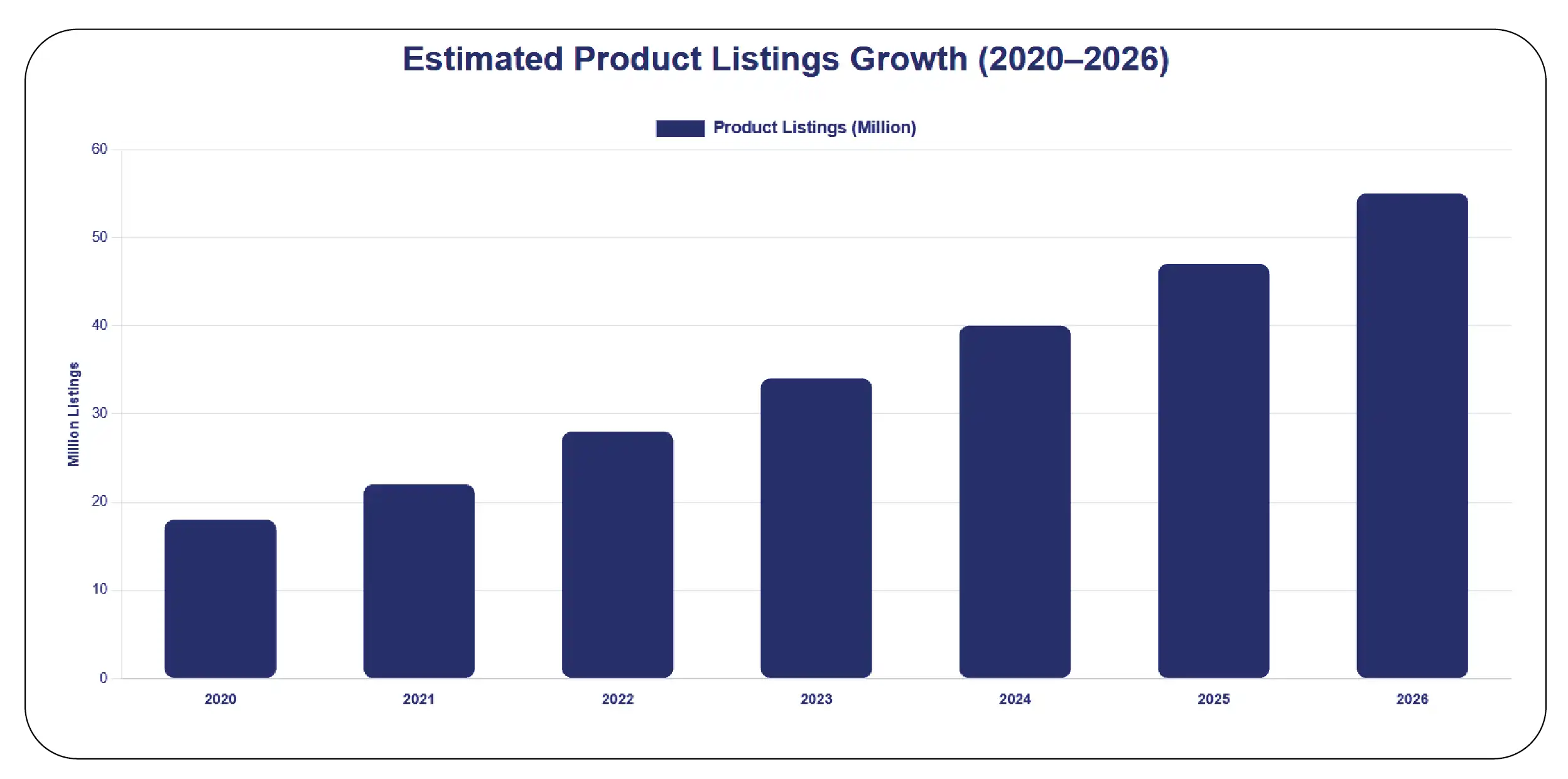
Between 2020 and 2026, ecommerce product listings on Lazada Thailand and Malaysia are projected to increase rapidly due to growing digital adoption and mobile commerce penetration. Retailers using automated tracking systems can reduce manual monitoring costs and gain faster access to structured market intelligence.
| Year |
Estimated Product Listings (Million) |
Seller Growth (%) |
Ecommerce Data Usage (%) |
| 2020 |
18 |
12% |
35% |
| 2021 |
22 |
15% |
41% |
| 2022 |
28 |
18% |
48% |
| 2023 |
34 |
22% |
55% |
| 2024 |
40 |
26% |
63% |
| 2025 |
47 |
30% |
71% |
| 2026 |
55 |
35% |
79% |
The increasing scale of ecommerce operations highlights the importance of scalable tracking systems for maintaining competitive advantage and operational efficiency in dynamic online marketplaces.
Improving Product Discovery Across Categories
Product discovery plays a critical role in ecommerce success, especially for brands attempting to improve visibility within competitive categories. Businesses increasingly use solutions to Extract product listings from Lazada Thailand to monitor category trends, identify new product launches, and analyze seller positioning strategies. Automated extraction enables companies to build comprehensive product databases for strategic decision-making.
Tracking product listing performance provides valuable insights into customer demand patterns, seasonal trends, and category-level competition. Businesses can analyze product titles, descriptions, ratings, reviews, and seller details to improve marketing campaigns and product positioning strategies. This process also supports inventory planning and promotional optimization.
Between 2020 and 2026, Thailand’s ecommerce market is expected to experience rapid category diversification driven by increasing consumer demand for electronics, personal care, and home improvement products. Data-driven businesses can leverage marketplace intelligence to identify profitable product opportunities and emerging customer preferences.
| Year |
Active Sellers (Million) |
Product Categories |
Consumer Engagement (%) |
| 2020 |
0.9 |
1,200 |
45% |
| 2021 |
1.1 |
1,450 |
50% |
| 2022 |
1.4 |
1,700 |
56% |
| 2023 |
1.8 |
2,000 |
62% |
| 2024 |
2.2 |
2,350 |
69% |
| 2025 |
2.7 |
2,700 |
74% |
| 2026 |
3.1 |
3,100 |
80% |
Advanced marketplace monitoring solutions help organizations identify gaps in product offerings, monitor category performance, and strengthen their competitive positioning in rapidly evolving ecommerce ecosystems.
Enhancing Dynamic Pricing Strategies
Dynamic pricing has become an essential strategy for ecommerce sellers aiming to maximize profitability while remaining competitive in crowded marketplaces. Businesses increasingly rely on tools to Track real-time product prices on Lazada to monitor competitor pricing changes, discount campaigns, and seasonal promotions. Accurate pricing intelligence enables companies to react quickly to market fluctuations and optimize revenue generation.
Modern enterprises also integrate Pricing Intelligence Services into their ecommerce operations to automate price monitoring and competitor benchmarking. These services provide real-time visibility into pricing trends, helping businesses implement data-driven pricing strategies that improve customer acquisition and retention rates.
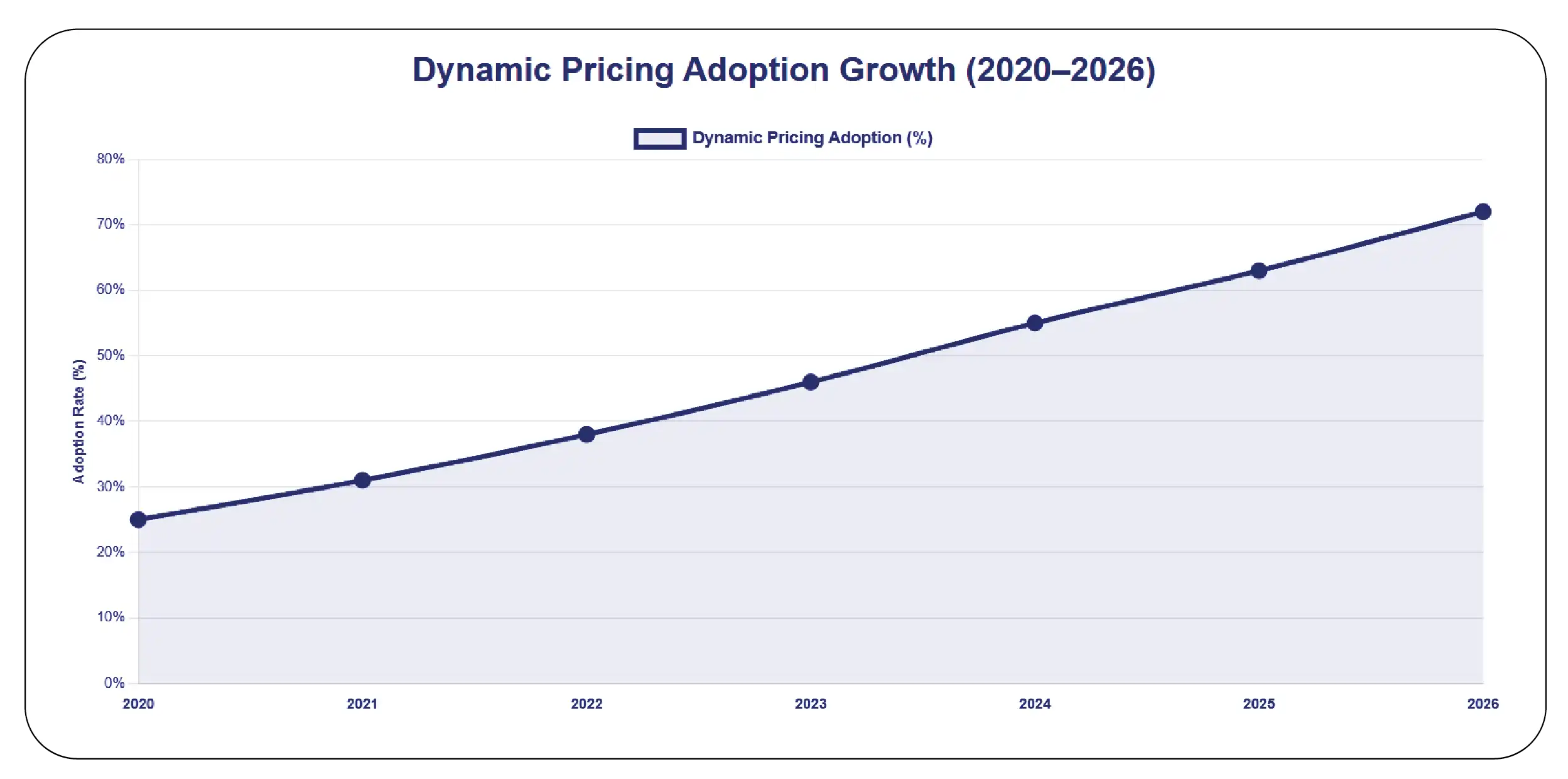
The growing adoption of dynamic pricing technologies across Southeast Asia highlights the importance of continuous market monitoring. From 2020 to 2026, ecommerce businesses are expected to increase investments in automated pricing analytics to improve operational agility and competitive responsiveness.
| Year |
Average Price Monitoring Frequency |
Discount Campaign Growth (%) |
Dynamic Pricing Adoption (%) |
| 2020 |
2 Times Daily |
18% |
25% |
| 2021 |
3 Times Daily |
22% |
31% |
| 2022 |
4 Times Daily |
28% |
38% |
| 2023 |
5 Times Daily |
34% |
46% |
| 2024 |
6 Times Daily |
40% |
55% |
| 2025 |
7 Times Daily |
47% |
63% |
| 2026 |
8 Times Daily |
54% |
72% |
Real-time pricing intelligence improves strategic planning, supports promotional optimization, and helps businesses maintain competitive positioning in highly dynamic ecommerce marketplaces.
Strengthening Competitive Performance Analysis
Competitive benchmarking is critical for businesses seeking long-term growth in Southeast Asian ecommerce markets. Companies increasingly use solutions to Benchmark product rankings on Lazada to evaluate seller performance, monitor keyword visibility, and assess category leadership trends. Accurate ranking insights help businesses identify top-performing products and optimize marketplace strategies.
Product ranking analysis provides valuable information about customer engagement, product popularity, and promotional effectiveness. Ecommerce brands can monitor ranking fluctuations to identify seasonal demand patterns, optimize advertising campaigns, and improve product discoverability across multiple categories.
From 2020 to 2026, increased marketplace competition is expected to drive greater adoption of ranking intelligence tools. Businesses investing in automated tracking technologies gain a significant advantage by identifying market opportunities faster and responding proactively to competitive challenges.
| Year |
Average Ranking Changes per Week |
Sponsored Product Growth (%) |
Ranking Analytics Adoption (%) |
| 2020 |
12 |
14% |
30% |
| 2021 |
15 |
19% |
37% |
| 2022 |
19 |
24% |
45% |
| 2023 |
23 |
31% |
52% |
| 2024 |
28 |
38% |
60% |
| 2025 |
33 |
44% |
69% |
| 2026 |
39 |
51% |
77% |
Data-driven ranking analysis helps organizations improve product visibility, enhance customer engagement, and strengthen marketplace competitiveness through continuous performance monitoring.
Expanding Business Intelligence Capabilities
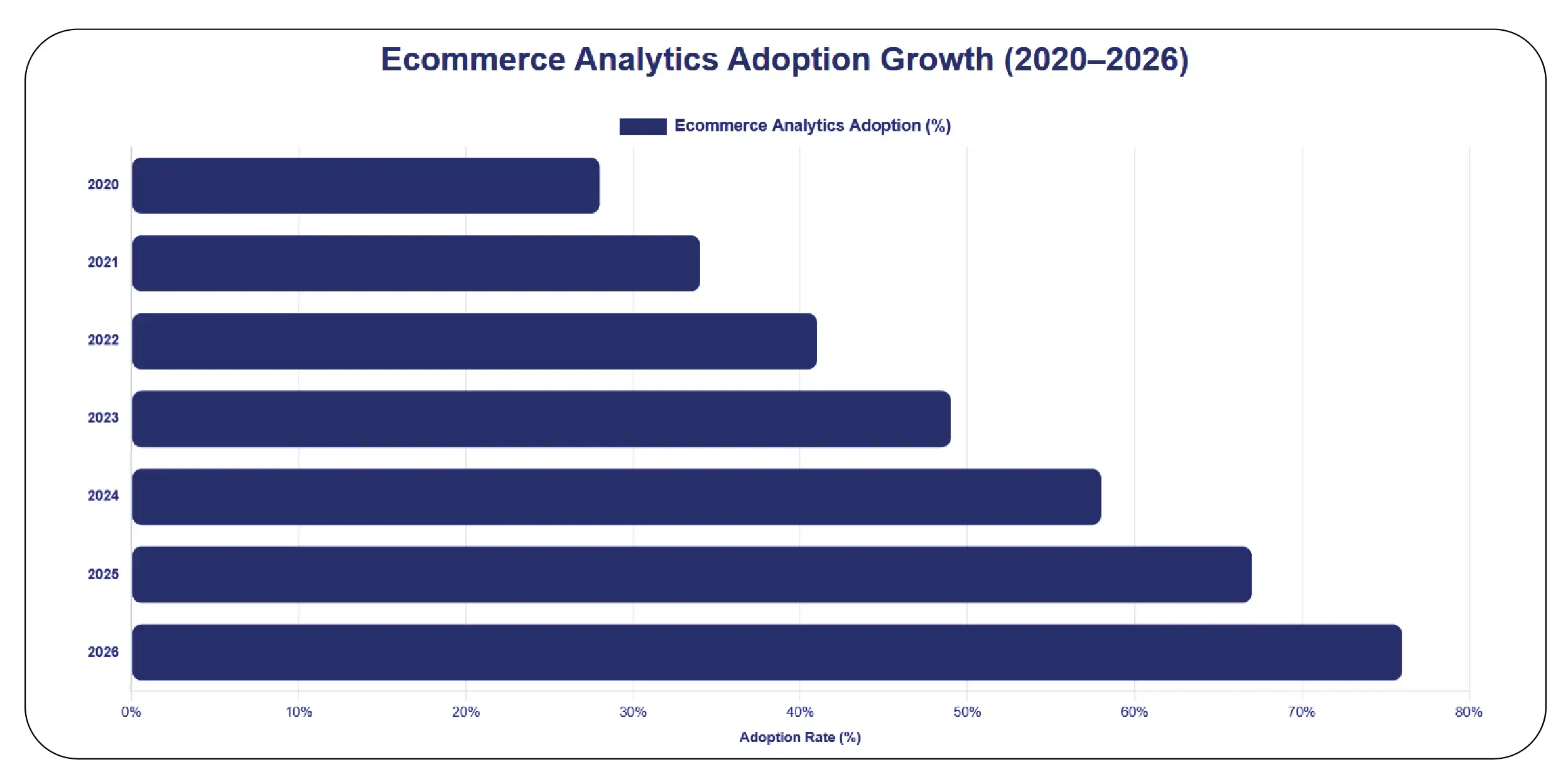
The growing complexity of ecommerce ecosystems has increased the demand for advanced marketplace intelligence solutions. Organizations increasingly rely on Lazada Marketplace Intelligence Data to evaluate consumer behavior, monitor competitor activity, and analyze regional demand trends across Thailand and Malaysia. Structured intelligence datasets help businesses improve strategic planning and operational efficiency.
Businesses also utilize advanced Pricing Intelligence tools to understand market dynamics, optimize pricing models, and evaluate competitor discounting strategies. These insights support demand forecasting, inventory management, and customer acquisition planning.
Between 2020 and 2026, the ecommerce analytics industry is expected to expand significantly due to rising digital commerce adoption and increased reliance on AI-powered data analytics. Companies leveraging marketplace intelligence technologies gain deeper visibility into changing consumer behaviors and evolving competitive landscapes.
| Year |
Ecommerce Analytics Adoption (%) |
AI-Based Pricing Usage (%) |
Marketplace Intelligence Demand (%) |
| 2020 |
28% |
16% |
34% |
| 2021 |
34% |
21% |
40% |
| 2022 |
41% |
27% |
48% |
| 2023 |
49% |
35% |
57% |
| 2024 |
58% |
44% |
66% |
| 2025 |
67% |
52% |
74% |
| 2026 |
76% |
61% |
82% |
Intelligence-driven ecommerce strategies enable businesses to identify emerging opportunities, improve operational efficiency, and maintain stronger competitive positioning in rapidly evolving digital marketplaces.
Optimizing Regional Pricing Insights
Regional pricing analysis plays an important role in helping ecommerce businesses understand market-specific consumer behavior and competitive dynamics. Organizations increasingly depend on Lazada Thailand & Malaysia Product pricing analytics to compare regional pricing patterns, evaluate promotional effectiveness, and monitor cross-border ecommerce trends.
Advanced pricing analytics solutions help companies identify regional demand fluctuations, optimize localized marketing campaigns, and improve pricing consistency across multiple marketplaces. Businesses can also analyze category-specific pricing variations to strengthen product positioning and maximize profitability.
The increasing integration of AI-driven analytics technologies is expected to transform ecommerce pricing strategies between 2020 and 2026. Businesses investing in predictive pricing models and automated analytics platforms can improve market responsiveness and customer engagement.
| Year |
Regional Pricing Accuracy (%) |
Cross-Border Sales Growth (%) |
AI Pricing Analytics Adoption (%) |
| 2020 |
62% |
15% |
18% |
| 2021 |
67% |
19% |
24% |
| 2022 |
72% |
24% |
31% |
| 2023 |
77% |
30% |
39% |
| 2024 |
82% |
37% |
48% |
| 2025 |
87% |
45% |
57% |
| 2026 |
92% |
53% |
66% |
Comprehensive pricing analytics solutions provide businesses with actionable insights that improve strategic planning, support market expansion initiatives, and enhance customer-centric pricing strategies.
Why Choose Product Data Scrape?
Product Data Scrape delivers reliable and scalable ecommerce intelligence solutions tailored to the evolving needs of online businesses. Companies seeking accurate marketplace insights benefit from comprehensive Lazada E-commerce Product Dataset solutions that support competitor analysis, inventory optimization, and pricing intelligence strategies.
Our advanced Lazada Thailand & Malaysia Ecommerce Product Data Scraping capabilities help businesses automate large-scale data extraction while ensuring data accuracy, consistency, and scalability. We provide structured datasets covering product listings, seller profiles, pricing updates, customer reviews, rankings, and category trends across multiple ecommerce segments.
Businesses partnering with Product Data Scrape gain access to customized analytics solutions, real-time monitoring systems, and scalable data delivery models designed to support strategic growth initiatives. Our expertise in ecommerce intelligence enables organizations to improve decision-making, enhance operational efficiency, and stay ahead of rapidly changing marketplace trends.
Conclusion
The rapid expansion of Southeast Asian ecommerce marketplaces has increased the importance of automated product and seller intelligence solutions. Businesses leveraging Lazada Thailand/Malaysia Product Data Scraping API technologies can improve market visibility, strengthen pricing strategies, monitor competitor activities, and optimize operational efficiency with real-time insights.
As competition intensifies across digital marketplaces, Lazada Thailand & Malaysia Ecommerce Product Data Scraping solutions will continue to play a vital role in helping businesses adapt to changing consumer demands and evolving market conditions. Accurate ecommerce intelligence empowers organizations to make data-driven decisions, improve customer engagement, and maximize long-term profitability.
Contact Product Data Scrape today to unlock customized ecommerce intelligence solutions and transform your marketplace strategy with real-time data insights!



 Singapore
 EMAIL
EMAIL
 PHONE
PHONE












.webp)