Introduction
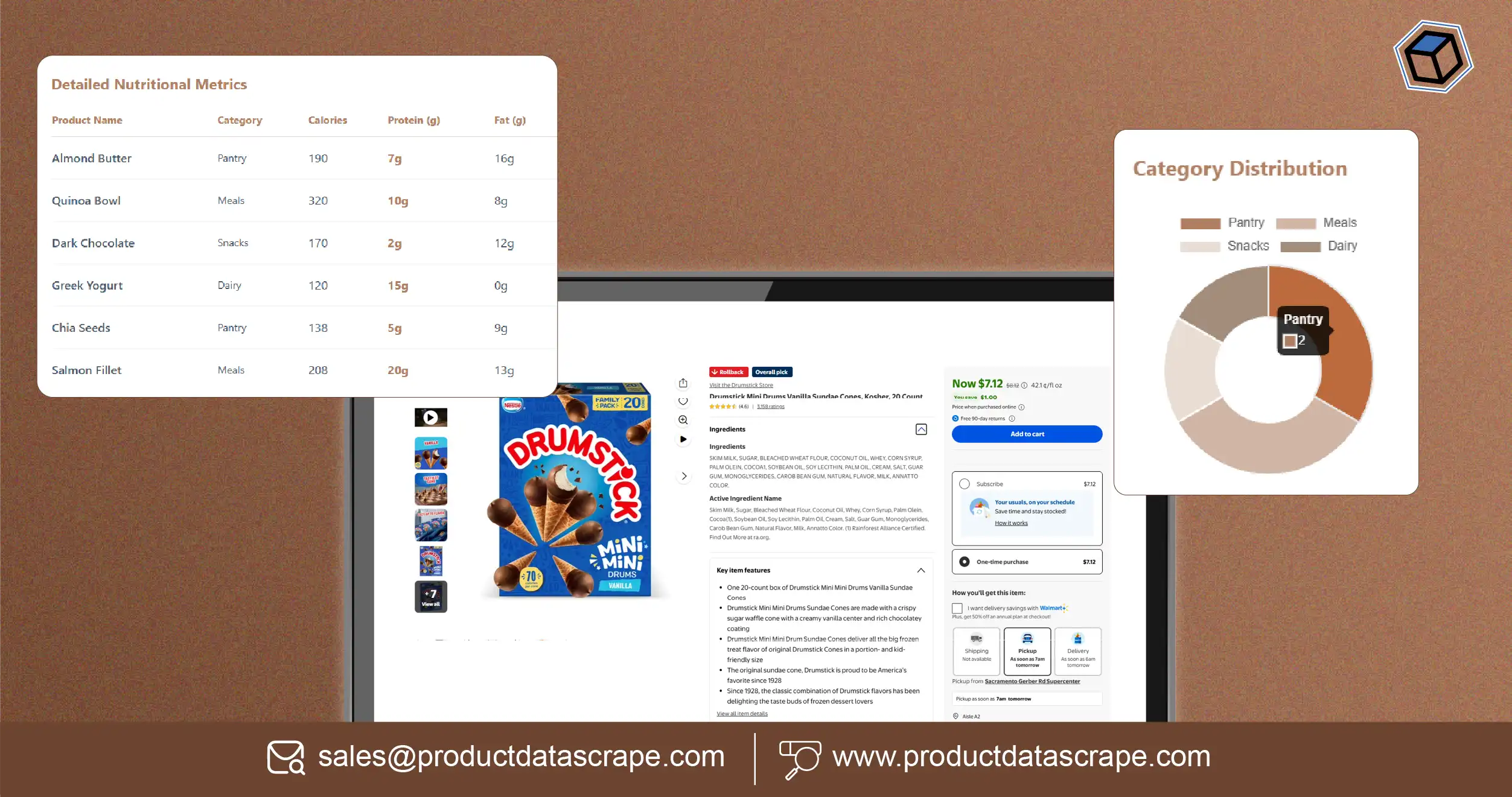
In today's highly competitive digital commerce landscape, accurate and enriched product information plays a crucial role in influencing purchase decisions. Consumers increasingly rely on detailed product descriptions, ingredient transparency, nutritional information, and high-quality visuals before making a purchase. This shift has made Building a Rich Product Catalog with Images, Ingredients and Nutrition Facts a strategic necessity for retailers, brands, and marketplaces seeking to improve customer engagement and increase conversions.
A well-structured product catalog not only enhances discoverability but also builds trust among shoppers by providing comprehensive information. Businesses that leverage
Marketplace & Seller Intelligence gain deeper visibility into competitor assortments, product positioning, pricing strategies, and customer preferences. As online grocery, health, wellness, and retail sectors continue expanding, enriched product data has become a key differentiator.
According to industry reports, nearly 87% of online shoppers consider detailed product content essential to their buying decisions, while retailers with enriched product information experience significantly lower return rates and higher customer satisfaction scores. By combining images, ingredients, nutrition facts, and structured attributes, businesses can create superior shopping experiences that drive long-term growth and customer loyalty.
Creating Data Assets That Drive Better Buying Decisions
Retailers often struggle with fragmented and inconsistent product information spread across multiple sources. The ability to Extract product images descriptions and nutrition Data helps businesses standardize product records and improve customer experiences across digital channels. Rich product content enables shoppers to compare products effectively, understand nutritional benefits, and make informed purchasing decisions.
When organizations can Turn messy catalogs into conversion-ready data, they significantly improve search visibility and product discoverability. Structured catalogs also support recommendation engines, personalized marketing campaigns, and inventory optimization strategies.
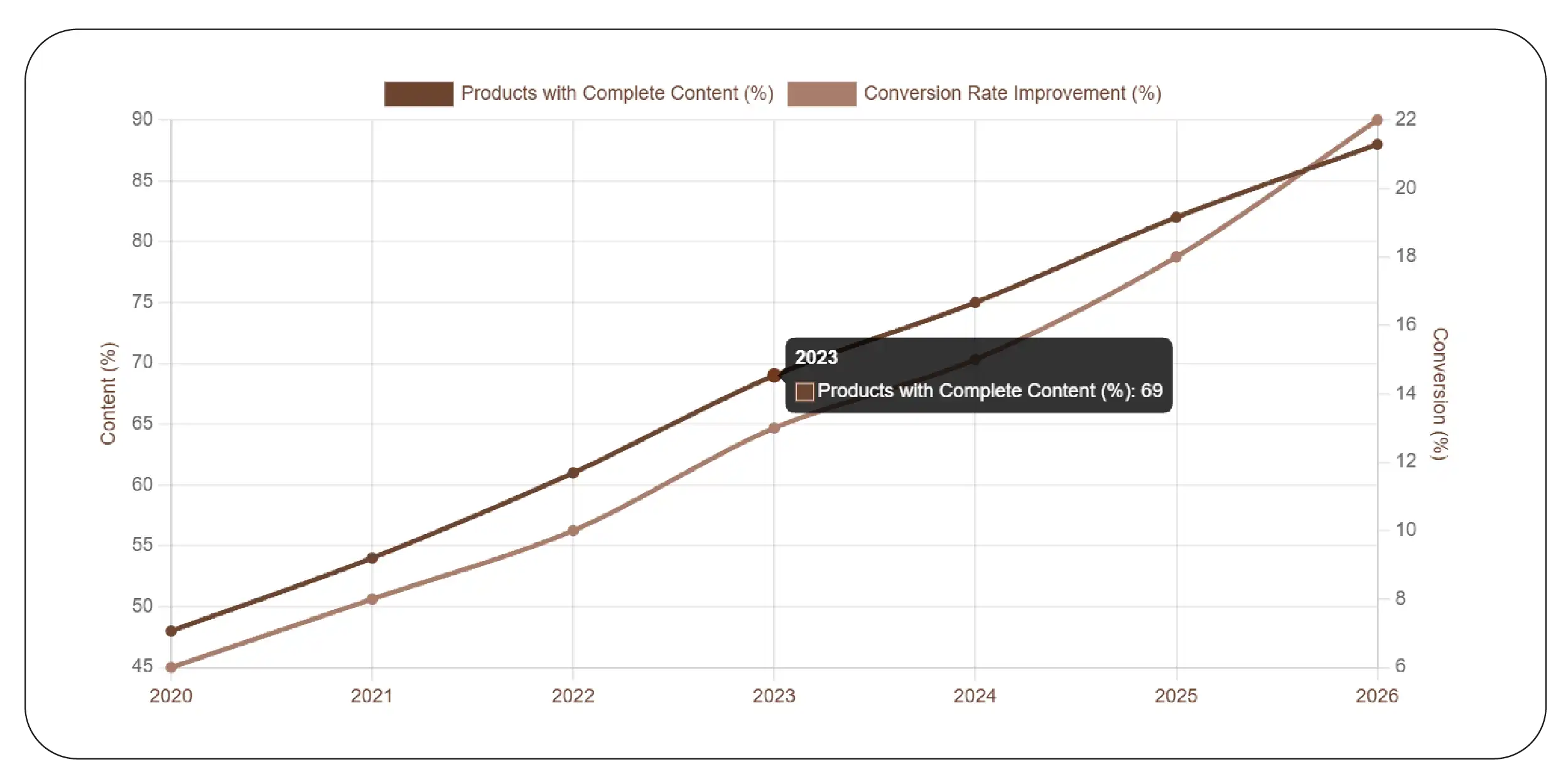
Product Content Quality Impact (2020–2026)
| Year |
Products with Complete Content (%) |
Conversion Rate Improvement (%) |
| 2020 |
48 |
6 |
| 2021 |
54 |
8 |
| 2022 |
61 |
10 |
| 2023 |
69 |
13 |
| 2024 |
75 |
15 |
| 2025 |
82 |
18 |
| 2026 |
88 |
22 |
As catalogs become more comprehensive, businesses gain higher visibility in search results, increased engagement, and improved customer confidence. Rich product data transforms static listings into informative product experiences that influence purchasing behavior throughout the customer journey.
Improving Transparency Through Ingredient Visibility
Modern consumers are increasingly health-conscious and demand transparency regarding product ingredients and nutritional composition. Businesses that Scrape ingredient and nutrition data from retailer websites can efficiently collect and standardize valuable product attributes at scale.
Ingredient transparency has become especially important for shoppers managing allergies, dietary restrictions, and lifestyle preferences. Accurate ingredient and nutrition information helps customers compare products quickly while improving trust in retailer platforms.
Consumer Demand for Ingredient Transparency (2020–2026)
| Year |
Consumers Checking Ingredients (%) |
Consumers Checking Nutrition Facts (%) |
| 2020 |
52 |
48 |
| 2021 |
56 |
53 |
| 2022 |
61 |
58 |
| 2023 |
67 |
64 |
| 2024 |
72 |
69 |
| 2025 |
77 |
74 |
| 2026 |
83 |
80 |
Enhanced ingredient visibility also supports regulatory compliance and helps brands communicate product benefits effectively. As consumer awareness grows, detailed nutritional information becomes an essential component of digital product experiences. Retailers that provide this transparency often see stronger customer retention and increased repeat purchases.
Strengthening Competitive Positioning Through Data Intelligence
Retail success increasingly depends on understanding market dynamics and competitor offerings. Building a product intelligence database with food label information enables organizations to monitor assortment changes, compare nutritional claims, and identify emerging opportunities.
Businesses that leverage enriched product intelligence can Win the digital shelf across every retailer by optimizing listings, improving search rankings, and enhancing product visibility. A centralized database provides valuable insights into product trends, category performance, and consumer preferences.
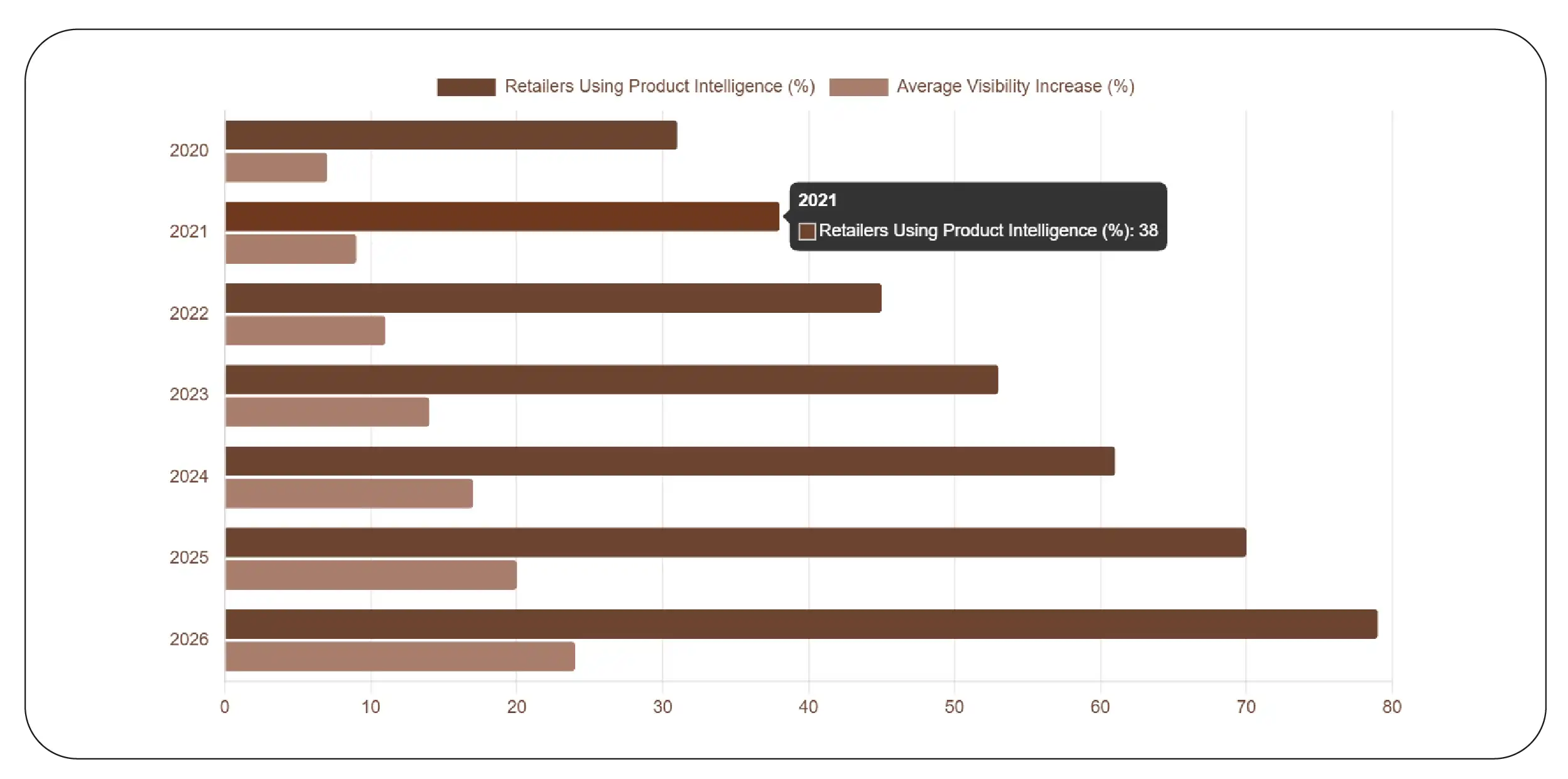
Digital Shelf Optimization Benefits (2020–2026)
| Year |
Retailers Using Product Intelligence (%) |
Average Visibility Increase (%) |
| 2020 |
31 |
7 |
| 2021 |
38 |
9 |
| 2022 |
45 |
11 |
| 2023 |
53 |
14 |
| 2024 |
61 |
17 |
| 2025 |
70 |
20 |
| 2026 |
79 |
24 |
Organizations that invest in product intelligence gain a measurable advantage in category management, pricing analysis, promotional planning, and assortment optimization. These capabilities contribute directly to stronger competitive positioning and revenue growth.
Unlocking Opportunities in Regional Markets
National retailers often receive significant attention, but regional chains represent substantial growth opportunities. Implementing Product Catalog Intelligence for Regional Retail Chains helps businesses gain visibility into localized assortments, pricing structures, and consumer preferences.
Regional retailers frequently stock unique products tailored to local demographics and cultural preferences. Understanding these variations allows manufacturers and suppliers to optimize distribution strategies while identifying untapped market opportunities.
Regional Retail Digital Adoption (2020–2026)
| Year |
Regional Chains with Digital Catalogs (%) |
Enriched Product Listings (%) |
| 2020 |
36 |
29 |
| 2021 |
42 |
35 |
| 2022 |
50 |
43 |
| 2023 |
58 |
51 |
| 2024 |
66 |
59 |
| 2025 |
74 |
68 |
| 2026 |
82 |
76 |
Comprehensive catalog intelligence supports regional expansion initiatives, competitive benchmarking, and localized marketing campaigns. Businesses that understand regional market dynamics can better align products with consumer expectations and increase market penetration.
Enhancing Accuracy Through Advanced Attribute Collection
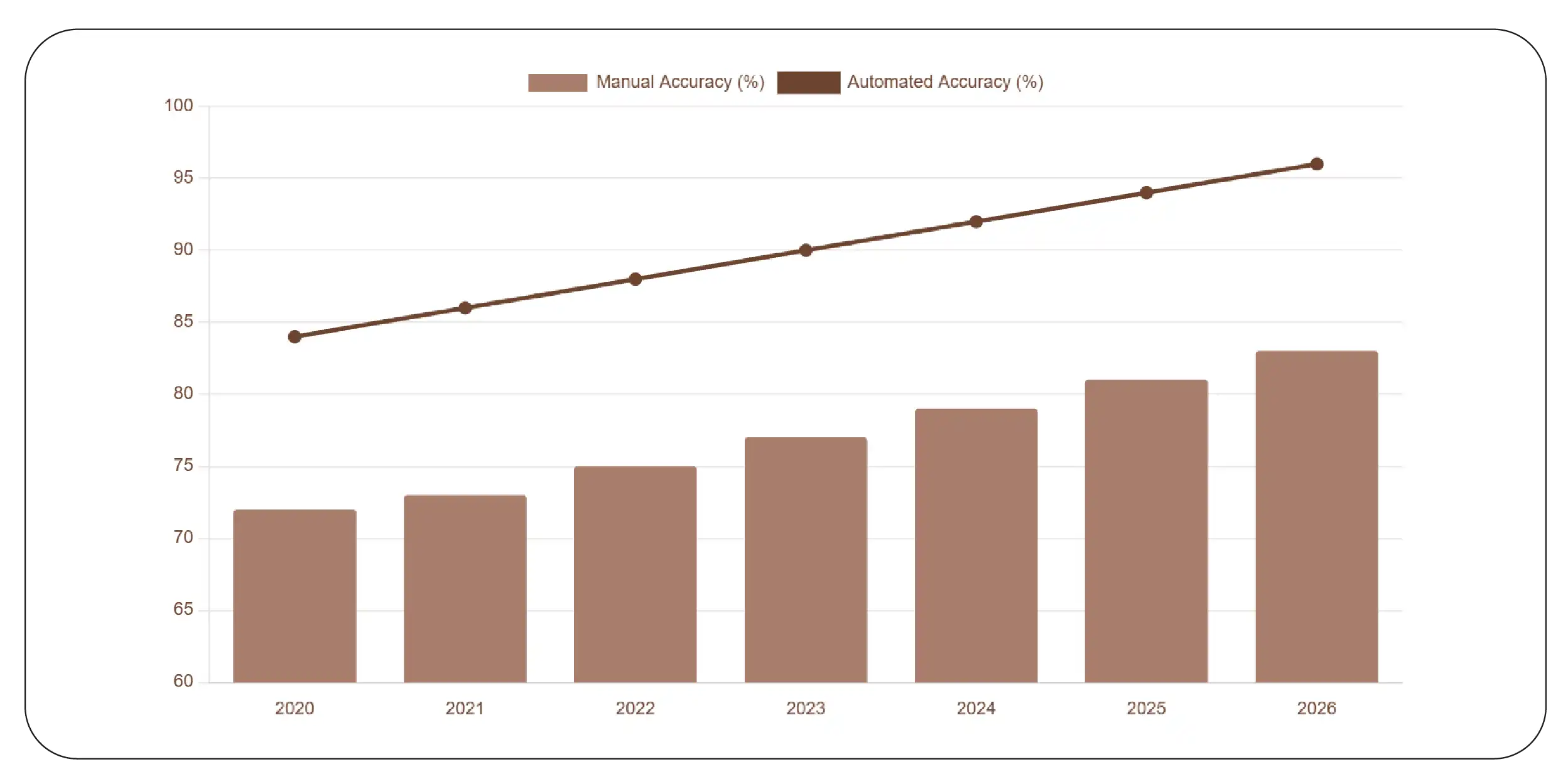
Accurate attribute extraction forms the foundation of reliable product catalogs. By leveraging Product Attribute Extraction from Nutrition and Drug Facts Panels, businesses can capture critical information directly from product packaging and labels.
Automated attribute extraction reduces manual effort while improving data consistency across large product assortments. Important fields such as serving sizes, calorie counts, active ingredients, allergens, and health claims can be standardized efficiently.
Product Attribute Accuracy Trends (2020–2026)
| Year |
Manual Accuracy (%) |
Automated Accuracy (%) |
| 2020 |
72 |
84 |
| 2021 |
73 |
86 |
| 2022 |
75 |
88 |
| 2023 |
77 |
90 |
| 2024 |
79 |
92 |
| 2025 |
81 |
94 |
| 2026 |
83 |
96 |
Improved attribute accuracy contributes to better search filtering, stronger customer trust, and enhanced compliance. Retailers benefit from reduced data errors while consumers enjoy a more reliable shopping experience.
Identifying Market Shifts Before Competitors
The ability to Spot trending products is increasingly valuable in rapidly evolving retail environments. Brands and retailers that monitor product data continuously can identify emerging consumer preferences before competitors react.
Organizations focused on Building a Rich Product Catalog with Images, Ingredients and Nutrition Facts gain access to detailed product-level insights that reveal category shifts, ingredient trends, health-conscious buying patterns, and new product launches.
Trending Product Discovery Growth (2020–2026)
| Year |
New Product Launches Indexed |
Trend Detection Accuracy (%) |
| 2020 |
100 |
63 |
| 2021 |
118 |
67 |
| 2022 |
136 |
71 |
| 2023 |
158 |
76 |
| 2024 |
184 |
81 |
| 2025 |
213 |
86 |
| 2026 |
247 |
91 |
Trend intelligence enables proactive merchandising, optimized inventory planning, and faster response to changing consumer demands. Businesses that identify trends early often capture larger market shares and improve long-term profitability.
Why Choose Product Data Scrape?
Organizations seeking reliable product intelligence require scalable and accurate data solutions. By combining Pricing intelligence with Building a Rich Product Catalog with Images, Ingredients and Nutrition Facts, businesses can gain comprehensive visibility into product performance, competitive positioning, and market trends.
Product Data Scrape delivers structured product information, nutrition details, ingredient data, pricing insights, and image assets that support decision-making across retail operations. Advanced data extraction methodologies ensure accuracy, consistency, and scalability, enabling retailers, brands, and marketplaces to optimize digital shelf strategies, improve customer experiences, and strengthen competitive advantages in rapidly evolving commerce environments.
Conclusion
As digital commerce continues evolving, enriched product information has become a critical driver of customer trust, product discovery, and business growth. Through Grocery data scraping, organizations can access comprehensive product information that supports informed decision-making and competitive advantage. Investing in Building a Rich Product Catalog with Images, Ingredients and Nutrition Facts enables businesses to improve transparency, enhance search visibility, and deliver superior shopping experiences.
Ready to transform your product intelligence strategy? Contact Product Data Scrape today to build scalable, accurate, and conversion-focused product catalogs that drive measurable retail success!
FAQs
1. Why are enriched product catalogs important for online retailers?
Rich product catalogs provide shoppers with detailed information, helping them compare products effectively, make informed decisions, improve trust, reduce returns, and increase overall conversion rates across digital commerce platforms.product listings from retail flyers. It helps brands analyze competitor pricing and promotional strategies across supermarkets.
2. How can nutrition and ingredient data improve customer experience?
Nutrition and ingredient information supports transparency, assists health-conscious shoppers, helps manage dietary restrictions, and enables customers to choose products confidently based on their specific needs and preferences.
3. What benefits does automated product attribute extraction provide?
Automated extraction improves data accuracy, reduces manual workload, standardizes information across catalogs, accelerates product onboarding, and enhances search, filtering, and recommendation capabilities for retailers.
4. How does product intelligence support competitive analysis?
Product intelligence enables businesses to monitor competitor assortments, identify emerging trends, evaluate pricing strategies, track new product launches, and optimize digital shelf performance for stronger market positioning.
5. How does Product Data Scrape help retailers manage large product catalogs?
Product Data Scrape provides scalable data extraction services that collect images, product descriptions, ingredient lists, nutrition facts, pricing information, and market insights, enabling efficient catalog management and optimization.



 Singapore
 EMAIL
EMAIL
 PHONE
PHONE












.webp)