Introduction
Quick commerce, often called "q-commerce," has significantly reshaped the global e-commerce landscape in recent years. This rapid shift towards ultra-fast delivery services has led to the development of an entirely new way of shopping, especially for daily essentials. Quick commerce platforms, such as BlinkIt, Instamart, and Zepto, have emerged as leaders in this sector by offering lightning-fast delivery of groceries and other items within an hour or less. As the industry expands across multiple countries, businesses, analysts, and developers are increasingly looking for efficient ways to Extract Quick Commerce Data Across Countries to gain valuable insights, track competitors, and improve customer experiences.
This article delves into the growing importance of quick commerce data scraping, exploring its benefits, challenges, and key applications across various international markets. By leveraging the ability to Scrape Global Quick Commerce Platform Data, businesses can optimize their strategies and gain a competitive edge in the fast-paced world of q-commerce.
What is Quick Commerce?
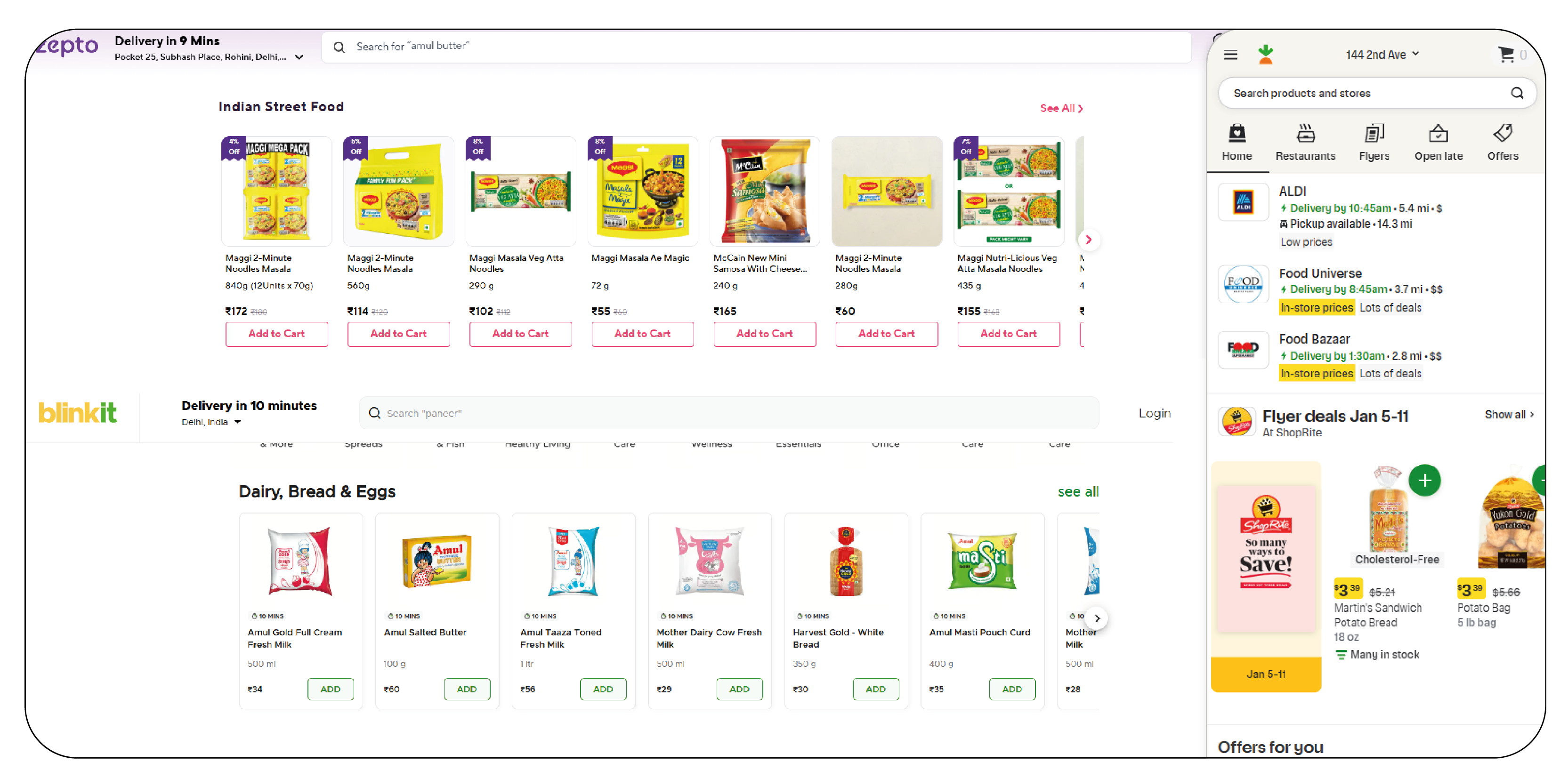
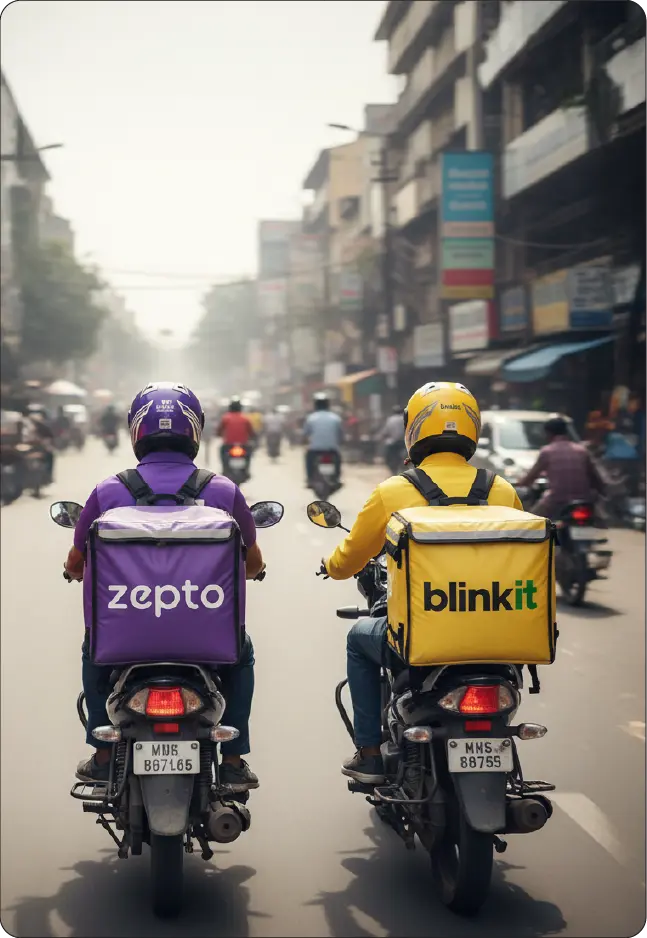
Quick commerce, or q-commerce, is an evolution of traditional e-commerce that emphasizes delivering goods at lightning speed—typically within an hour of ordering. Unlike conventional e-commerce, which may take several days for deliveries, q-commerce relies on hyper-localized warehouses and intelligent logistics to rapidly deliver products such as groceries, snacks, personal care items, and pet supplies.
The rapid growth of this sector has been fueled by consumer demand for convenience and speed, particularly in urban areas where busy lifestyles demand instant access to products. Major players like Instacart, BlinkIt, and Zepto have taken the lead worldwide, offering ultra-fast delivery services through mobile apps and websites.
Why Scrape Quick Commerce Data?
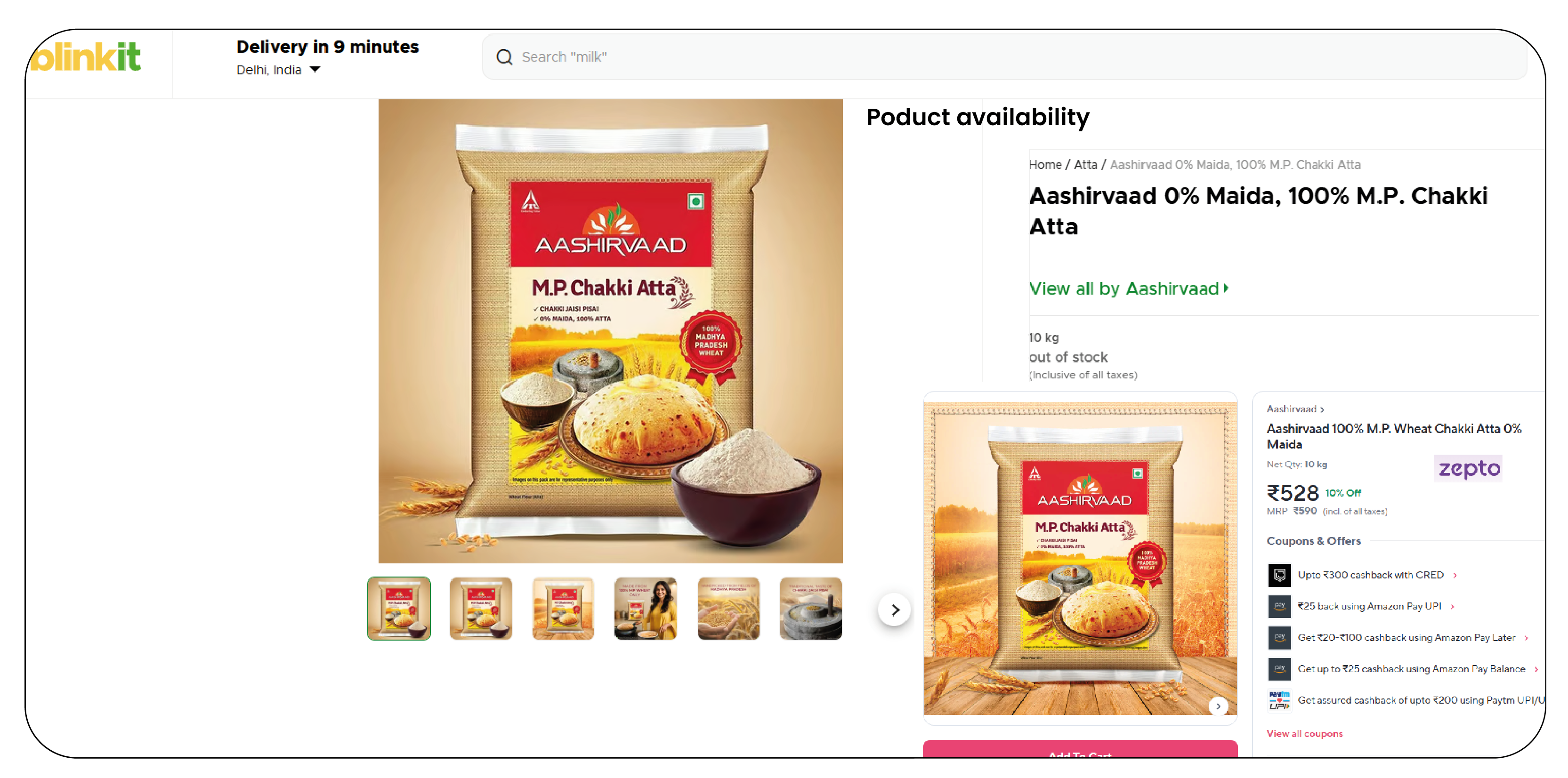
Scraping quick commerce data from various platforms across multiple countries provides critical insights that can influence business decisions, marketing strategies, and operational efficiency. Key reasons for scraping quick commerce data include:
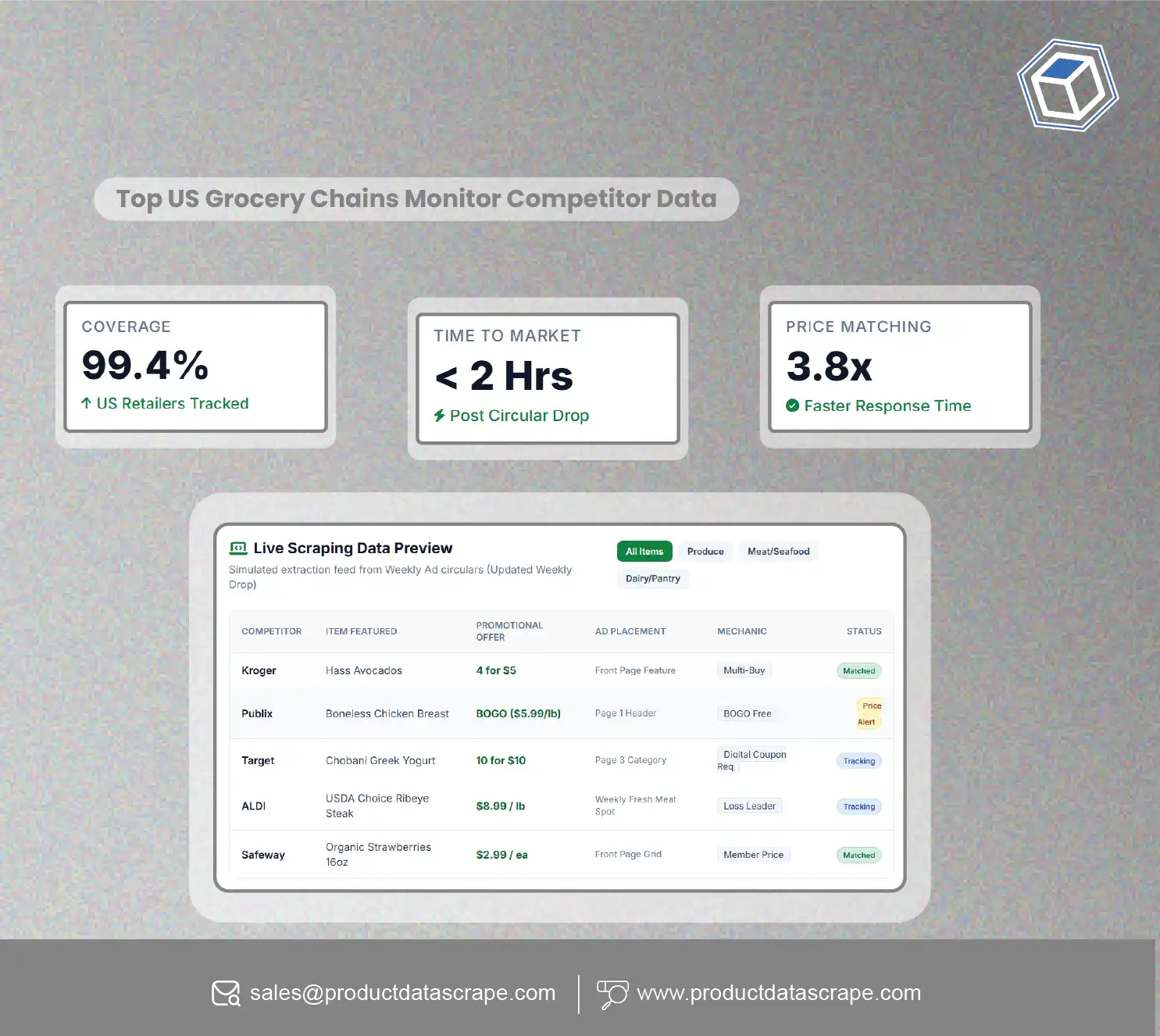
Competitive Analysis: In the rapidly growing world of quick commerce, staying ahead of competitors is vital. By scraping quick commerce data for international markets from different platforms, businesses can monitor competitor pricing, promotions, delivery times, and product offerings. This enables companies to identify gaps in the market, understand trends, and adjust their strategies accordingly.
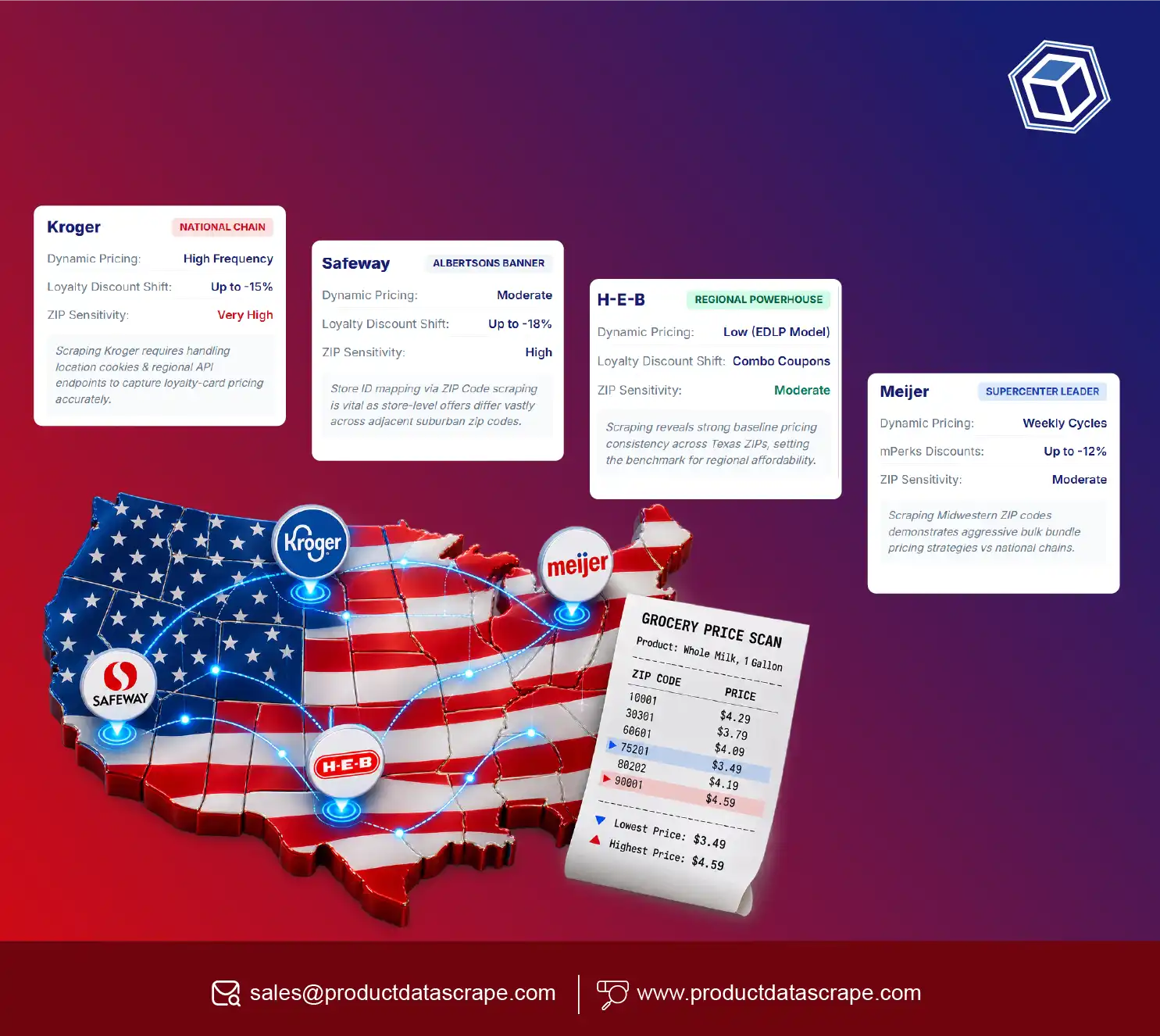
Market Expansion Insights: As companies seek to expand their operations into new regions or countries, scraping data can help identify which areas are best suited for quick commerce services. For example, analyzing customer demand patterns, delivery times, and popular products in specific locations can reveal opportunities for geographical expansion. With global quick commerce data extraction solutions, companies can decide where to focus their resources and efforts.
Consumer Behavior and Preferences: Data scraping provides a comprehensive view of consumer behavior, including which products are in high demand, peak shopping times, and customer preferences. This information can help quick commerce platforms better understand their target audience and tailor their product offerings and services accordingly. Extract grocery & gourmet food data from international platforms to reveal trends in food choices across different regions, allowing businesses to customize their offerings.
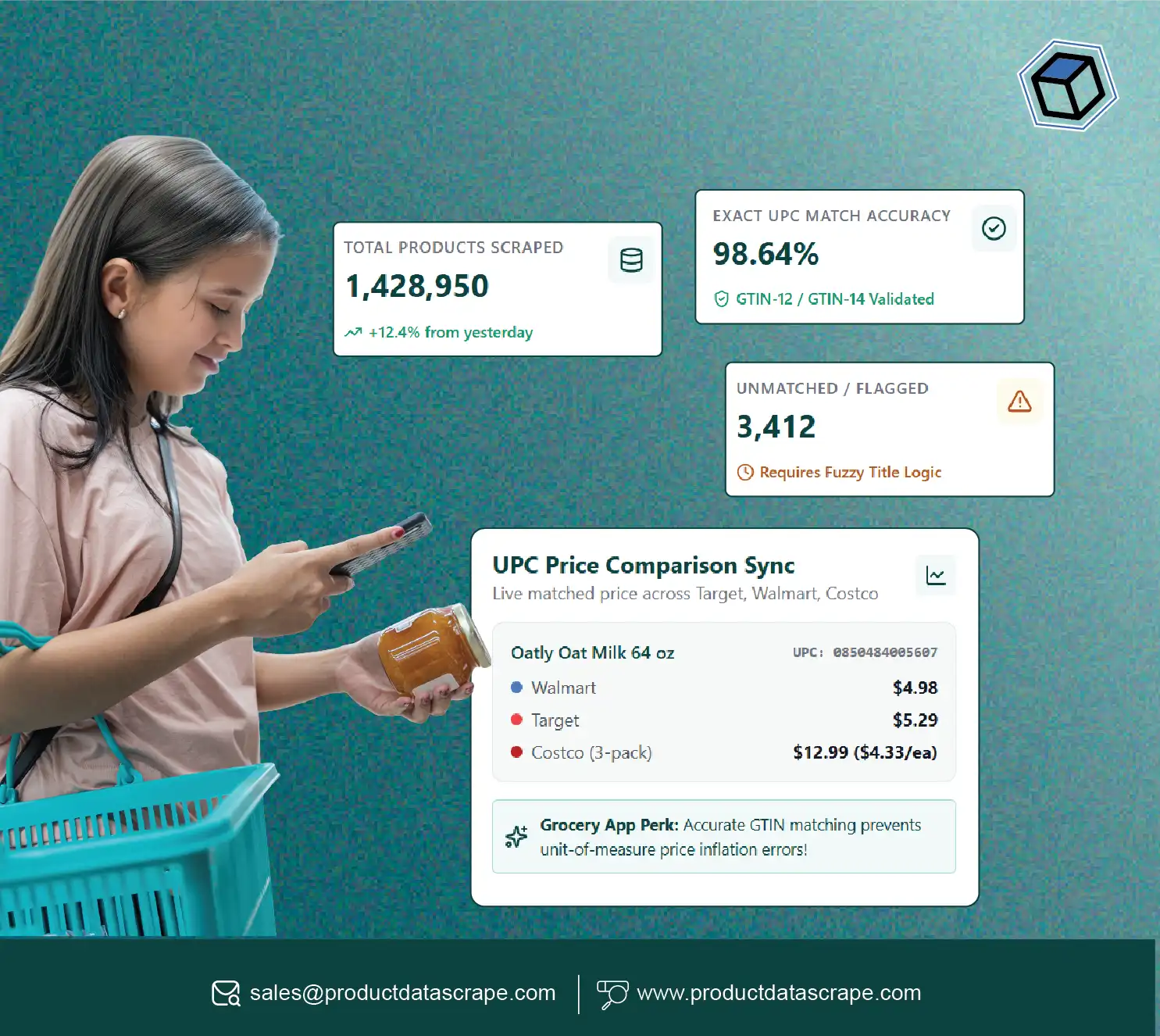
Optimizing Inventory Management: Quick commerce relies on efficient inventory management to ensure rapid deliveries. Web scraping grocery and gourmet food data helps businesses track stock levels, product availability, and regional demand. Scraping this data enables companies to forecast inventory needs, minimizing stockouts and overstock situations and ensuring that popular items are always available for quick delivery.
Price Monitoring: Price sensitivity is crucial in the quick commerce sector. Scraping quick commerce data for international markets allows businesses to monitor competitors’ real-time pricing strategies. By keeping track of price fluctuations, companies can adjust their own pricing models to stay competitive while maintaining profitability. This eCommerce dataset scraping ensures that businesses can always offer the best prices without compromising their margins.
Key Countries for Scraping Quick Commerce Data
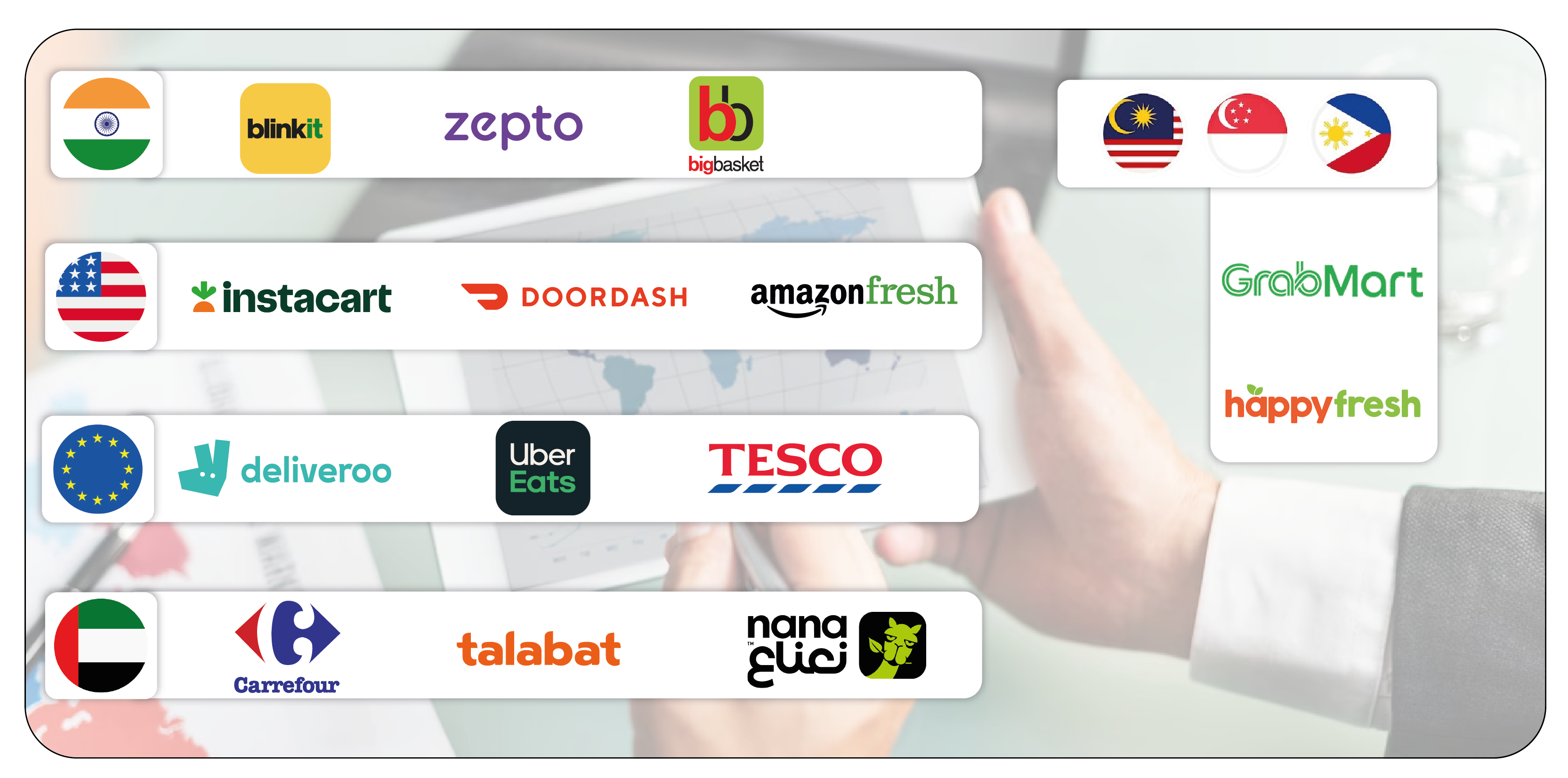
Quick commerce has become a global phenomenon, with major players expanding their reach into various countries. Each market presents unique characteristics, and understanding these differences is crucial for scraping relevant data. Here’s a look at some of the key countries where quick commerce is rapidly gaining traction:
India: India is home to some of the fastest-growing quick commerce platforms, including BlinkIt, Grofers, and Zepto. The country’s vast urban population and the demand for fast grocery deliveries make it a prime market for q-commerce. Scraping data from Indian platforms can reveal consumer preferences, trends, and pricing models, offering valuable insights into how to optimize operations in this region.
United States: Platforms like Instacart, DoorDash, and Amazon Fresh in the United States lead the quick commerce revolution. With a large and diverse consumer base, the U.S. market provides insights into various customer behaviors and preferences. Scraping data from American quick commerce platforms can help businesses understand the competitive landscape, popular product categories, and pricing strategies.
Europe: Quick commerce is also growing rapidly across Europe, with platforms like Deliveroo, Uber Eats, and Tesco's rapid delivery service dominating the market. Each European country has its own set of regulations, consumer preferences, and shopping habits. By scraping data from various European countries, businesses can gather crucial information about regional trends and market-specific demands.
Middle East: Quick commerce is gaining momentum in the Middle East, in countries like the UAE, Saudi Arabia, and Qatar. Platforms like Carrefour, Talabat, and Nana are leading the way. Scraping data from these platforms can help businesses understand consumer behavior in this region, characterized by a high demand for convenience and a preference for premium products.
Southeast Asia: Southeast Asia is another key region that is key to quick commerce growth. Countries like Singapore, Indonesia, and Malaysia have seen a surge in demand for fast deliveries of groceries and other daily essentials. Platforms like GrabMart and HappyFresh are prevalent in this region. Scraping quick commerce data in Southeast Asia provides insights into emerging consumer trends, delivery speed expectations, and product preferences in this diverse and fast-paced market.
Benefits of Scraping Quick Commerce Data Across Multiple Countries
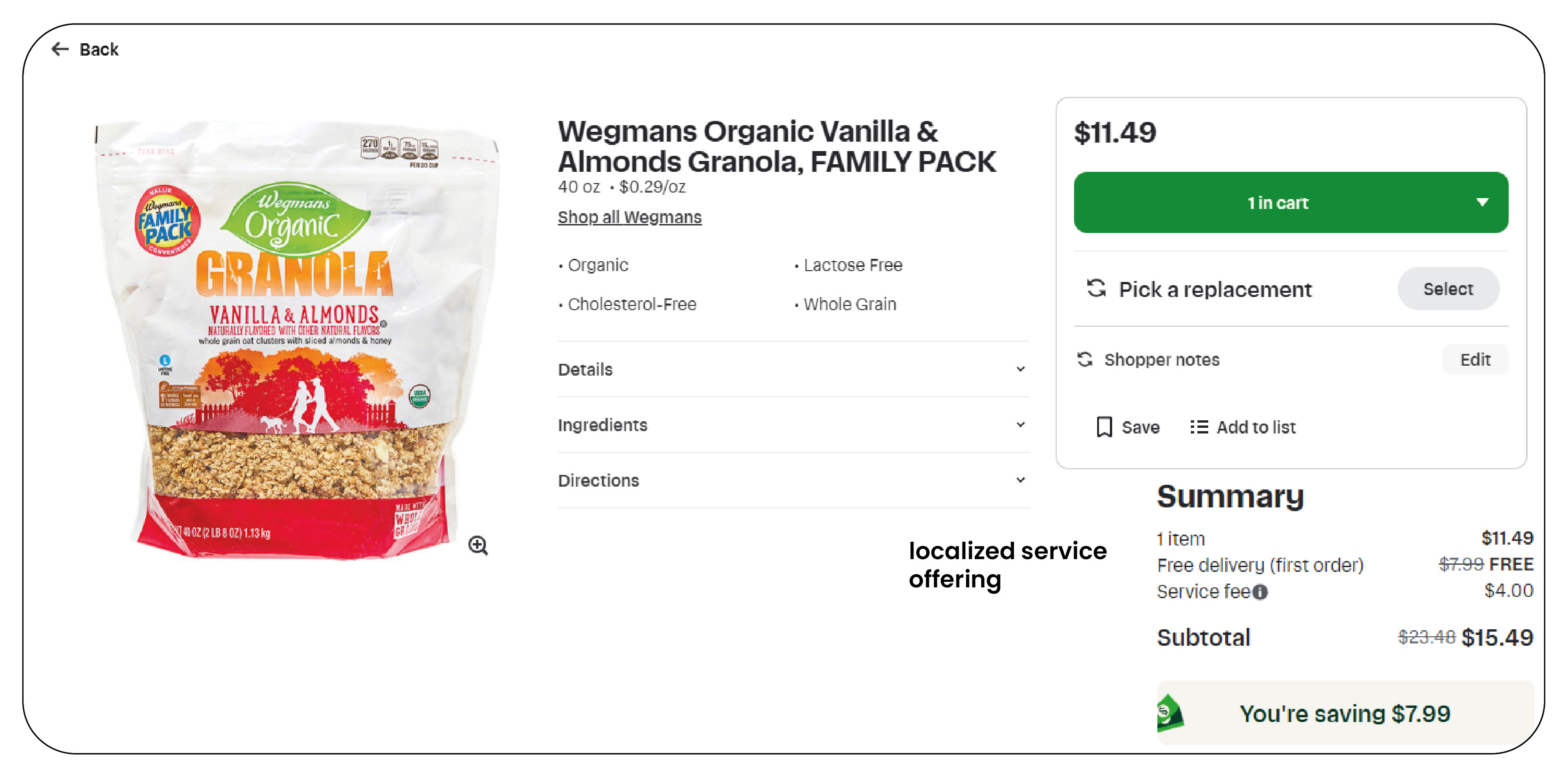
Scraping Quick Commerce data across multiple countries provides businesses with valuable insights into diverse market trends, customer preferences, and competitive strategies. By analyzing this data, companies can optimize their offerings, pricing, and operations to enhance global growth and customer satisfaction.
- Cross-Border Insights: Scraping data from multiple countries allows businesses to compare performance across different markets. Insights from one country may be applied to another, enabling companies to optimize their global operations. For example, an e-commerce platform operating in India and the United States can compare customer purchasing patterns, product preferences, and delivery times, ensuring a consistent yet localized service offering.
- Customized Marketing Strategies: Data scraping provides the detailed customer insights needed to tailor marketing strategies to each country. By understanding what products are popular in a particular region, businesses can run targeted ad campaigns, personalize promotional offers, and even introduce culturally relevant products.
- Dynamic Pricing Models: Quick commerce companies need to stay agile when it comes to pricing. Scraping data across multiple countries helps businesses identify regional pricing models and demand differences. This allows companies to implement dynamic pricing strategies based on local competition and consumer behavior.
- Real-Time Monitoring: Quick commerce is a fast-paced industry where things change rapidly. Scraping real-time data helps businesses stay updated on the latest product trends, competitor activities, and consumer behavior. This allows for timely adjustments to marketing campaigns, product offerings, and inventory management.
Challenges of Scraping Quick Commerce Data
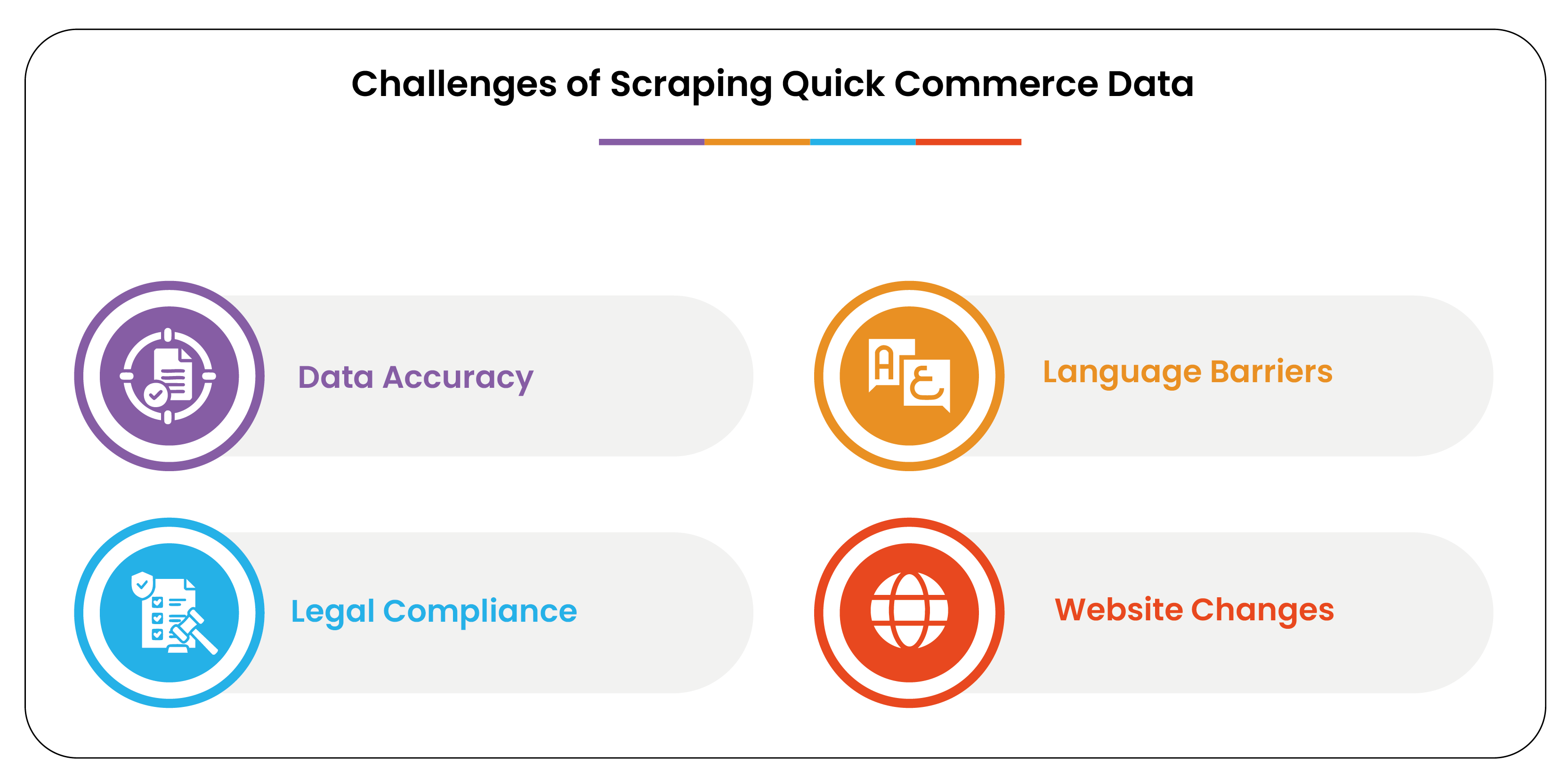
Scraping Quick Commerce data comes with several challenges, including ensuring data accuracy, complying with legal regulations, and overcoming language barriers. Additionally, managing large datasets from various platforms requires advanced tools and strategies to maintain consistency and relevance for businesses.
- Data Accuracy: One of the primary challenges of scraping data from multiple countries is ensuring its accuracy. Variations in local regulations, product catalogs, and user interfaces can lead to inconsistencies. To overcome these issues and extract accurate, up-to-date data, it’s important to use advanced scraping tools and methods.
- Legal Compliance: Data privacy laws and regulations vary across countries, making it crucial for businesses to comply with local laws when scraping data. For example, GDPR in Europe imposes strict rules on data collection, while some countries may have specific restrictions on web scraping. Companies must navigate these legal challenges to avoid penalties.
- Language Barriers: Scraping data from countries with different languages presents a unique challenge. For instance, scraping data from platforms in India or Europe may require handling multiple languages. This necessitates using translation tools or local experts to ensure the data is accurately interpreted.
- Website Changes: Websites frequently change their structure and design, which can disrupt scraping efforts. Keeping scraping tools up to date and monitoring website changes are essential to avoid broken data pipelines.
Conclusion
Scraping quick commerce data across multiple countries is a powerful strategy for businesses seeking insights into customer behavior, competitive trends, and market dynamics in this rapidly growing industry. By leveraging data from diverse regions, companies can tailor their operations, marketing efforts, and product offerings to meet the unique demands of each market.
However, scraping data from multiple countries has challenges, including data accuracy, legal compliance, and language barriers. To overcome these obstacles, businesses must utilize advanced tools like Web Scraping Quick Commerce Data and adopt the best data extraction and management practices. These tools help ensure the data collected is accurate and consistent across different platforms.
Furthermore, businesses offering Grocery & Supermarket Data Scraping Services can streamline their operations by analyzing trends in product availability, pricing, and customer preferences across multiple regions. Ultimately, the insights gained from scraping quick commerce data can drive more intelligent decisions, enhance customer satisfaction, and fuel growth in the competitive world of ultra-fast delivery services.
At Product Data Scrape, we strongly emphasize ethical practices across all our services, including Competitor Price Monitoring and Mobile App Data Scraping. Our commitment to transparency and integrity is at the heart of everything we do. With a global presence and a focus on personalized solutions, we aim to exceed client expectations and drive success in data analytics. Our dedication to ethical principles ensures that our operations are both responsible and effective.



 Singapore
 EMAIL
EMAIL
 PHONE
PHONE










.webp)