Introduction
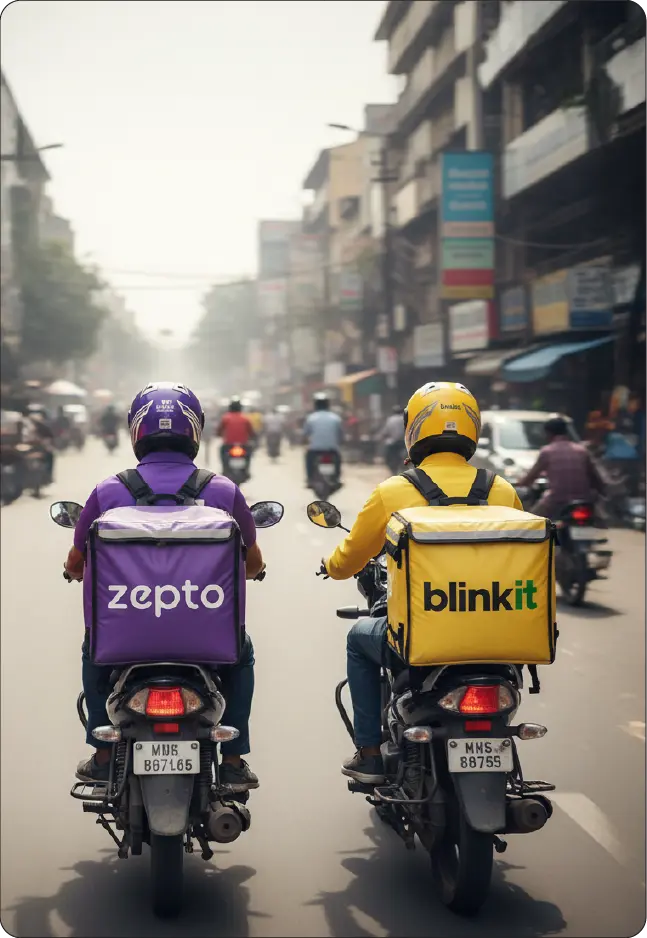
The quick commerce industry has transformed how consumers purchase groceries, household essentials, and FMCG products. Companies now compete on delivery speed, pricing accuracy, inventory availability, and customer experience. Businesses that successfully Scrape Real-Time Quick Commerce Data gain access to valuable insights that support pricing strategies, inventory planning, and competitive intelligence.
According to industry estimates, the global quick commerce market is expected to grow at a CAGR exceeding 20% between 2020 and 2026. This rapid expansion has increased demand for accurate market intelligence and automated data collection systems. Retailers, brands, FMCG manufacturers, analysts, and marketplace operators increasingly rely on Quick commerce & FMCG data to monitor changing customer preferences and market dynamics.
Real-time data collection enables organizations to track stock levels, pricing changes, promotional campaigns, and product performance across multiple platforms. As competition intensifies, companies require scalable architectures, optimized refresh rates, and cost-efficient data pipelines to maintain market visibility and make informed business decisions.
Why Is Continuous Market Visibility Essential for Growth?
Modern quick commerce platforms change product prices, promotions, and inventory levels multiple times per day. Businesses that fail to monitor these updates risk losing competitive positioning and missing revenue opportunities.
Organizations increasingly use Real-Time Tracking Quick-Commerce Data to understand product availability, customer demand, and pricing movements as they occur. This enables faster responses to market changes and supports data-driven decision-making. Combined with Quick commerce data and analytics, businesses can identify patterns that influence purchasing behavior and market performance.
Quick Commerce Growth Trends (2020–2026)
.webp)
Key benefits include:
- Faster pricing decisions
- Improved inventory forecasting
- Enhanced competitor intelligence
- Better promotional planning
- Increased operational efficiency
Continuous visibility into market conditions allows retailers and brands to optimize their strategies proactively. Rather than relying on delayed reports, organizations can react immediately to changing market signals and maintain stronger competitive positioning.
What Infrastructure Supports Large-Scale Data Collection?
Building a scalable data collection system requires a well-designed architecture capable of handling millions of data points daily. A robust Quick Commerce Data Pipeline Architecture enables businesses to collect, process, clean, store, and analyze information efficiently.
A typical pipeline consists of:
- Data extraction layer
- Processing engine
- Data validation system
- Storage infrastructure
- Analytics dashboard
Data Pipeline Evolution (2020–2026)
| Year |
Average Daily Records Processed |
| 2020 |
100,000 |
| 2021 |
250,000 |
| 2022 |
500,000 |
| 2023 |
1 Million |
| 2024 |
2 Million |
| 2025 |
4 Million |
| 2026 |
8 Million |
Modern architectures leverage cloud computing and distributed processing systems to manage increasing data volumes. These platforms ensure high availability and support real-time analytics requirements.
Organizations investing in scalable infrastructure can expand monitoring coverage without compromising performance. As quick commerce ecosystems continue growing, strong architectural foundations become critical for long-term success.
How Often Should Quick Commerce Data Be Updated?
Data freshness directly impacts business intelligence quality. In fast-moving retail environments, outdated information can lead to incorrect decisions regarding pricing, inventory management, and promotional planning.
Businesses use Q-Commerce Data Refresh Rate Analytics to determine optimal update frequencies based on category, competition intensity, and operational requirements. Products experiencing rapid changes may require updates every few minutes, while slower-moving categories can tolerate longer intervals.
Another critical component involves Price skimming analysis, which examines how pricing strategies evolve over time to maximize profitability and market share.
Recommended Refresh Frequency
| Category |
Refresh Rate |
| Grocery |
5–10 Minutes |
| FMCG |
15–30 Minutes |
| Electronics |
Hourly |
| Personal Care |
30 Minutes |
| Household Items |
Hourly |
Frequent refresh cycles help organizations:
- Capture pricing fluctuations
- Detect inventory shortages
- Monitor promotions
- Improve forecasting accuracy
- Enhance competitive intelligence
Finding the right balance between freshness and operational cost is essential. Businesses must align refresh schedules with strategic objectives and market dynamics.
How Can Organizations Balance Performance and Budget?
Data collection initiatives must deliver value without generating excessive infrastructure expenses. Companies often struggle to balance data coverage, refresh frequency, and operational costs.
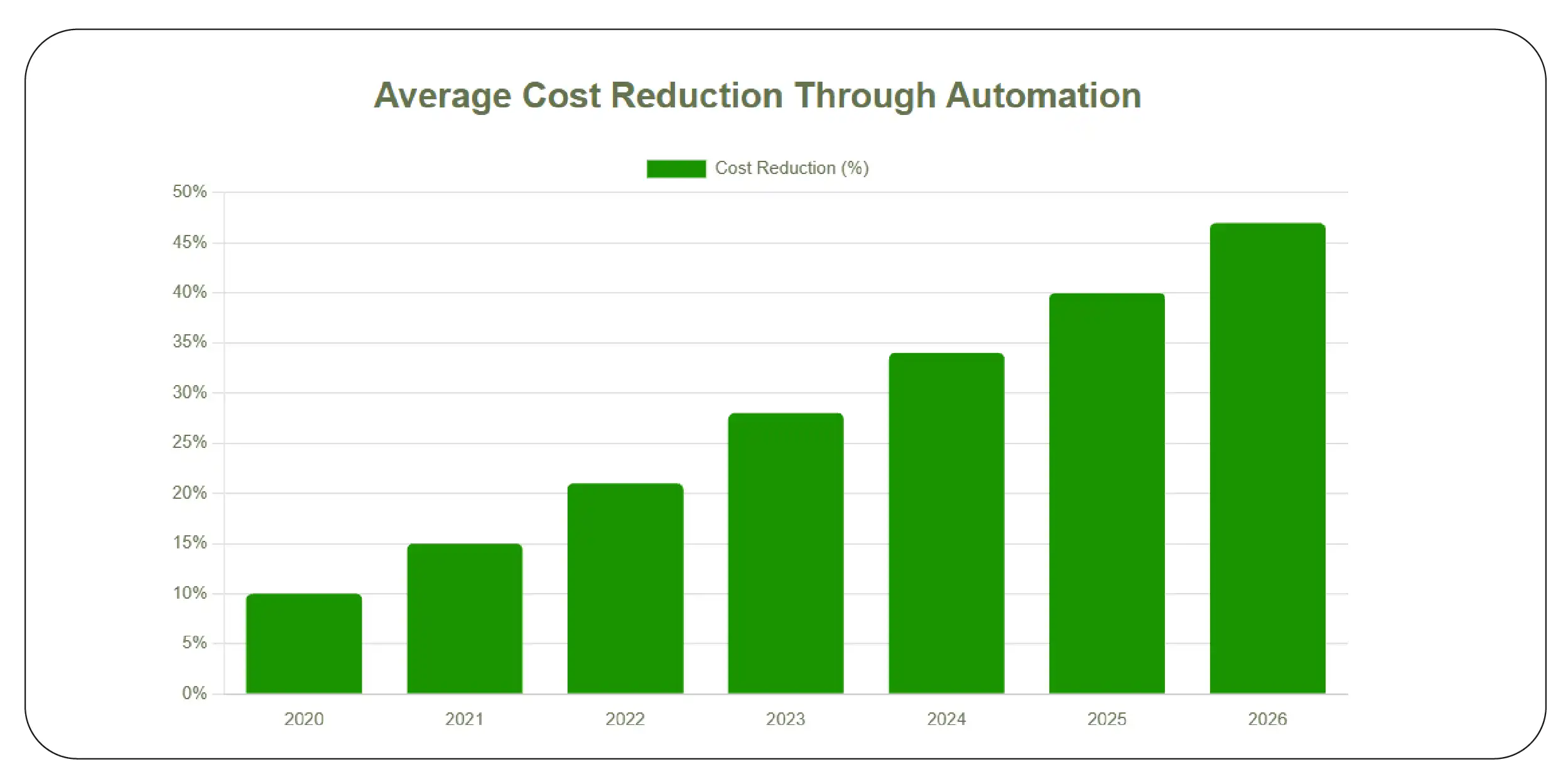
Conducting a Quick Commerce Cost & Scalability Analysis helps organizations understand resource requirements and optimize investments. Cost factors typically include computing resources, storage infrastructure, proxy management, monitoring systems, and analytics platforms.
Cost Optimization Trends (2020–2026)
| Year |
Average Cost Reduction Through Automation |
| 2020 |
10% |
| 2021 |
15% |
| 2022 |
21% |
| 2023 |
28% |
| 2024 |
34% |
| 2025 |
40% |
| 2026 |
47% |
Businesses can reduce costs by:
- Automating workflows
- Using cloud-based infrastructure
- Prioritizing critical datasets
- Optimizing refresh schedules
- Implementing scalable architectures
Efficient scalability ensures organizations can increase data collection volumes as market requirements evolve. Proper planning minimizes unnecessary expenses while maintaining access to valuable market intelligence.
What Data Refresh Strategy Produces the Best Results?
Data refresh strategies should align with business goals and market conditions. Organizations that update information too slowly risk missing opportunities, while excessive updates can increase operational costs unnecessarily.
A successful Quick Commerce Data Refresh Strategy for Retail Analytics prioritizes high-value products, frequently changing categories, and competitive markets. This approach maximizes intelligence value while controlling resource consumption.
Additionally, Pricing intelligence initiatives depend heavily on refresh accuracy. Retailers need timely information to respond effectively to competitor pricing actions and changing customer expectations.
Retail Analytics Impact
| Year |
Data-Driven Revenue Improvement |
| 2020 |
8% |
| 2021 |
11% |
| 2022 |
15% |
| 2023 |
19% |
| 2024 |
24% |
| 2025 |
28% |
| 2026 |
33% |
Organizations should evaluate:
- Product volatility
- Competitor activity
- Customer demand patterns
- Market growth rates
- Operational priorities
Strategic refresh planning enables businesses to maximize data value while maintaining cost efficiency and operational flexibility.
How Can Businesses Measure Collection Efficiency Over Time?
Long-term success requires continuous performance monitoring. Businesses need visibility into collection efficiency, data quality, infrastructure costs, and refresh effectiveness.
Organizations increasingly Monitor Quick Commerce Data Refresh Rates and Costs to ensure data operations remain aligned with business objectives. This process helps identify inefficiencies and opportunities for optimization.
Companies that continuously Scrape Real-Time Quick Commerce Data can compare refresh performance against business outcomes, creating a feedback loop that supports ongoing improvement.
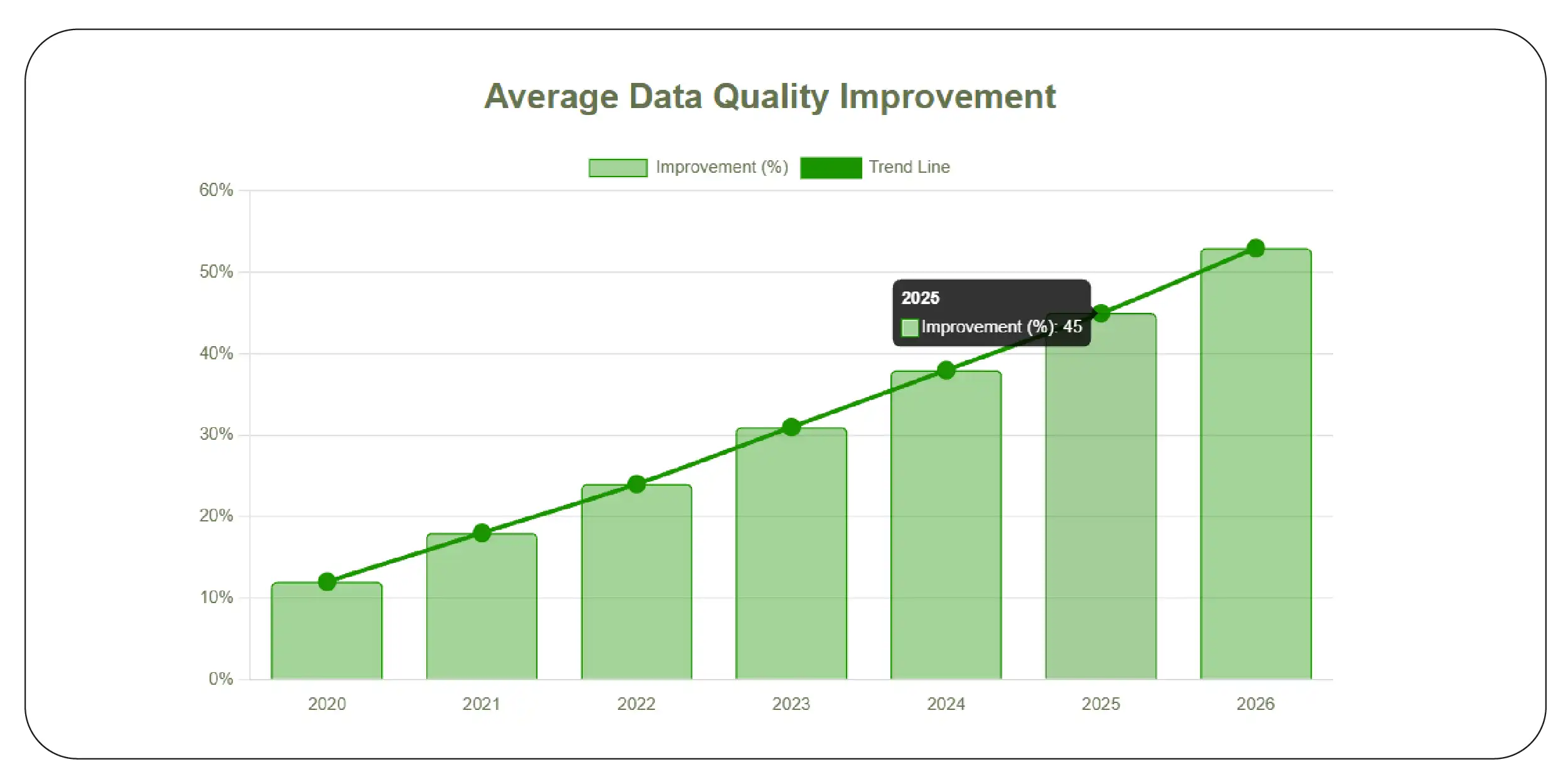
Monitoring Performance Metrics
| Year |
Average Data Quality Improvement |
| 2020 |
12% |
| 2021 |
18% |
| 2022 |
24% |
| 2023 |
31% |
| 2024 |
38% |
| 2025 |
45% |
| 2026 |
53% |
Important metrics include:
- Refresh success rates
- Data accuracy
- Collection latency
- Infrastructure costs
- Market coverage
Continuous monitoring ensures businesses maintain high-quality datasets while optimizing operational efficiency and scalability.
Why Choose Product Data Scrape?
Product Data Scrape provides advanced quick commerce intelligence solutions designed for retailers, FMCG brands, manufacturers, and market research teams. Our platform delivers accurate, scalable, and automated data collection capabilities that support pricing intelligence, inventory monitoring, and competitive benchmarking.
We provide detailed Geo and store-level pricing data that enables businesses to compare regional pricing strategies and identify market opportunities. Organizations seeking to Scrape Real-Time Quick Commerce Data can leverage our scalable infrastructure, automated pipelines, and customizable analytics solutions. We help businesses transform raw marketplace information into actionable intelligence that supports smarter decisions and sustainable growth.
Conclusion
The quick commerce industry continues to evolve rapidly, making real-time intelligence essential for success. Businesses that consistently Scrape Real-Time Quick Commerce Data gain deeper visibility into pricing movements, inventory changes, promotions, and customer demand patterns. Access to accurate Global quick commerce data empowers organizations to improve forecasting, optimize pricing strategies, and strengthen competitive positioning.
As market complexity increases, scalable architectures, efficient refresh strategies, and cost-effective monitoring systems become critical investments. We deliver the technology and expertise required to help businesses stay ahead in dynamic retail environments.
Contact Product Data Scrape today to build a powerful quick commerce intelligence solution and unlock actionable market insights through real-time data collection and analytics!
FAQs
1. Why is real-time quick commerce data important?
Real-time quick commerce data helps businesses monitor pricing, inventory availability, promotions, and customer demand, enabling faster decisions and improved competitive positioning.
2. What refresh rate is ideal for quick commerce monitoring?
The ideal refresh rate depends on product category volatility. Grocery and FMCG categories often require updates every 5–30 minutes for maximum accuracy.
3. How does pricing intelligence support retail growth?
Pricing intelligence helps retailers track competitor prices, identify opportunities, optimize margins, and improve customer acquisition through data-driven pricing decisions.
4. Can Product Data Scrape provide store-level market intelligence?
Yes. Product Data Scrape offers detailed location-specific insights, inventory monitoring, and pricing intelligence across multiple quick commerce platforms and regions.
5. What industries benefit most from quick commerce analytics?
Retailers, FMCG brands, manufacturers, distributors, consulting firms, and market research organizations benefit significantly from quick commerce analytics and monitoring solutions.



 Singapore
 EMAIL
EMAIL
 PHONE
PHONE


.webp)
.webp "thumb")








.webp)