Introduction
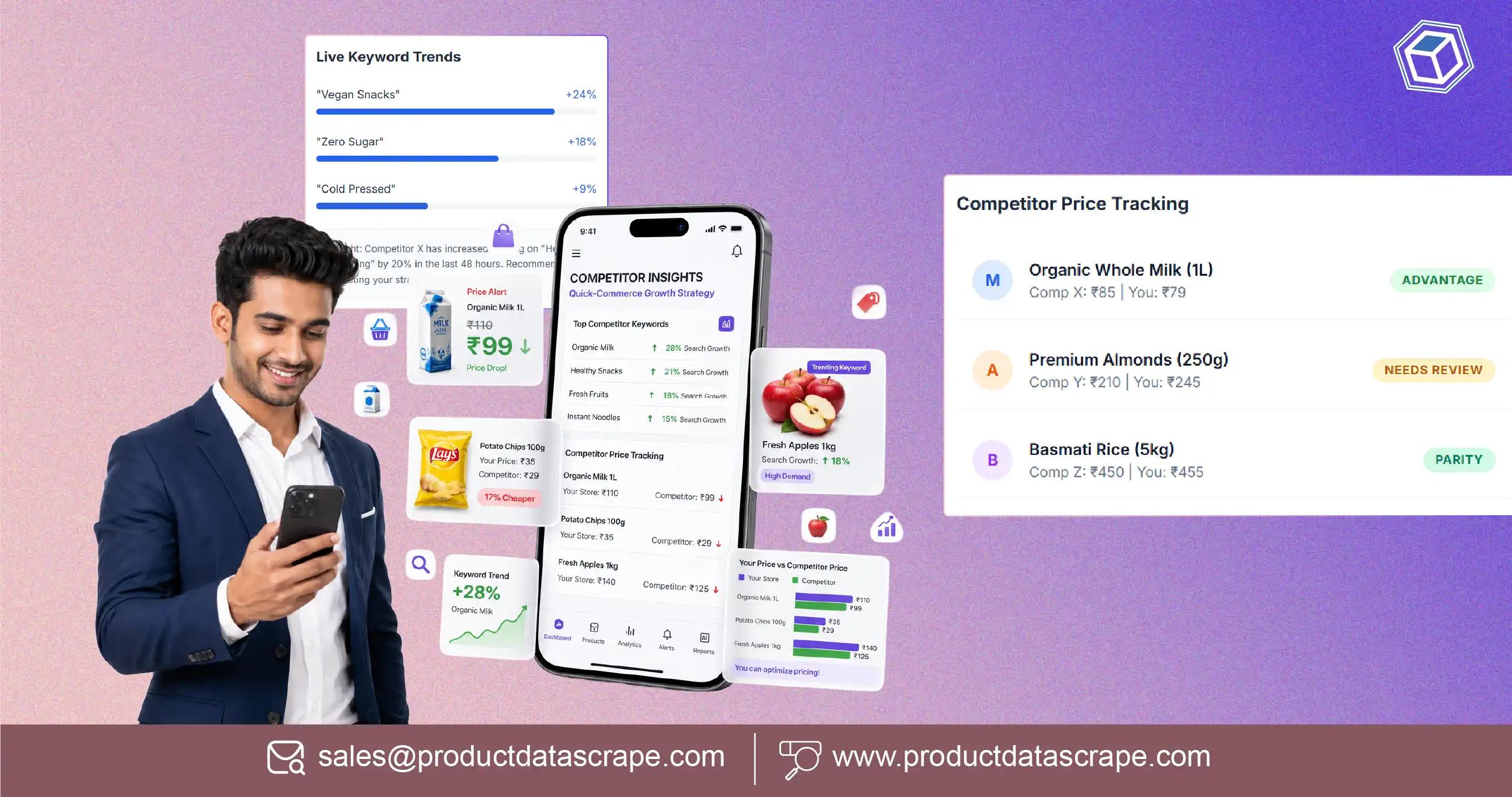
Businesses track competitor data to understand pricing behavior, keyword visibility, and consumer demand patterns across quick-commerce platforms. Learning Track Competitor Keywords & Pricing on Quick-Commerce Apps helps brands improve visibility, optimize pricing strategies, and strengthen overall growth performance in highly competitive grocery delivery ecosystems.
Industry Insight: The global quick-commerce market is expected to cross $40 billion by 2026, with over 70% of purchase decisions influenced by search ranking, pricing differences, and promotional visibility.
For FMCG brands, retailers, category managers, and market intelligence teams, competition is not just about price anymore. It is about keyword visibility, product ranking, and consumer engagement. Modern Quick Commerce intelligence systems help businesses analyze how competitors rank products, adjust prices, and attract customer attention across digital storefronts.
This blog explains how businesses track competitor keywords and pricing trends between 2020 and 2026 to improve growth strategy and market positioning.
How Does Competitor Keyword Monitoring Improve Market Visibility?
Search visibility directly impacts sales in quick-commerce apps. Products that rank higher in search results often receive more orders.
Businesses use competitor keyword monitoring quick commerce tools along with Competitor price monitoring to understand how brands position themselves in search and pricing ecosystems.
Key Benefits
- Improve product discoverability
- Identify high-performing keywords
- Track competitor search strategies
- Optimize pricing alignment
- Increase conversion rates
Keyword Monitoring Adoption Trends (2020–2026)
| Year |
Brands Using Keyword Monitoring |
| 2020 |
22% |
| 2021 |
30% |
| 2022 |
39% |
| 2023 |
50% |
| 2024 |
61% |
| 2025 |
72% |
| 2026 |
83% |
For example, a grocery brand may discover that competitors consistently rank higher using specific keyword combinations like "healthy snacks" or "low sugar drinks." This insight helps improve listing optimization.
Keyword monitoring also helps brands understand how search behavior changes over time. Businesses can adjust product titles, descriptions, and categories to improve ranking performance.
This creates stronger visibility and higher conversion potential in competitive marketplaces.
How Do Grocery Apps Influence Keyword Ranking Performance?
Quick-commerce platforms rely heavily on search algorithms. Keyword ranking directly affects product visibility and sales performance.
Many businesses now focus on keyword ranking tracking on grocery delivery apps to understand how products appear in search results and how competitors optimize their listings.
Key Ranking Factors
- Product title relevance
- Keyword density
- Sales performance
- Customer ratings
- Promotion activity
Keyword Ranking Growth Trends
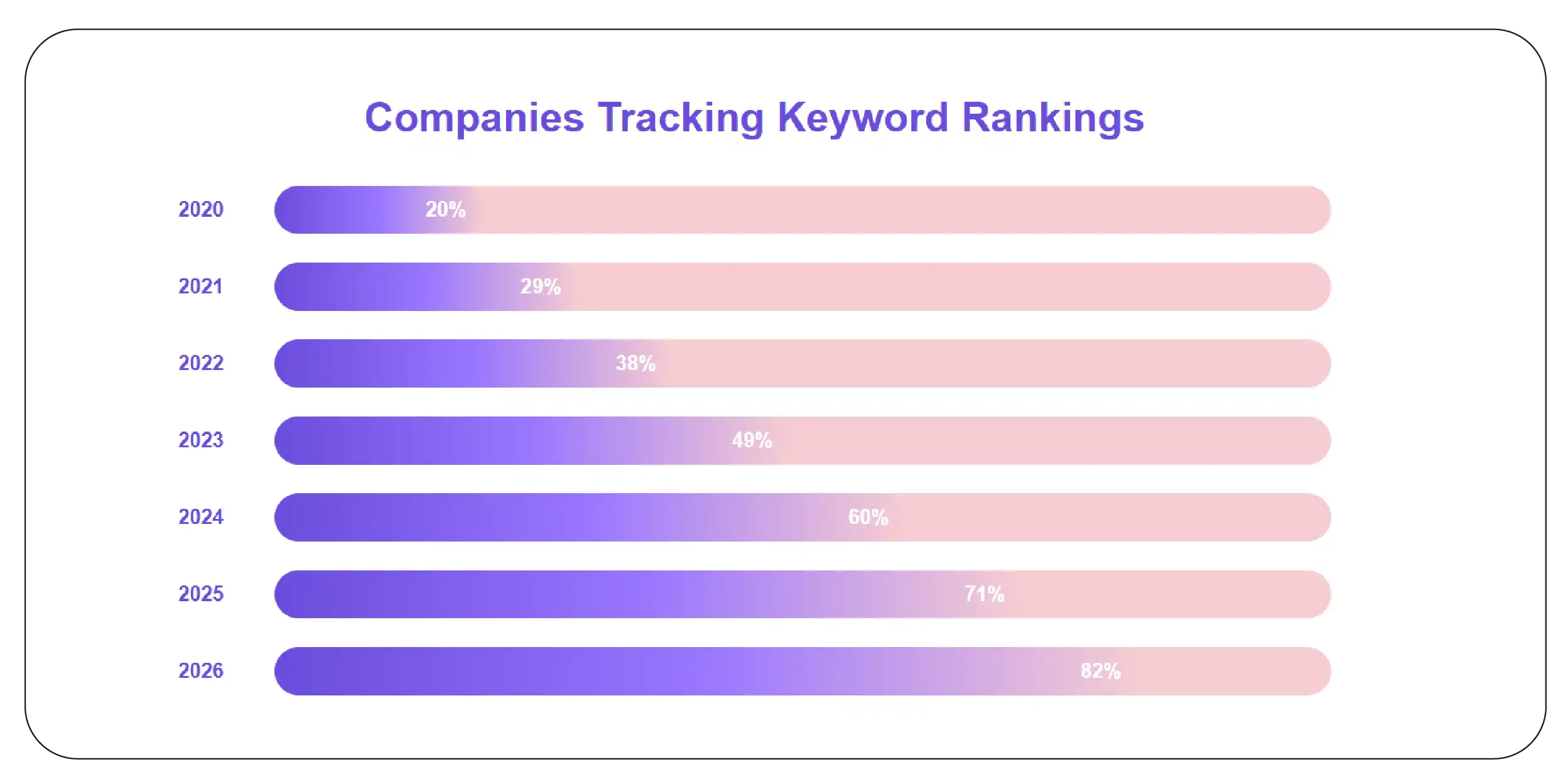
For instance, products with better ratings and higher sales volume often rank higher even if pricing is slightly higher. This creates opportunities for brands to improve product visibility through optimization strategies.
Keyword ranking insights also help businesses identify gaps in product listings. If competitors dominate certain search terms, brands can adjust their keyword strategy accordingly.
This improves organic visibility and reduces dependency on paid promotions.
How Can Pricing and Reviews Influence Competitor Performance?
Pricing alone does not define success in quick-commerce platforms. Customer perception, ratings, and reviews play a major role in product performance.
Businesses use competitor pricing analytics quick commerce apps along with Ratings, reviews and sentiment analysis to understand how pricing and consumer feedback influence demand.
Key Analytical Areas
- Price-to-rating ratio
- Sentiment score tracking
- Review volume comparison
- Discount effectiveness
- Customer satisfaction trends
Pricing and Sentiment Analytics Growth
| Year |
Brands Using Sentiment-Based Pricing Analysis |
| 2020 |
23% |
| 2021 |
32% |
| 2022 |
41% |
| 2023 |
52% |
| 2024 |
63% |
| 2025 |
74% |
| 2026 |
85% |
For example, a product priced slightly higher than competitors may still perform better if it has stronger reviews and positive sentiment. This insight helps brands balance pricing with customer perception.
Sentiment analysis also helps identify product issues early. Negative reviews can indicate quality or delivery problems that impact sales.
By combining pricing and sentiment data, businesses can make more accurate and customer-focused decisions.
How Do Search Trends Reveal Product Demand in Quick Commerce?
Search behavior is one of the strongest indicators of customer demand in quick-commerce platforms. Businesses can understand what customers want before purchase happens.
Many companies rely on quick commerce search analytics and pricing data to study search volume patterns, keyword trends, and pricing sensitivity across product categories.
Key Insights from Search Analytics
- Rising product demand signals
- Seasonal keyword spikes
- Category-level interest shifts
- Price sensitivity by keyword
- Conversion rate impact
Search Analytics Adoption Trends (2020–2026)
.webp)
For example, increased searches for "healthy snacks" or "protein drinks" indicate growing demand in wellness categories. Brands can use this insight to adjust inventory and pricing strategies.
Search analytics also helps identify unmet demand. If search volume is high but product availability is low, businesses can capture new market opportunities quickly.
This creates a strong advantage in fast-moving grocery ecosystems.
How Can Visibility Tracking Improve Competitive Positioning?
In quick-commerce, visibility is everything. Products that appear more frequently in search results and category listings gain more conversions.
Businesses use tracking competitor visibility and pricing across grocery delivery apps to evaluate how competitors position their products across categories and promotions. They also analyze how retailers price and promote items across different regions.
Visibility Tracking Benefits
- Improve search ranking strategy
- Optimize promotional placement
- Identify competitor dominance
- Enhance product discoverability
- Improve conversion performance
Visibility Tracking Growth Trends
| Year |
Companies Using Visibility Tracking |
| 2020 |
24% |
| 2021 |
33% |
| 2022 |
42% |
| 2023 |
53% |
| 2024 |
64% |
| 2025 |
75% |
| 2026 |
86% |
For instance, a brand may discover that competitors consistently appear in top search slots due to better keyword optimization or stronger promotional campaigns.
Visibility tracking also helps identify underperforming listings. Businesses can adjust titles, pricing, and promotions to improve placement.
Stronger visibility leads directly to higher engagement and better sales outcomes in competitive grocery platforms.
How Do Businesses Track Search Rankings and Pricing Together?
Search ranking and pricing are deeply connected in quick-commerce ecosystems. Even small pricing changes can influence visibility and conversions.
Many organizations use monitoring search rankings and prices for Q commerce app systems to analyze how pricing adjustments affect search positions and demand patterns.
Key Analysis Areas
- Price vs ranking correlation
- Discount impact on visibility
- Competitor ranking shifts
- Category-level performance
- Promotion effectiveness tracking
Ranking + Pricing Analytics Growth
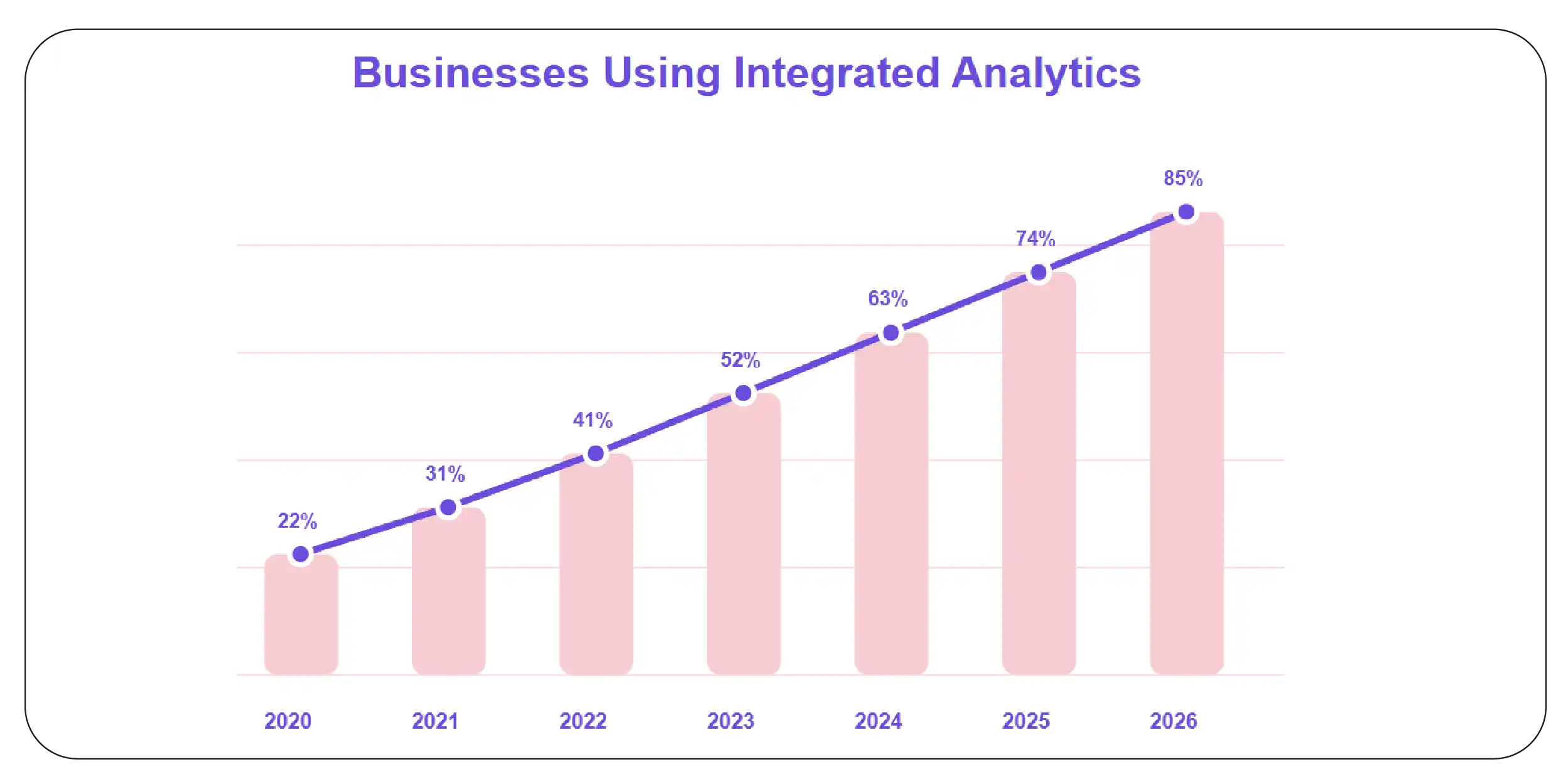
For example, a product may improve ranking after a temporary price reduction, increasing visibility and sales volume. Businesses use this insight to optimize promotional timing.
Integrated tracking also helps identify whether ranking improvements come from pricing, reviews, or keyword optimization.
This enables smarter, data-driven growth strategies across quick-commerce platforms.
Why Choose Product Data Scrape?
Quick-commerce businesses need reliable, scalable, and real-time intelligence to stay competitive. Product Data Scrape provides advanced data solutions that help companies monitor pricing, keywords, rankings, and visibility across multiple platforms.
With strong share of search tracking, businesses can understand how competitors perform across keyword ecosystems and pricing strategies. By using Track Competitor Keywords & Pricing on Quick-Commerce Apps, organizations gain actionable insights into market trends, product positioning, and consumer behavior.
Key benefits include:
- Real-time keyword tracking
- Competitive pricing intelligence
- Search visibility monitoring
- Large-scale data extraction
- API-driven integration
- Scalable analytics support
These capabilities help FMCG brands, retailers, and analysts make faster and more accurate growth decisions.
Conclusion
Quick-commerce success depends on visibility, pricing, and keyword performance. Businesses that implement Track Competitor Keywords & Pricing on Quick-Commerce Apps gain a clear advantage in understanding market behavior and improving product performance.
From Price monitoring to search ranking analysis and visibility tracking, data-driven insights help brands optimize strategy, improve conversions, and increase revenue in highly competitive digital grocery ecosystems.
Ready to improve your quick-commerce growth strategy? Contact Product Data Scrape today and unlock powerful competitive intelligence to enhance visibility, pricing, and performance across all major platforms!
FAQs
1. Why is competitor keyword tracking important in quick commerce?
It helps businesses understand search behavior, improve product visibility, and optimize listings to increase conversions across grocery delivery platforms.
2. How does pricing affect search ranking?
Pricing influences customer engagement and conversion rates, which can directly impact how products are ranked in search results on quick-commerce apps.
3. What is share of search tracking?
It measures how often a brand appears in search results compared to competitors, helping businesses evaluate visibility and demand strength.
4. How does Product Data Scrape help businesses?
Product Data Scrape provides structured datasets, real-time tracking tools, and analytics solutions for pricing, keywords, and visibility monitoring.
5. Why is visibility tracking important in quick-commerce apps?
Visibility tracking helps businesses understand how often products appear in search results, enabling better optimization of pricing, keywords, and promotions.



 Singapore
 EMAIL
EMAIL
 PHONE
PHONE


.webp "thumb")








.webp)